View Online | Subscribe now
Journalism from theThomson Reuters Foundation logo
Context logo

Know better. Do better.

inclusive economies

Policy, honestly

The real-life impacts of policy decisions

Photo of Beatrice Tridimas

My name is Beatrice Tridimas, and I report on migration for Context. For this month’s Policy, Honestly, I’m looking at what Europe has to offer its North African counterparts in its effort to reduce irregular migration.

Over the weekend, a European Union-backed deal between Italy and Libya to stem illegal arrivals automatically renewed, despite repeated calls from rights groups and members of the European Parliament to pull out.

The agreement, first signed in 2017 and previously renewed in 2020 has raised questions about Europe’s role in facilitating documented abuses against migrants at the hands of Libyan militias.

Reports surfaced in September of Libyan militias open firing at rescue boats in the Mediterranean Sea, renewing criticism of the deal. But weeks later in October, Libyan officials met with Frontex, the European border guard agency, at its headquarters in Warsaw and EU migration officials to discuss the future of cooperation.

The Policy

The Italy-Libya deal is one of a string of agreements between the EU or individual member states and third countries – mostly in Africa – that are part of Europe’s wider policy of migration diplomacy.

The approach relies on Europe persuading other countries it views as strategic – namely, key origin or transit countries – to help achieve its goal of lowering irregular arrivals through an array of incentives, often financial.

Coming to friendly agreements with strategic partners is a practice as old as time, but after 1 million people crossed irregularly into Europe in 2015, the EU took a seat at the diplomatic table more often – and with more urgency.

In 2016, the EU signed a €6 billion deal with Turkey to stop people coming. Since then, the EU or its member states have entered partnerships with Egypt, Tunisia, Lebanon, Mauritania, Morocco and Libya.

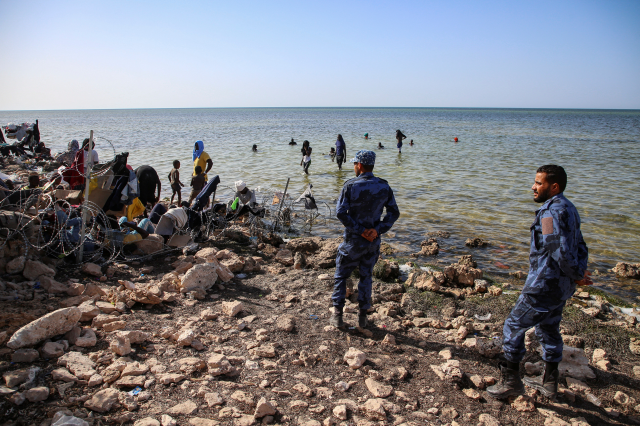
Libyan security personnel stand by the migrants from Africa next to the seashore at the Libyan-Tunisian border in Ras Ajdir, Libya July 23, 2023. REUTERS/Hazem Ahmed


Libyan security personnel stand by the migrants from Africa next to the seashore at the Libyan-Tunisian border in Ras Ajdir, Libya July 23, 2023. REUTERS/Hazem Ahmed

The Impact

The EU has credited a 22% fall in irregular border crossings so far this year to successful cooperation with North African countries.

But the EU has faced pressure from rights groups and members of parliament to pull out of the Libya agreement because of well-documented abuses against migrants in Libya, where rival governments rule different parts of the country and factional fighting breaks out.

“From the perspective of the migrants that are caught and the consequences of such a deal on the ground, you cannot call it successful. Actually, it’s very harmful,” Bram Frouws, director of the Mixed Migration Centre, told me.

An independent United Nations fact-finding mission in Libya published a final report in 2023, finding evidence that transiting migrants had faced torture, sexual violence, slavery and starvation in detention and said the deal with Europe to intercept migrants at sea and return them to Libya “provided support” for these abuses.

A new report from search-and-rescue NGO Sea Watch recorded 60 violent incidents, including shootings and chasing boats in distress, by Libyan officials against migrants and rescuers at sea since 2016.

quotes

They're controlling the one thing that Europe fears the most, which is the arrival of migrants across the Mediterranean.

Bram Frouws, Mixed Migration Centre

Earlier this year, Sea Watch and rescue boat SOS Méditerranée reported being shot at by the Libyan coastguard in separate incidents, prompting dozens of NGOs to denounce the EU’s cooperation with Libya and suspend its financial support.

Human Rights Watch has also called on Italy to pull out of the agreement, which renews for three years.

The EU has not done enough to stop Libyan authorities from carrying out rights abuses for fear they might unleash a wave of migrants towards Europe, said Frouws.

“They hold so much leverage over Europe because they're controlling the one thing that Europe fears the most, which is the arrival of migrants across the Mediterranean,” said Frouws. “Any immediate spike in arrivals is going to lead to political panic in Europe, and it seems Europe is not willing to take that risk.”

In 2021, Europe accused Belarus of engineering a border “crisis” by sponsoring migrants from the Middle East and pushing them over the border to Poland as part of a “hybrid war.

To change that power dynamic, Europe needs to work with other countries to manage migration by offering more legal pathways to encourage partners to accept the return of people who enter illegally, Frouws said.

One day, labour shortages and declining populations might shift the power dynamic further.

“Maybe in the future, the one thing (these countries) have to offer to European countries is actually people,” he said.

This week's top picks

'We're becoming Russia' says LGBTQ+ activist jailed by Turkey

LGBTQ+ activist Enes Hocaoğulları, who was jailed over a speech he made to Council of Europe, says Turkey risks 'becoming Russia'

Life and loss at sea: shipowners and the seafarers they abandoned

When a seafarer lost his leg in an accident, his employer left him on his own in one of the growing cases of ship abandonments

In Data: How Europe's housing problem is fraying the social fabric

European cities are feeling the bite of a housing crunch, and analysts say this weakens social fabric and risks fuelling populism.

 
Read all of our coverage here

Food for thought

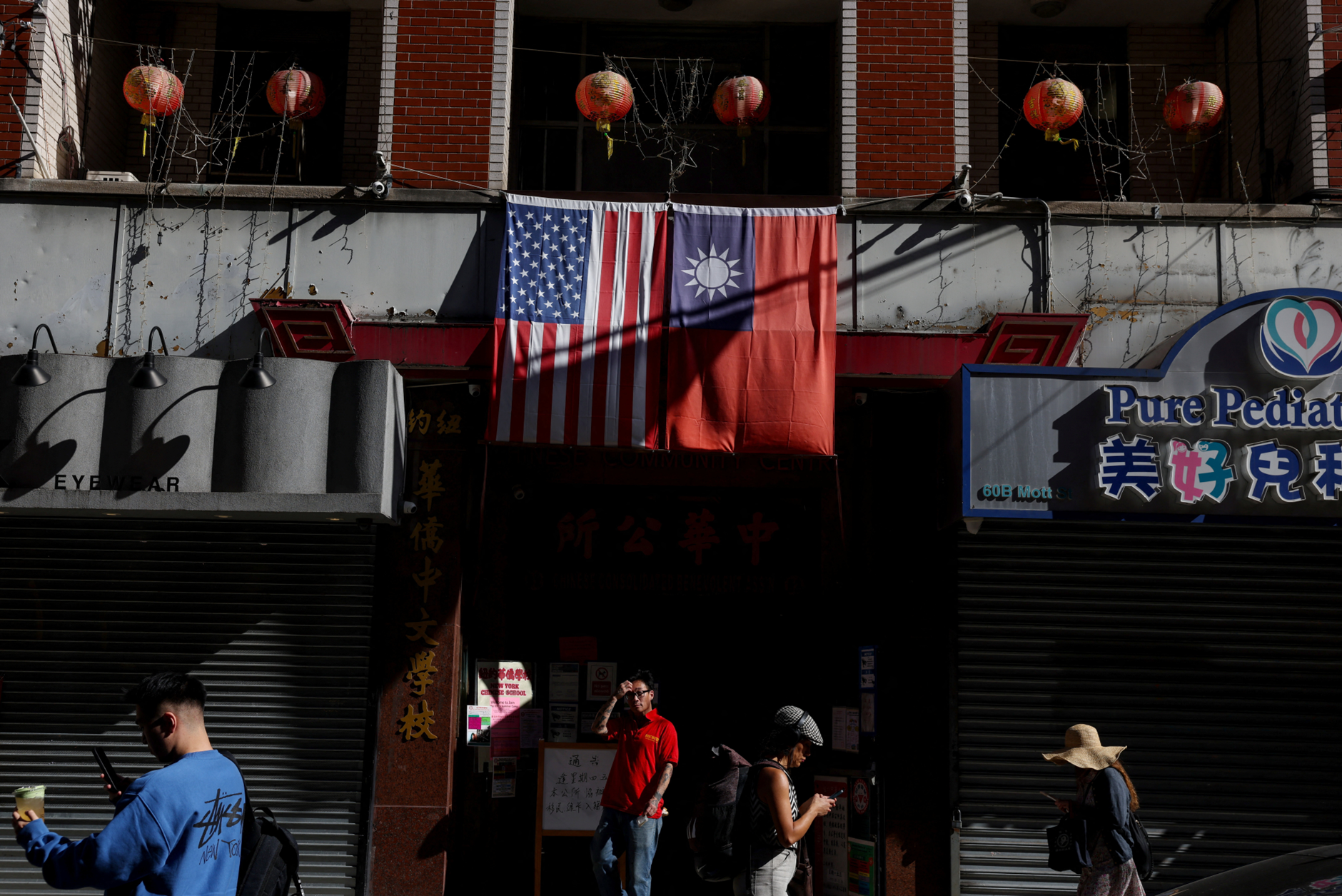
Death of the Chinese-American dream?

A murder of a Chinese woman by her husband in the US reveals cracks in the fairytale success story, aspired by thousands. As the author tracks the couple's journey juxtaposed with the souring of trade relations with the US and the bleak information landscape in China, a new reality takes hold.

Published in the newly launched Equator magazine, the dispatch uncovers ambition, inequality and the impacts of several American and Chinese polices which are only now coming to light.

Discover more

Thank you for reading!

If you like this newsletter, please forward to a friend or share it on Social Media.

We value your feedback - let us know what you think.