Data centres and power: who pays for AI's water?
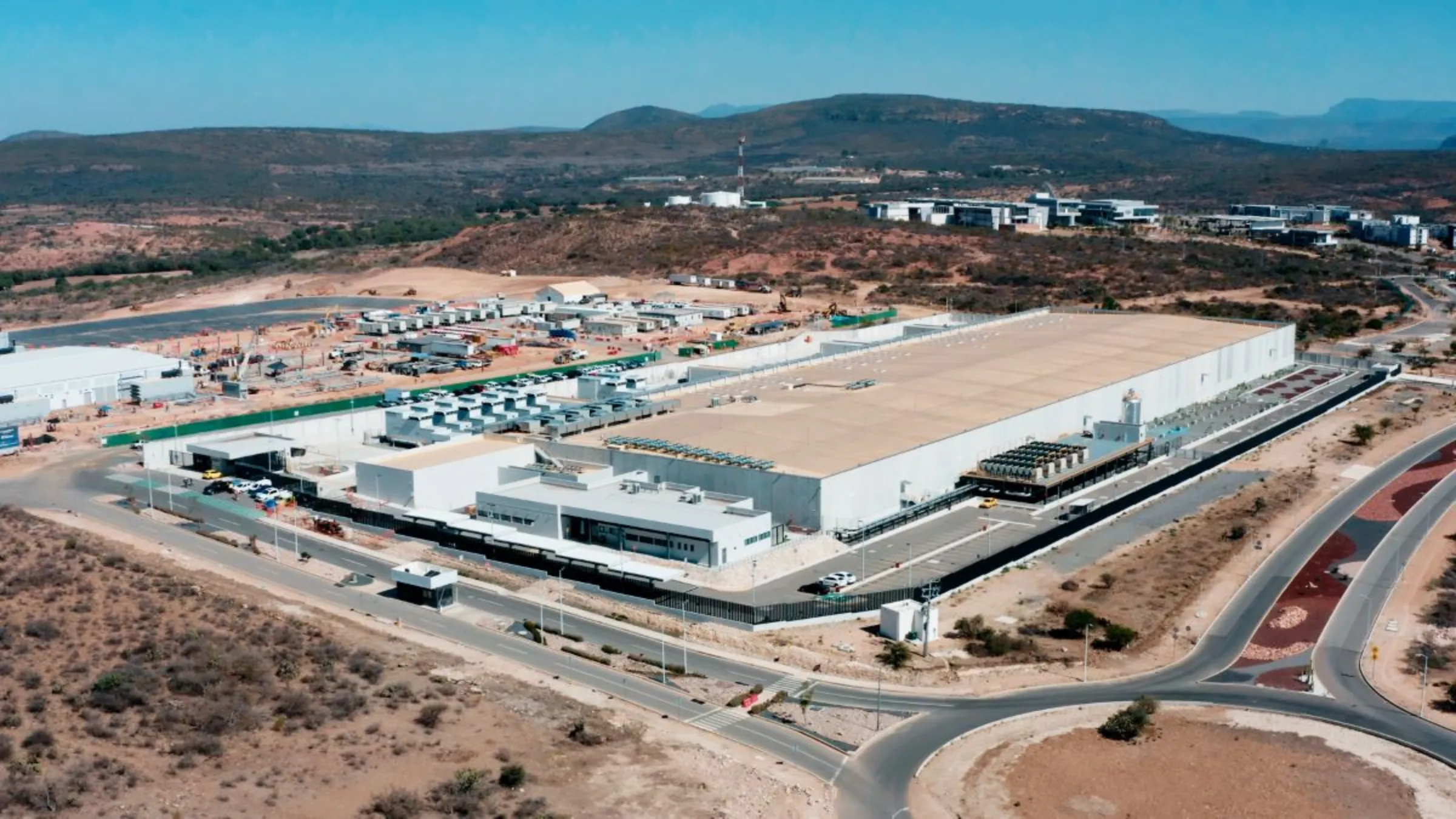
Just three hours away from Mexico City, Querétaro state is home to a tech revolution. Big Tech companies built a dozen data centres in this semi-desert, promising to invest billions of dollars and provide thousands of jobs.
Data centres are stadium-sized buildings that together store all the internet’s pictures, videos, documents, social media posts and more.
They are also increasingly important to the rise of data and energy-hungry AI.
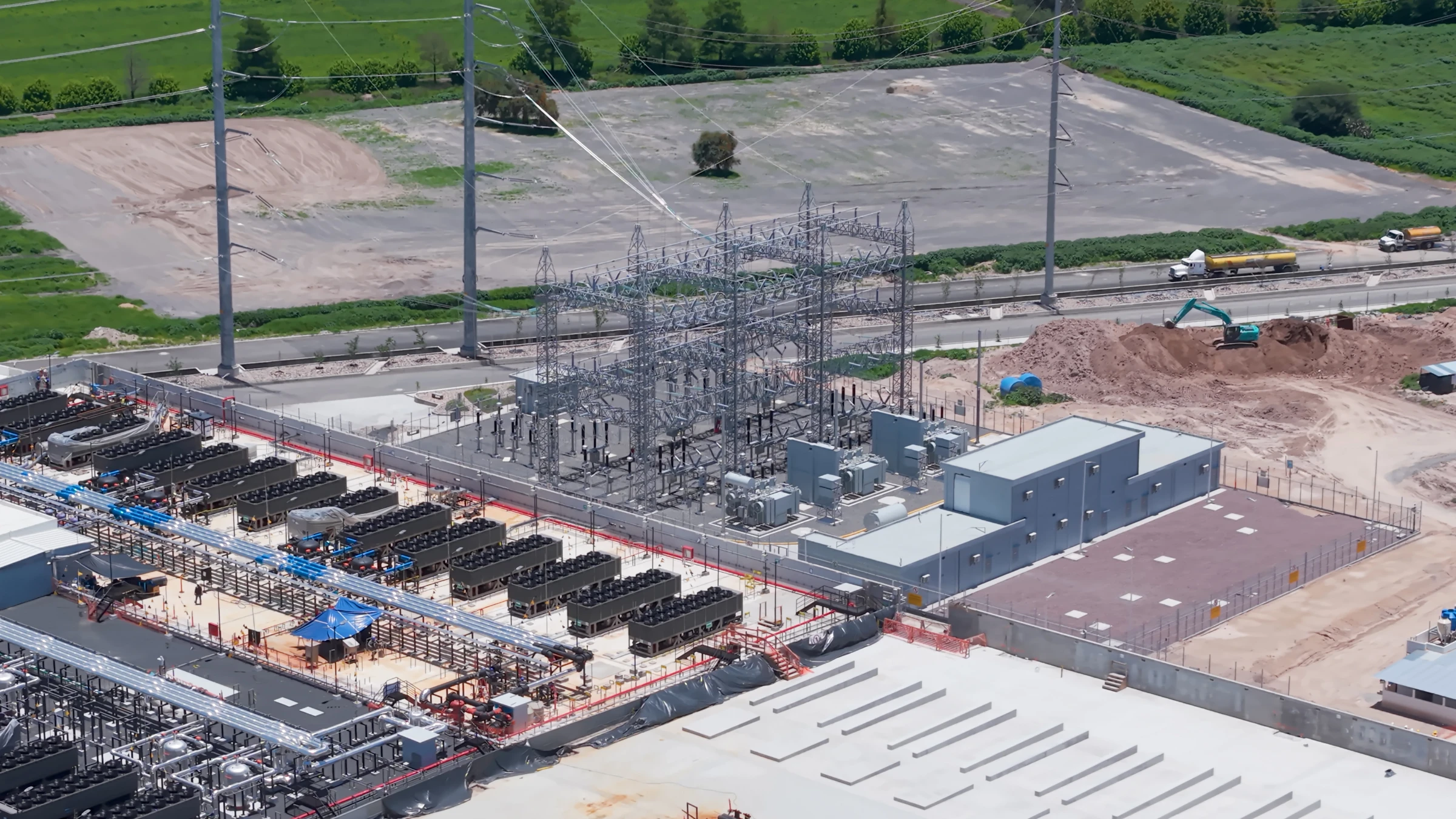
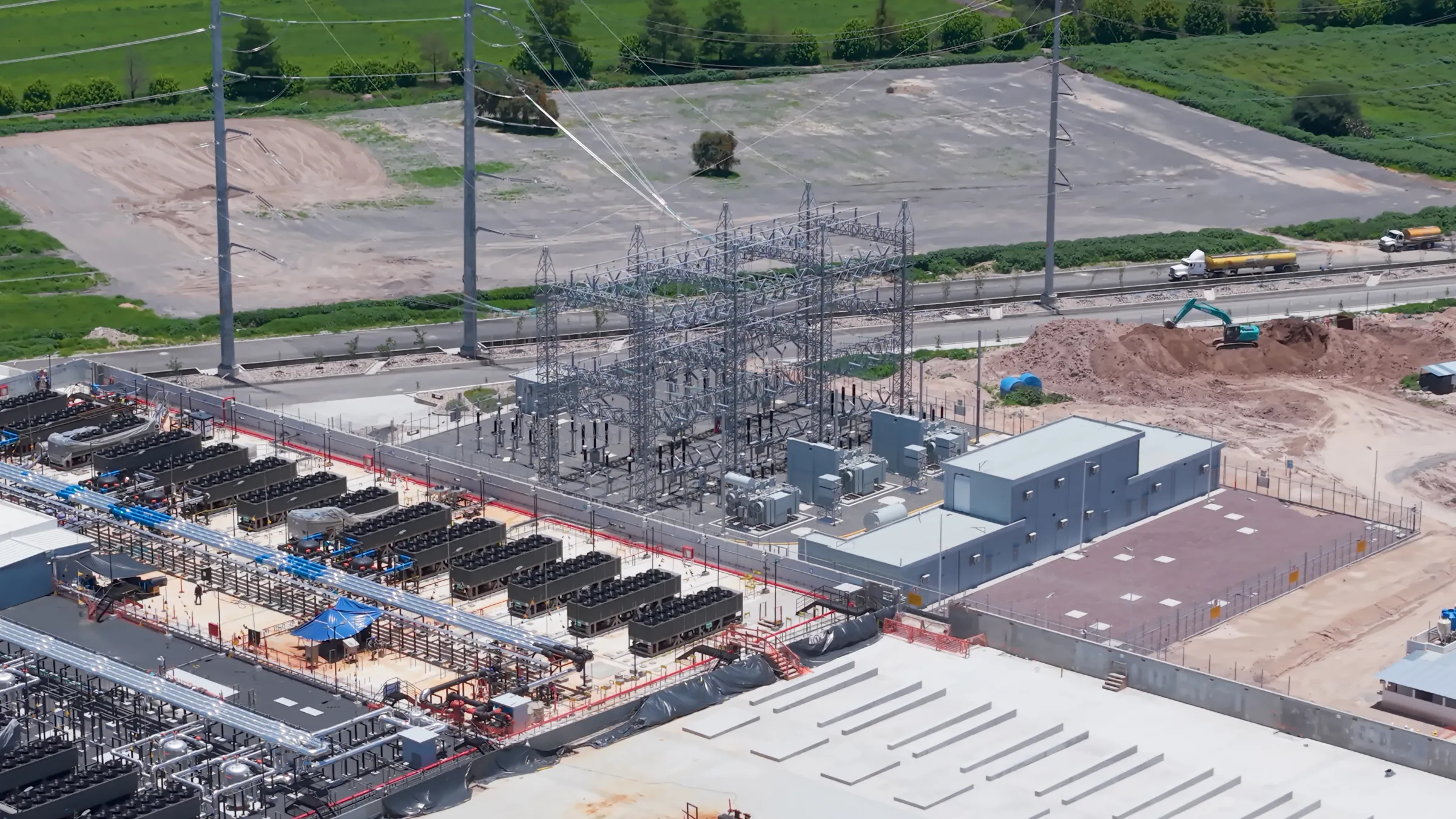
Drone shot of a electrical substation at a data centre in the municipality of Colón, Querétaro. July 25, 2025. Thomson Reuters Foundation/Miguel Tovar
Drone shot of a electrical substation at a data centre in the municipality of Colón, Querétaro. July 25, 2025. Thomson Reuters Foundation/Miguel Tovar
But worldwide the data centre industry is opaque.
Details of how much water and energy they require, or how many greenhouse gas emissions they release, are hidden in non-disclosure agreements with governments, omitted from sustainability reports, or are public but impossible to verify.
For two years, my colleague Fintan McDonnell and I have combed through hundreds of files on water concessions, council meetings, sustainability reports and public information requests.
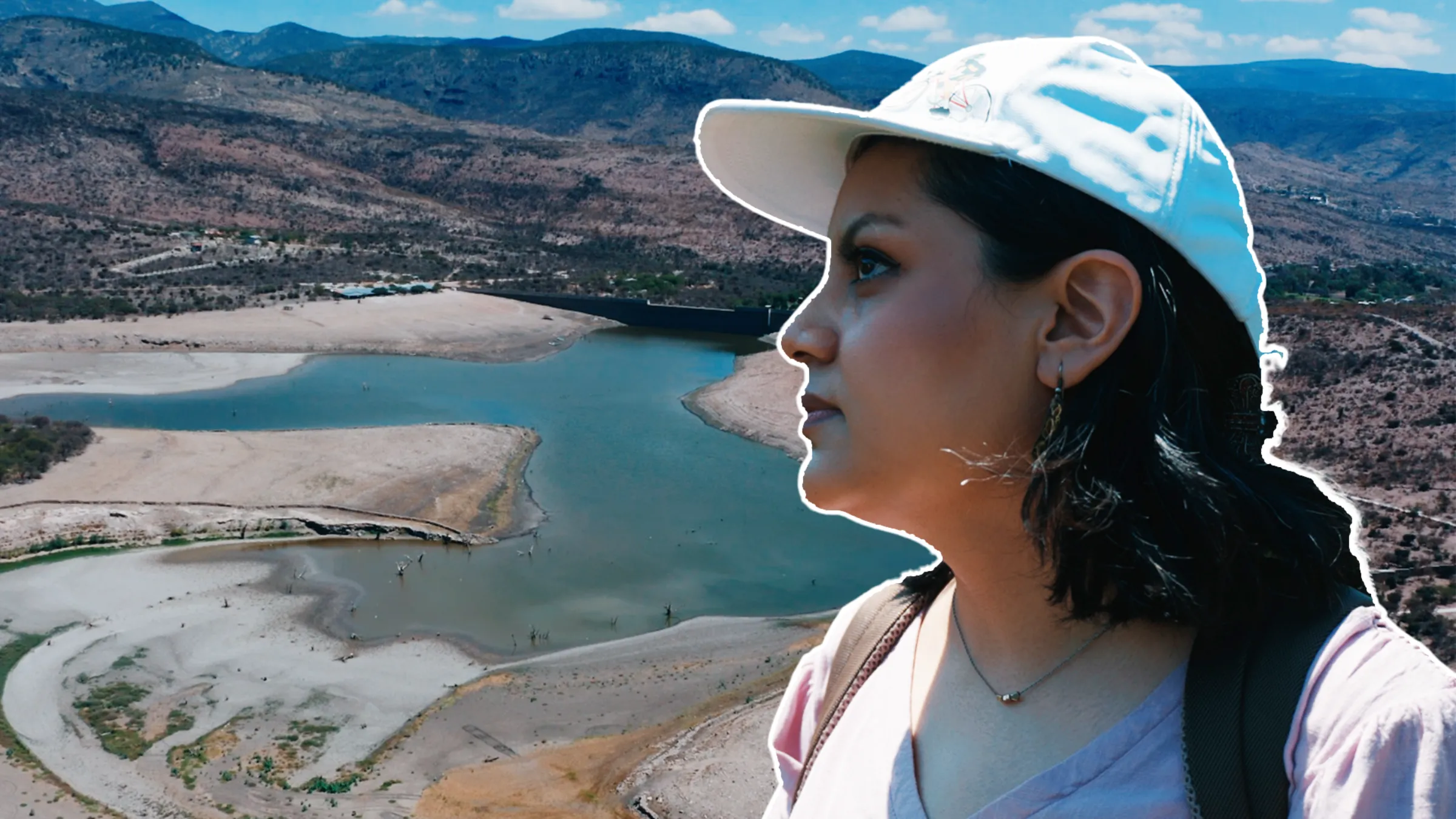
We spent months talking to activists, researchers and residents, trying to understand what life is like for those who live near a data centre.
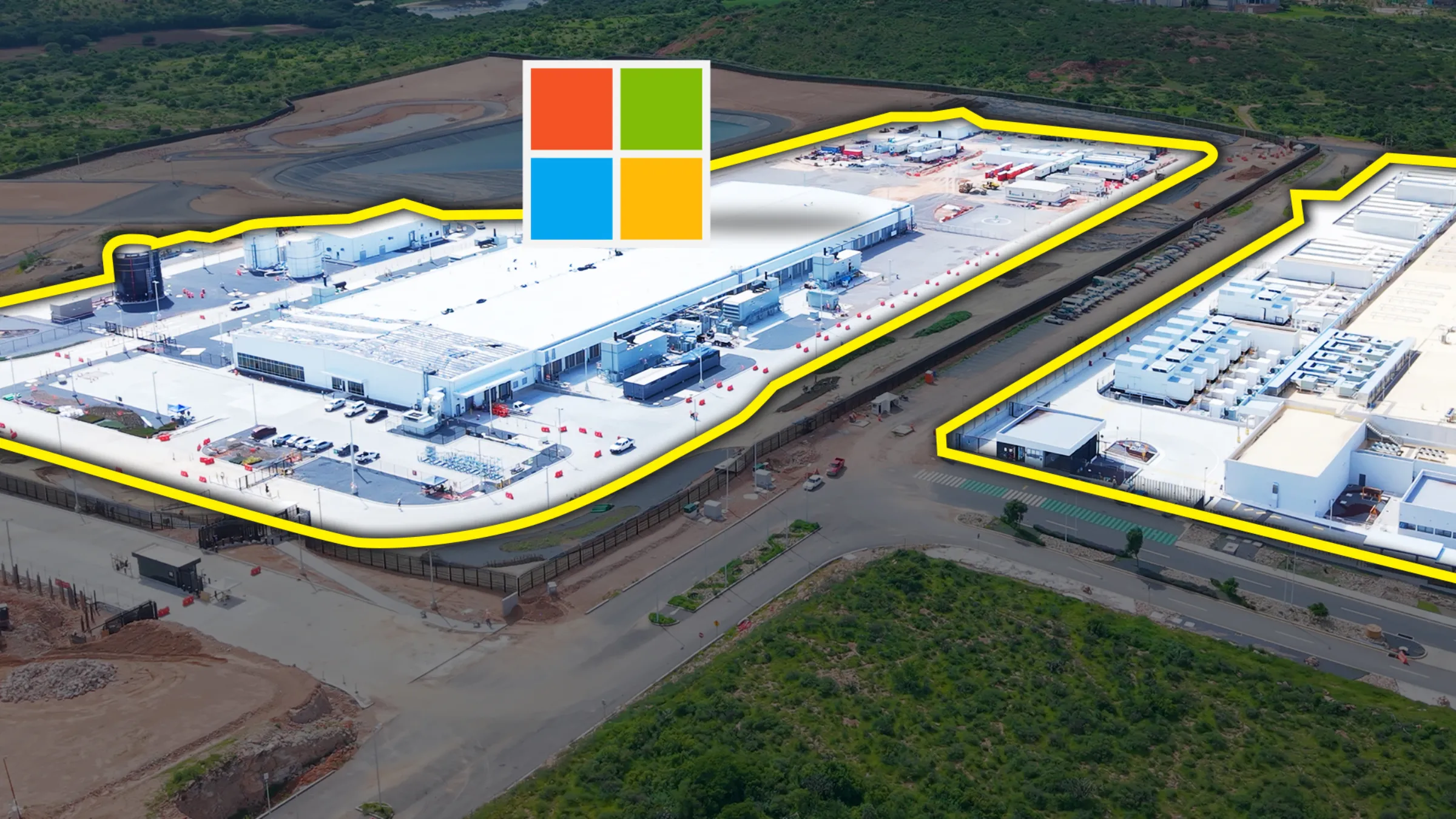
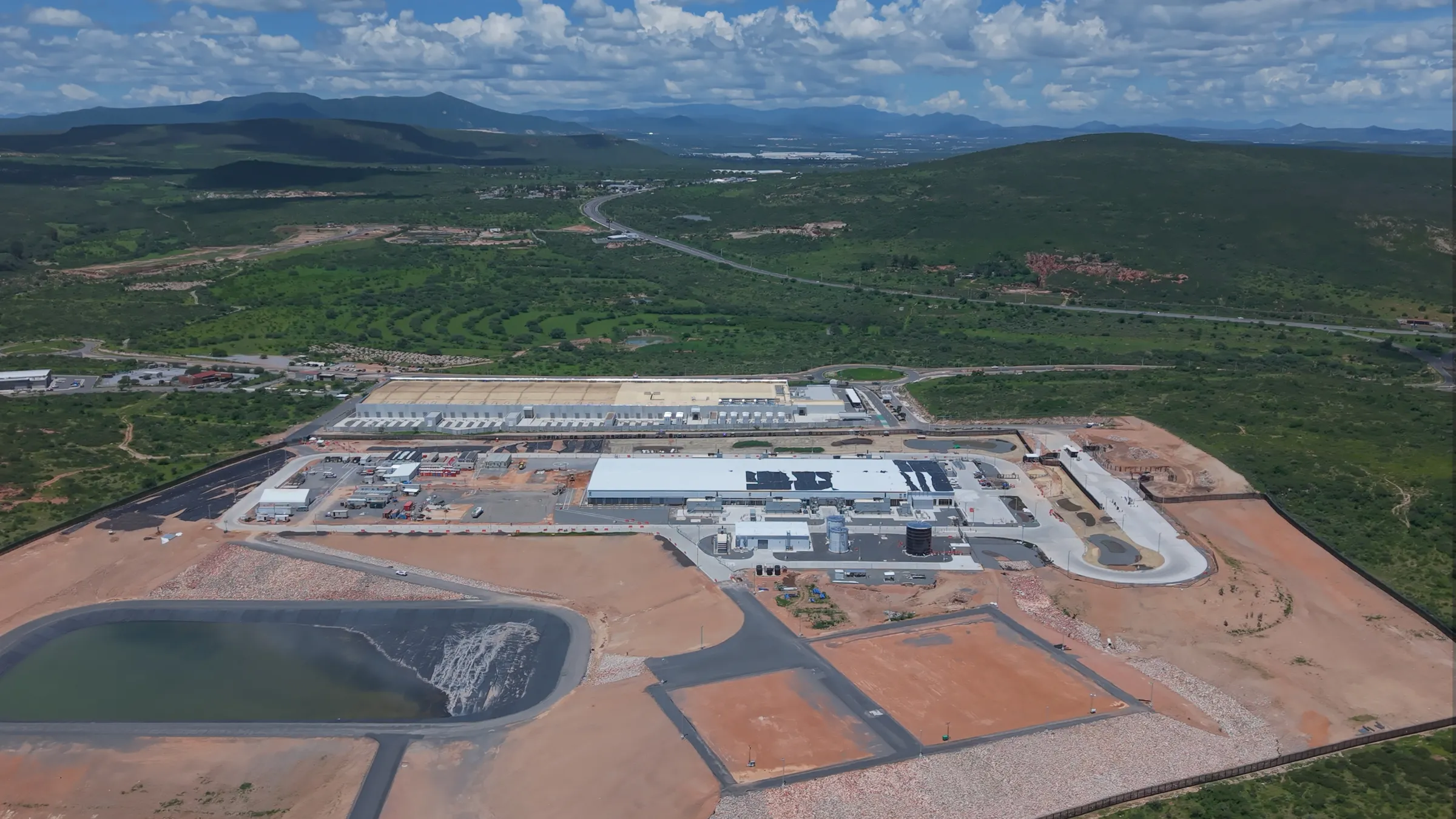
The Ascenty 2 data centre in Querétaro used by Microsoft in La Esperanza, Querétaro. July 27, 2025. Thomson Reuters Foundation/ Miguel Tovar
The Ascenty 2 data centre in Querétaro used by Microsoft in La Esperanza, Querétaro. July 27, 2025. Thomson Reuters Foundation/ Miguel Tovar
We found the opacity, extraction of scarce resources and tax breaks given to the industry in Querétaro are part of a playbook replicated around the world, from the United States to India.
In these series of stories and videos, we explore the impact of data centres in Querétaro and Big Tech’s unfulfilled promises.