Context is powered by the Thomson Reuters Foundation Newsroom.
Our Standards: Thomson Reuters Trust Principles



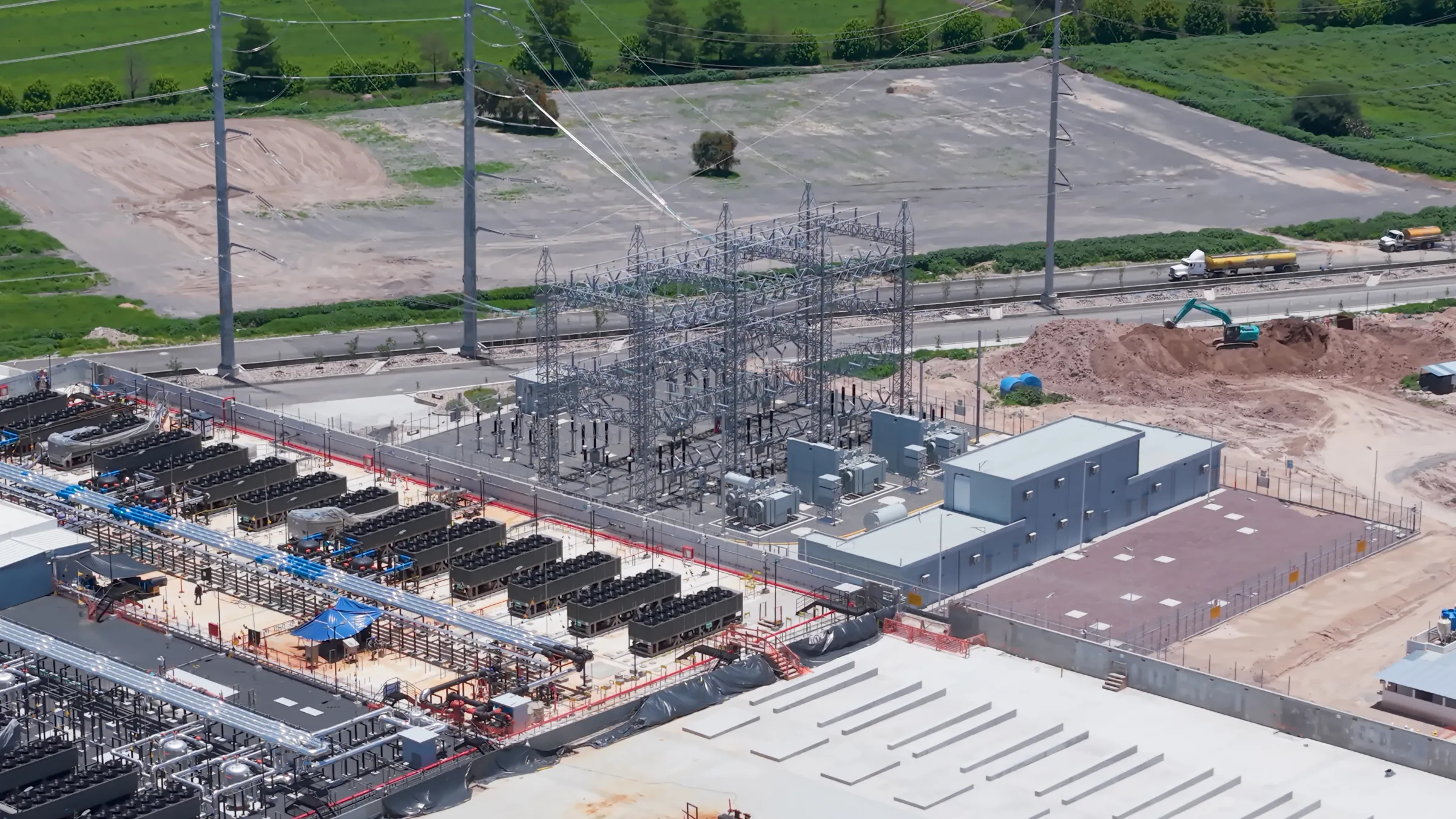
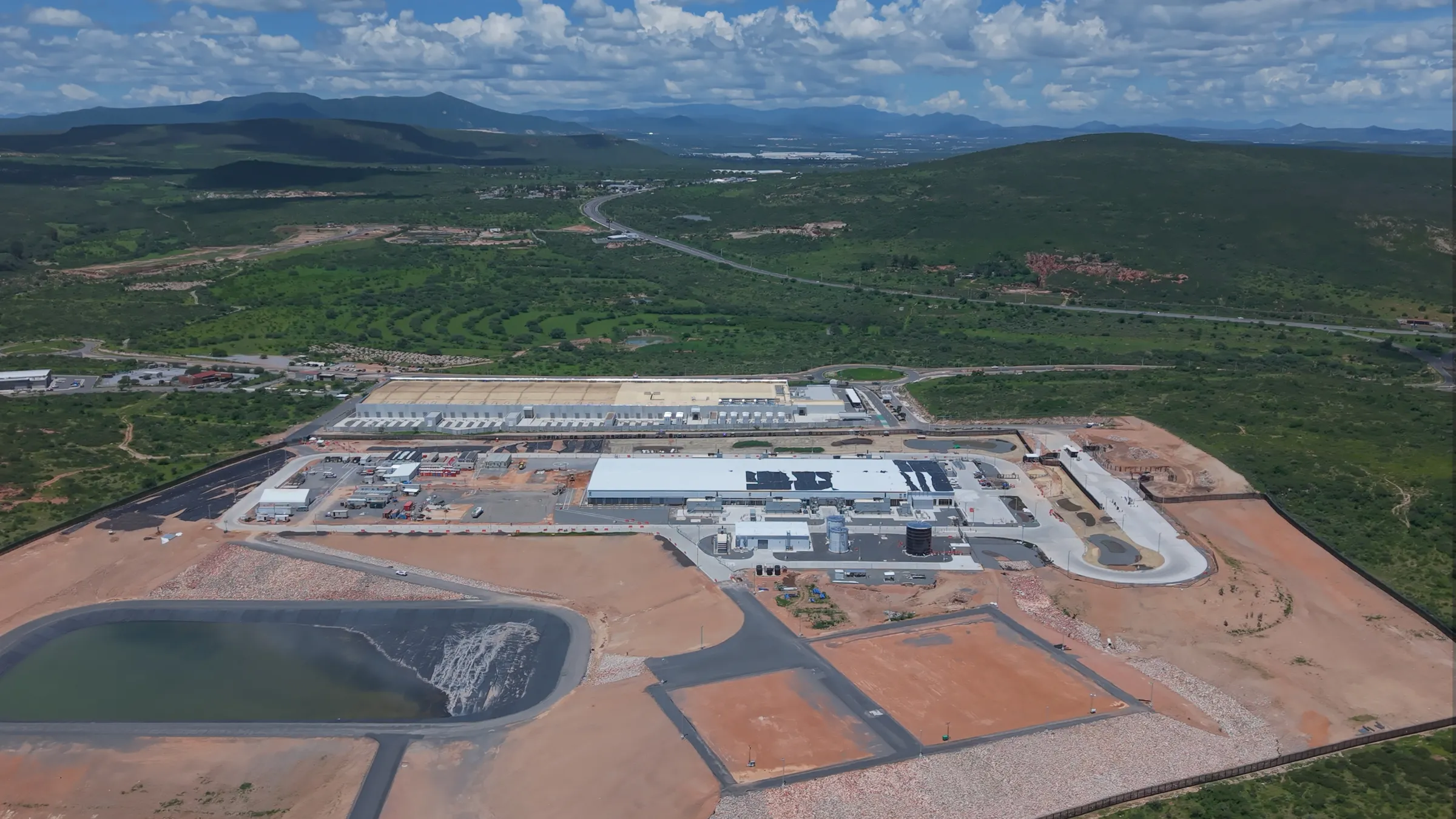
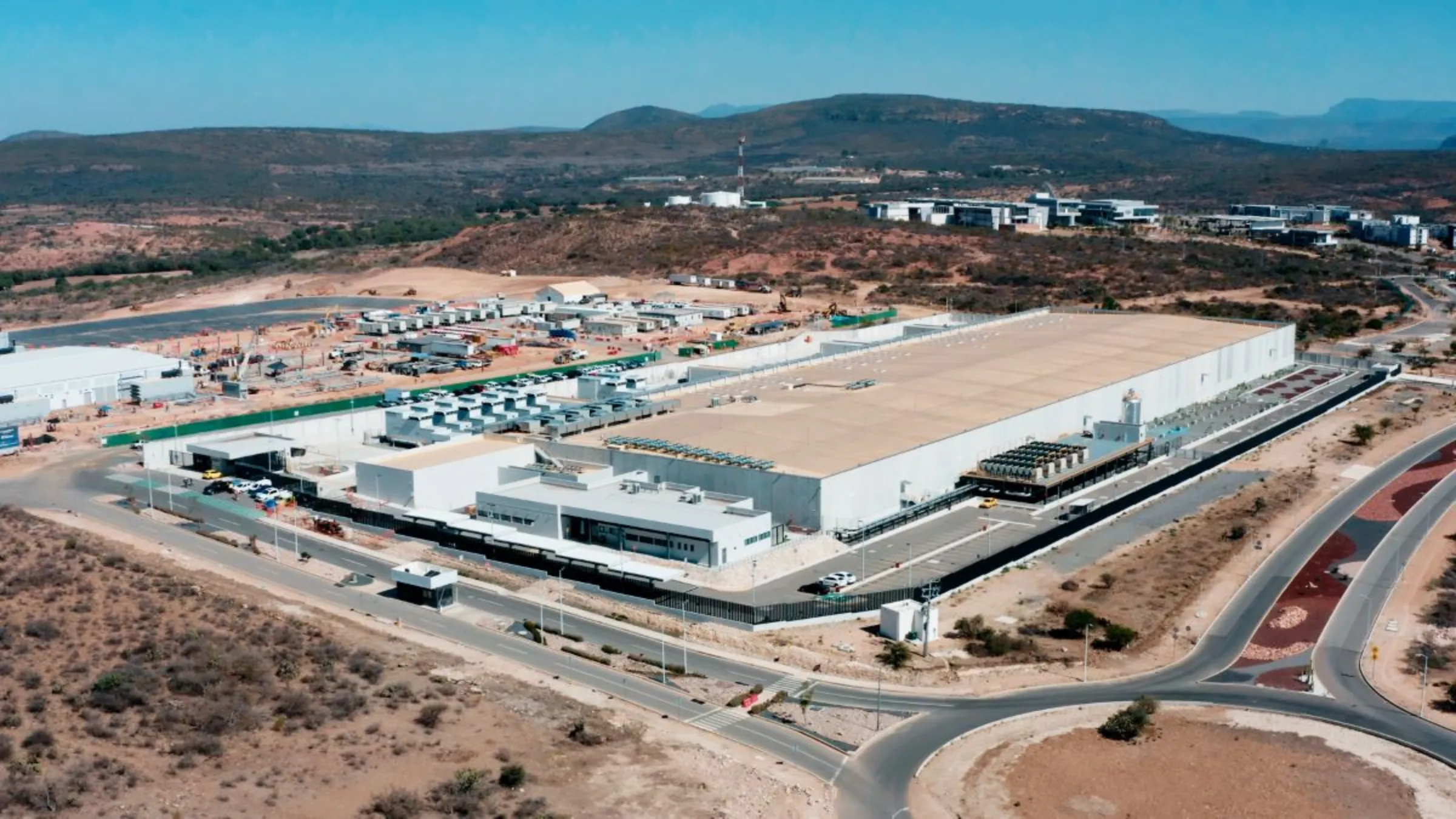
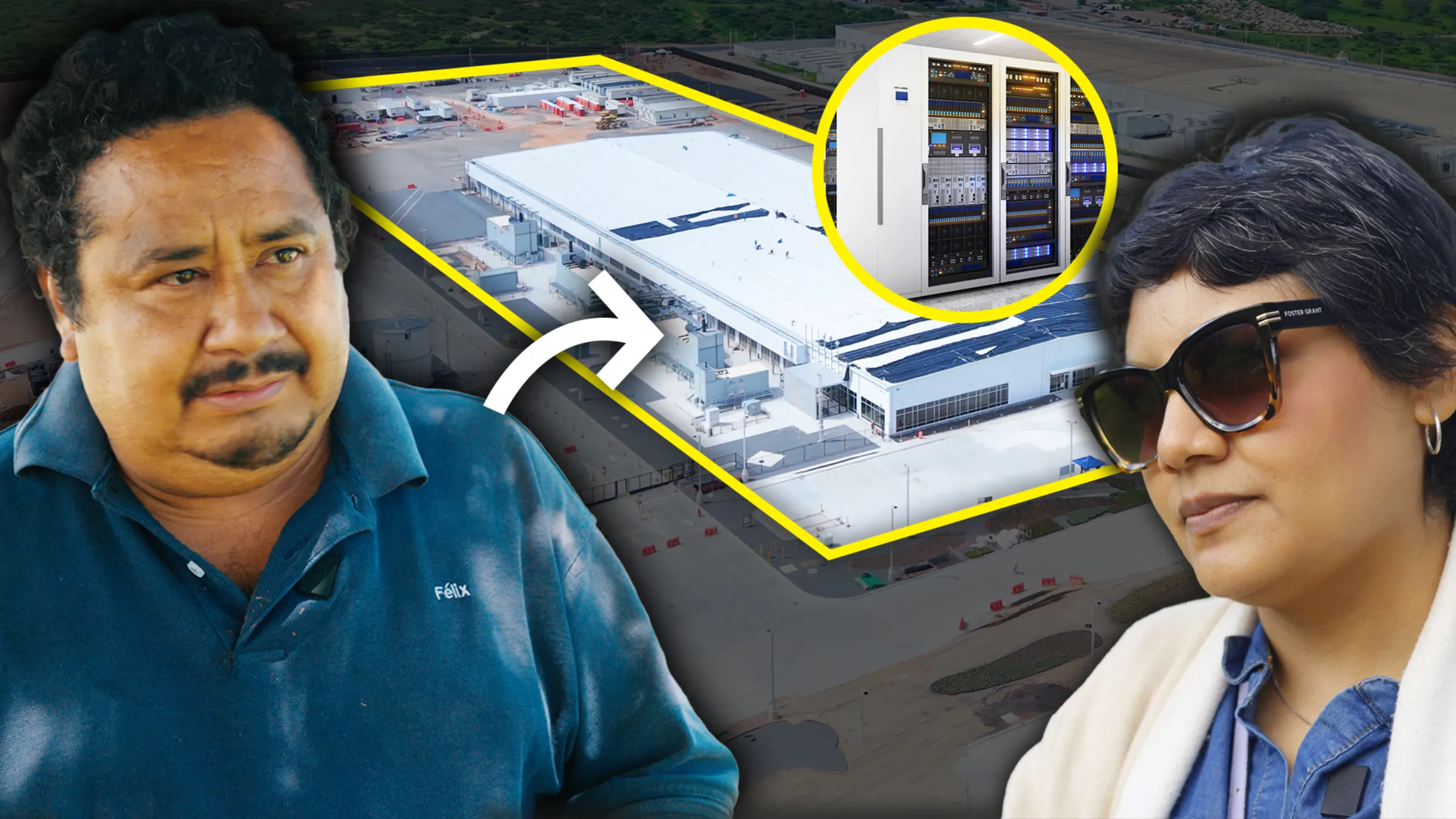
Drone shot of a electrical substation at a data centre in the municipality of Colón, Querétaro. July 25, 2025. Thomson Reuters Foundation/Miguel Tovar
A boom in U.S. data centres is devouring fossil fuels in Mexico - and hitting locals with power cuts and pollution.
QUERETARO, Mexico - Mexico is attracting ever more sprawling data centres but a shortage of renewable energy means Big Tech is pumping oil, firing up gas generators and using diesel to fuel the global boom in artificial intelligence (AI).
The shortfall in green power - despite pledges by industry and government to grow capacity - has overloaded the country's existing power infrastructure and exacerbated local pollution.
"It's a lot easier to just pump more oil than it is to get an entire industrial-sized solar system built quickly,” said Masheika Allgood, founder of AllAI Consulting, which informs on the environmental impact of data centres.
A Context investigation has found that renewable energy infrastructure in Mexico is not growing anywhere near fast enough to meet the rising demands of AI, forcing companies in Querétaro state, epicentre of the boom, to rely on fossil fuels.
Warehouses the size of Olympic arenas, the data centres sprawl across industrial parks, homing hundreds of energy-guzzling servers that power some of the biggest names in technology: companies like Microsoft, Google and Amazon.
The same companies that once promised to power all their data centres by direct renewable energy by 2025.
Microsoft has acknowledged in an environmental report reviewed by Context that the energy infrastructure it needs would take years to build.
While it waits on that connection to Mexico's struggling grid, one Microsoft data centre alone uses seven natural-gas generators to supply 10.5 megawatts (MW) a year, the report said.
Querétaro state is leading the data-centre boom, with demands for 200 MW of energy unleashing a rush to update infrastructure, Marco del Prete, Querétaro's Secretary of Sustainable Development, told Context.
"Data centres arriving to Querétaro are investing in transmission and distribution infrastructure to somehow alleviate the strain in the grid," said del Prete.
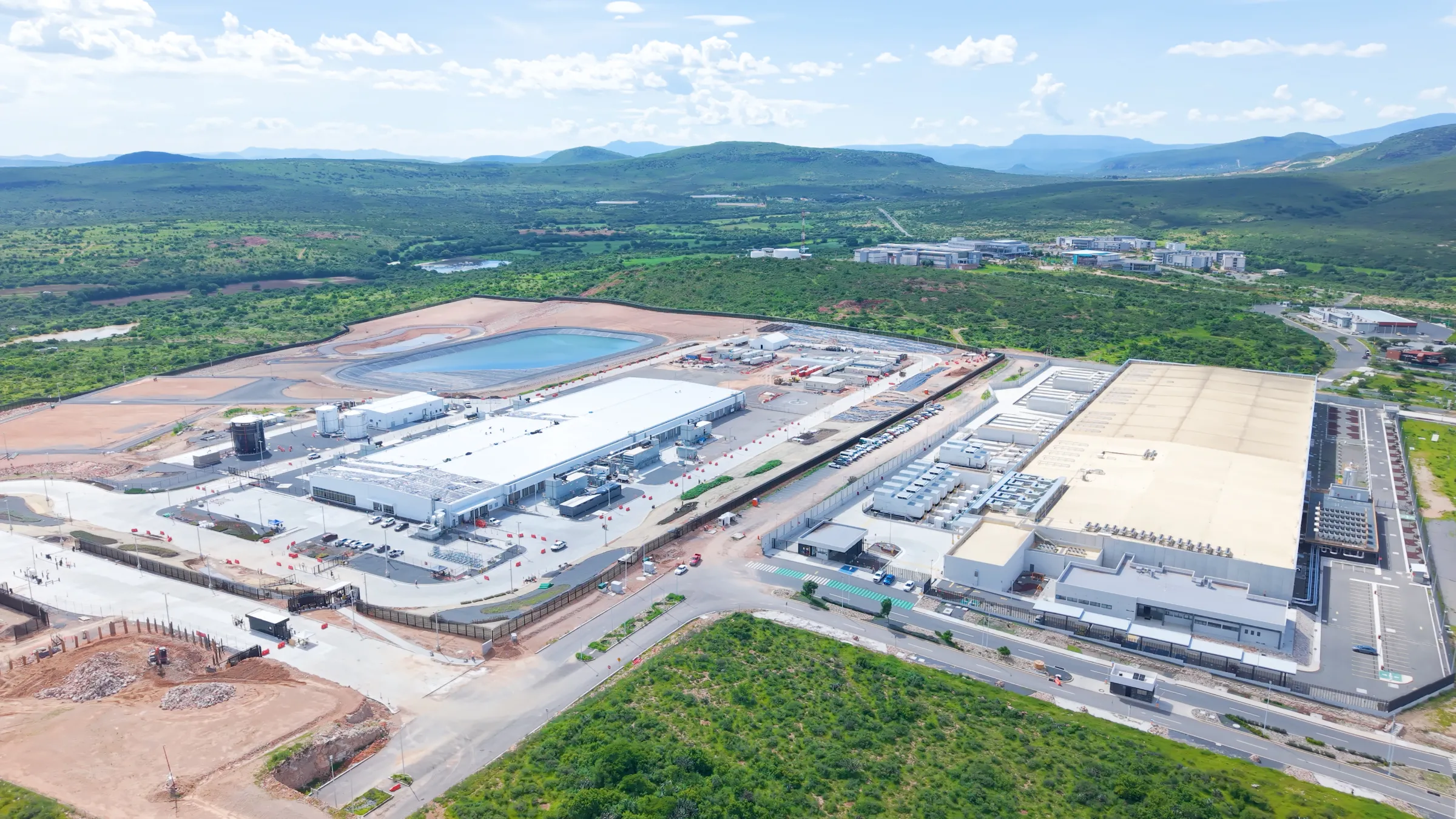
Drone shot of Ascenty 2, a data centre operated by Microsoft in the community of La Esperanza, Querétaro. July 25, 2025. Thomson Reuters Foundation/Miguel Tovar
Drone shot of Ascenty 2, a data centre operated by Microsoft in the community of La Esperanza, Querétaro. July 25, 2025. Thomson Reuters Foundation/Miguel Tovar
By 2030, the data centre sector in Mexico expects to need 1.5 gigawatts (GW) of power, said Adriana Rivera, director of the Mexican Association of Data Centres, an industry group.
This would eat up 5% of all new energy capacity that Mexico plans to build by 2030, according to the latest national energy plan.
Microsoft’s environmental report said grid connection would not be ready until 2027, so natural gas generators were an "accessible and efficient" temporary solution.
The generators emit less CO2 than other fossil fuels, the report said, matching the annual emissions of 2,180 gasoline-powered cars.
In a statement to Context, Microsoft said their data centres in Mexico rely on grid power as their main source of energy and only use backup generators in emergencies.
President Claudia Sheinbaum has said that investment in solar energy will drive yet more data centres into Mexico, where 77% of energy was generated by fossil fuels in 2024, according to government data.
In 2023, the Mexican Data Centre Association made a series of bold commitments for the booming industry, among them the pledge to grow renewables into their main source of energy.
It did not set a deadline for the goal.
Microsoft has a goal to reach 100% direct renewable electricity by 2025 for all operations and says it has power purchase agreements for renewable energy across 24 countries.
Other Big tech firms such as Amazon say they have reached their goal to match all of the electricity consumed across their global operations by purchasing renewable energy projects.
But the extent to which data centres themselves will transition to renewable energy is uncertain, even if the country increases its clean energy infrastructure.
They already struggle with a poor energy infrastructure that saddles locals with frequent power cuts and rising pollution.
The Mexican Energy Secretary saw the strain coming, warning in its 2024-2037 national electric system program of a rise in electricity demand "boosted by data centre expansion".
"Mexico has the potential to produce much more energy...but the distribution and transmission networks, for several years, haven't had the necessary modernisation," Rivera, who represents nine in 10 Mexican data centre companies, told Context.
"We'll probably never stop depending on fossil energy because the stability of power... is very high."
Data centres require stable, uninterrupted access to electricity to safeguard critical infrastructure and services - such as hospitals, banks and airports - and need huge quantities of energy and water to stop their servers overheating.
The industry projects 100 data centres will be built in Mexico by 2030.
But the country's renewable energy infrastructure is already lagging demand, according to Rivera, and will require new tech to inject the stability that is so critically needed.
Technologies such as battery storage help fill a void when the wind stops or sun goes down, but are yet to reach scale.
In October, the Mexican government issued an infrastructure plan to add 28 GW by 2030, from which 80% would come from renewable sources – mainly solar energy.
By 2030, the goal is for 38% of all energy generated in Mexico to come from renewable and clean sources such as hydroelectric or geothermal power, according to the plan.
But the data centre industry is not waiting - bringing in bigger and ever more energy-intensive projects.
"First, we need to establish ourselves as an industry. We need to make the electrical grid more robust... and then, later, migrate towards clean energy schemes,” said Rivera.
Examples of business goals trumping environmental commitments seem plentiful.
In September, U.S. tech firm CloudHQ announced an investment of $4.8 billion to build a data complex that will run on 900 MW – the country's biggest so far.
In a press conference with the president, Keith Harney, CloudHQ's chief operating officer, said clean energy is important but "sometimes doesn't have the speed we need".
The story unfolding in Mexico, essentially a tug of war between the fast-growing demands of AI and its impact on climate change, is replicated round the world.
Demand for data centres is accelerating fossil fuel energy use, even as the world pledges to cut back, said Tamara Kneese, director of the Climate, Technology and Justice Program at the Data and Society Research Institute, an independent nonprofit.
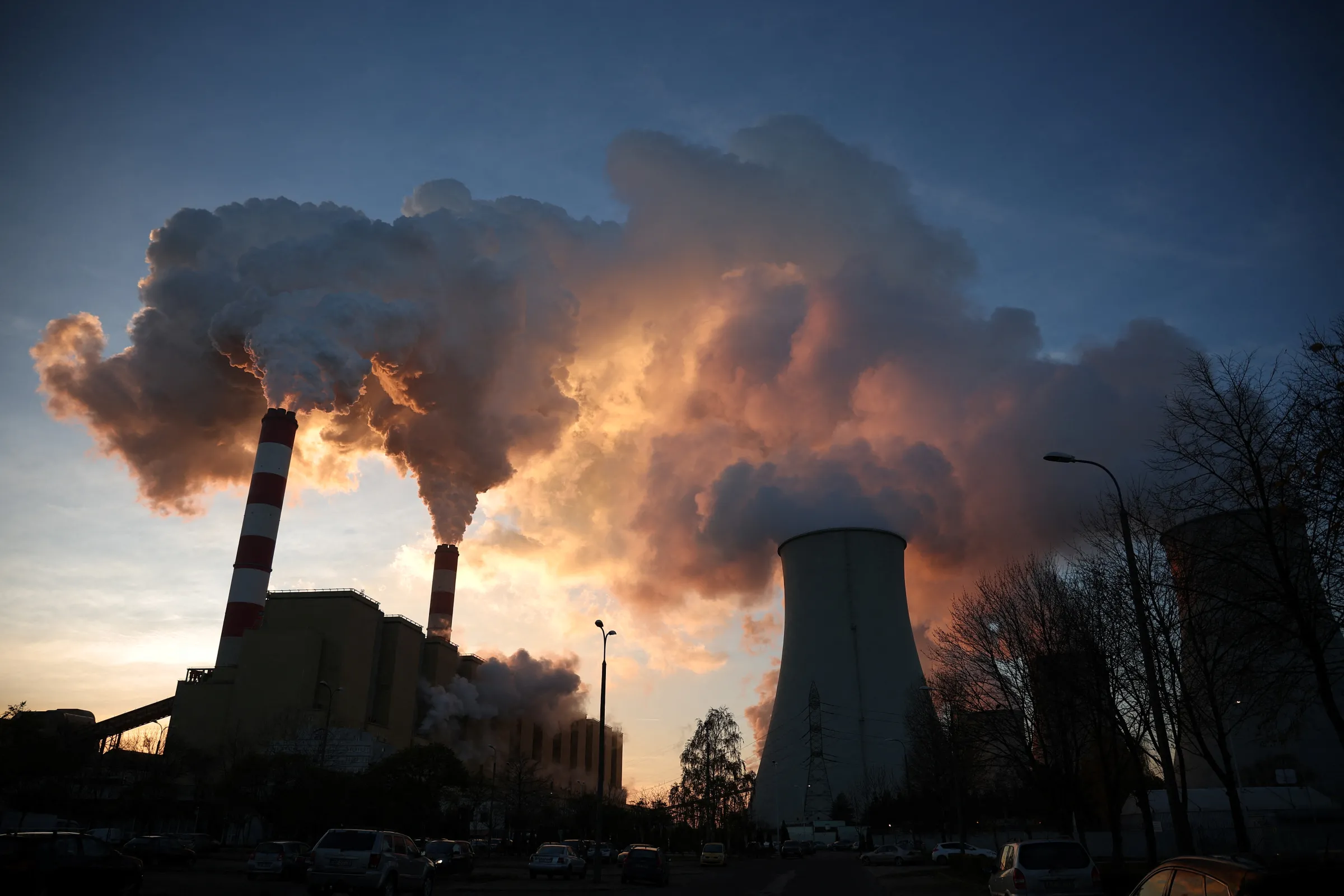
In the United States, President Donald Trump has issued executive orders to shore up the heavily-polluting coal industry, with an eye to meeting the needs of new data centres.
Fossil fuels such as coal and natural gas supply around 56% of the electricity consumed by data centres globally; renewables supply 27%, according to the International Energy Agency (IEA).
Data centres also use diesel or natural gas generators as their main energy source or else as a backup during power cuts, said Allgood of AllAI Consulting.
Mexico has exempted data centres sited in industrial parks from issuing environmental impact reports, so exact emission levels for the warehouses in Querétaro remain a mystery.
"It's very hard to hold anyone accountable when you don't even know what the deal is," said Kneese.
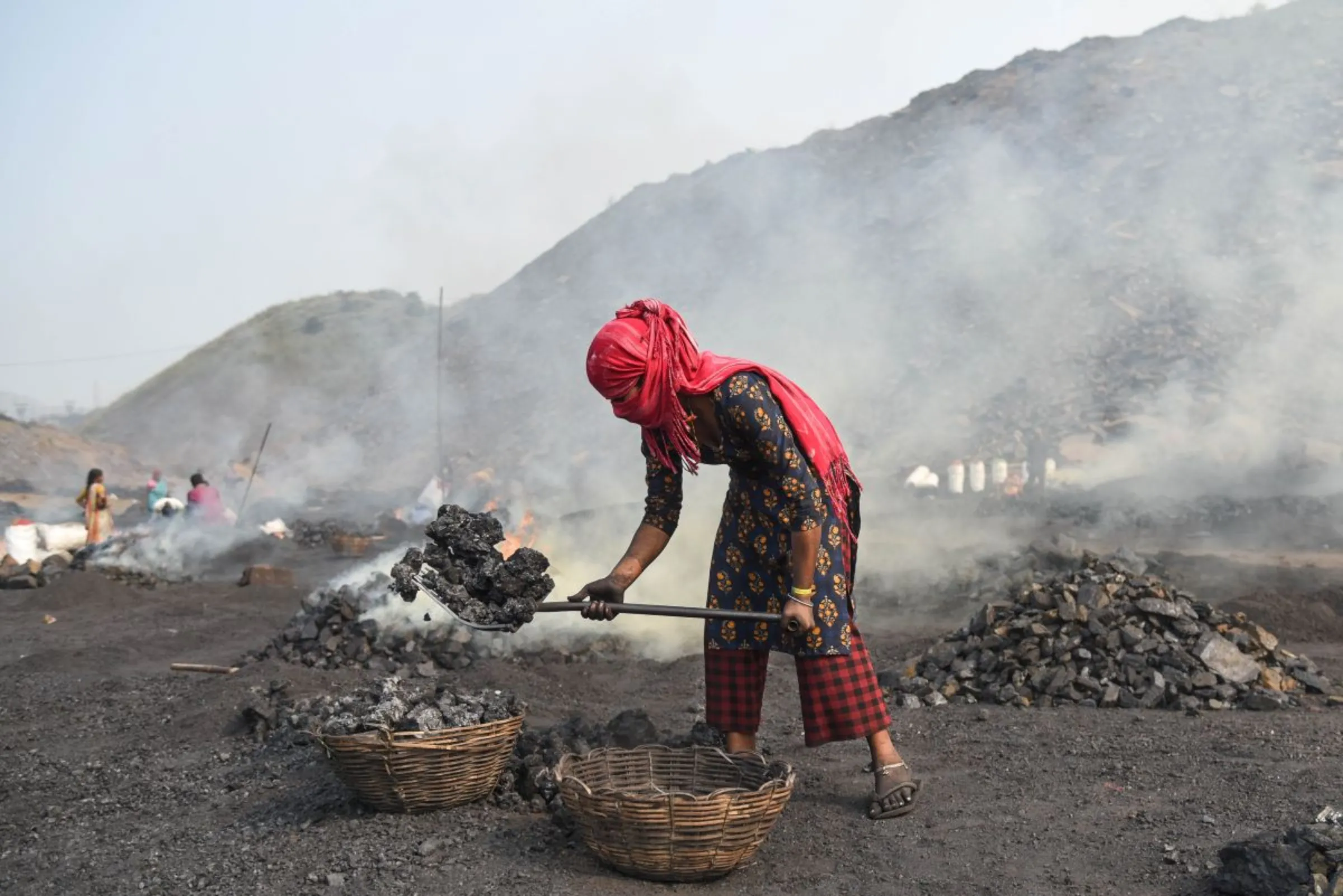
As she said, countries may promise to ramp up their clean energy output, but "in the meantime, we are relying on incredibly dirty and destructive energy sources."
(Reporting by Diana Baptista and Fintan McDonnell. Editing by Lyndsay Griffiths and Jack Graham.)
Context is powered by the Thomson Reuters Foundation Newsroom.
Our Standards: Thomson Reuters Trust Principles