

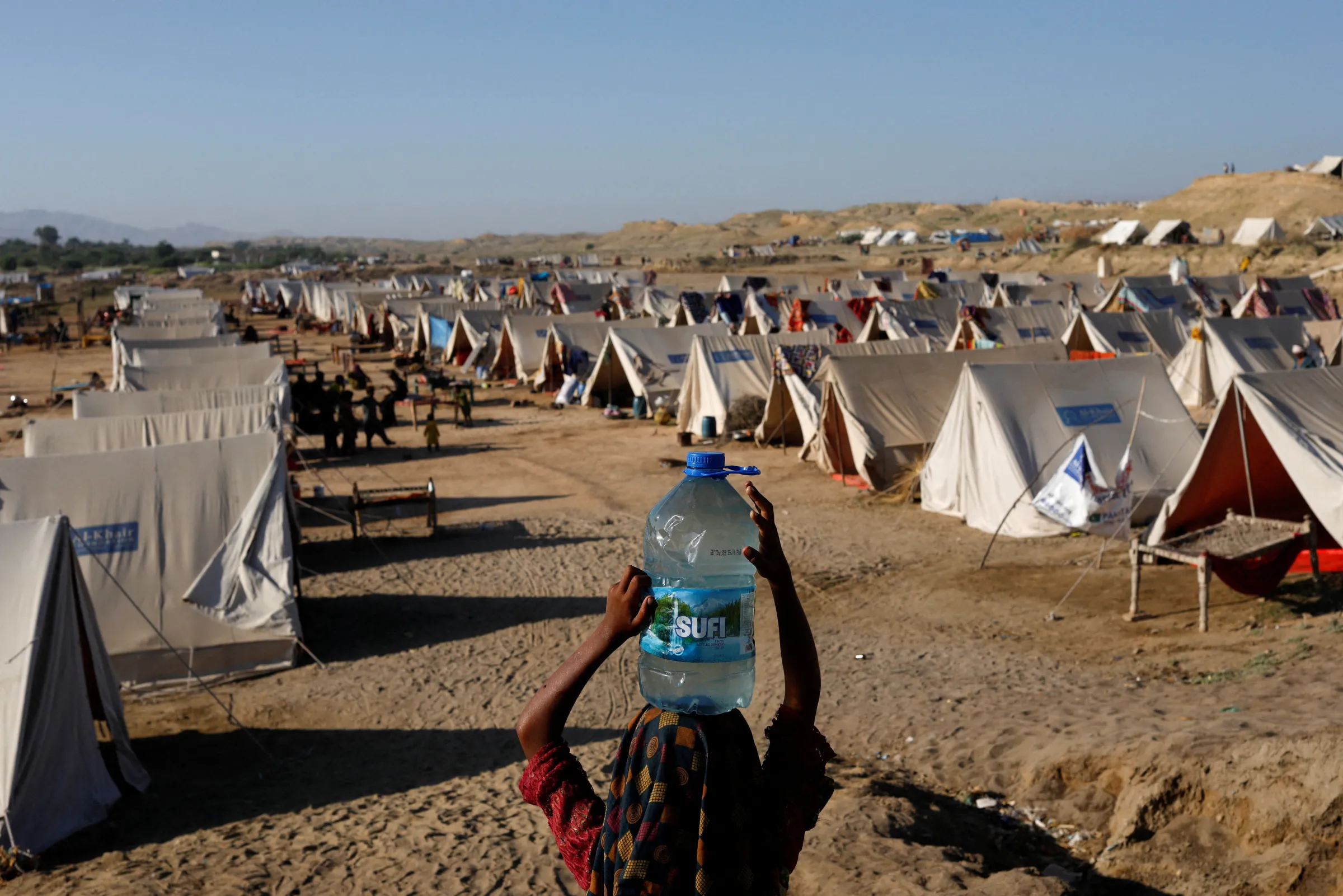
What happens at 1.5C?
Published: May 31, 2023Global temperatures have risen more than 1.2 degrees Celsius (2.2 Fahrenheit) since preindustrial times and are now swiftly approaching a 1.5C of warming mark that scientists fear could herald a transition to far costlier and deadlier climate change impacts.
With fossil fuel use still rising globally, despite pledges to slash emissions, there is now a two-thirds chance that 1.5C of warming – the more ambitious limit set in the 2015 Paris Agreement – will be passed at least temporarily within five years.
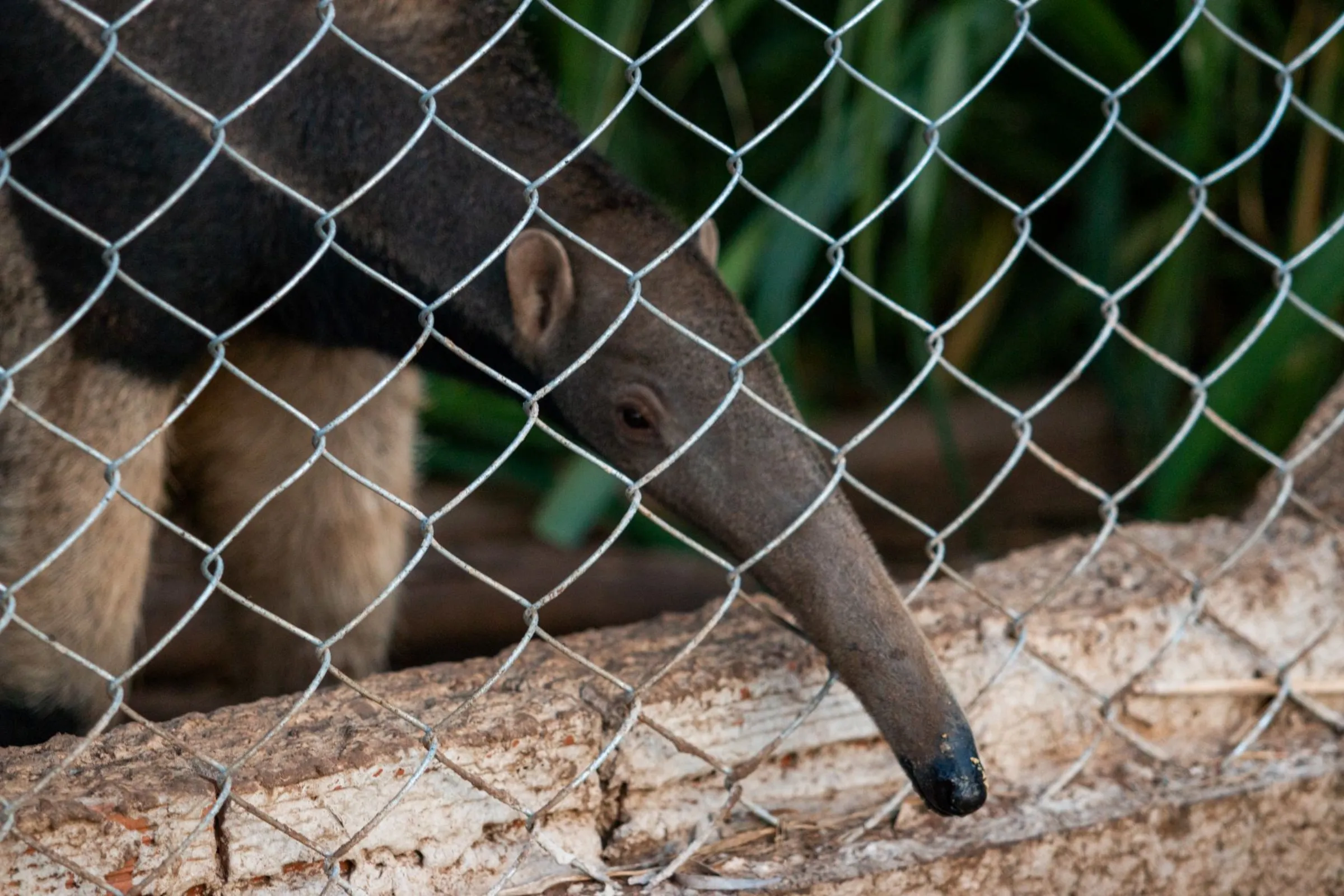
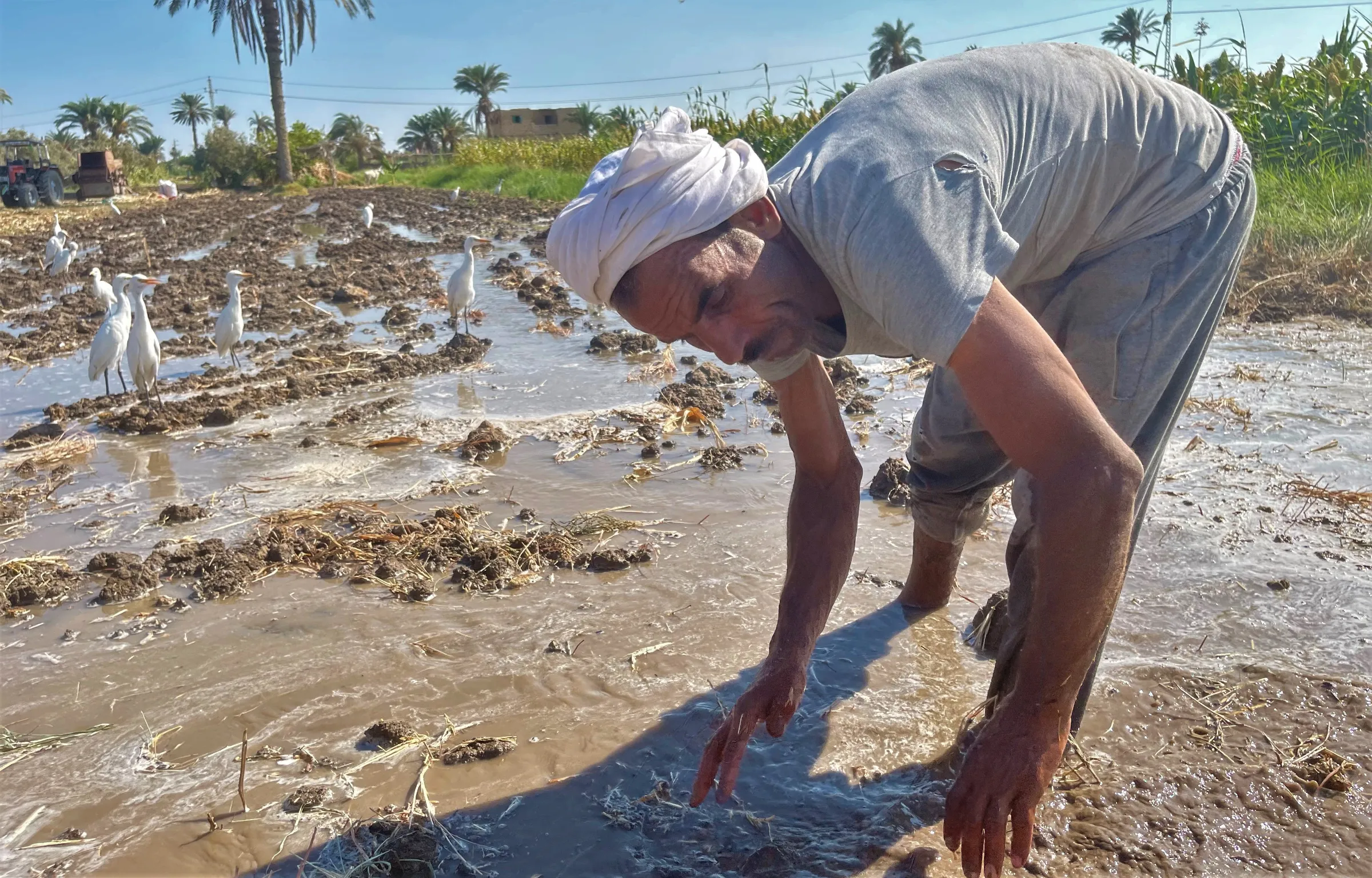
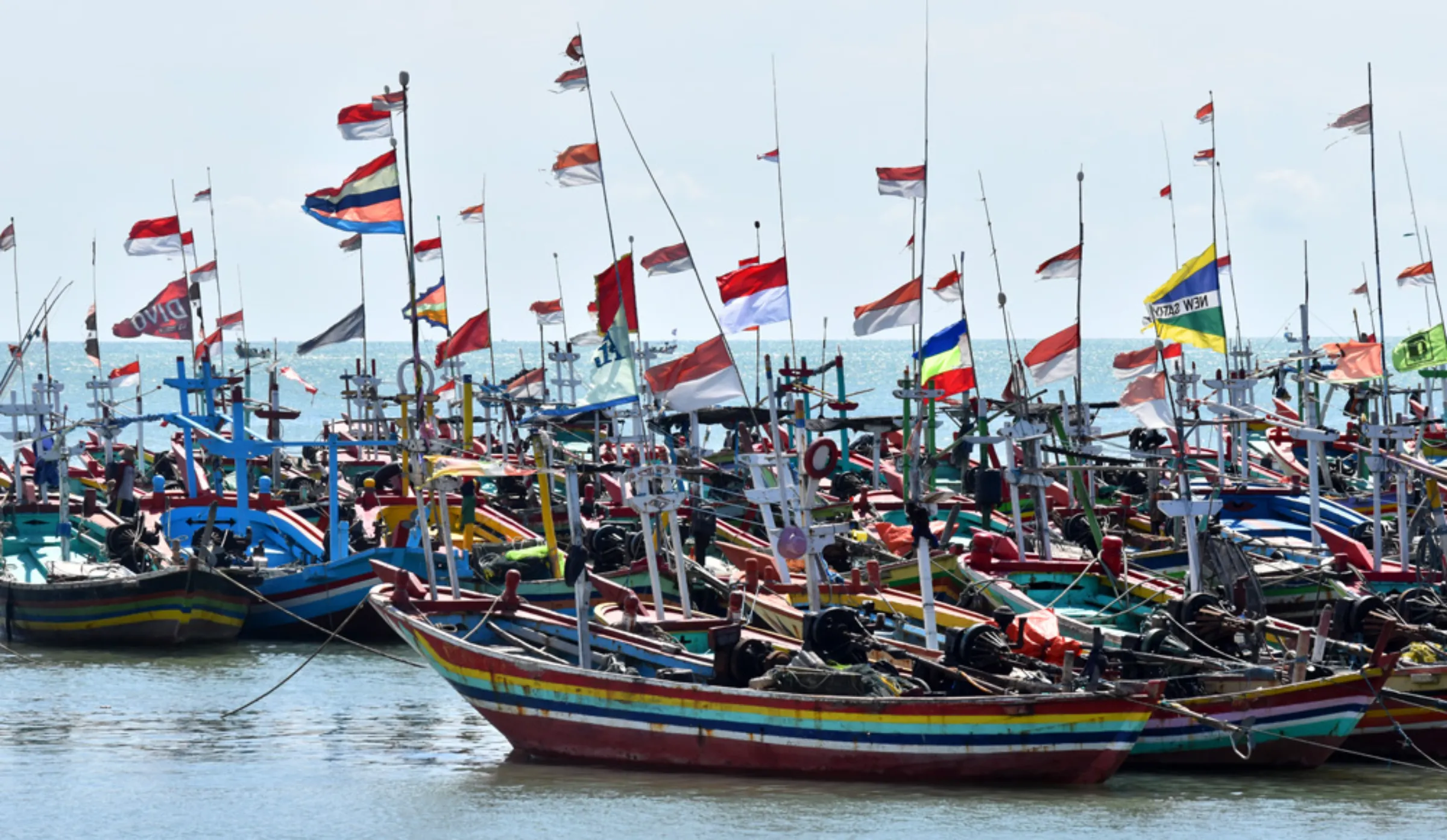
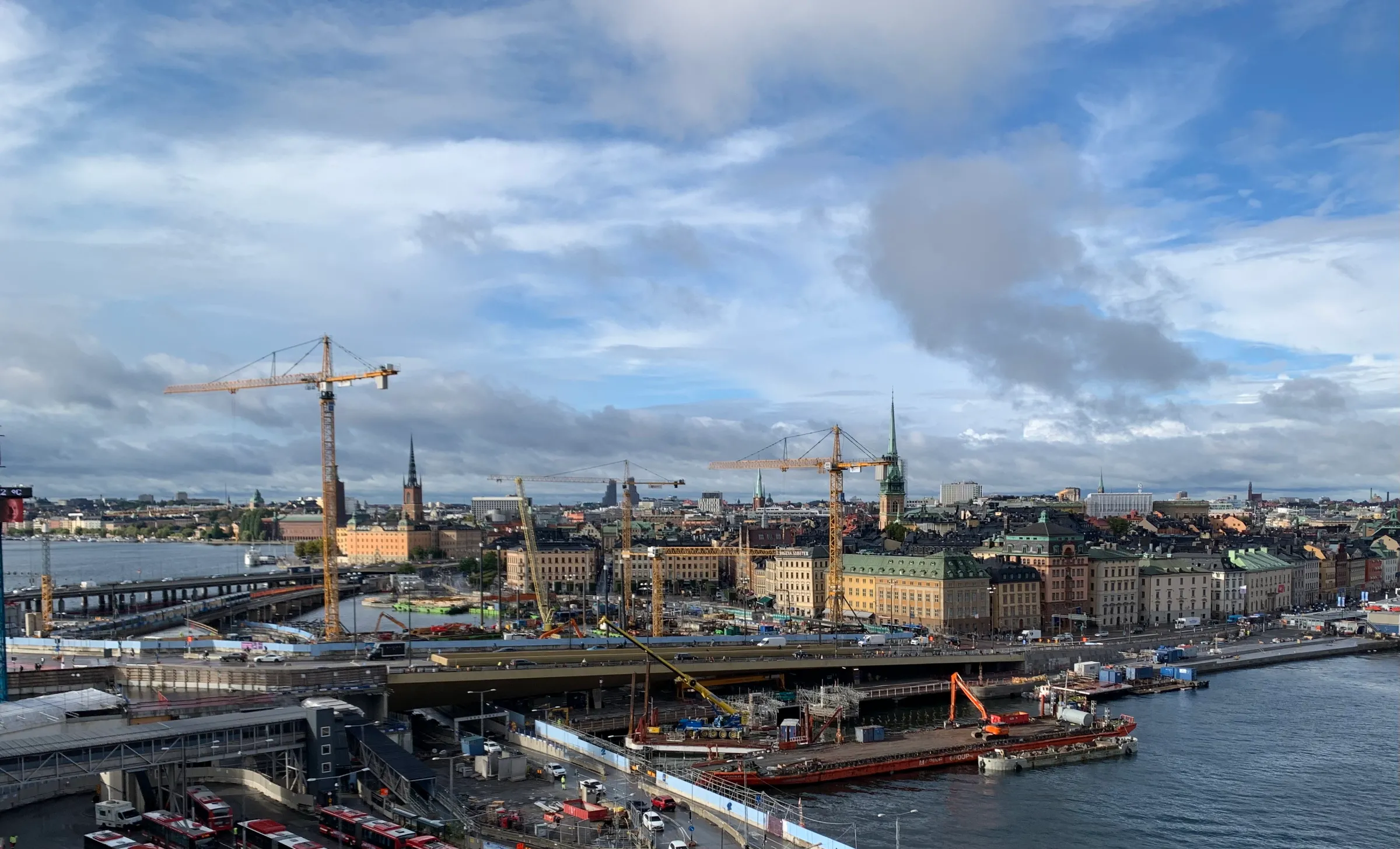
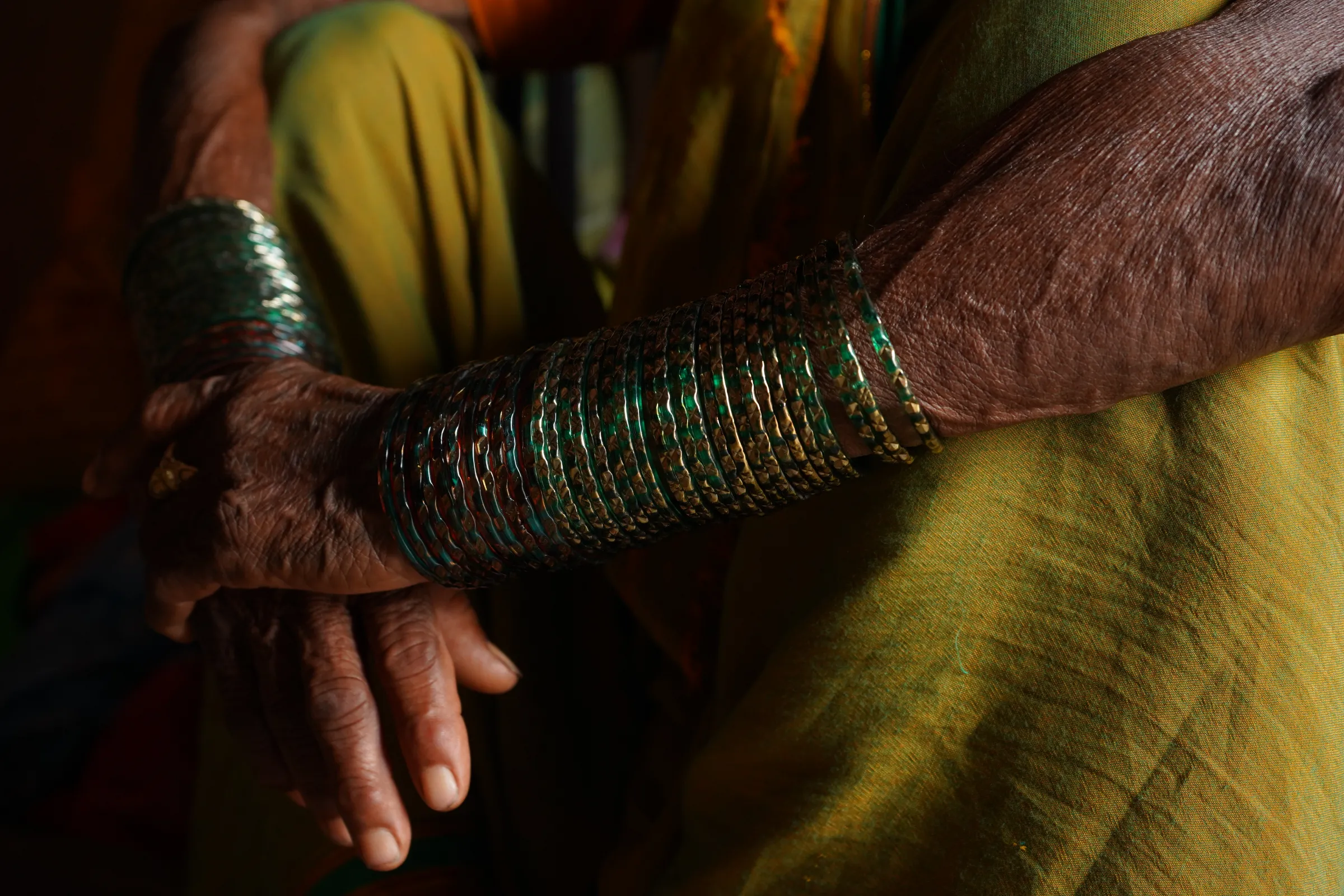
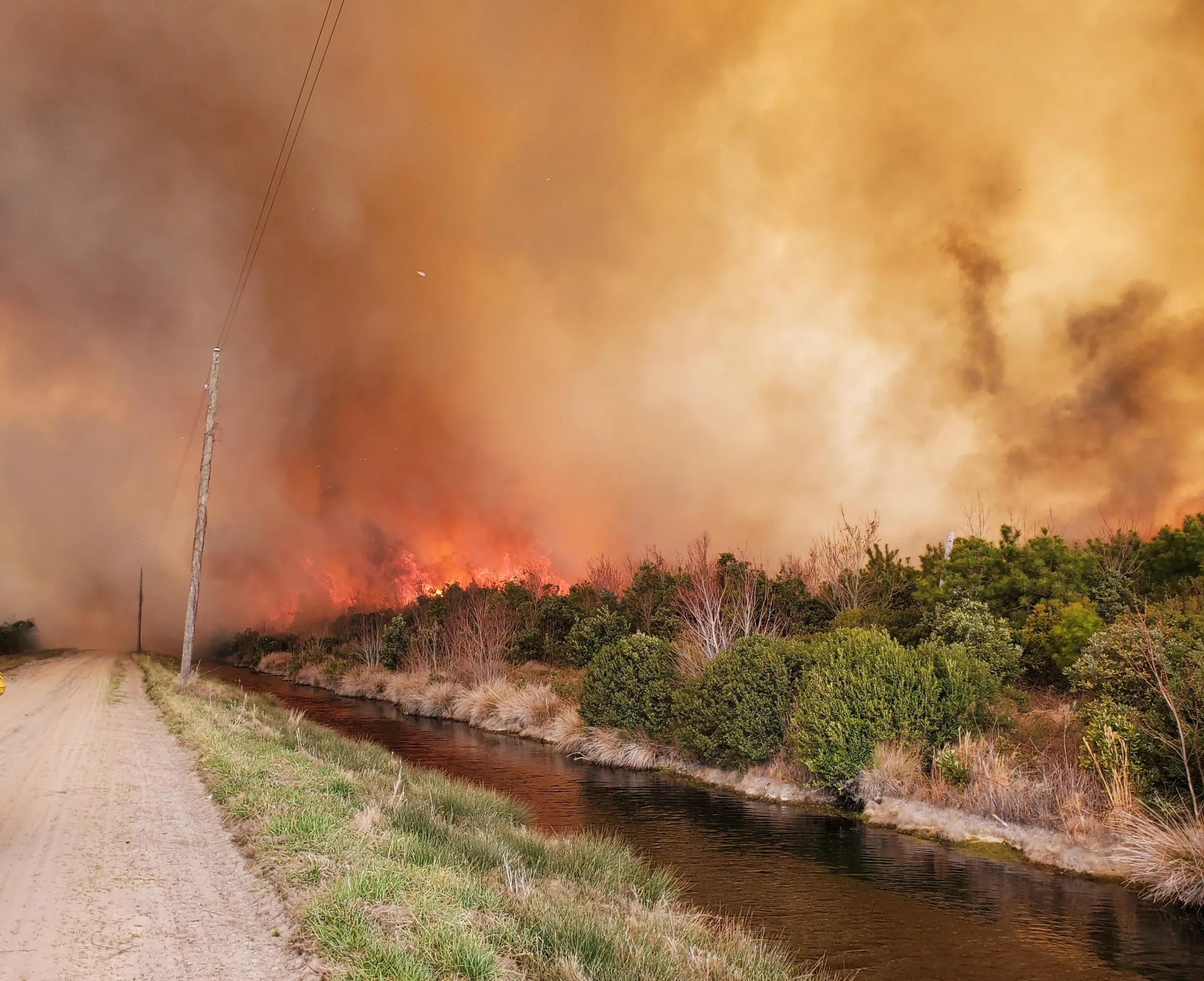
What would that look like for people and communities around the world? Our collection, ‘What happens at 1.5C?’, takes a look, from Indonesia to Sweden, Brazil to the U.S. East Coast.
Latest
More In Focus
Updated: February 11, 2026

Updated: December 12, 2025
Updated: November 06, 2025
Updated: February 11, 2026
Updated: December 12, 2025
Updated: November 06, 2025
Updated: November 04, 2025