
What’s the context?
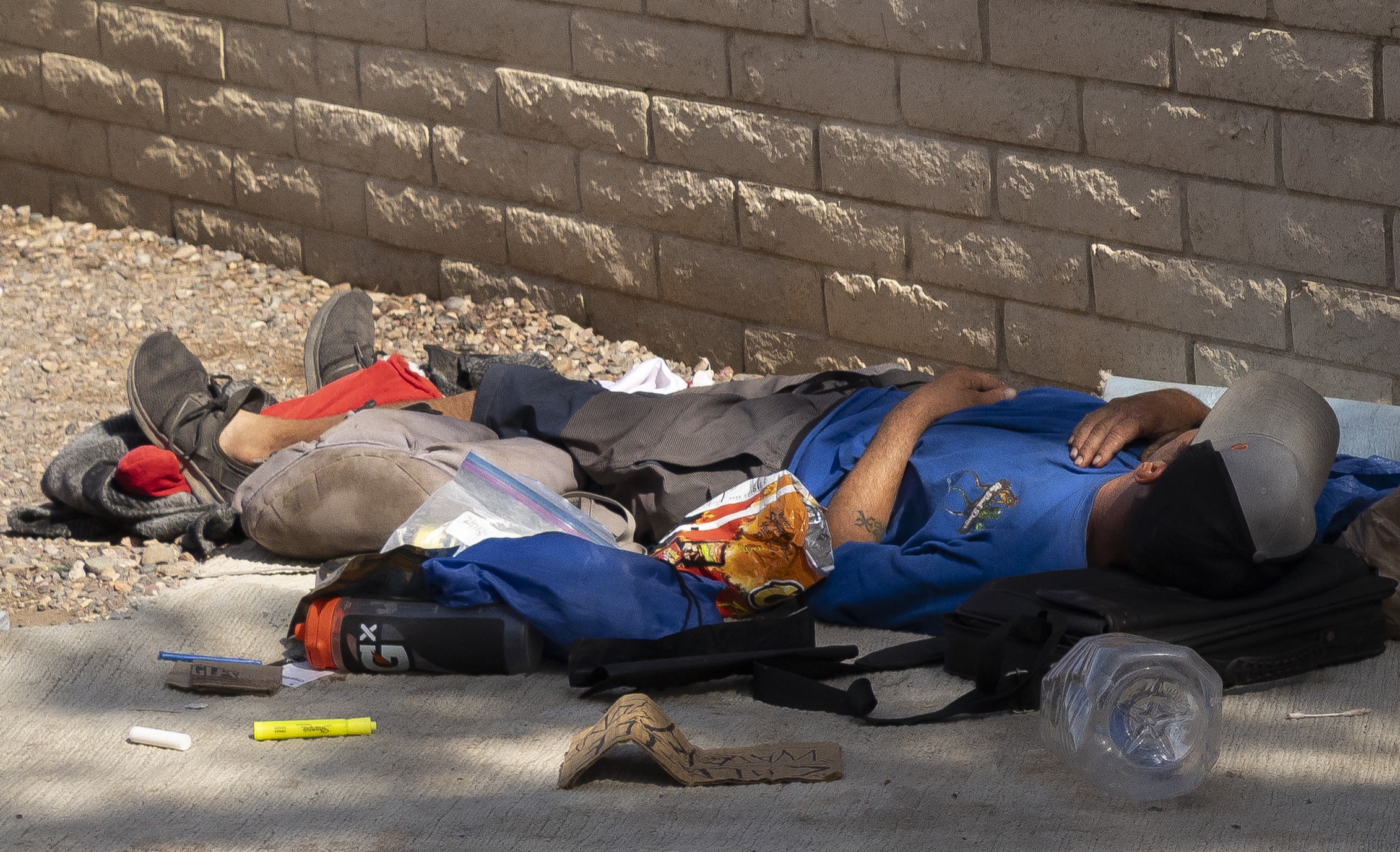
A Context photographer rode along with medics bringing vital heat relief to people living on the streets of Phoenix, Arizona
For nurse practitioner Perla Puebla and her street medic team in Phoenix, the day starts at 5:30 a.m. as they stock their van with water, intravenous drips (IVs), personal hygiene products and other supplies.
They are with Circle the City, a nonprofit that provides lifesaving care to people living on the city’s streets.
Since 2022, street medic teams like the one Puebla is a part of fan out across the Phoenix area, offering emergency hydration to those who need it most.
“We know our patient population,” says communications manager Elizabeth Smith. “If we don’t go to them, they won’t come to us.”
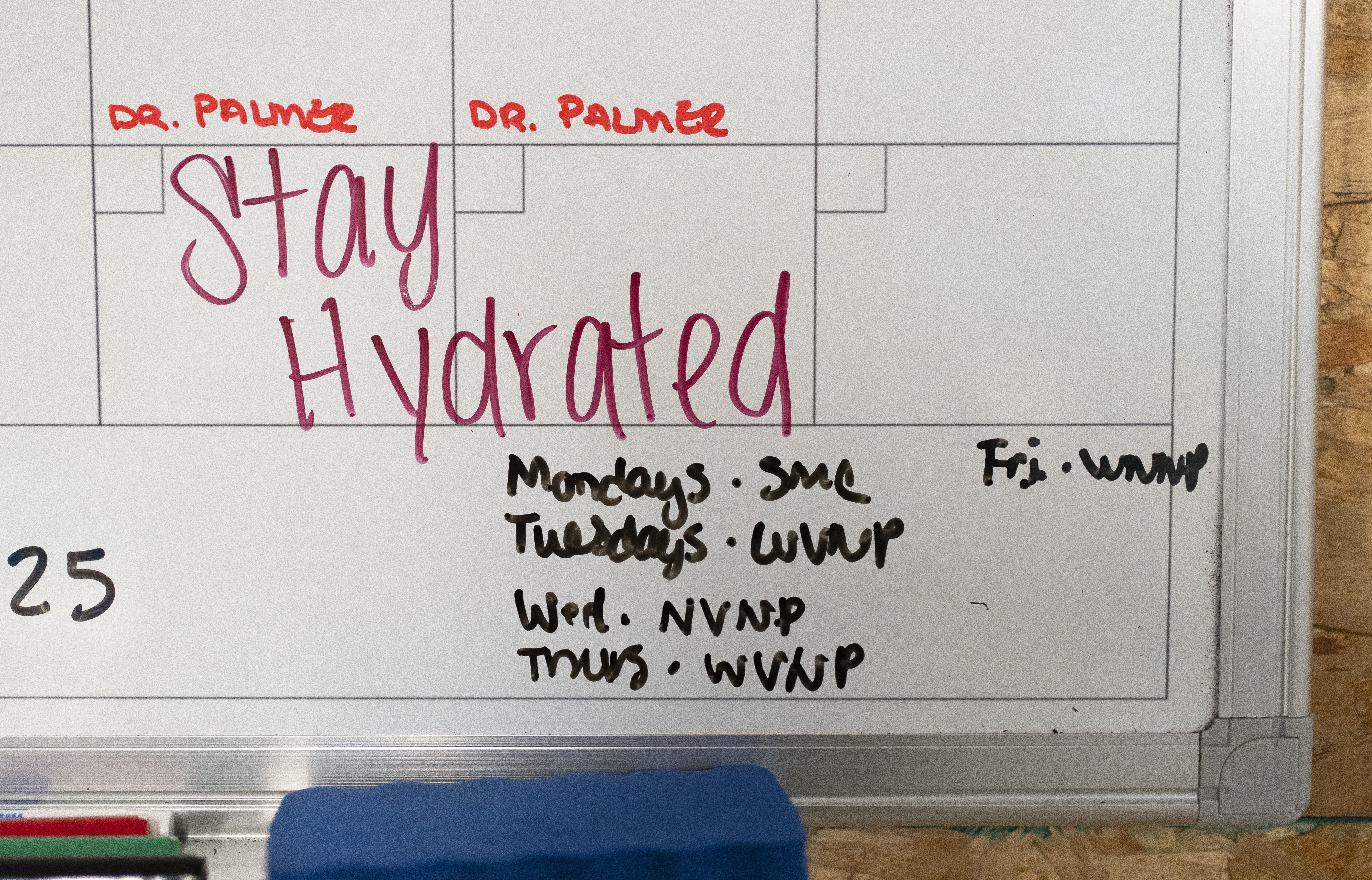
The U.S. National Weather Service says this summer is on its way to being the hottest ever in Phoenix’s history, with the average temperature hitting 101.1 degrees Fahrenheit (38.3°C) in July.
It was Phoenix’s second-hottest July on record after July 2023. Last year, total heat-related deaths jumped to 645 from 425 in 2022 in Maricopa County, where Phoenix is located.
By Aug 3 of this year, Maricopa had confirmed 66 heat deaths with another 447 under investigation.
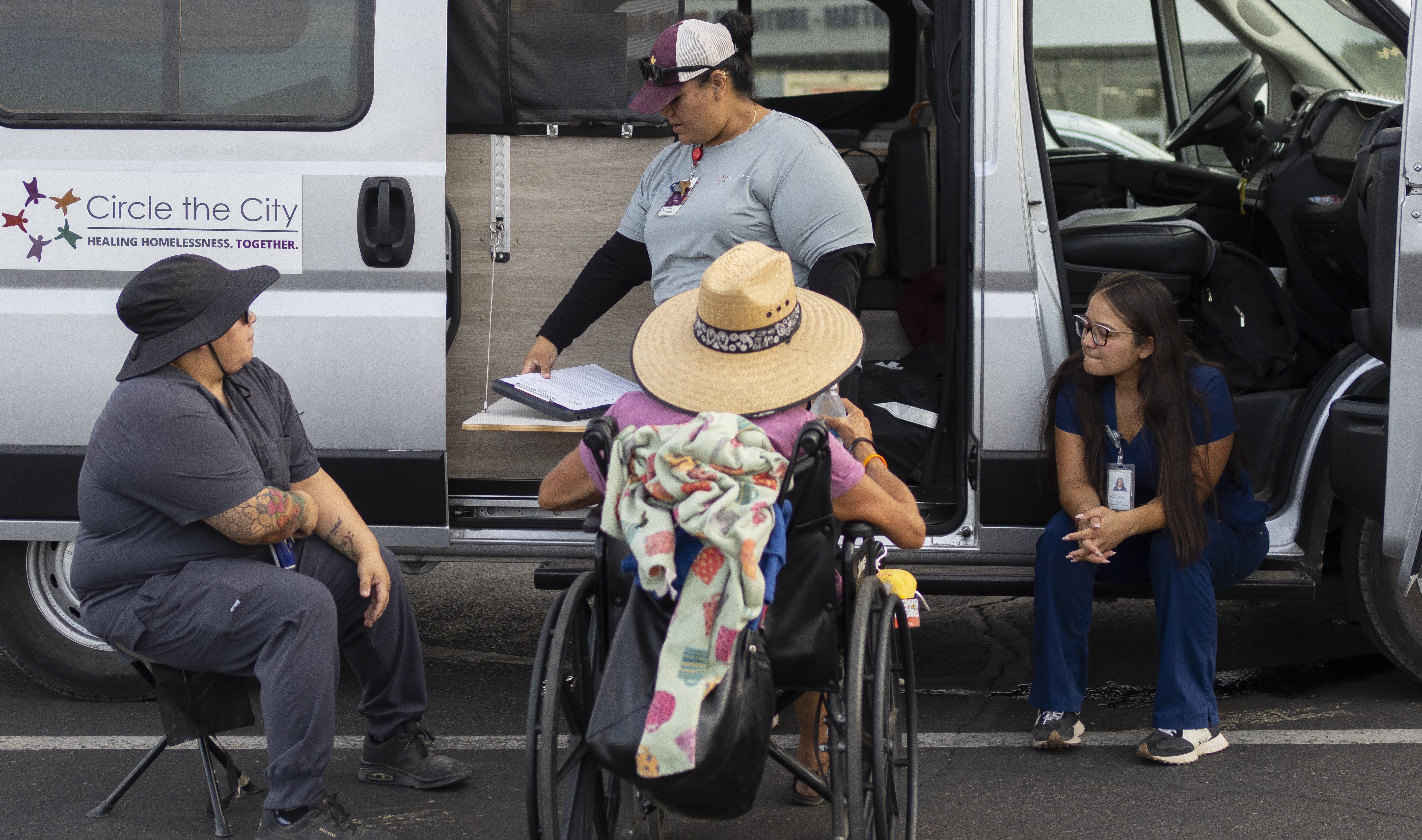
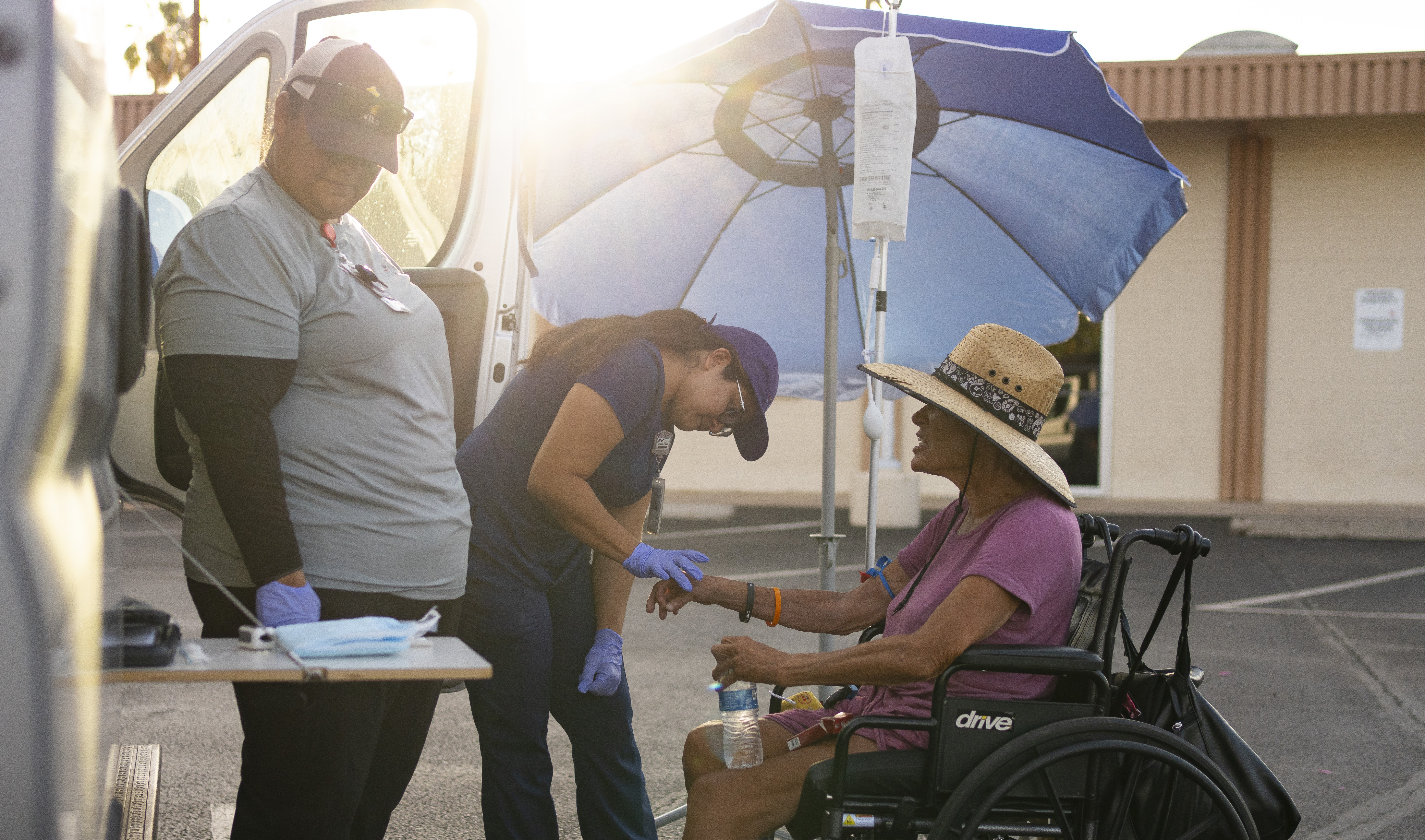
Puebla is joined by medical coordinator Brenda Madril and behaviour health consultant Maritza Arias.
Their first patient for the day is Maurajean Bunn.
Elderly and in a wheelchair, Bunn tells the team she had passed out in the heat the previous day.
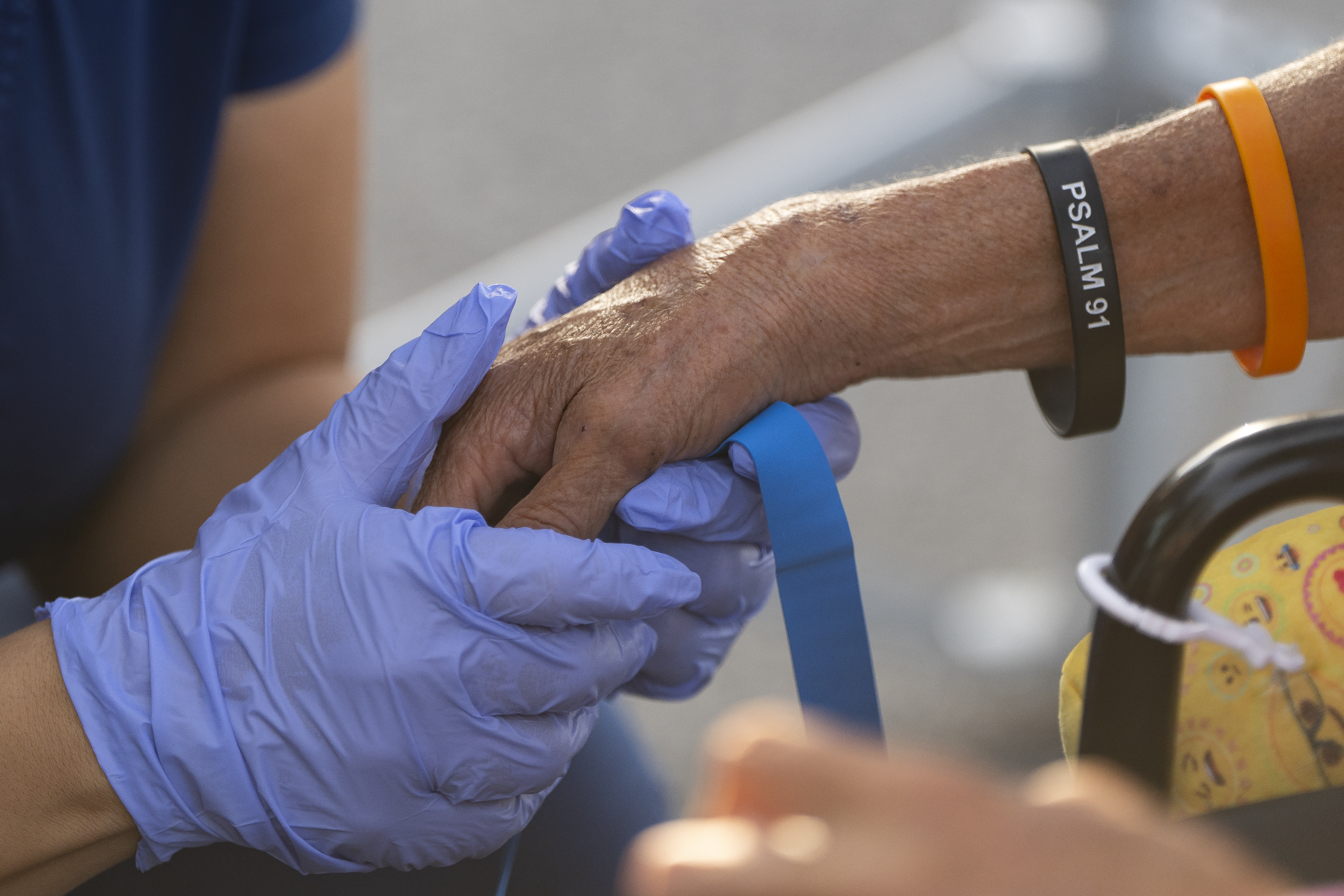
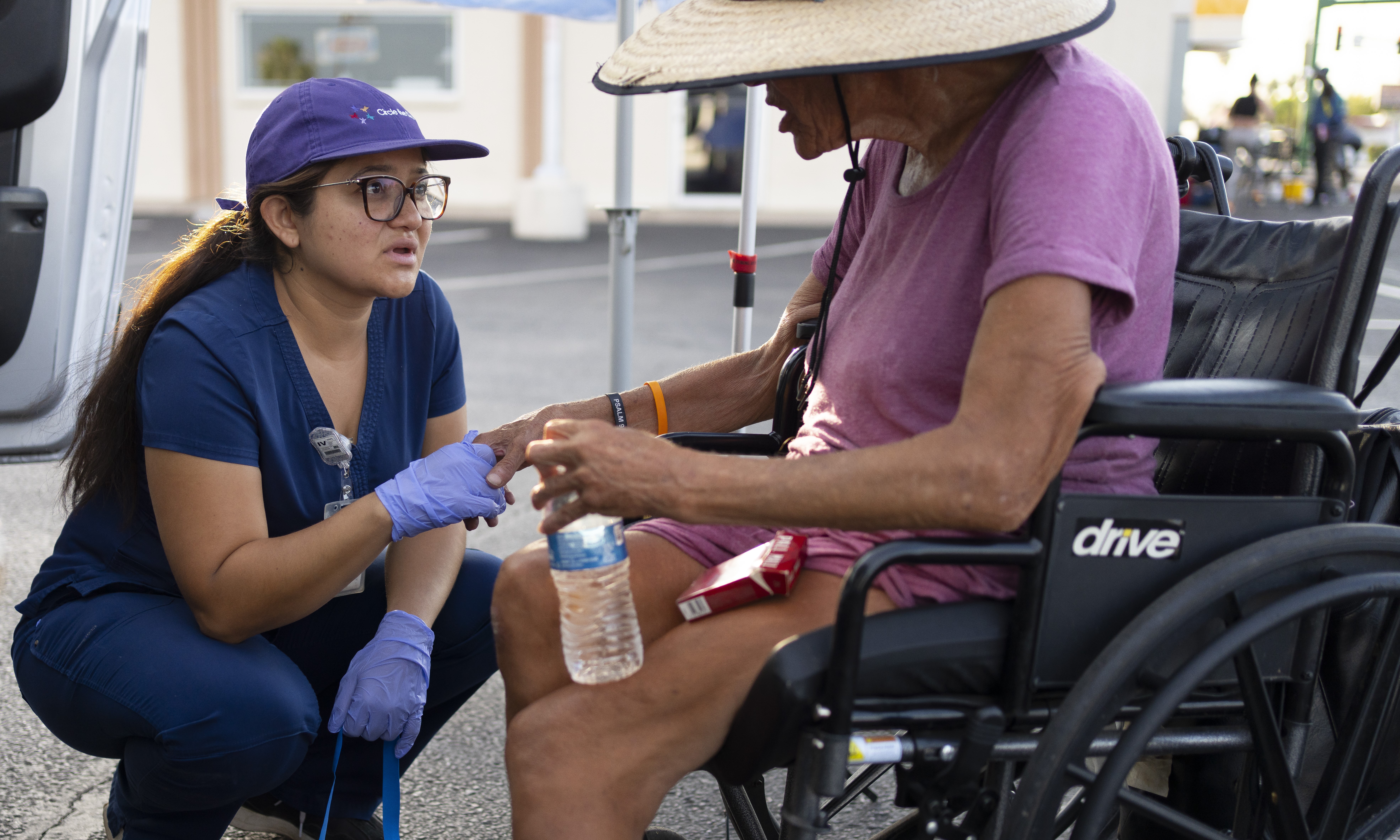
They ask her where she finds shade throughout the day. She says she goes to a nearby cemetery.
“I try to do what I can but my life is way too hard,” she says.
The team encourage Bunn to consent to a rehydration IV. She refuses but takes water and a bag of hygiene supplies.
The team drives on to their next location.
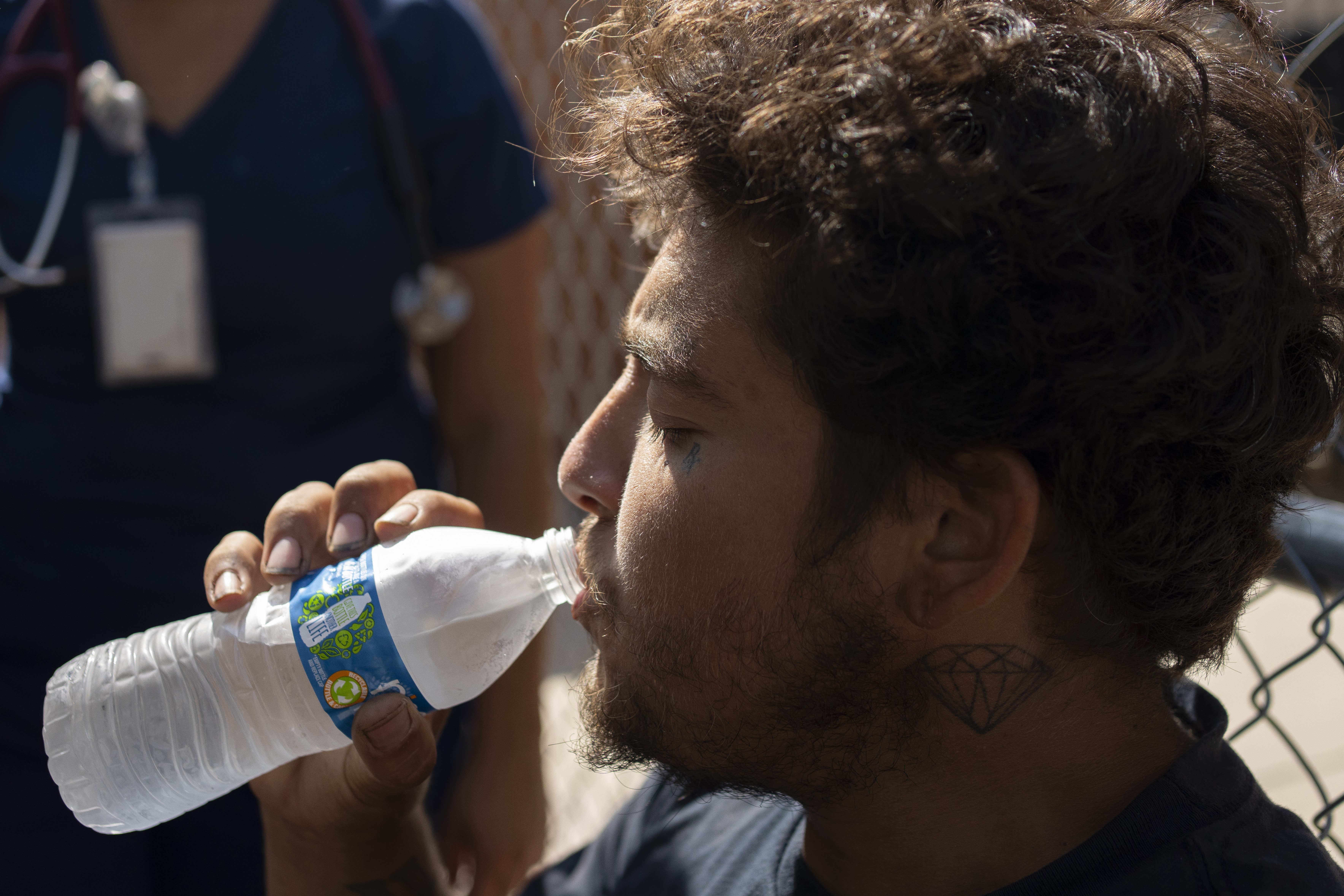
People living on the streets are among the most vulnerable to heat. Of the 645 people who died of heat-related causes in Maricopa last year, 45% were homeless.
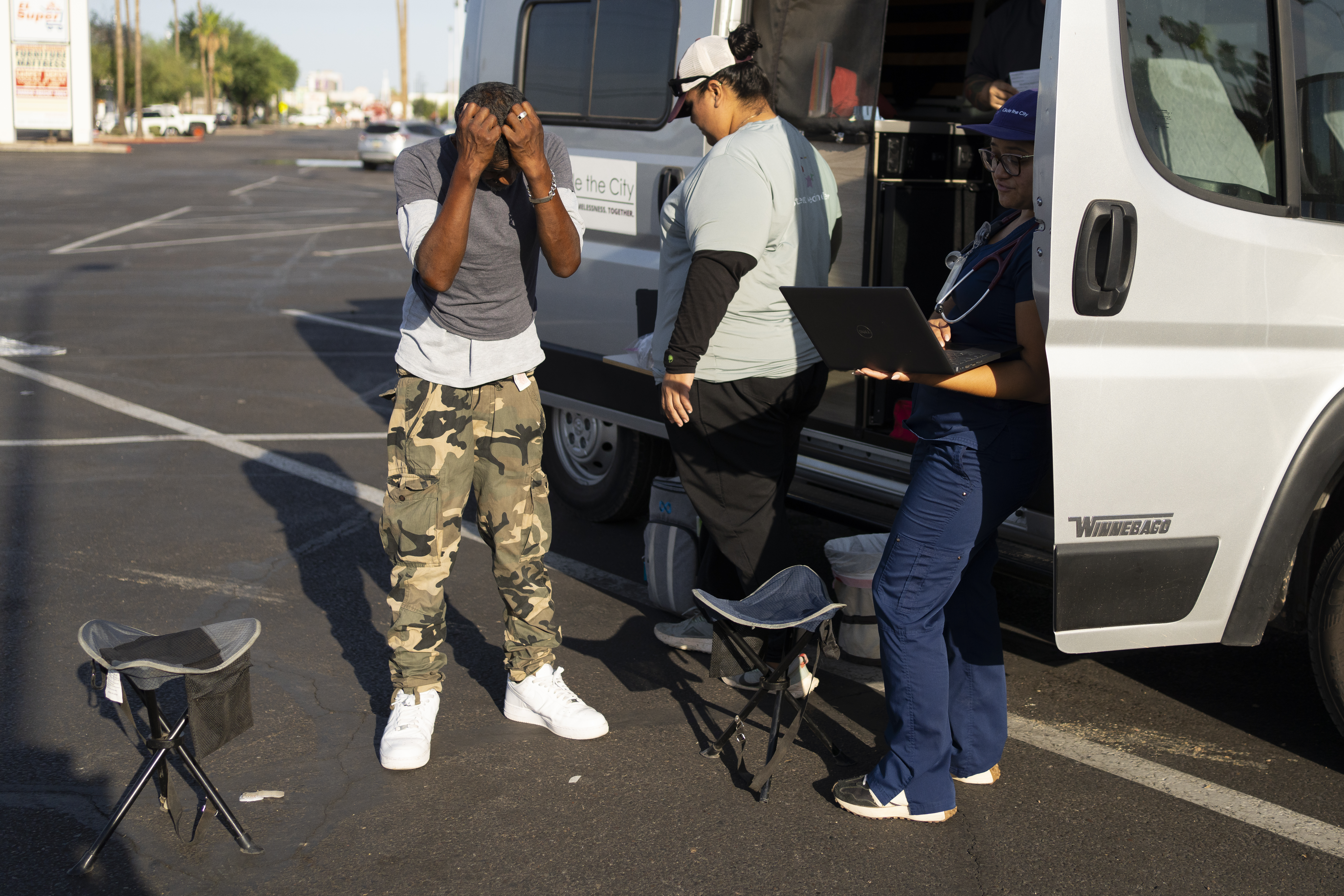
Besides the medic teams, Maricopa County has 256 hydration stations, and cooling centres scattered across the metropolitan area for days like these.
Their opening hours vary, and many homeless people do not have reliable internet access to check timings, let alone transportation to reach a centre.
The team’s next stop is a small group of people huddled in the shade of a tree near a highway exit.
Among them is Tyrone James.
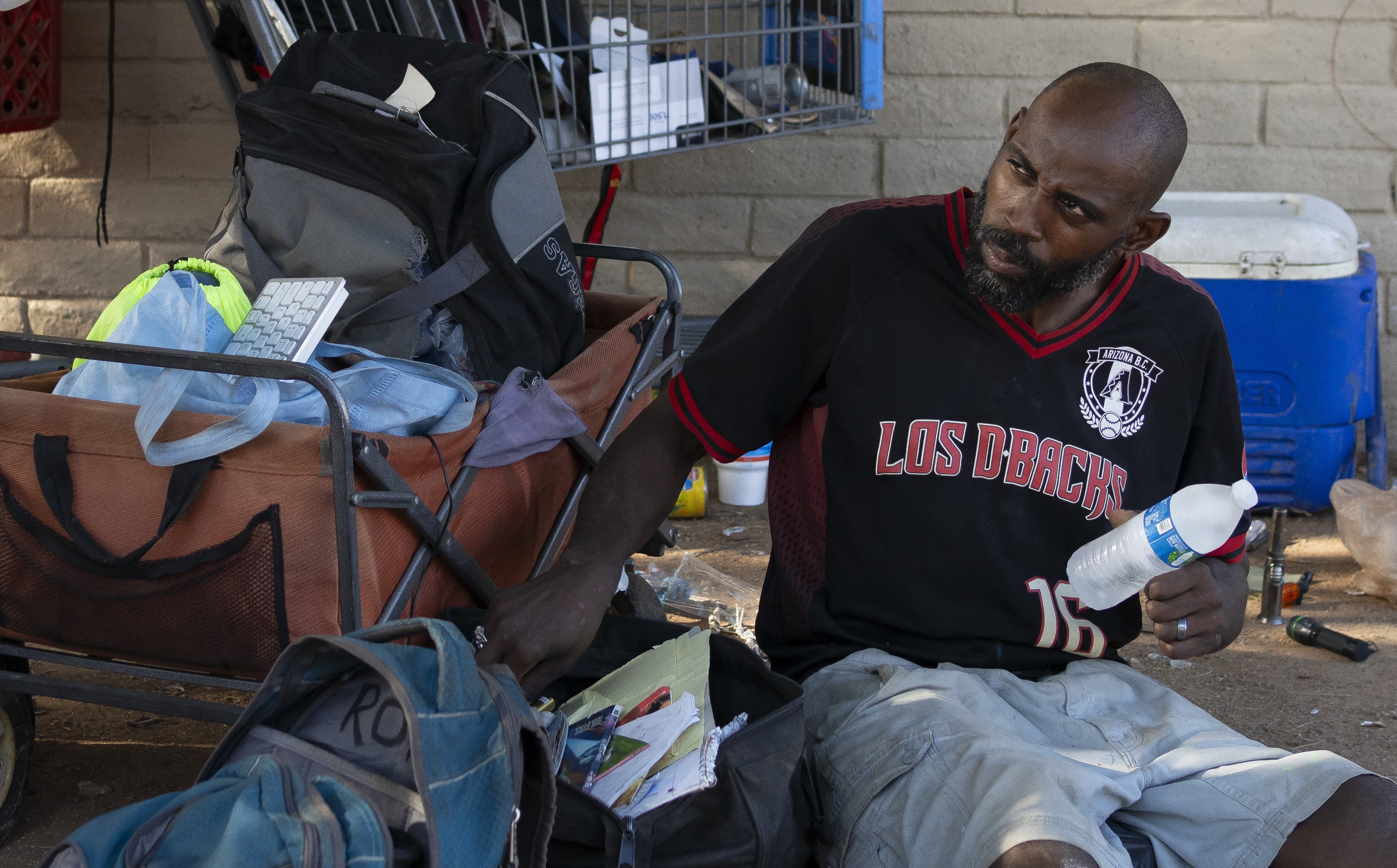
“Thank you,” says James as the team gives him rehydration treatment.
“I’m sorry you had to do that.”
“That’s what we’re here for,” Puebla replies with a smile.
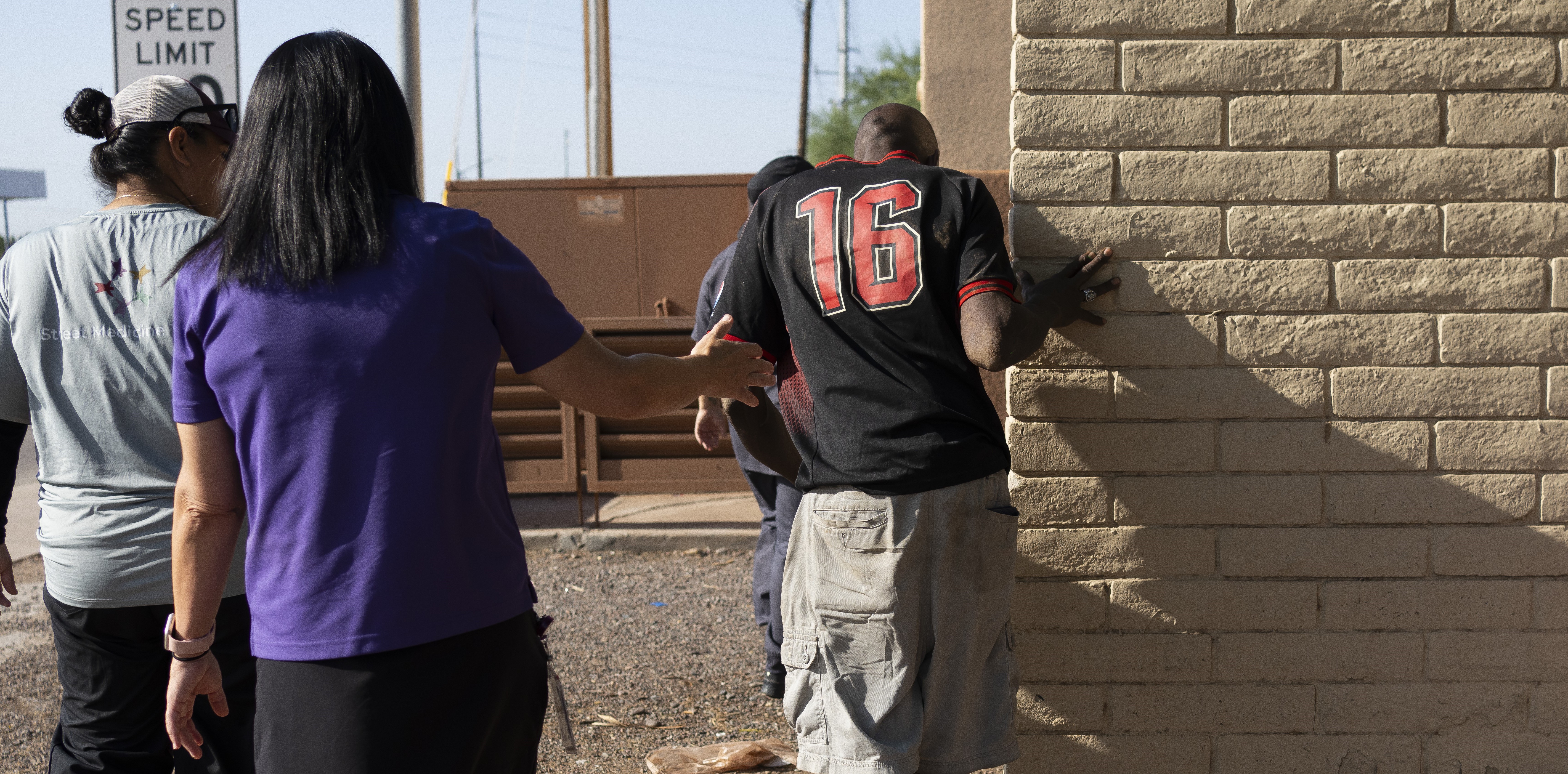
Over the course of their six-hour shift that began at sunrise, the street medic team is able to provide hydration supplies and medical care to five homeless people across one of America’s hottest cities.
After seeing their last patient for the day, medical coordinator Madril herself begins to feel the effects of dehydration.
Puebla gives Madril an IV.
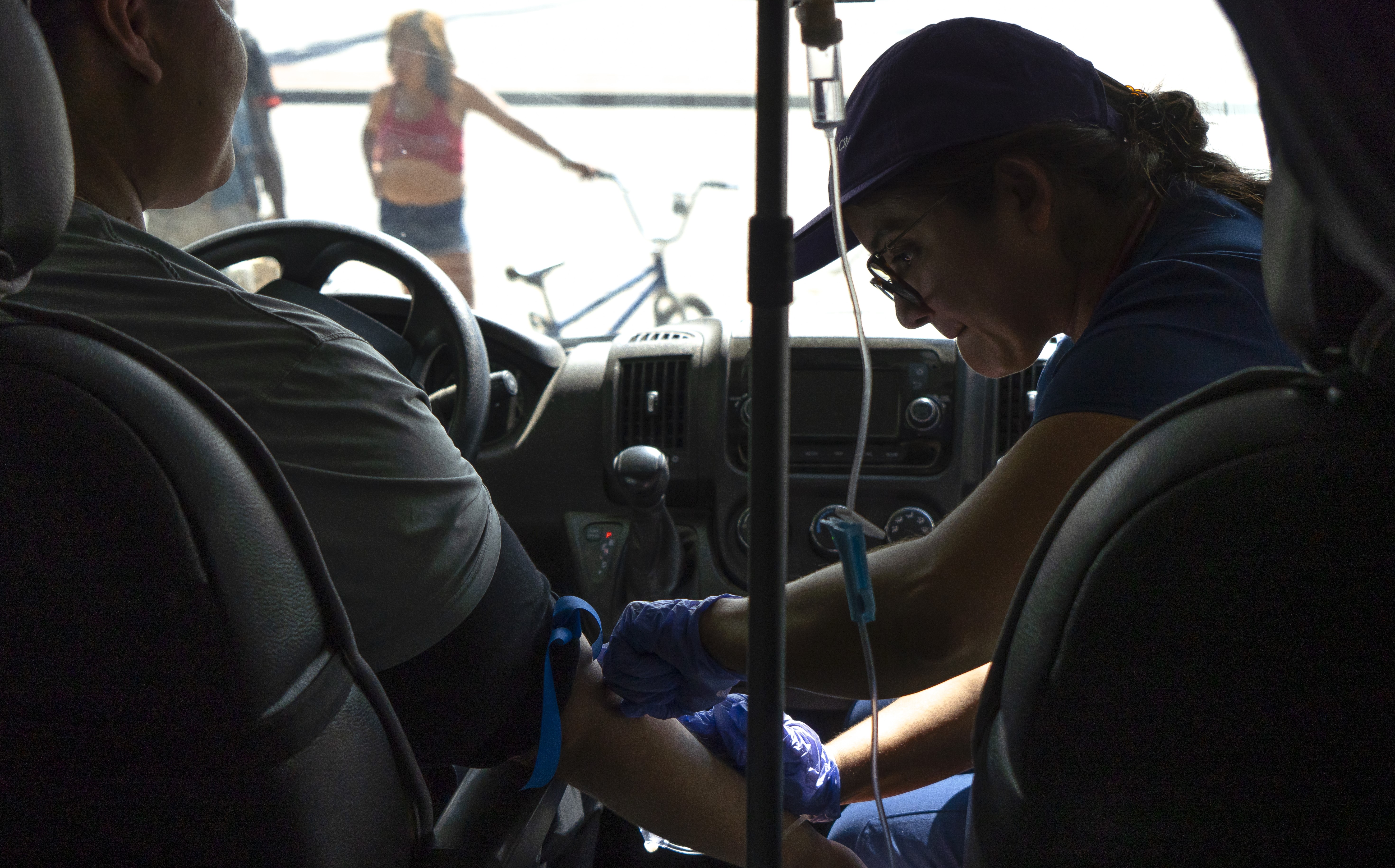
“This year, we’ve seen a lot of people with dehydration and experiencing heat exhaustion,” says Puebla.
“We feel better as a team being able to help them.”
They wait until Madril’s IV is finished before calling it a day and heading back to the office.
Reporting: Avi Ascher-Schapiro, Rebecca Noble
Photography: Rebecca Noble
Editing: Yasir Khan
Production: Amber Milne