Financing the future of South Africa's HIV care
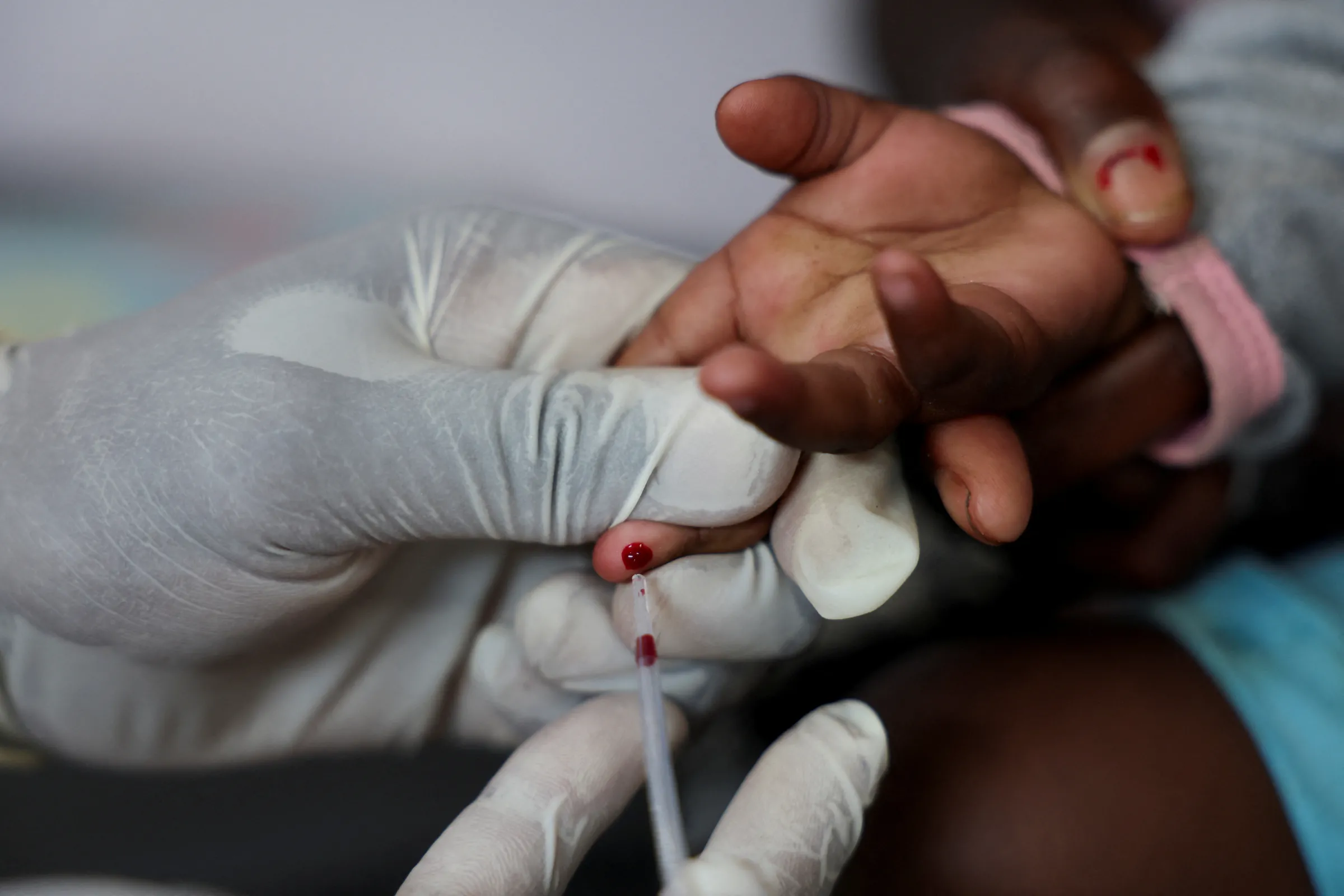
A nurse draws a blood sample from a child for an HIV test at a clinic in Diepsloot, north of Johannesburg, South Africa, March 12, 2025. REUTERS/Siphiwe Sibeko
What’s the context?
From resource pooling to innovative taxes, South African health experts explore new funding models to fight HIV after Trump cuts.
- Aid cuts lead to drop in HIV testing
- Health experts weigh new funding models
- Aid workers say humanitarian funding still crucial
JOHANNESBURG - After buckling under the body blows of U.S. aid cuts this year, South African health organisations are exploring new ways to raise money through social bonds and resource pooling in a bid to recapture lost ground in the battle against HIV.
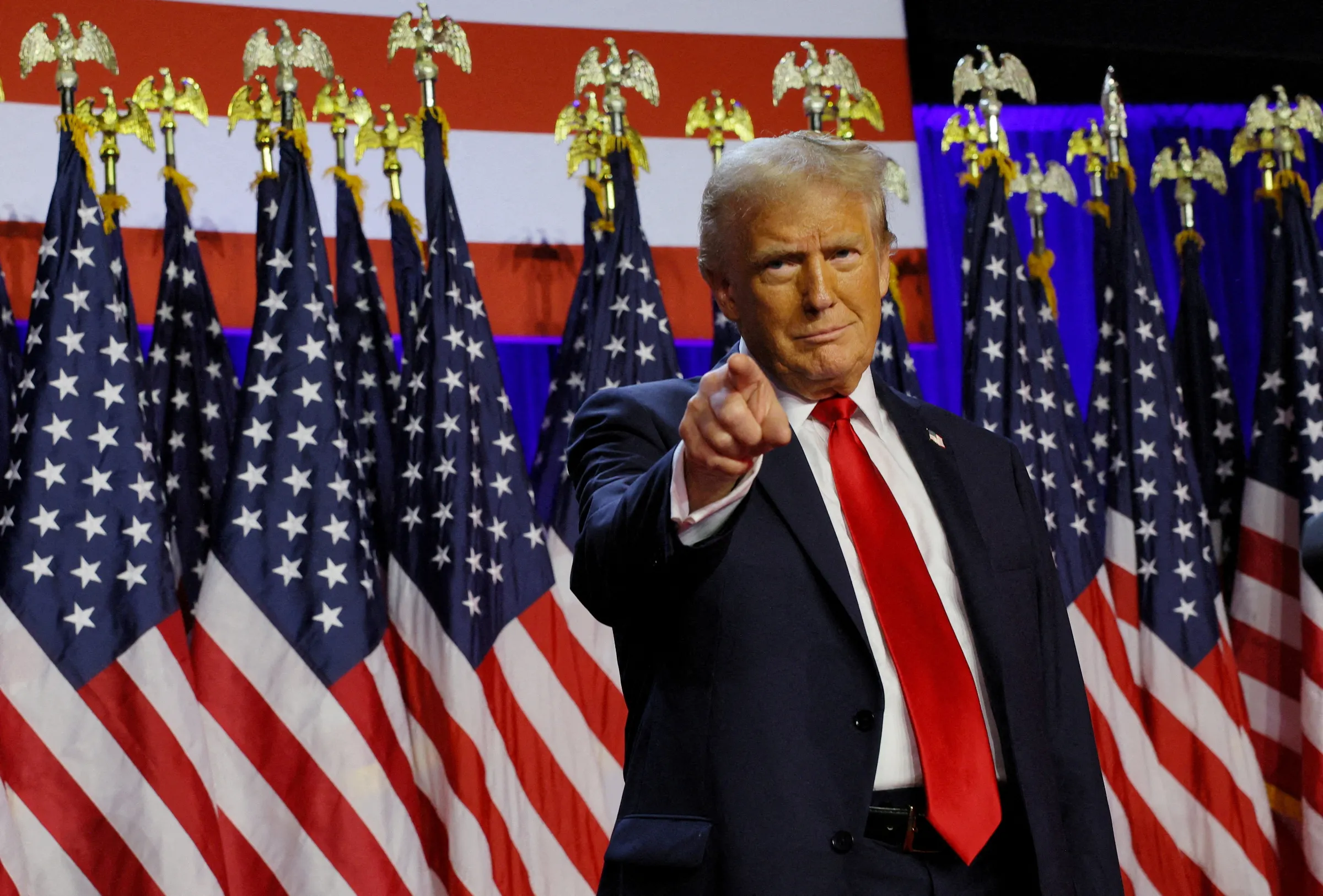
South Africa, which has the world's highest burden of HIV with about one-in-five people living with the virus, had relied on the United States for about 17% of its HIV budget until President Donald Trump's administration slashed aid early this year.
Now, charities are trying to pick up the pieces of an HIV campaign once hailed as a global success story, and they looking at new funding models to do so.
The Networking HIV and AIDS Community of Southern Africa (NACOSA), one of the country's biggest HIV charities, has been seeking ways to pool resources with like-minded charities and funders for endowments and social enterprises.
"There is an emerging trend with some donors looking at flexible funding or trust-based philanthropy which provides multi-year, unrestricted funding based on the organisation's work rather than for a specific project," said Sophie Hobbs, NACOSA's head of communications and advocacy.
"This allows organisations to adapt to local needs and lead innovation instead of following rigid, pre-defined projects and outputs," she said in emailed comments.
NACOSA's online training unit, NACOSA Learning, is marketing online courses on subjects from mental health to HIV testing to bring in additional income as well.
Even before the aid axe fell, NACOSA implemented a social impact bond in 2023 with the South African Medical Research Council (SAMRC), a government-funded research organisation.
Typically a social impact bond refers to a social programme funded by private investors, who receive a return from the government if the programme meets agreed-upon targets.
The SAMRC's Imagine bond aimed to prevent HIV and unplanned pregnancies in young women and succeeded in reaching more than 8,500 women through creative methods such as reward cards, interactive board games and guided journals.
However, these instruments are still relatively new in South Africa and require donor money to fund projects at scale, Hobbs said.
Around the globe, shrinking aid budgets from donors including the United States have forced a rethink of traditional humanitarian systems, with charities and NGOs having to adapt to smaller and less secure financial flows.
Funding cuts "exposed the fragility of the progress we fought so hard to achieve," said Winnie Byanyima, executive director of UNAIDS, a joint effort of 11 United Nations organisations, in a statement in late November.
"We must overcome this disruption and transform the AIDS response," Byanyima said.
Sin taxes to sharing
New funding mechanisms being considered range from so-called sin taxes to fund health services to the pooling of resources among organisations and countries.
South Africa already implements a tax on alcohol, cigarettes and sugary drinks.
Helen Rees, founder and head of the Wits Reproductive Health and HIV Institute (RHI), a leading South African research institute, said sin taxes could also be used to fill the void left by international aid cuts.
"Can we tax things like gambling? Can we tax foreign exchange in terms of crypto-currency? Innovative taxation (can be) beneficial for health and beneficial for incomes," she said at a media briefing at the Johannesburg Wits RHI headquarters in mid-October.
She said the South African government was discussing these ideas.
South Africa's Department of Health did not respond to requests for comment.
Chaos after cuts
Trump froze many foreign aid programmes early in his presidency before reinstating some lifesaving assistance, including parts of the President's Emergency Plan for AIDS Relief (PEPFAR), its global HIV initiative.
But South Africa was also specifically targeted, with an executive order cutting all funding to the country in February.
Around the world, clinics were closed, drug supplies disrupted and community outreach programmes halted - and the effect was particularly severe in South Africa.
Two months after the cuts were announced, nearly a quarter of 200 community-based organisations were forced to lay off staff, a survey by NACOSA found.
By May, viral load testing had fallen by up to 21% among key groups in the previous two months, which HIV experts said appeared to be due to the loss of U.S. funding, Reuters reported.
"Aid has been incredibly important," said Rees. "The problem is that the way we've delivered aid has not built sustainability."
She said HIV organisations or the bodies working with them could copy existing models to enable them to buy and distribute medical products in large quantities at lower prices.
The global vaccine alliance Gavi, for example, negotiates vaccine prices with manufacturers, offers grants, shares expertise and employs pooled procurement to reduce costs for poorer countries. Since 2000, it has helped vaccinate one billion children worldwide.
"There is extensive discussion, including at sub-regional levels, about pooled procurement (for HIV treatment) that will allow volume guarantees for manufacturers and lower process for country purchasing," said Rees.
Aid renewed
Rees said cost efficiency through new tech and health innovation could also help ease the pain of global funding cuts.
South Africa was the first African country to approve Lenacapavir, the world's first twice-yearly preventative treatment for HIV, with roll-out expected in early 2026.
Despite the new approaches, health experts say humanitarian aid has a critical role to play.
Médecins Sans Frontières (MSF), the international aid agency which relies on some five million mainly private donors to fund its work, says although it was somewhat shielded from the U.S. aid cuts, costs have increased.
Javid Abdelmoneim, MSF's international president, said this was due to some partner organisations that helped with feeding schemes or outreach work being forced to close overnight.
"We can't fill the gaps as MSF and neither can any humanitarian organisation," he told a media briefing in early November at MSF's Johannesburg office.
"We therefore urge continued and sufficient funding for the global humanitarian sector to ensure effective responses in times of crisis."
(Reporting by Kim Harrisberg; Editing by Ellen Wulfhorst.)
Context is powered by the Thomson Reuters Foundation Newsroom.
Our Standards: Thomson Reuters Trust Principles