Instead of treating soil as a resource, we treated it as a living ecosystem by mimicking nature.


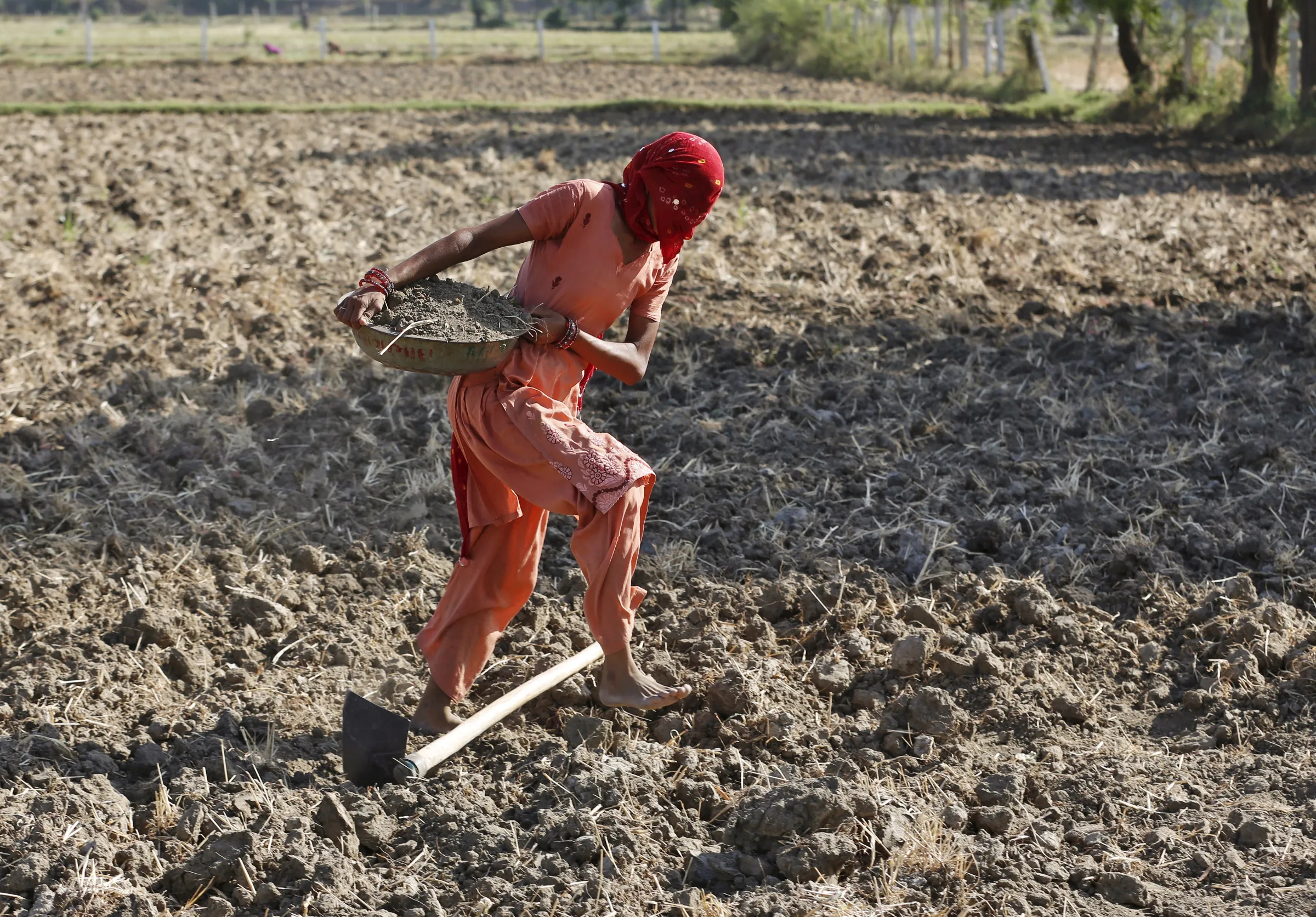
A farmer carries soil as she prepares her field for sowing rice seeds on the outskirts of Ahmedabad, India, June 10, 2015. REUTERS/Amit Dave
Farmers support economic, ecological and national security. Without healthy soil, food systems fail and climate impacts worsen.
Anand Ethirajalu is Project Director of the Cauvery Calling river revitalisation campaign, and head of Save Soil’s Regenerative Revolution.
When I first took over the land that would become my regenerative farm in Tamil Nadu, it was clear that the current system could not continue.
The soil was dry, eroded by years of heavy chemical inputs. Every year, crop yields were declining while input costs were rising. Like thousands of farmers across India, the previous owner had left the land because it no longer provided a stable income.
This was not just a failing farm. It was a warning. When soil fails, communities lose more than farming income. They lose both financial security and, as a consequence, social security.
When my father and I first started our regenerative farm, it was not an experiment in sustainability, but a practical response to an urgent problem. We abandoned intensive tilling and synthetic agriculture inputs.
Instead of treating soil as a resource, we treated it as a living ecosystem by mimicking nature.
Instead of treating soil as a resource, we treated it as a living ecosystem by mimicking nature.
We introduced tree-based agriculture, cover cropping, mulching, natural fertilisers and bio pest repellents . Over time, something remarkable happened: our soil’s organic carbon began to return. With carbon comes an ability to hold water, a crucial feature in a region where drought is an increasing threat.
Transitioning to regenerative practices required us to learn new processes, while unlearning old ones.
However, after removing synthetic farm inputs, monocrops and herbicides from the process, the earthworms returned as yields stabilised. Input costs fell, while incomes became more reliable.
Today, as a project coordinator at Save Soil’s programme in India, we are helping over 10,000 farmers a year to make this same transition to regenerative farming, and an additional 20,000 farmers to plant 12 million trees across 18,000 hectares of farmland.
Through our experience of helping farmers, we’ve learnt a crucial lesson. Regenerating the land restores more than the soil. It restores security. As more farmers adopted similar methods, groundwater retention improved, food supply became less volatile, and young people who once considered leaving agriculture began to see a future in it again.
This experience taught me something that has since guided my work with Save Soil: farmers are not just food producers. They are the bedrock of economic, ecological and national security.
That is because healthy soil is nature’s quiet infrastructure. When soils are rich in organic matter, they store water, cycle nutrients and reduce dependency on expensive, toxic inputs.
Regenerated soils absorb and retain water, which helps crops to withstand erratic monsoon patterns and prolonged dry spells, both of which are becoming more common across South Asia.
Regenerative farming also supports climate stability. Soils store more carbon than all forests and the atmosphere combined.
Restoring soil’s organic carbon is one of the most efficient climate change mitigation strategies available. In smallholder farming regions like mine, farmers are not only adapting to climate change. They are helping mitigate it.
Food security improves when farmers can produce consistently despite variable weather. Economic security improves when rural incomes are stable. Climate security improves when carbon stays in the ground. In an era of compounding risks, soil regeneration works across all three.
There are global lessons here. Where soil collapses, societies strain. For example, in the Sahel region of Africa, degraded soils, declining grazing land and shrinking water sources have intensified competition between pastoralists and farmers, contributing to conflict and displacement.
Healthy soil is nature’s quiet infrastructure.
This theme is consistent around the globe. A report by Save Soil, published in April, found that by 2050 climate change could force as many as 216 million people to migrate within their own countries as climate refugees.
There are also encouraging examples of how regenerative agriculture has insulated farmers from both climate as well as market risks while building resilience and stability.
For example, in Kenya’s Makueni County, farmers who transitioned to using compost, intercropping and water-retaining soils sustained harvests during severe drought, reducing dependence on food aid and preventing climate-driven migration.
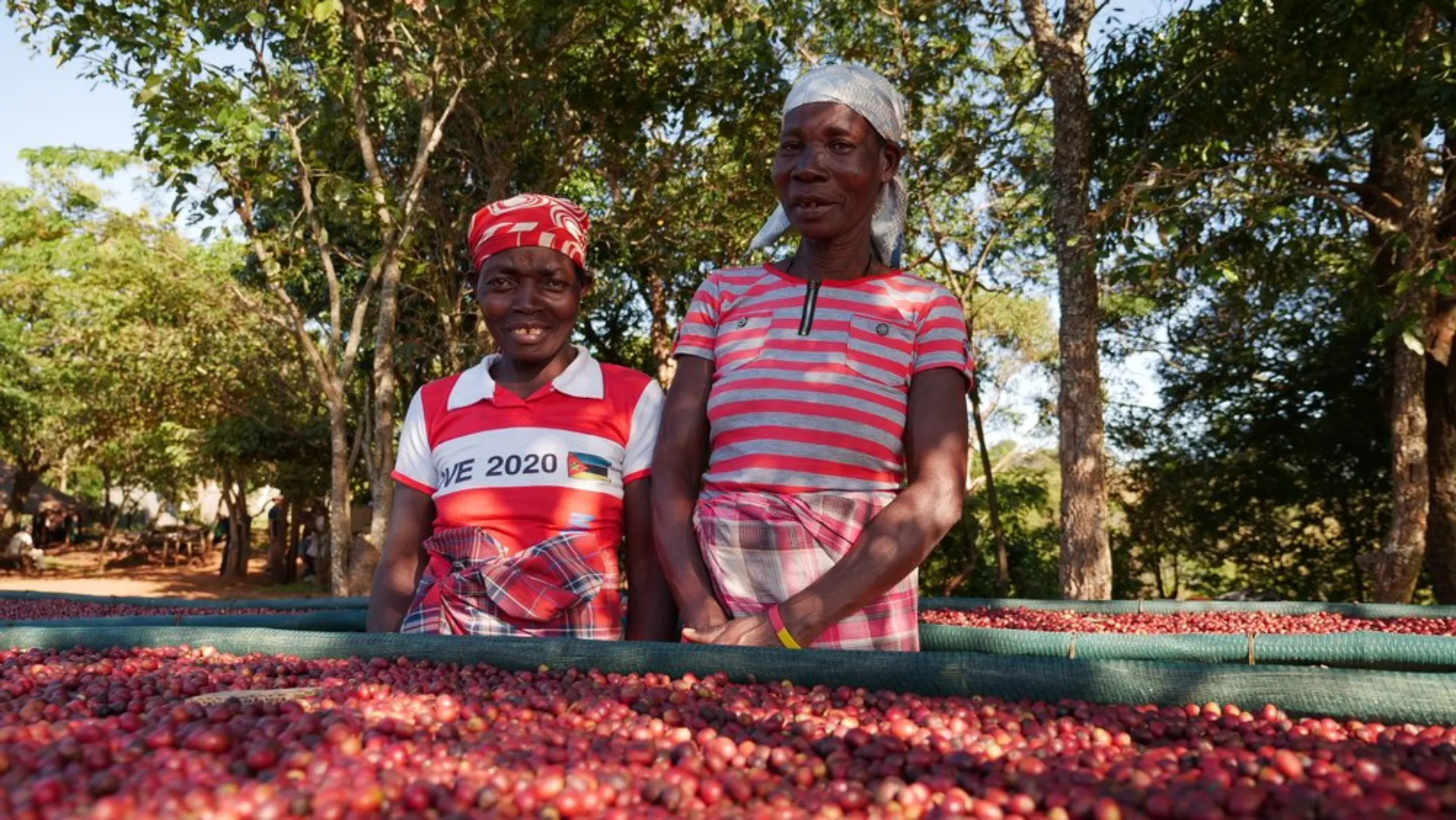
Similarly, in Brazil, agroforestry coffee systems have improved soil moisture, stabilised production and protected vital export income during drought cycles.
In the United States, regenerative farms in North Dakota have recorded higher profitability than conventional systems, even in years of market volatility.
The pattern is consistent. When soil thrives, economies, food systems and communities become more secure.
The Soil Security Report, published in November by the IUCN, the Aroura think tank and Save Soil, says soil must be recognised as a strategic asset, not just an agricultural concern.
Countries should integrate soil regeneration into their climate commitments and explicitly recognise soil security as national security. This includes setting measurable targets for soil restoration, funding farmer-led regeneration, and directing climate finance to the landscapes that feed us.
Farmers are willing to do the work. They are already doing it. What we need now is for governments to understand that security is built from the ground up.
Any views expressed in this opinion piece are those of the author and not of Context or the Thomson Reuters Foundation.