
What is driving Nigeria's kidnapping crisis?

Explainer
Explainer
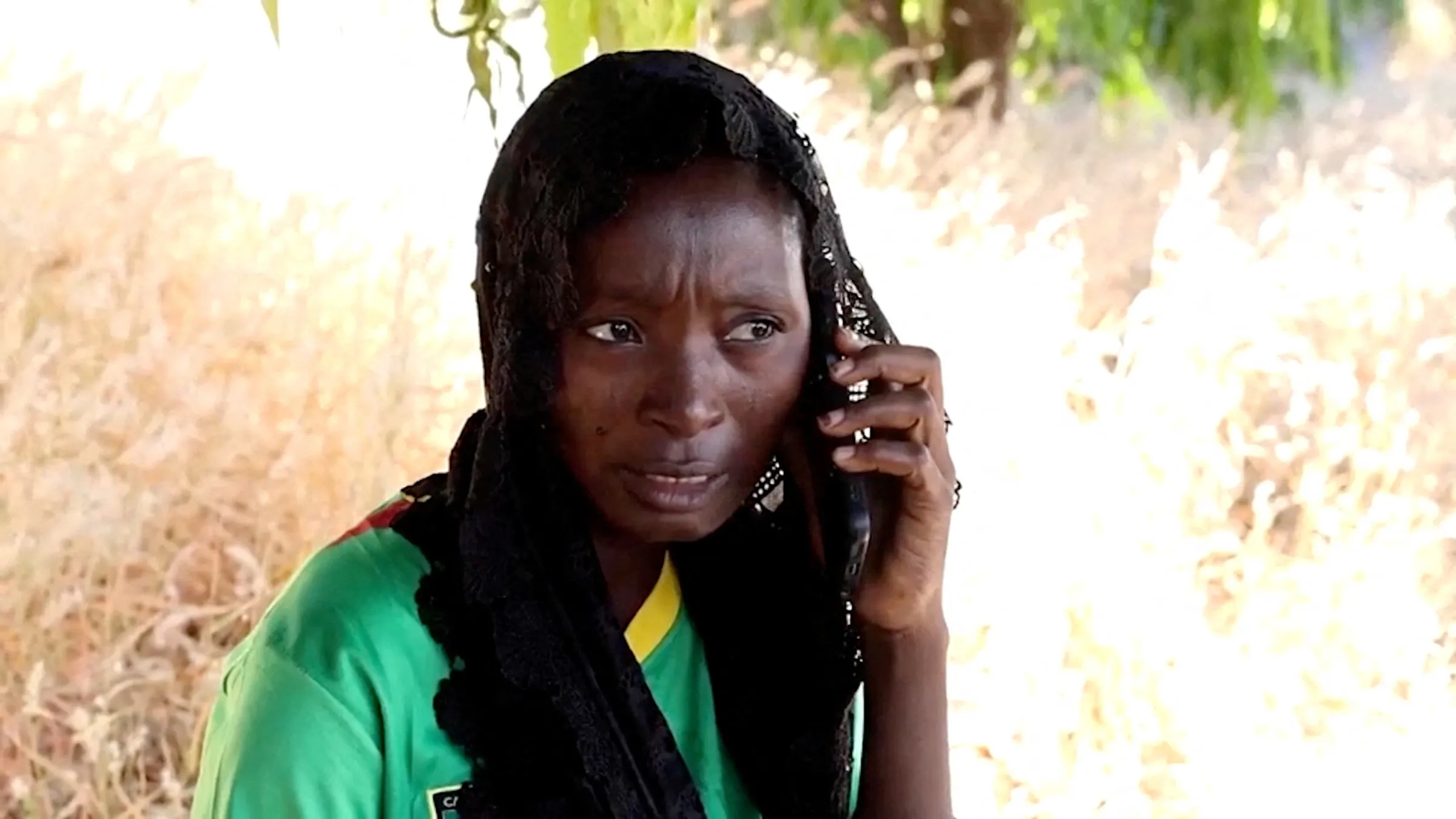
A teacher whose husband was kidnapped, speaks as parents are still searching for their children days after armed people abducted students and teachers of St. Mary's Private Catholic Secondary School, in Niger, Nigeria, November 24, 2025. Reuters TV via REUTERS
What’s the context?
A recent wave of church attacks and kidnappings in central Nigeria has forced schools to shut and increased pressure on the government from U.S. President Donald Trump.
LAGOS - In one week in mid-November, militia groups in Nigeria snatched more than 300 students from a Catholic school, took 25 girls from their hostels and stormed an evening church service, killing three worshippers and kidnapping dozens of others.
The wave of attacks has increased scrutiny on the Nigerian government from U.S. President Donald Trump, who has threatened military action over the purported persecution of Christians.
But his claim of a "mass slaughter of Christians" has been disputed by the Nigerian government and security experts.
Schools have been shut in two central Nigerian states, and President Bola Tinubu has declared a nationwide state of emergency and ordered the army and police to recruit 20,000 officers to confront violence across the country.
Here is what you should know about Nigeria's kidnapping crisis.
How did Nigeria's security problem become a kidnapping crisis?
The government has fought for nearly two decades against jihadist insurgents who bombed villages, mosques, military posts, churches and markets to proliferate their idealogy in the country's northeast and northwest.
They gained notoriety in 2014 after Boko Haram fighters abducted 276 female students in the northern town of Chibok, which prompted a global campaign for their release.
Since then, splinter Islamist groups and criminal gangs have adopted similar tactics by taking students and residents in exchange for ransom.
The latest attacks on school students in the north are "far from unique," Britain-based charity Save the Children said in a statement on Friday.
At least 10 school kidnappings involving 670 children have occurred across Nigeria since January 2024, according to Save the Children's analysis of media reports and data from the Armed Conflict Location and Event Data Project, a research organisation.
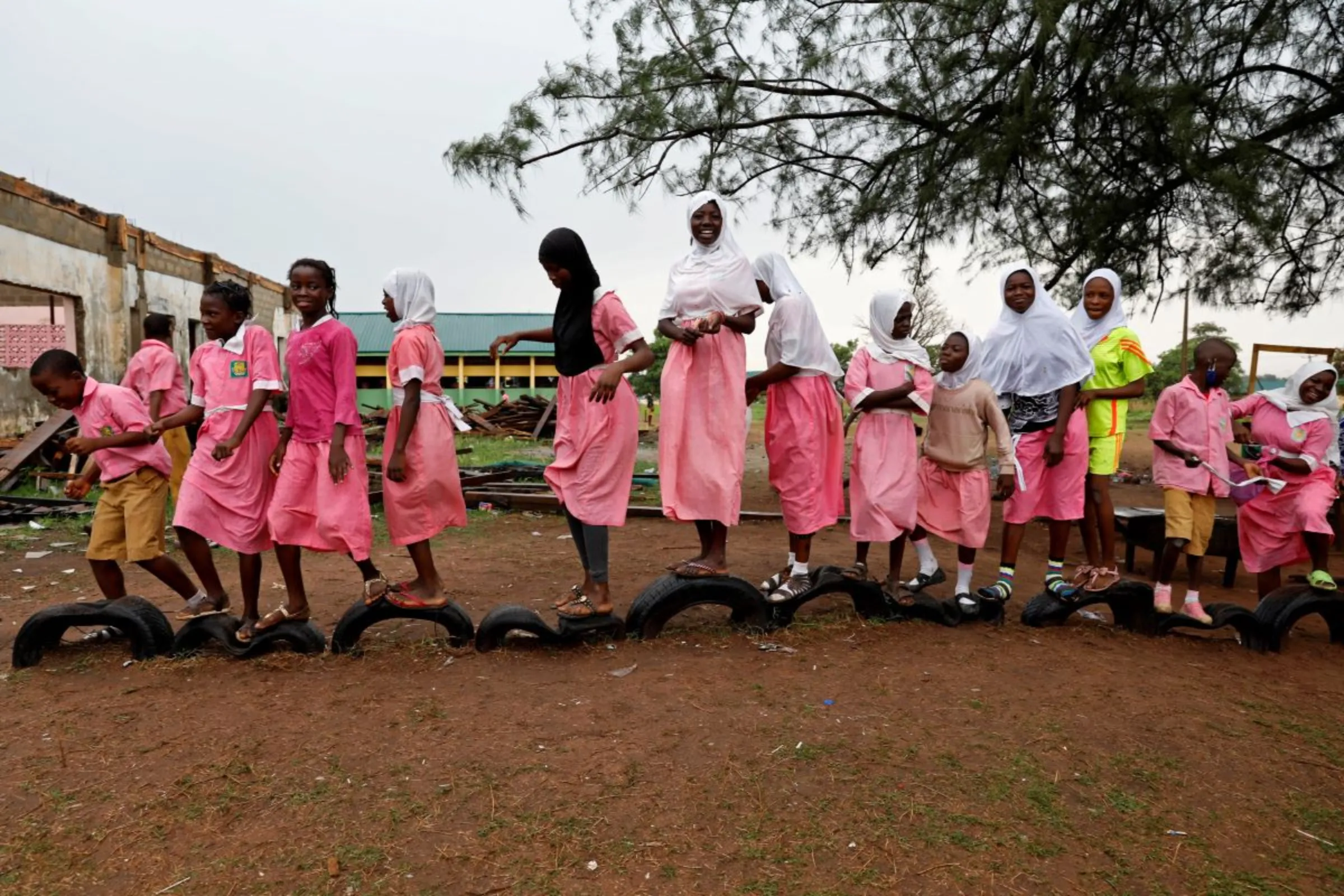
Many of the students were taken either in or on their way to school, Save the Children said, warning that the attacks could have long-term consequences on education if they become "a dangerous norm."
Are these attacks about religion?
Islamist militants in Nigeria's Muslim-dominated northeast carried out suicide bombings on large gatherings in mosques, churches and markets and took control of whole villages, with violence peaking in the mid-2010s.
As government troops retook territory from militants, kidnapping gangs, known as bandits, began abducting residents and children for ransom.
The violence also spread to central states, a region already beset by a pastoral conflict between nomadic Muslim herders and predominantly Christian farmers over land resources.
Trump, some American lawmakers and Christian advocacy groups have argued that Islamist insurgents are targeting Christians.
Trump said in November he had ordered the U.S. defence secretary to deploy troops to Nigeria or carry out air strikes to stop what he called the killing of "very large numbers" of Christians.
He also designated Nigeria a "country of concern" and said he would halt financial aid.
Ryan Cummings, director of the political and security risk management consultancy Signal Risk warned that framing the attacks as a clash between Muslims and Christians plays into the militant agenda of a religious war to attract funding from global jihadist networks.
"If the insurgents can create those perceptions - and we're already seeing it in rhetoric on both sides of the divide - it will further divide the country by population, by religion, by creed, by ideology," Cummings said.
What is the Nigerian government doing to boost security?
Tinubu has said his government welcomes U.S. support in the fight against the insurgents, but that Nigeria's territorial integrity must be respected.
He said he has authorised the Department of State Services to deploy trained forest guards and recruit additional personnel to flush out armed groups operating from remote areas.
Tinubu also called on churches and mosques to increase security during gatherings and pleaded with herder associations to adopt ranching to prevent clashes with farmers.
(Reporting by Bukola Adebayo; Editing by Ayla Jean Yackley. )
Context is powered by the Thomson Reuters Foundation Newsroom.
Our Standards: Thomson Reuters Trust Principles