

Amol Mehra is Director of Industry Programmes at Laudes Foundation, and Claire Harbron is CEO of the Howden Foundation.
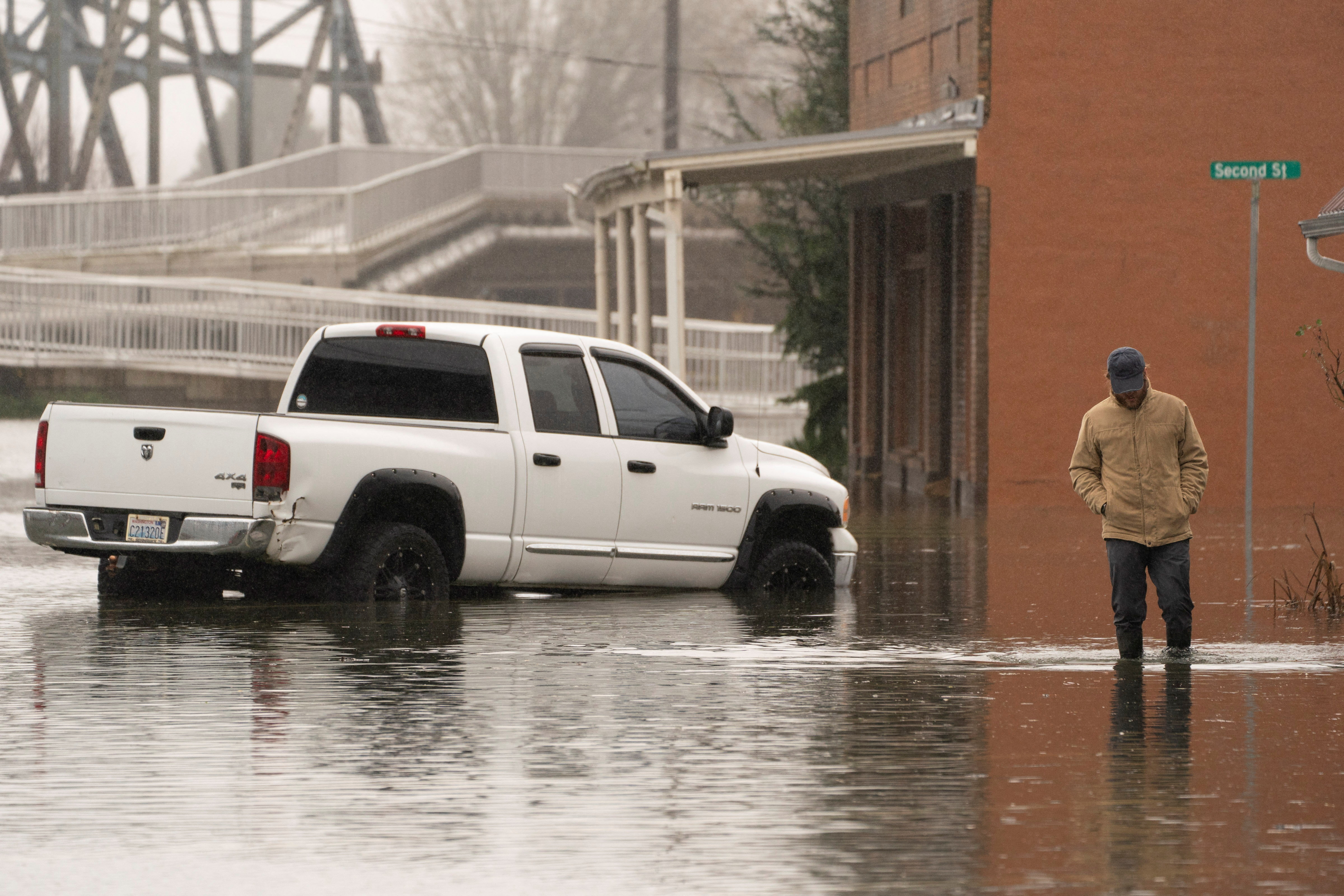
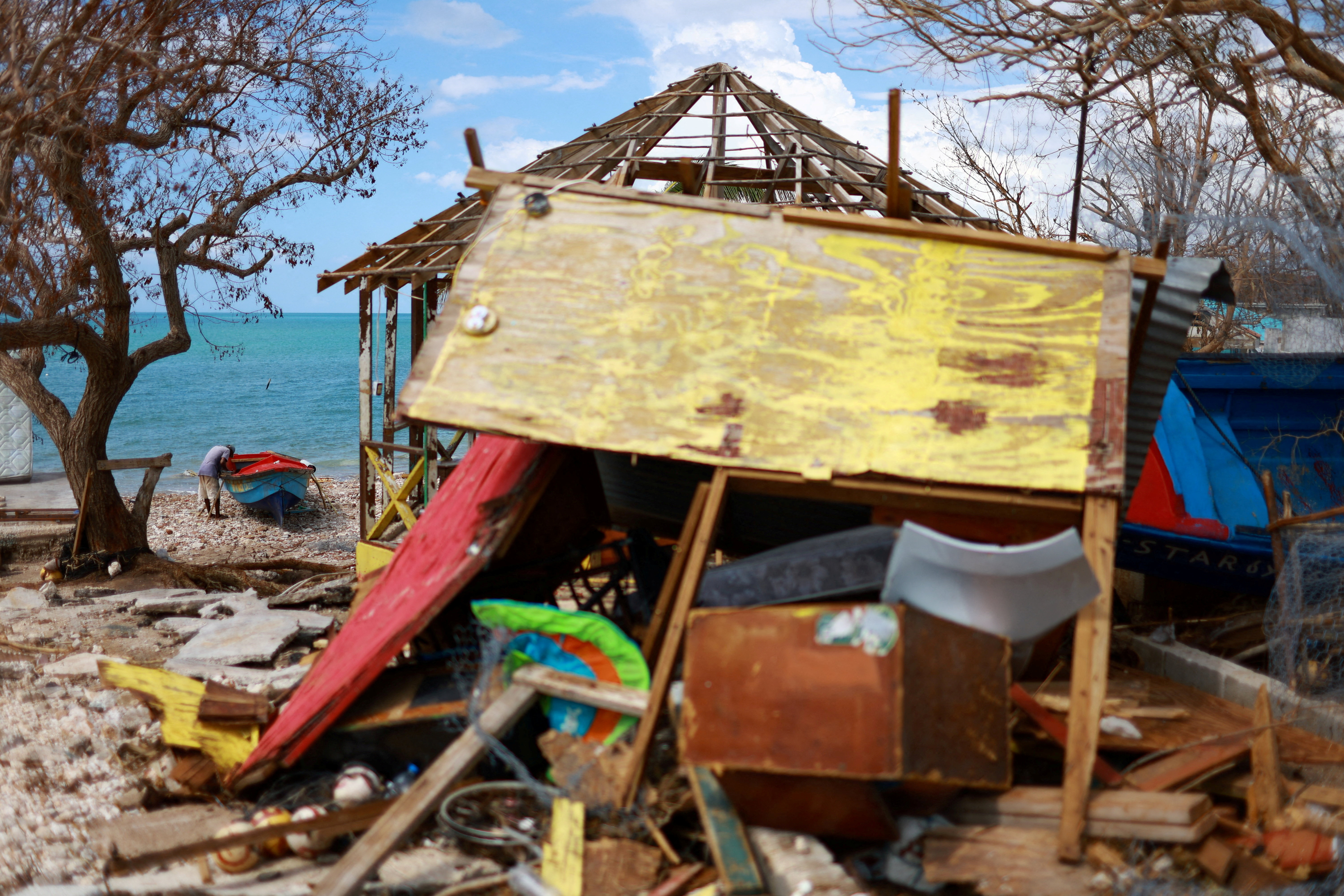
As the world accelerates efforts to decarbonise, a crisis continues to unfold: the rising toll of climate shocks on people least equipped to bear them. When Hurricane Melissa slammed into Jamaica as a Category 5 storm, it produced extensive damage and highlighted the exposure of vulnerable communities to climate risk.
Early estimates suggest tens of billions of dollars in economic losses, yet insurance penetration – a tool that could help remedy these losses – remains very low with less than 5% of properties estimated to have meaningful cover.
According to the World Bank, the insurance protection gap – the portion of disaster losses not covered by insurance – exceeds 90% in developing countries on average. At the global level, this same gap exceeds $1.8 trillion a year, according to reinsurance company Swiss Re.
If climate adaptation is about building resilience, then insurance is one of the most underused tools in the adaptation toolkit.
Insurance is climate infrastructure
There are three main ways for insurance to become a cornerstone of the just transition for communities, within which philanthropy can play a key role.
The first is by aggregating multiple insurance policies, to help enable low-income and informal workers to access suitable insurance products. Successful projects have shown the best path to scale is aggregation through trusted community structures, be they cooperatives, credit unions, farmers’ associations, and informal savings groups.
These aggregation mechanisms make the type of insurance these individuals want and need more viable by offering opportunities to pool risks, so they can receive the frequency of payout that is meaningful for the frequency of risk events they face.
For example, in Southeast Asia, the non-profit People’s Courage International is pioneering this model by working through agricultural cooperatives to offer weather-indexed insurance that pays out automatically when rainfall drops below a set threshold. Members don’t have to file claims, and the payout arrives through mobile money – reinforcing trust in the cooperative and the insurance mechanism.
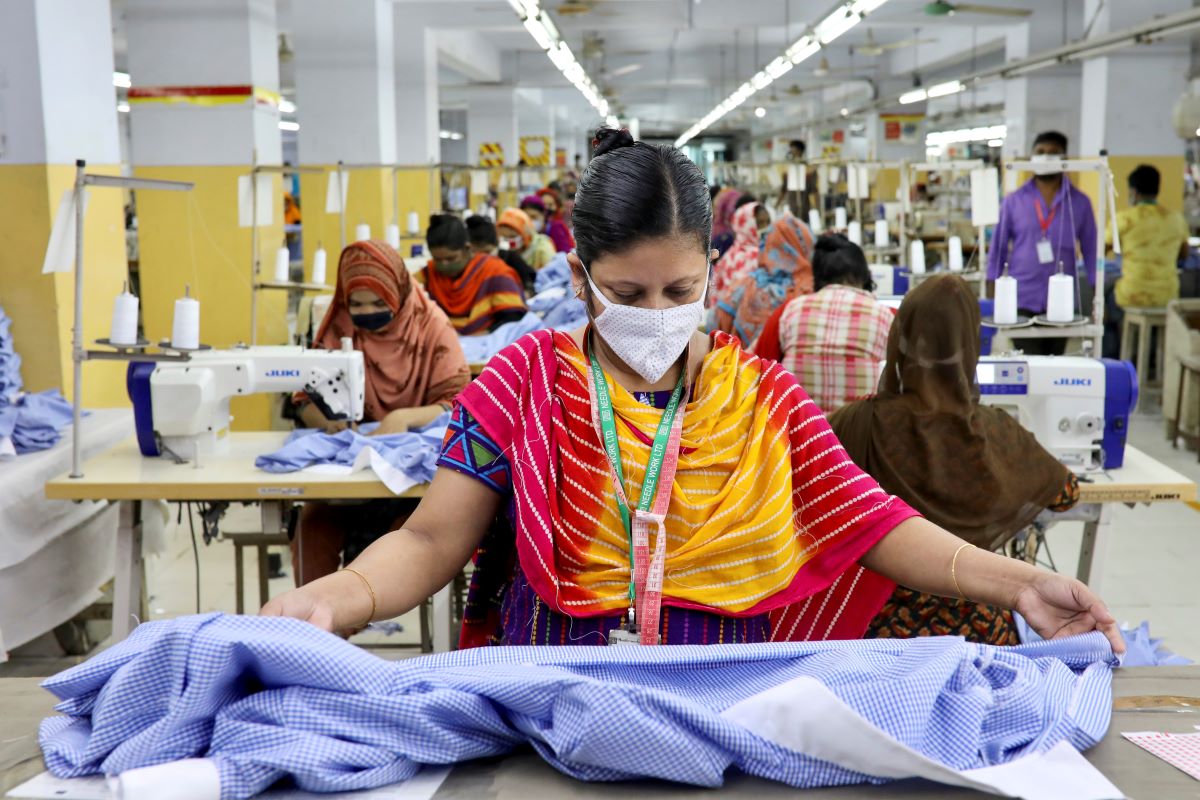
Similarly, the global NGO Climate Resilience for All is making an impact through the “Women’s Climate Shock Insurance & Livelihoods Initiative”, a partnership with Self‑Employed Women’s Association (SEWA) in India, which offers parametric micro-insurance and cash-loss support to 225,000 informal women workers when extreme heat thresholds are exceeded.
Philanthropy’s role here can be catalytic: funding aggregation platforms and data, tools, and training programmes that connect insurance markets to communities and individuals.
The second tool is bundling. Insurance alone cannot deliver resilience. For it to be most impactful, it must be bundled with complementary tools that promote deeper impacts, such as climate-smart agriculture or early-warning systems.
In some projects supported by the non-profit Humanity Insured, crop insurance is combined with agronomic advice, drought-resistant seeds, and digital soil monitoring. These additional investments help ensure farmers not only recover faster from shocks but also increase productivity, making premiums more sustainable over time.
Insurance can protect smallholders and buyers by cushioning shocks that ripple through value chains.
Blue Marble, meanwhile, brings together insurance companies, satellite-data firms and NGOs to deliver parametric insurance products that trigger automatic payouts based on rainfall or temperature data. These investments go beyond payouts and also help create early-warning systems.
Here, philanthropy’s role is structural: funding research, product design, and consumer education across the full bundle of tools. Philanthropy can also co-finance premium subsidies in early pilots, demonstrating viability until private or public mechanisms take over.
And thirdly, philanthropy can help to leverage public and private sector engagement.
Insurance markets will not be able to pay for a warming world. They are, instead, part of a broader set of tools. Governments can lead by integrating insurance into national adaptation plans and utilising their existing social protection schemes. Further, they can co-finance climate insurance schemes, attracting private insurance markets to participate.
Corporates have a direct interest in insurance to manage risk in their supply chains. In commodities such as coffee, cocoa and cotton, climate volatility disrupts production and drives worker vulnerability. Insurance can protect smallholders and buyers by cushioning shocks that ripple through value chains.
In both cases, philanthropy has a role to play in supporting advocacy for critical reforms. This includes de-risking innovation by funding pilots, and supporting evidence gathering on how insurance stabilises supply chains and generates returns, unlocking corporate co-investment far beyond philanthropic budgets.
Laudes Foundation and Howden Foundation are working through ClimateWorks Adaptation and Resilience Collaborative (ARC) to operationalise these ideas in a new insurance sub-stream led by Howden Foundation, bringing together donors and practitioners to align funding and advance policy solutions. We invite interested organisations to join us in this effort.
Insurance markets will not evolve inclusively on their own. Philanthropy can play a key role in building insurance as climate infrastructure.