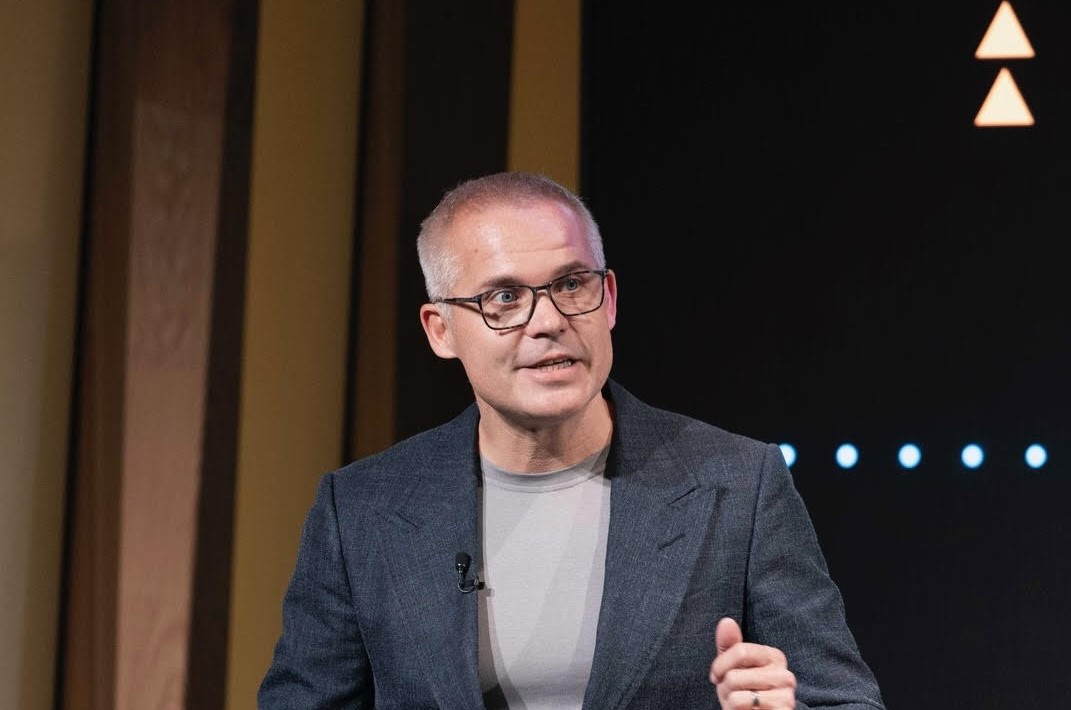


Elizabeth Yee is Executive Vice President at The Rockefeller Foundation and Gonzalo Muñoz is co-founder of Ambition Loop and U.N. Climate Change High-Level Champion for COP25.
We left the COP30 climate talks in Brazil feeling a mix of hope, urgency, and impatience. Hope, because the world showed up with serious political will and major financial commitments.
Urgency, because of the heat and rain that pounded Belém during the talks, serving as a visceral reminder of what’s at stake. And impatience because, despite progress, we are not moving fast enough to protect the health of our planet or to deliver on basic needs for all people.
Through it all, one insight emerged strongly: the investments we need must support planetary health, while also addressing hunger, poverty, disease, and poor nutrition.
The Belém Declaration Against Hunger and Poverty, signed by 42 countries, along with significant financial commitments for implementation, signals that leaders are ready for a new era of integrated action.
Nutritious school meals sourced from local farmers, using sustainable agricultural practices, offer a clear pathway to do this.
The evidence is overwhelming: regenerative school meals, as they are commonly known, improve children’s health, learning, and long-term earnings potential.
Going beyond nutrition
Recent EAT Lancet research shows sustainable school meals can save up to $200 billion in healthcare costs and $70 billion in climate-related losses, with up to $35 in economic and social returns for every $1 invested.
Nutritious school meals sourced from local farmers, using sustainable agricultural practices, offer a clear pathway to do this.
Countries are prioritising these investments – over the last five years, the number of countries with universal school meal policies have doubled to 107, and budgets have doubled too.
Why? Because countries see that regenerative school meals go beyond nutrition.
Regenerative simply means growing food in ways that restore the soil, protect biodiversity, support local farmers, and reduce planetary harm. By sourcing ingredients from farms that rebuild ecosystems, rather than deplete them, school meals become a powerful driver of food system transformation.
And when governments embed local and regenerative criteria into public food procurement, they unlock a multiplier effect.
Brazil is a pioneer
More than half of countries with school meal policies explicitly aim to source from small-scale local farmers, creating economic growth through local agriculture, improving environmental outcomes, and building a more weather-resilient food system – all while ensuring a secure start and shaping healthier diets for the next generation.
Brazil has been a pioneer. Since 2009, public schools have been required to purchase directly from family farmers, creating stable and predictable markets for thousands of smaller-scale producers.
This 30% procurement policy rule has created more predictable demand for thousands of farmers and increased the incomes of farmers living in poverty by up to 106%.
Paulo Reis, president of the Amazon Socio-Bioeconomy Business Association (ASSOBIO), puts it simply: “PNAE (Brazil’s National School Feeding Program) can help form new generations who value and consume what their own regions produce. That means shorter, more sustainable supply chains and food security aligned with our way of life.”
For each 1 Real in demand for food from family production, Brazil’s national gross domestic product grows by up to 1.6 Reals.
For farmers like Rafael Grothe de Oliveira, director of the Coopercentral Vale do Ribeira, a cooperative that unites more than 1,500 banana producers supplying São Paulo’s schools, this stability is transformative.
“Public procurement gave us independence. Before, small farmers were at the mercy of middlemen.
With stable contracts, we can plan production, invest in logistics and quality, and build dignity and a future in the countryside.”
Changing markets and mindsets
New research published by Stanford University shows that shifting to regenerative school meals could feed 8 million more children at the same cost.
These meals rely on nutrient-dense, culturally relevant, and climate-resilient crops—such as sorghum, cowpeas, yams, baobab, and bambara beans—that thrive despite changing rainfall and drought patterns. Incorporating them into school menus strengthens food security and improves nutrition.
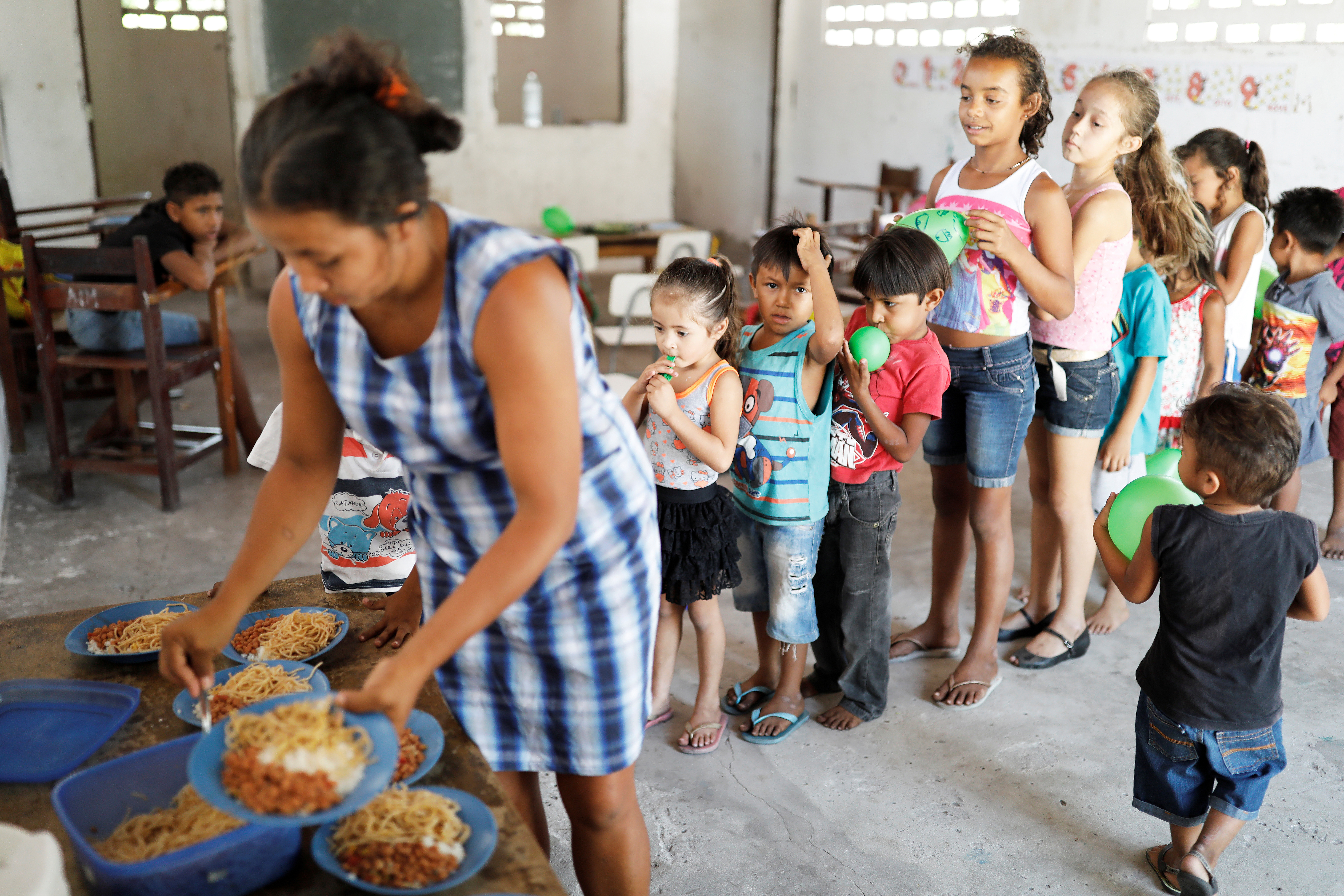
Regenerative school meals can change markets and mindsets. In the Brazilian city of Jundiaí, schools eliminated ultra-processed foods, and now children receive fresh, organic meals sourced from local farmers and school gardens.
By sourcing ingredients from farms that rebuild ecosystems, school meals become a powerful driver of food system transformation.
Children are learning where their food comes from, and how it connects to soil, health and a better environment.
The next frontier is expanding access for small cooperatives, Indigenous communities, and forest-dependent producers. Strengthening access to finance, logistics, and markets is essential to further catalyse sustainable production.
That’s why The Rockefeller Foundation’s $5.4 million COP30 initiative is supporting 12 organisations to help Brazilian smallholder farmers link to the National School Feeding Program and transition to agroecological practices – so that they can access school feeding markets, while restoring their ecosystems and building better livelihoods.
As hurricanes devastate communities in the Caribbean, extreme heat compromises urban health, and floods ravage farms, we are reminded that our changing climate is a daily reality that jeopardises safety, food security, and livelihoods for millions. Our solutions must be just as tangible.
If more countries embrace regenerative school meals as a lever for health, education, jobs, and climate resilience, we can equip the next generation with better health, a stronger and more resilient food system, and a planet on the path to recovery.
Our revolution starts with the simplest of acts: nourishing our children. Now is the moment to act.