How Africa is using tech to protect nature and the planet

REUTERS/Monicah Mwangi
What’s the context?
Africa is leveraging technology and AI coupled with traditional knowledge to reduce planet-heating emissions and protect nature.
JOHANNESBURG/LAGOS - Across Africa, home-grown tech solutions are being designed to protect nature and people, from using artificial intelligence to monitor illegal logging or predict against floods, to building solar projects that power irrigation.
Tech experts say the surge of innovations faces challenges including shortages of funding and frequent power cuts, but this can also drive solutions such as greater use of solar power.
Africa's tech-for-nature innovations aim to make the most of its natural resources; its abundant sunshine and the wildlife that brings in tourists. Here are some examples.
Wildlife watchdogs
From Tanzania to South Africa, AI is being used to monitor animals and send alerts to rangers when suspicious activity indicates poachers may be lurking, or animals may be about to encroach into villages or fields.
WildNET, developed in Tanzania, combines solar-powered cameras, mini-computers and AI image recognition to monitor elephant movement and prevent deadly clashes with humans.
When an elephant is detected, the system sends an SMS alert to community leaders, who typically use drums, loud noises or barriers to protect crops and habitats and reduce human-wildlife conflicts.
In South Africa, the Wildlife Protection Programme, an AI tool that analyses animal behavioural data, uses cameras to detect unusual animal movement and alert rangers to the presence of poachers.
The tech is still being piloted, but its designers say it could increase the poacher capture rate from 3% to 86% within a 125 metre radius of where the tech is installed.
EV evolution
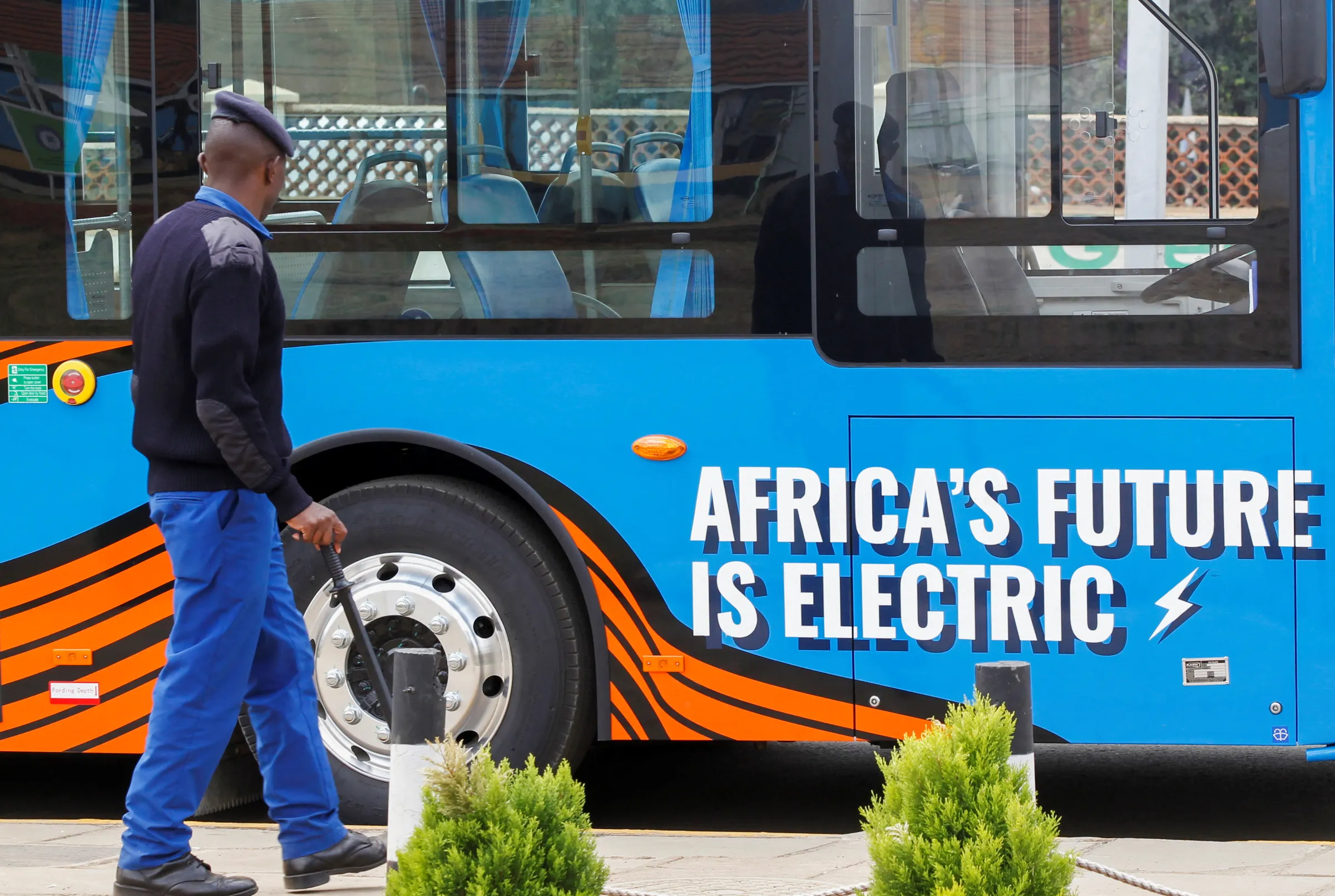
Africa's electric vehicle (EV) sector has mushroomed with governments and start-ups embracing e-bikes and cars in Kenya, Rwanda, Uganda and South Africa, among others.
The sector is expected to be worth $395 million in Africa by 2030, according to the Statista data site.
Africa currently has around 70 vehicles per 1,000 people, Rose Mutiso, founder and head of African
Tech Futures Lab, a tech institute, told Context, but she said this number was expected to roughly double by 2050.
African companies are designing, building and assembling electric vehicles locally, while experimenting with unique business and financing models, such as battery swapping or renting, which is also seen in the solar sector, Mutiso said.
Solar boom
Unreliable power across Africa is driving a boom in solar installation.
African imports of solar equipment from China rose by 60% in the past 12 months, according to think tank Ember.
Local solar start-ups are also meeting agricultural needs.
Kenyan social enterprise SunCulture uses solar-powered irrigation technologies to increase water efficiency for more than 50,0000 off-grid farmers, replacing polluting petrol-driven pumps.
Nigeria, Egypt, Morocco and South Africa are positioning themselves as solar producers, with Nigeria signing a $200-million agreement with the World Bank and other partners in March to develop solar grids in rural areas.
Tech vs galamsey
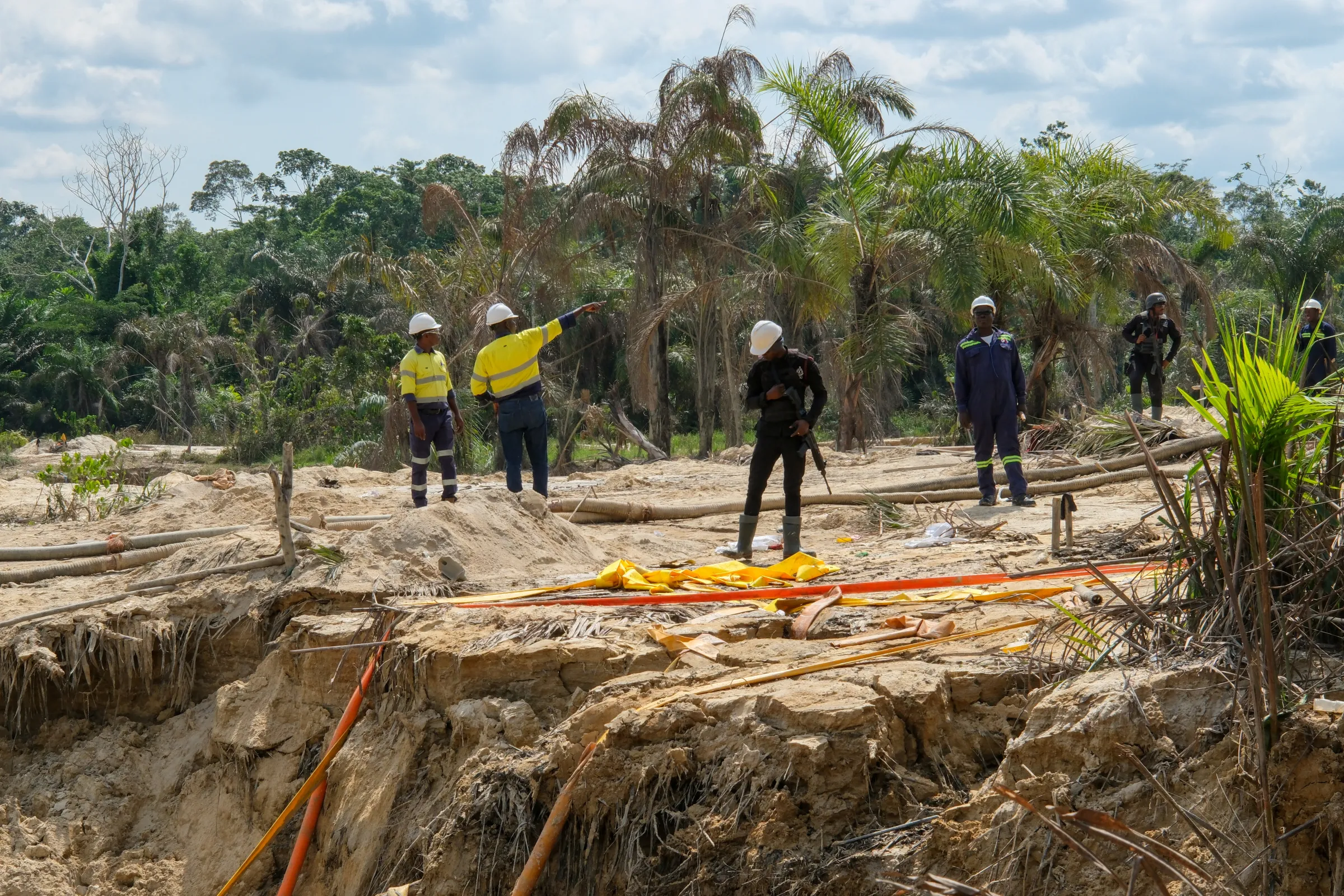
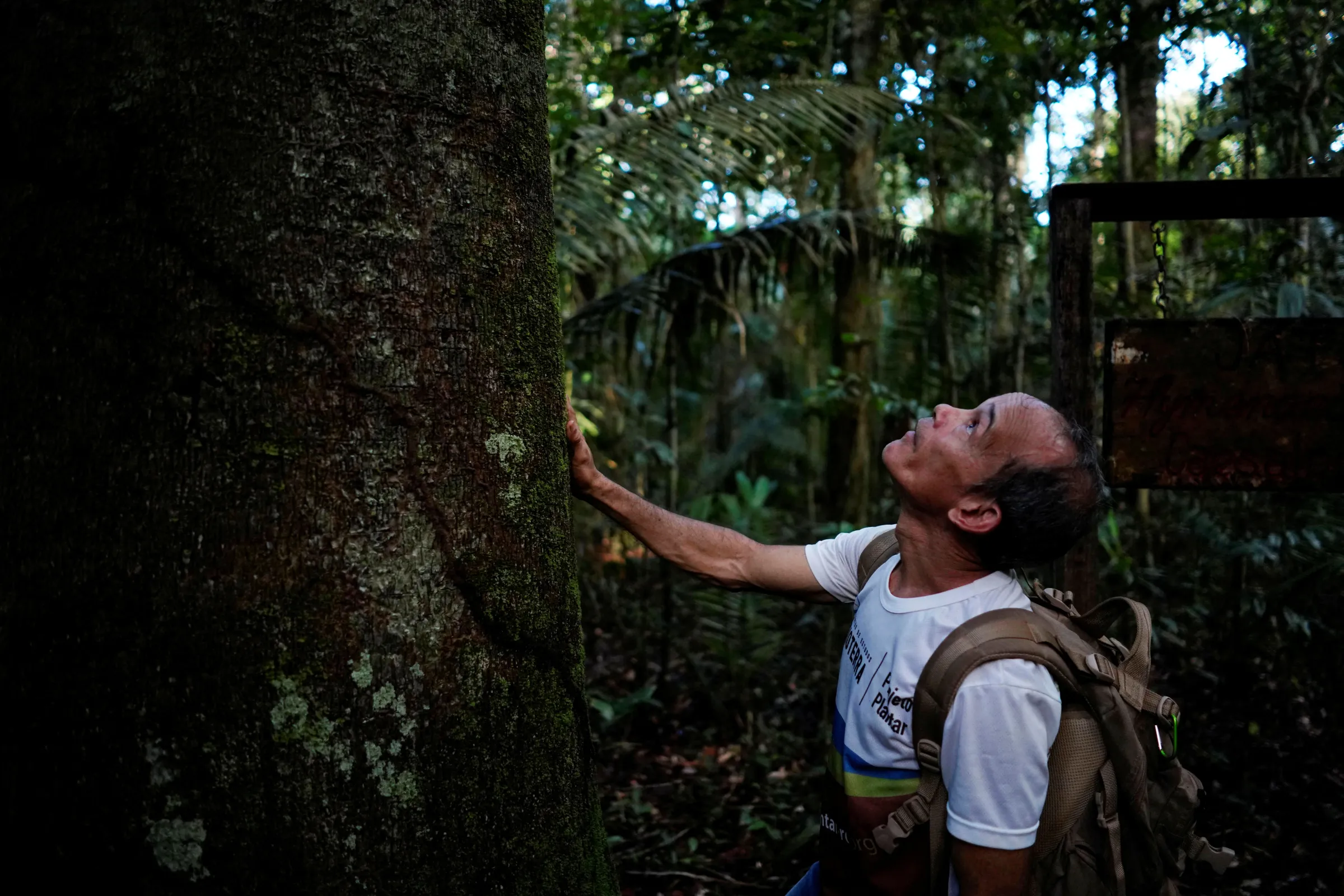
From Democratic Republic of Congo to Ghana, illegal mining in forest reserves is destroying protected ecosystems that absorb carbon emissions and protect the planet.
In Ghana, illicit gold mining, locally known as galamsey, has destroyed species and ecosystems in 44 forest reserves.
Now authorities are using AI, drones and intelligent GPS systems to track the movement of heavy mining equipment.
A taskforce made up of the police, the military and officials from the Environment Ministry says these tools have strengthened intelligence-gathering and led to arrests.
Officials say nine once-devastated forests have recovered from small-scale mining operations since the taskforce was launched in June.
Advanced flood response
In Nigeria, Google's AI tool Flood Hub and data from national authorities are being used to alert farmers to possible floods, and they also receive cash payments from aid agency International Rescue Committee (IRC) to prepare ahead of time.
These funds helped families in Kogi and Adamawa states, for example, to evacuate from low-lying areas to higher ground during floods in 2024 and reduce their losses.
The initiative, run by IRC with Google.org and Nigeria's meteorological agency, aims to harness data, technology and financial assistance to make vulnerable households more resilient.
(Reporting by Kim Harrisberg in Johannesburg and Bukola Adebayo in Lagos. Additonal reporting by Lin Taylor in London. Editing by Jon Hemming.)
Context is powered by the Thomson Reuters Foundation Newsroom.
Our Standards: Thomson Reuters Trust Principles