Protected area? Industry under fire for Philippine sea spill

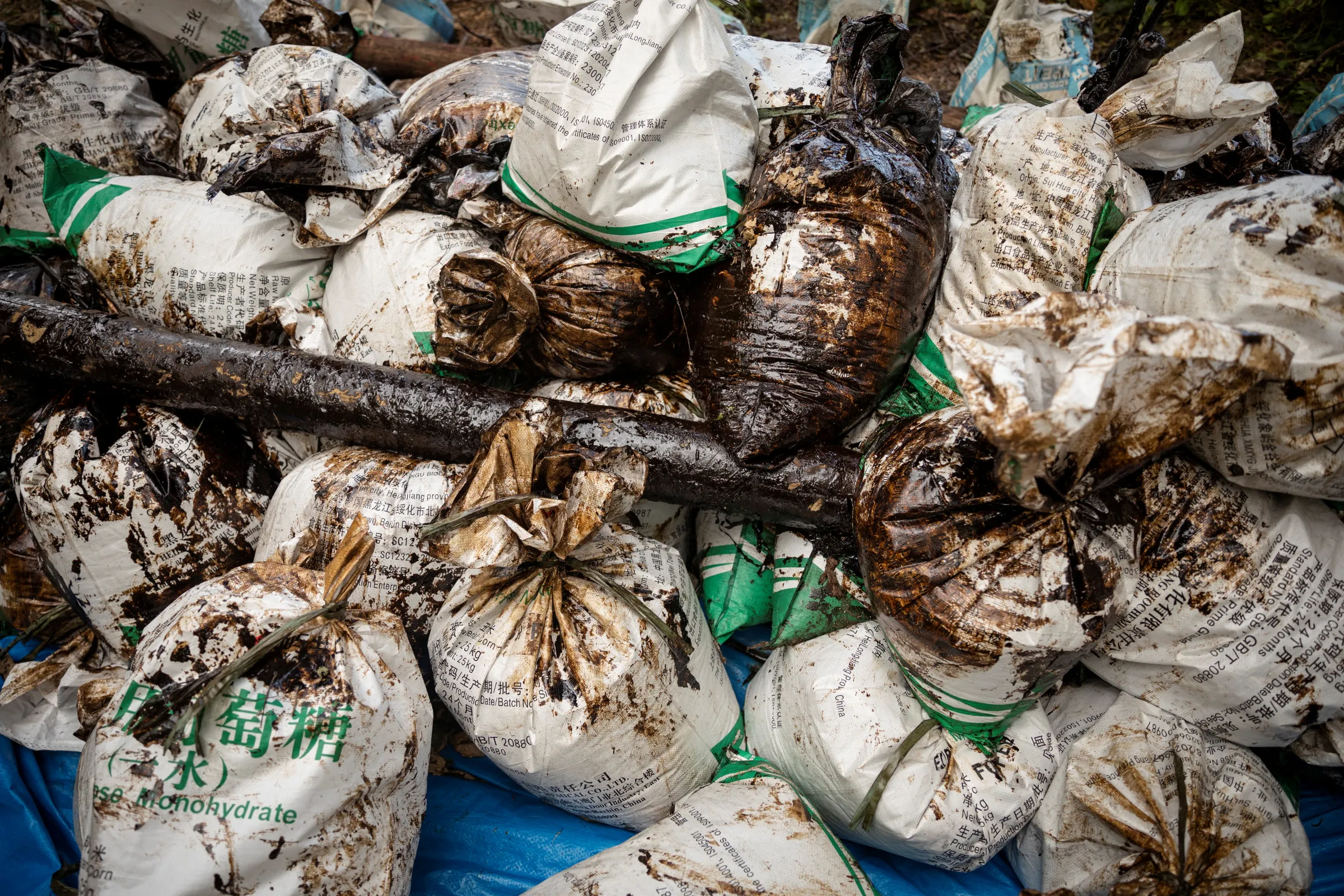
Sacks of waste gathered from the oil spill are placed on the shore of Pola in Oriental Mindoro province, Philippines, March 7, 2023. REUTERS/Eloisa Lopez
What’s the context?
Tañon Strait spill raises alarm over Philippine marine safeguards.
- Ethanol spill threatens Tañon Strait's marine biodiversity
- Long-term impacts feared on local fishing communities
- Marine conservationists demand full accountability
MANILA - A major industry spill that spewed toxic waste into a protected strait off the Philippines has raised concerns about governance of the nation's rich waterways and what can be done to safeguard dwindling biodiversity.
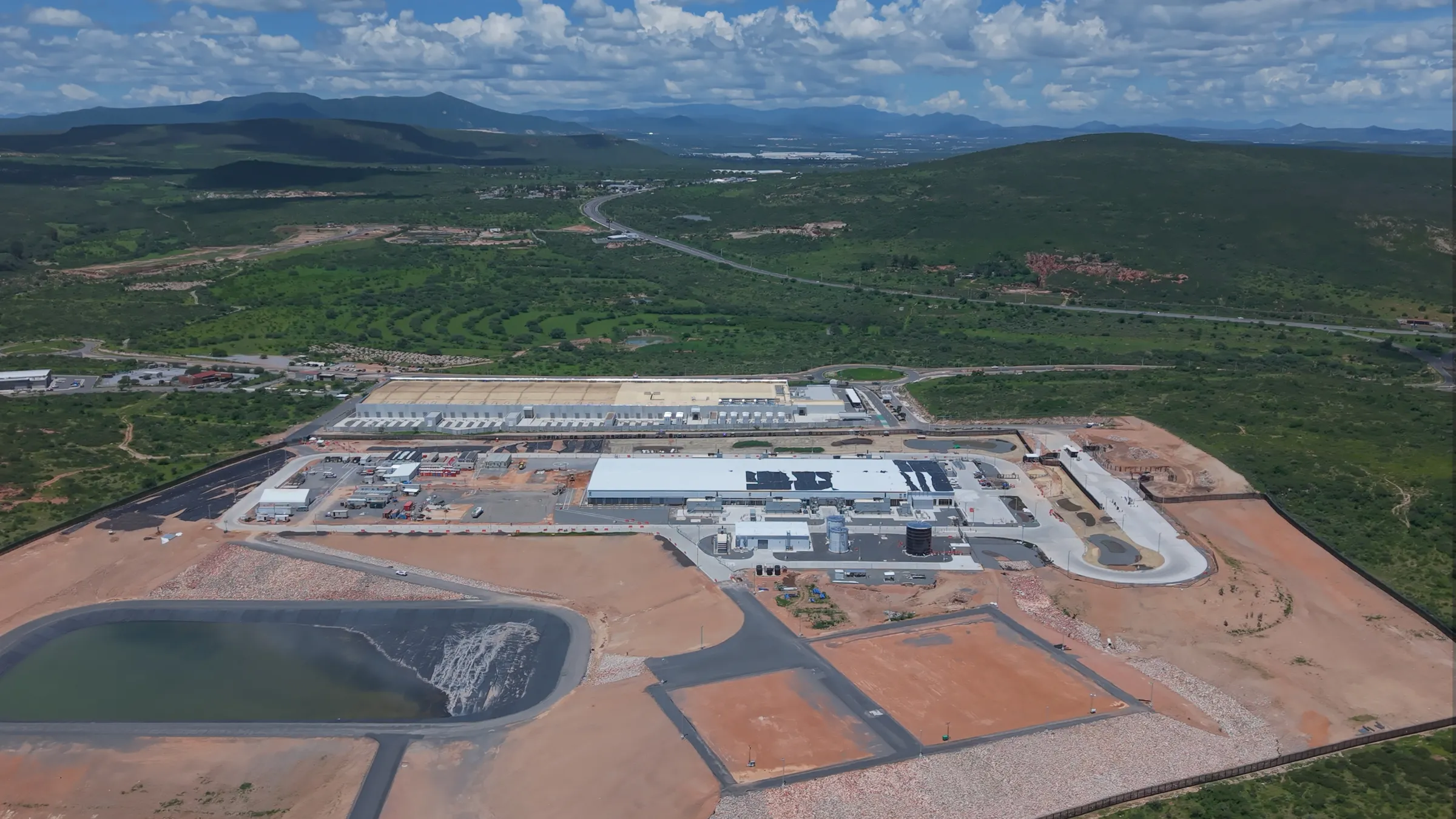
Conservationists said October's spill at a private ethanol distillery in Negros Island - an area prized for its abundant coral - resulted in 255,000 cubic metres of industrial waste polluting the Tañon Strait Protected Seascape.
Environmentalists say industry has no place in such delicate seascapes and needs better oversight if it is to operate.
"Allowing these industries to be constructed in a supposedly ecologically sensitive area, the Tañon Strait, is wrong," lawyer Liza Osorio of Oceana Philippines, a conservation group, told Context.
Universal Robina Corporation (URC), a big Philippine consumer brand that owns the distillery, has promised a proper cleanup and "full compliance with environmental standards."
Manila has also pledged to investigate - operating alongside local officials and other agencies - to "ensure accountability and implement rehabilitation measures in affected areas".
The spill, though, has raised questions about governance of the seas, the repercussions of letting commerce into protected areas, and who will pay for any cleanup or compensation.
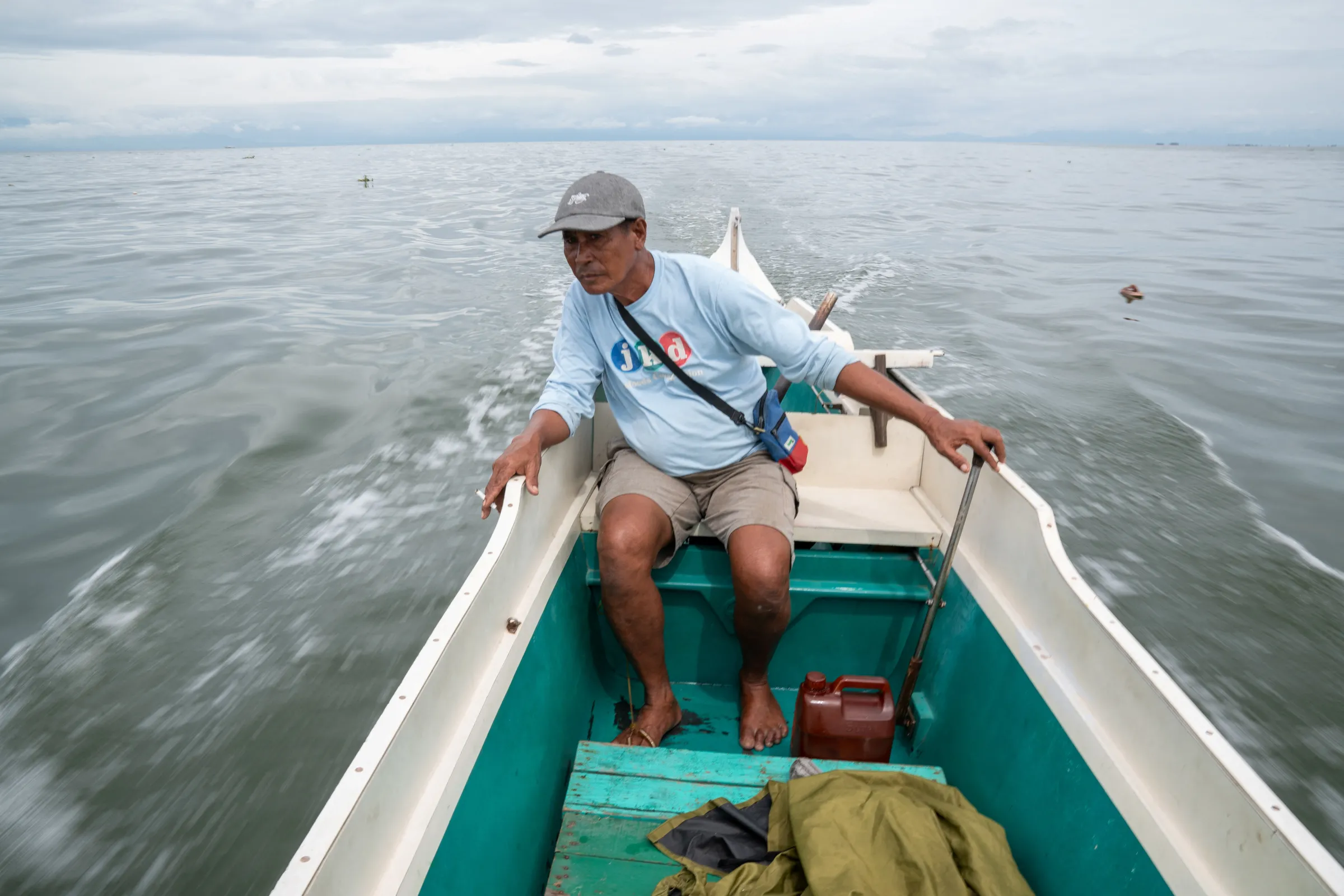
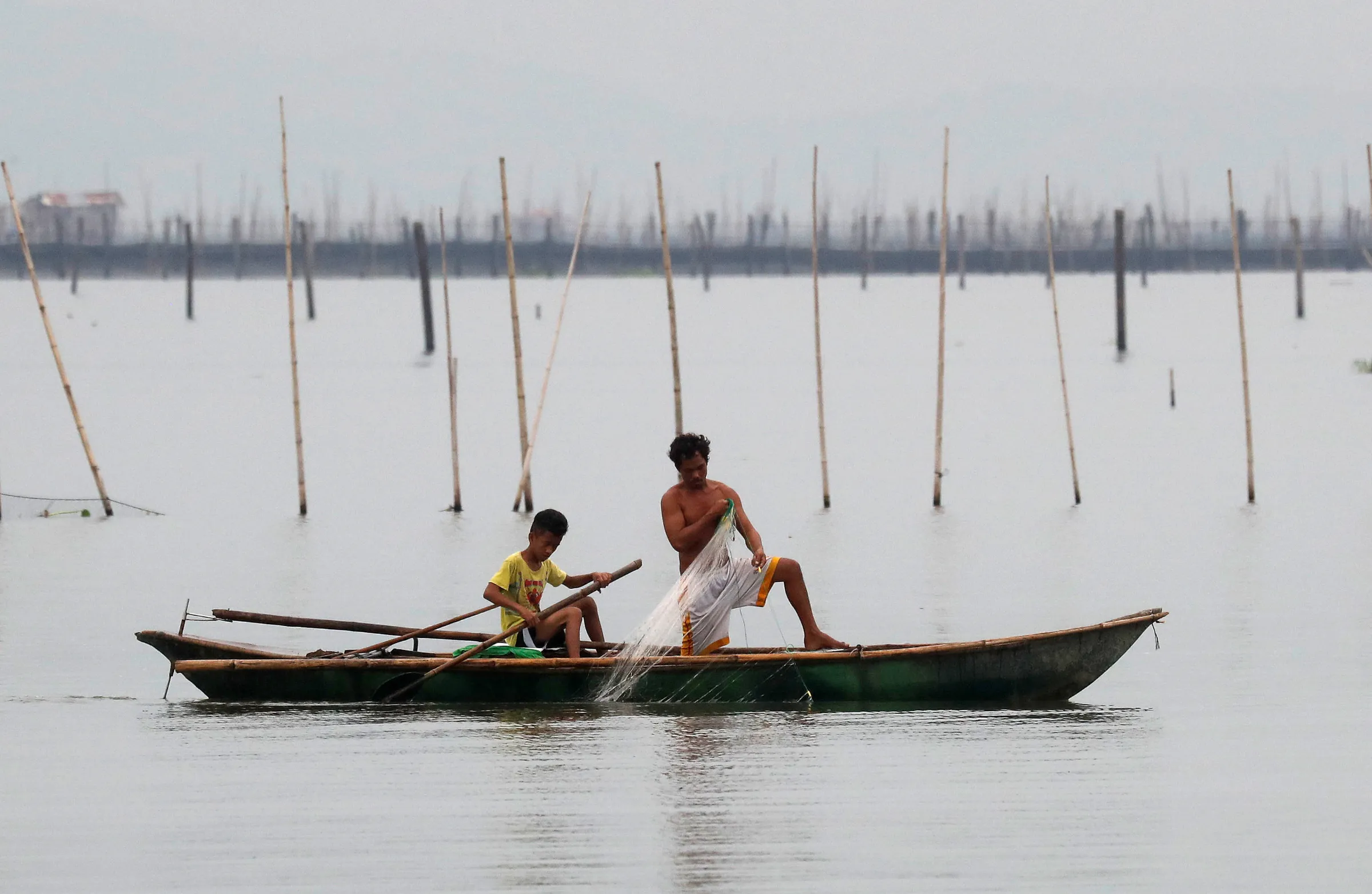
The spill has already affected thousands of Filipinos who fish for a living, and prompted the local government to suspend all fishing and tourism on the island.
But Osorio said the spill - the first known major ethanol spill in the Philippines - also shows weak regulation of protected seascapes: special marine areas guarded by Philippine laws to conserve marine life and ecosystems.
The zones are multiple-use, popular for fishing and tourism, but any industry must be approved by a management board with proper environmental impact assessment.
And Osorio said the ethanol plant behind October's spill had not been regulated with enough rigour.
"We need to be extra cautious about the conduct and approval of these industries in protected areas," she said.
The distillery and regulator both declined to comment.
Reef network
The Philippines has more than 2 million sq km (772,000 sq miles) of marine waters, part of a biodiverse reef network area known as the coral triangle.
The country has three protected seascapes - Panglao Island, Sarangani Bay and Tañon Strait - and another 1,800 marine protected areas, according to 2014 research by marine scientists from the University of the Philippines.
The affected strait has 18,000 hectares of coral reef, 5,000 hectares of mangroves and 14 species of whales and dolphins - the impact on all of these is due for investigation.
The distillery firm, Universal Robina Corporation, now faces a criminal complaint filed by the government for a range of alleged violations, including the dumping of toxic waste.
The company initially blamed the accident on earthquake damage and heavy rains, according to the Philippines government.
Distillery operations remain suspended three months later.
Context asked URC for comment and received no response.
Last month, the company said repairs were underway and that it was helping affected families with financial aid "until the situation goes back to normal".
But environmentalists fear there is no quick or easy fix.
Local scientists reported water discolouration after the spill, depleted oxygen levels and dead fish, all concerns that forced local fishing communities to move onto new ground.
Marine scientist Aileen Maypa said the lack of oxygen killed off the fish, which could in turn affect the reef's entire food chain, as well as nearby seagrasses and mangroves.
"That's a catastrophic cascade or collapse of the food web. So what will we harvest in the future if everything [dies]?" she told a press conference.
Polluted and over-fished
Despite having one of the highest marine diversities in the world, Tañon Strait is also a heavily exploited fishing area and under constant threat of plastic pollution.
Dumping toxic chemicals or non-biodegradable waste into protected areas carries big fines or imprisonment.
But Jessie Floren, Oceana's geographic information system expert, told Context that the monitoring of industry compliance with these environmental safeguards had fallen short.
Satellite imagery of the distillery by the European Space Agency showed that the October spill "was not an isolated case", and found there had been leakages in June, he said.
"Since 2015, fish kills had been happening in the area. This means there was no proper and regular monitoring," said Floren.
In emailed comments, the government said it had conducted a preliminary investigation into the case but could not comment on Oceana's specific allegations "given that the case is pending".
Accountability
Local fisherman Vincent Hernandez said he was among thousands who had been hurt by the spill and desperately needed immediate help as well as long-term compensation.
"Our call is for the government to provide us with direct aid and alternative livelihood so that we can still earn a living," said Hernandez, who is also local leader of Pamalakaya, a federation of small-scale Filipino fishers.
Hakson, an environmental organisation based in Negros Island, said the disaster followed "decades of unsafe waste management practices in the island’s agro-industrial sector".
The group called the spill a "predictable outcome" of the Philippines' development model that prioritises export businesses "over ecological safety and local accountability."
($1 = 58.8140 Philippine pesos)
(Reporting by Mariejo Ramos. Editing by Lyndsay Griffiths and Jack Graham.)
Context is powered by the Thomson Reuters Foundation Newsroom.
Our Standards: Thomson Reuters Trust Principles