


Meet Spain's first ambassador for global LGBTQ+ rights

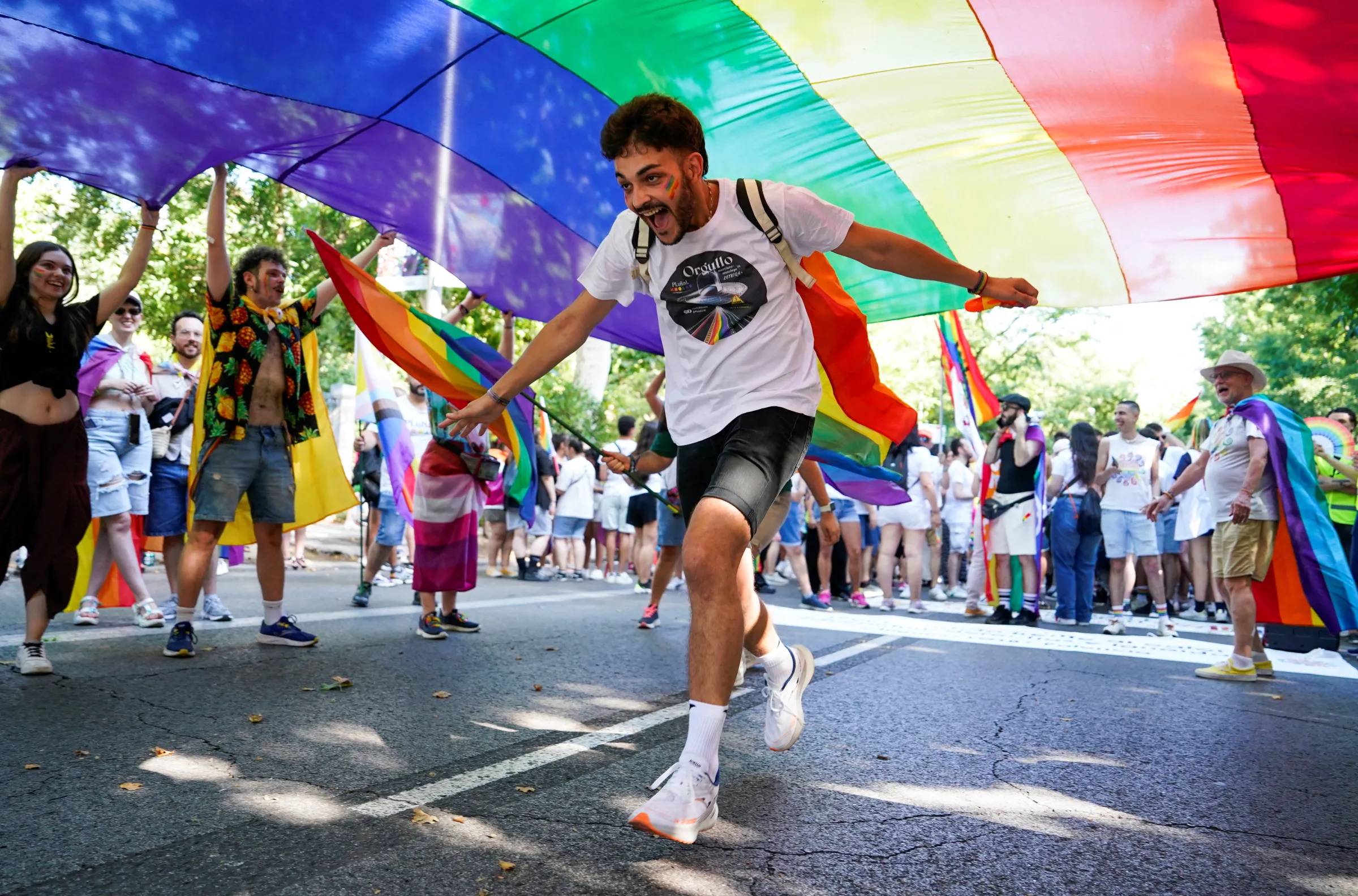
A person uses a megaphone during the annual LGBT Pride Parade in Madrid, Spain, July 5, 2025. REUTERS/Ana Beltran
What’s the context?
Spain's LGBTQ+ envoy Jorge Noval Álvarez says the world needs new leaders championing gay and transgender rights.
- Spain's first LGBTQ+ envoy to focus on decriminalisation
- Noval Alvarez appointed during grim year for LGBTQ+ rights
- Donald Trump left a similar position vacant in the U.S.
BERLIN - Spain's first LGBTQ+ rights ambassador has set two priorities; working to decriminalise same-sex relations around the globe and fighting anti-LGBTQ+ hate speech online.
"Spain has decided not to stand on the sidelines, and to take a decisive step in defending the LGBTIQ+ community," Jorge Noval Álvarez told Context in an interview.
"One of the priorities will be to decriminalise same-sex in countries where they are still prosecuted, and to combat the rise of hate speech on social media."
Noval Álvarez started his job in July last year, coming into office as U.S. President Donald Trump rolled back legal protections for LGBTQ+ communities, Russia widened a crackdown and more countries criminalised gay sex.
Spain is not alone in creating such a role - France, Britain and the United States have had dedicated diplomats advancing LGBTQ+ rights, while other countries, including Germany and Canada, have government commissioners promoting LGBTQ+ rights domestically.
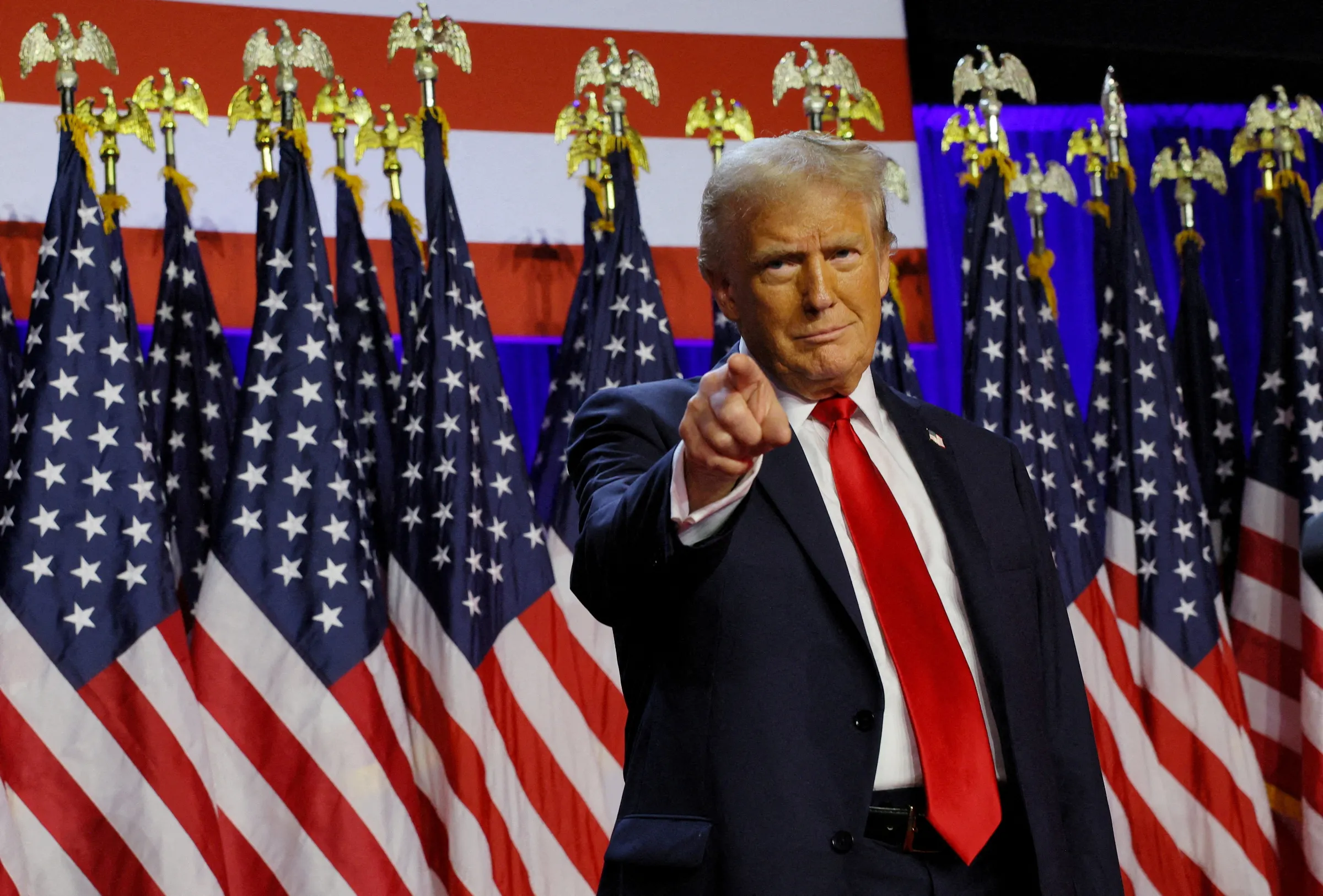
U.S. President Joe Biden appointed Jessica Stern as the country's second special envoy for global LGBTQ+ rights in 2021, but Trump left the post vacant after he took office a year ago.
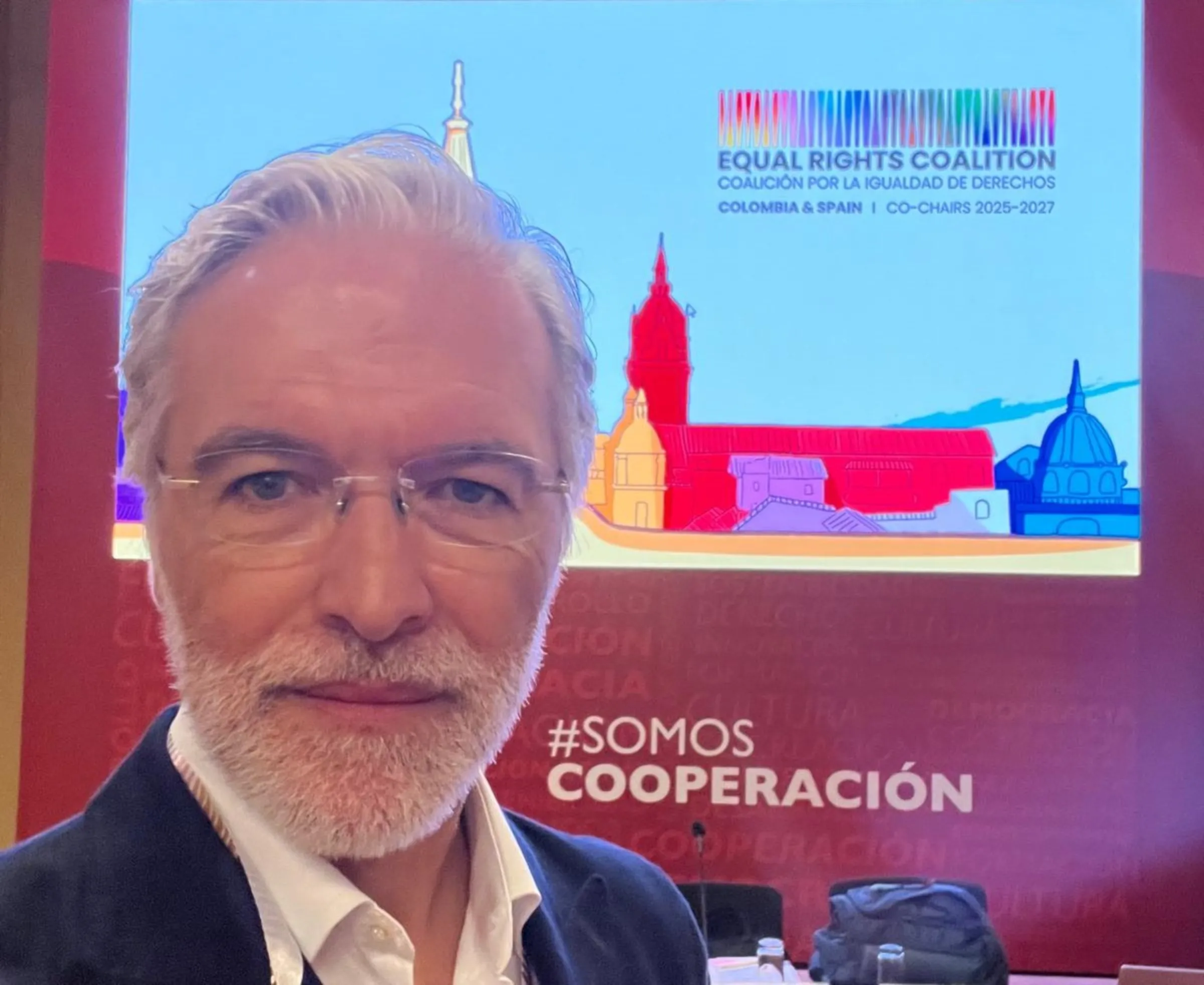
Spanish special ambassador for LGBTQ+ rights Jorge Noval Álvarez poses for a picture during a meeting of the Equal Rights Coalition in Cartagena, Colombia, on November 24, 2025. Thomson Reuters Foundation/Handout via Spain's Foreign Ministry
Spanish special ambassador for LGBTQ+ rights Jorge Noval Álvarez poses for a picture during a meeting of the Equal Rights Coalition in Cartagena, Colombia, on November 24, 2025. Thomson Reuters Foundation/Handout via Spain's Foreign Ministry
Britain also did not renew the position of special envoy on LGBTQ+ rights after the last holder ended his term in 2024.
"The creation of this new position strengthens Spain's international leadership on LGBTIQ+ rights," Noval Álvarez said.
Despite only becoming a democracy in 1978 after nearly four decades of dictatorship, during which same-sex relations were criminalised, Spain became the third country in the world to legalise same-sex marriage in 2005 and has since led the way on promoting rights in the region and beyond.
In 2023, the Spanish parliament passed a self-determination law that made it easier for trans people to change their legal gender, while last year the southern European country started to implement the world's most ambitious law to protect LGBTQ+ workers.
According to campaign group ILGA-Europe, Spain ranks fifth in Europe for LGBTQ+ rights protection, behind Malta, Belgium, Iceland and Denmark.
Swimming against the tide
The Spanish decision to champion LGBTQ+ rights abroad comes as other nations roll back actions and policies in the wake of anti-LGBTQ+ measures taken by the second Trump administration.
"The geopolitical situation has led to serious setbacks, as well as the need to find new points of reference given the abandonment of leadership by actors who have traditionally been very involved," Noval Álvarez said.
Trump has restricted legal recognition for trans Americans, threatened legal action against companies with diversity programmes, and cut millions of dollars in funding for LGBTQ+ rights initiatives around the world.
The president has also questioned the efficacy and purpose of the international multilateral system. He has withdrawn the U.S. from a number of United Nations bodies and cut funding.
By contrast, the Spanish government has chosen to double down on its multilateral LGBTQ+ advocacy, particularly within the U.N.'s LGBTI Core Group and as co-chair of the Equal Rights Coalition, an alliance of countries working on this issue that the United States left last year.
"Spain is very active in the promotion and defence of the human rights of LGBTI people all over the world," Noval Álvarez said.
Yet as more and more leaders in the Global South, particularly in Africa, frame LGBTQ+ rights as a Western import and a "new form of colonialism," he said discretion could also be a powerful ally.
Bilateral diplomacy initiatives, he said, "allow us to act more discreetly, but often more effectively, and avoid counterproductive reactions by enabling us, in less exposed settings, to argue that this is not an exclusively Western issue, but a global one in the defence of human rights."
Noval Álvarez is working against the clock to bring about lasting change because right-wing and far-right forces, who have traditionally opposed LGBTQ+ rights, are surging in the polls ahead of Spain's general election next year.
"LGTBIQ+ rights are the decisive frontier of democracy in the 21st century," he said.
(Reporting by Enrique Anarte in Berlin; Editing by Jon Hemming)
Context is powered by the Thomson Reuters Foundation Newsroom.
Our Standards: Thomson Reuters Trust Principles
Tags
- LGBTQ+
Featured
Go Deeper



MORE ON Socioeconomic Inclusion
Latest on Context

- 1
- 2
- 3
- 4
- 5
- 6