Context is powered by the Thomson Reuters Foundation Newsroom.
Our Standards: Thomson Reuters Trust Principles


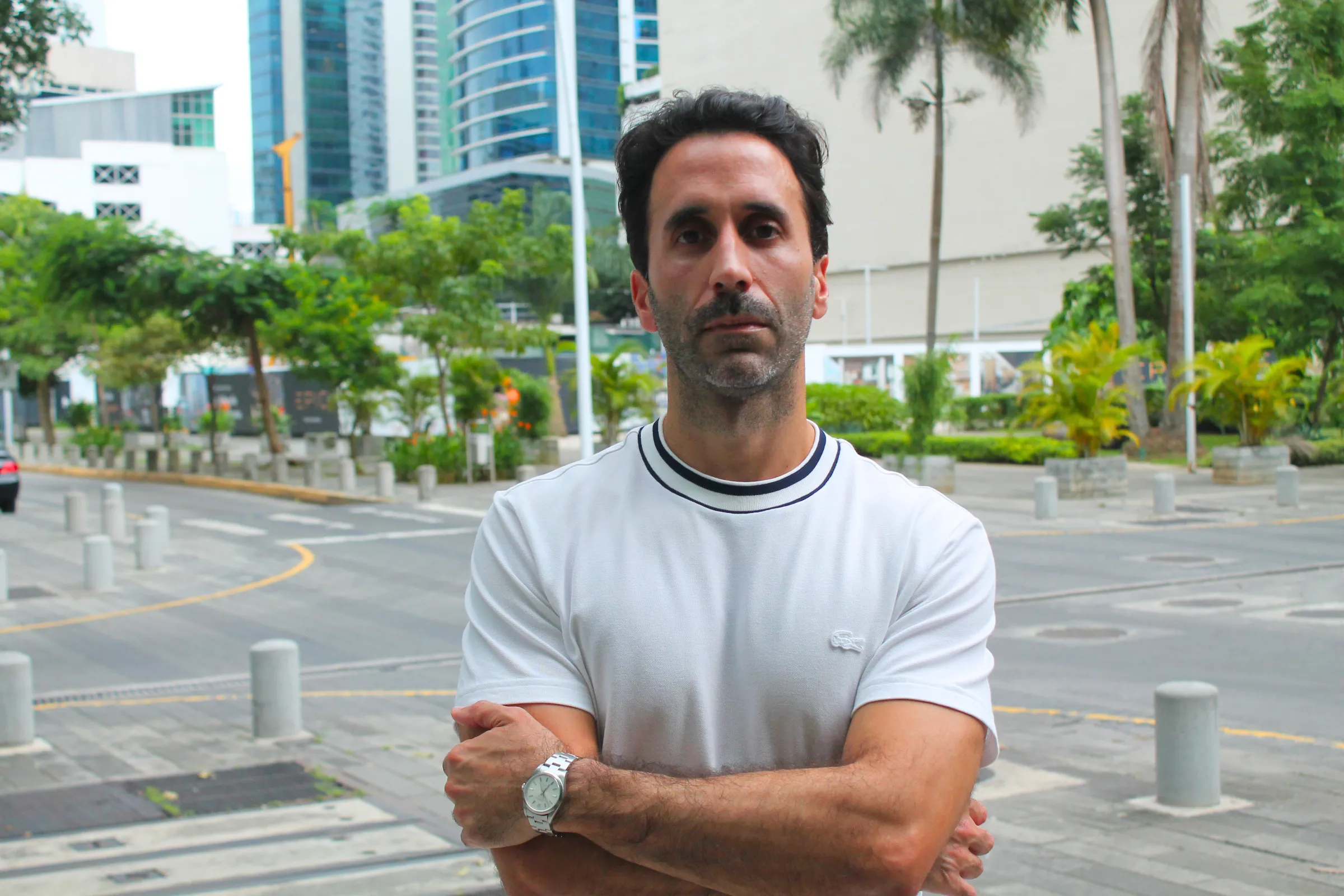
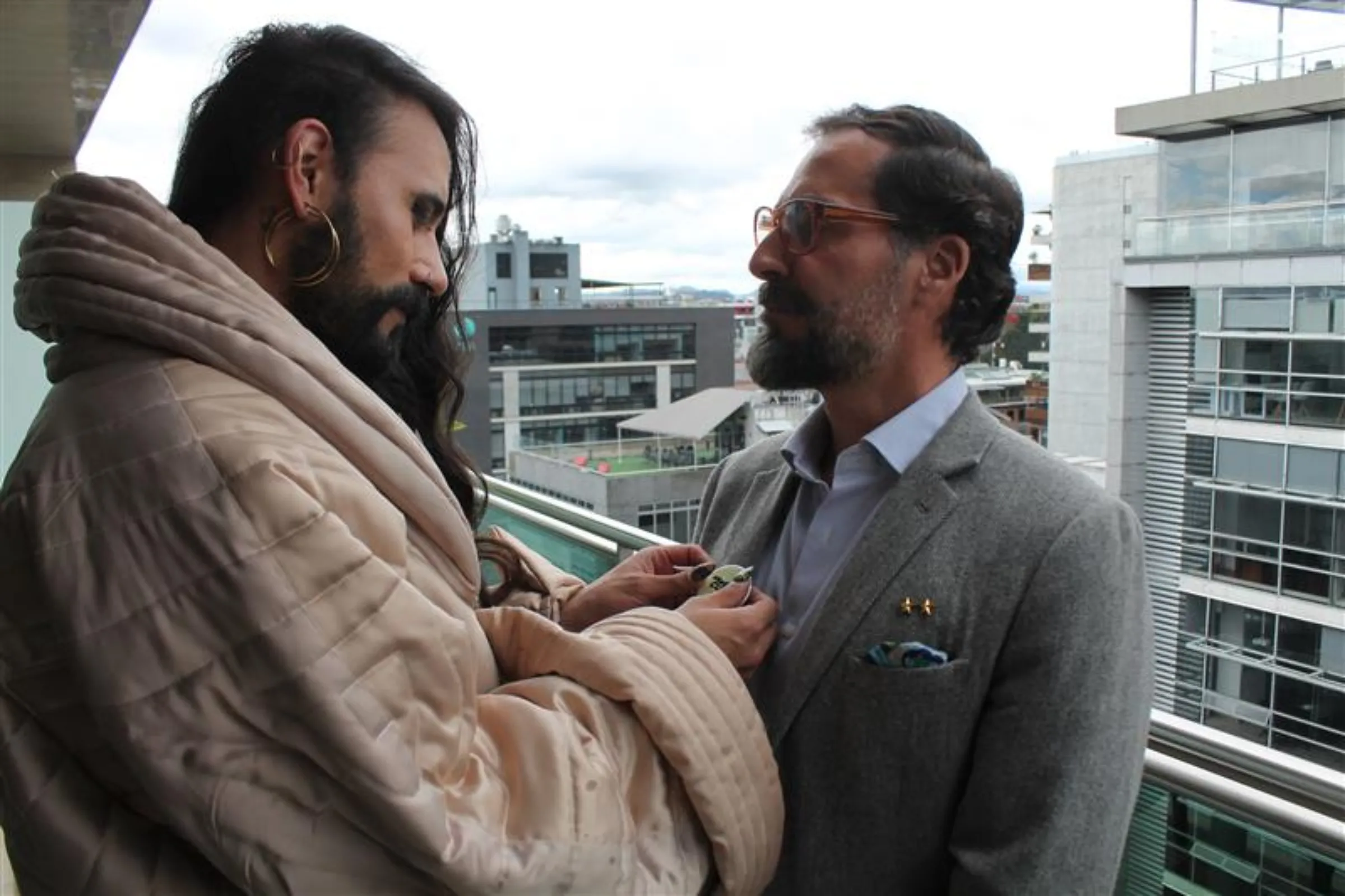
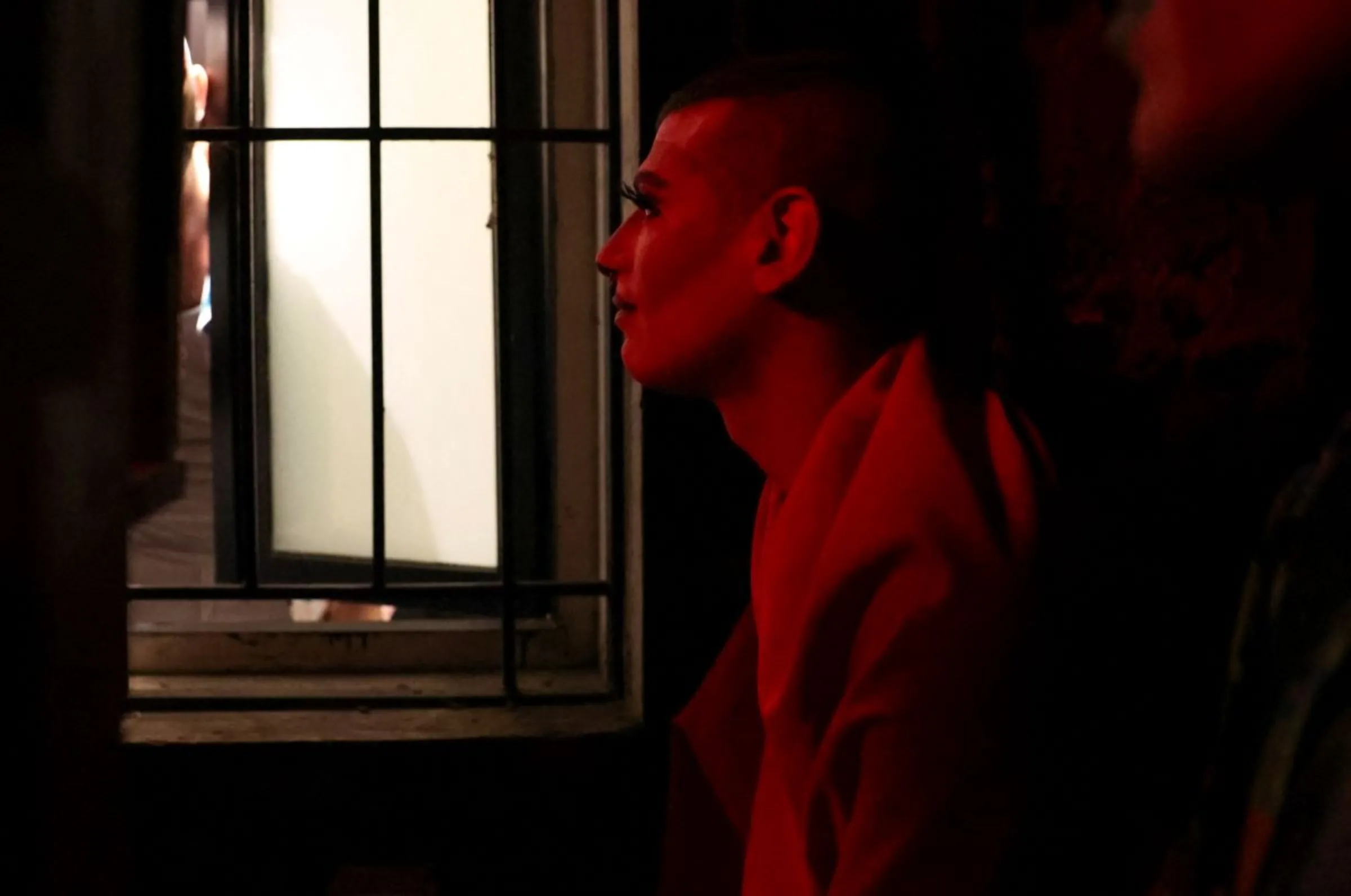
Panamanian LGBTQ+ activist Iván Chanis poses for a picture after an interview in Panama City, Panama on November 28, 2025. Thomson Reuters Foundation/Enrique Anarte
Scientists and LGBTQ+ activists say Panama's ban on gay and bisexual men donating blood is outdated and discriminatory.
PANAMA CITY - Luis, a 26-year-old Panamanian man, has tried to donate blood four times in his life. The first time he was rejected. The other three times, he was allowed to do it only because he hid the fact that he has a boyfriend.
"I felt dirty, as if I was sick," Luis said of his first attempt to give blood to an ailing family member. He used a pseudonym because he feared the legal implications of breaching Panama's rules banning gay and bisexual men from donating blood.
Many countries, including Panama, introduced blood donation controls in the 1980s early in the HIV/AIDS epidemic.
But the COVID-19 pandemic saw severe blood shortages worldwide when lockdowns meant people could not donate blood.
Since then, several countries from the United States and Germany to Britain and Australia have lifted or relaxed policies restricting gay and bisexual donors, arguing that technology to check blood for potential issues has improved.
Activists have long said bans and restrictions on LGBTQ+ donors were outdated and stigmatising.
But Panama, a Central American country of 4.5 million inhabitants, has maintained its restrictions, creating a dilemma for LGBTQ+ individuals who want to help sick friends, family members and fellow citizens.
Last year, Luis had to lie again to provide blood for a family friend in hospital.
"I panicked when I got to the hospital, because I suddenly remembered I have a Pride flag tattoo on my left arm, so I begged them to use the right one," Luis told Context.
"I felt under surveillance."
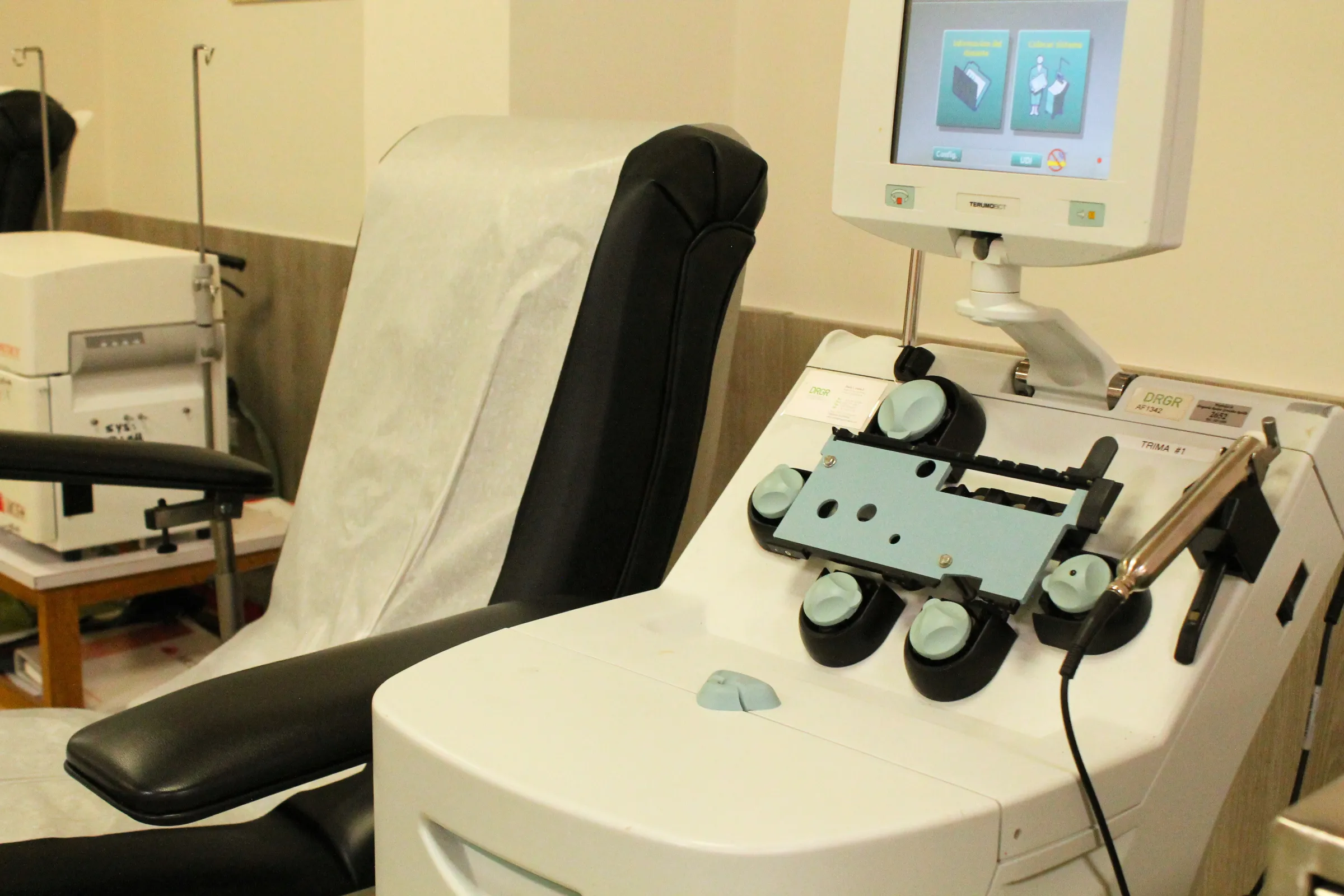
An empty bed at a blood donation center operated by Fundación Dona Vida in Panama City, Panama, on December 1, 2025. Thomson Reuters Foundation/Enrique Anarte
An empty bed at a blood donation center operated by Fundación Dona Vida in Panama City, Panama, on December 1, 2025. Thomson Reuters Foundation/Enrique Anarte
In 2008, Panama became the last country to decriminalise same-sex relations in Latin America. Since then, there has been little progress on LGBTQ+ rights.
Gay and lesbian couples are not legally recognised, the internal rules of the national police classify homosexuality as a "grave offense" punishable with dismissal, and LGBTQ+ people are not protected from discrimination in education, healthcare or the workplace.
The Supreme Court ruled in 2023 same-sex marriage was not a constitutional right in response to challenges by couples who sought to have their marriages performed abroad recognised in Panama.
"The lack of legislative and judicial progress shows that Panama is not ready to recognise LGBTI people's rights," said Iván Chanis, president of Fundación Iguales, an LGBTQ+ group.
He and his brother, also a gay man, were barred from donating blood when their mother had to undergo a life-or-death operation.
Scientists say bans not only discriminate against LGBTQ+ people but also pose a threat to healthcare systems by excluding healthy donors.
Panama's blood supply is organised primarily through a network of public and private hospital-based blood banks, rather than a single, centralised national service. The system relies on a mix of voluntary and replacement donations.
Replacement donations, in which relatives or friends give blood to patients undergoing surgery or treatment, are common, but health authorities say a transition to regular voluntary blood donation would reduce chronic shortages.
The health ministry said in January blood banks were in a critical situation, with supply below 40% of capacity.
"If you are relying on a real scientific criterion, you should evaluate a potential donor based on their individual sexual behaviour - whether it's risky or not," said Macarena de la Rubia, president of Fundación Dona Vida, a non-profit working to boost blood donations in Panama.
Some HIV blood tests can now detect infection within two weeks of exposure.
"As things stand today, it does not make sense to treat all homosexual and bisexual men as people with risky behaviour," de la Rubia said.
She said Panama faces especially severe blood shortages from November to March during nationwide Christmas and Carnival celebrations.
Panama's health ministry did not respond to several requests for comment.
Lifting restrictions widens the pool of potential donors, although it is hard to quantify whether the policy changes in other countries have led to a surge in blood donations from gay and bisexual men, because many of the nations that have taken this step no longer ask donors about their sexual orientation.
"However, we have seen a positive response, with many newly eligible individuals now working with us to give blood, host blood drives and volunteer at blood drives," said Daniel Parra, media relations lead at the American Red Cross.
In 2023, the U.S. Food and Drug Administration (FDA) replaced screening questions targeted at men who have sex with men with a gender inclusive, individual risk based questionnaire for all donors.
"Since implementing the FDA's individual donor assessment, more than 10% of individuals in our system who had previously been unable to give under the prior policy, and who we informed of the change, have returned to donate blood with the Red Cross," Parra said.
"And more than 60% of these individuals who have returned have donated multiple times since the change."
For gay and bisexual Panamanians, the ban reinforces existing stigma around homosexuality and HIV in a country where conservative groups have long opposed efforts to include sex education in schools.
"The fact that a policy says you are permanently excluded and that you will forever be a high-risk person really weighs on us," said Ángel Garay, a 25-year-old Panamanian man who was rejected when he tried to donate blood for his sick uncle.
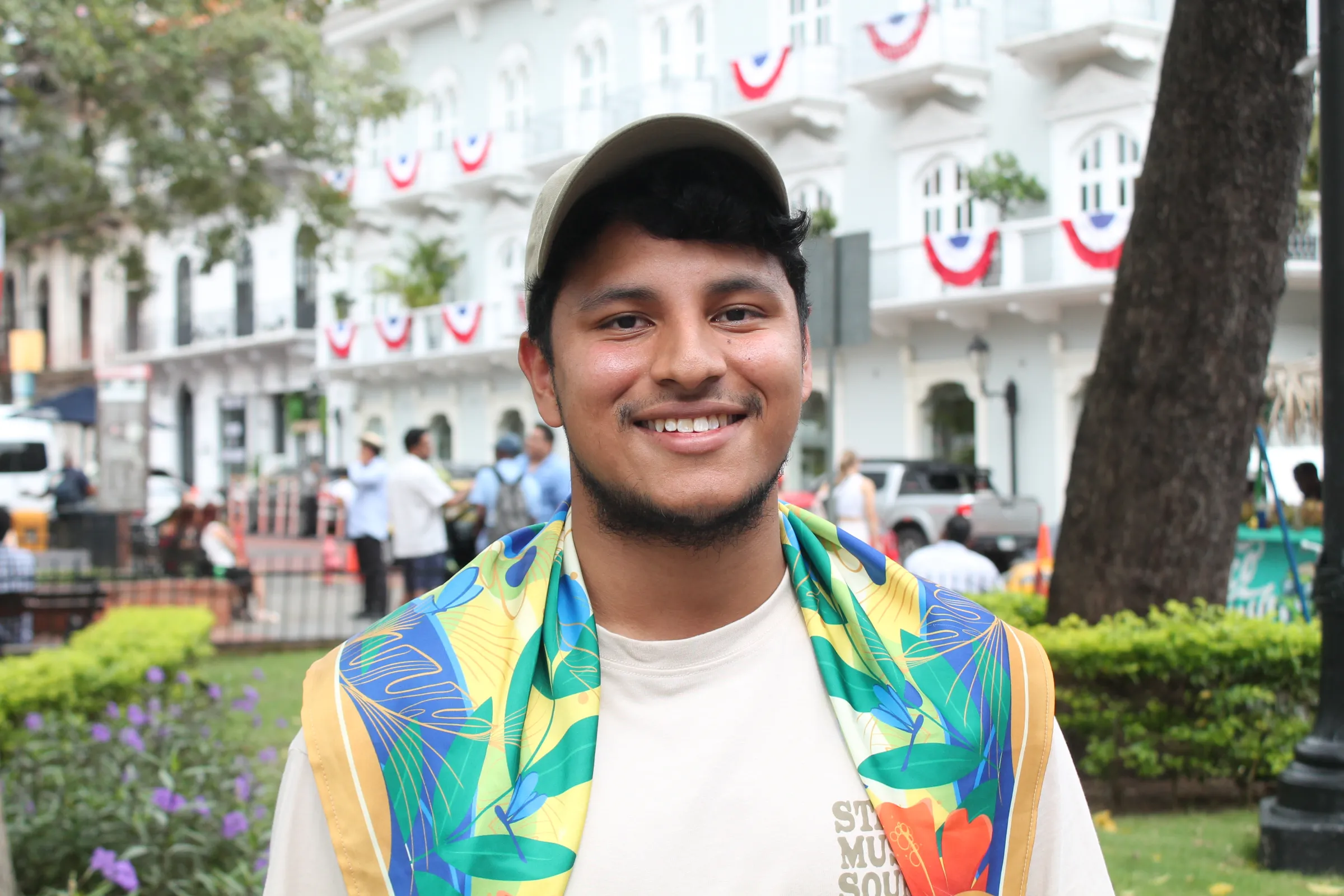
Ángel Garay, a 25-year-old Panamanian gay man, poses for a picture after an interview in Panama City's old town, Panama on November 29, 2025. Thomson Reuters Foundation/Enrique Anarte
Ángel Garay, a 25-year-old Panamanian gay man, poses for a picture after an interview in Panama City's old town, Panama on November 29, 2025. Thomson Reuters Foundation/Enrique Anarte
"But what hurt me the most was that a family member needed my help, and I could not do anything to help him."
Panama has never had openly LGBTQ+ lawmakers, and very few members of parliament have publicly supported legal changes in favour of this minority.
In 2023, an MP brought forward a proposal to revoke the blood ban, but parliament was dissolved for a 2024 election before a vote.
For Chanis, the policy is simply no longer fit for purpose.
"Science has already moved forward," he said.
(Reporting by Enrique Anarte; editing by Ayla Jean Yackley.)
Context is powered by the Thomson Reuters Foundation Newsroom.
Our Standards: Thomson Reuters Trust Principles