Five climate adaptation ideas to watch in 2026

Explainer
Explainer
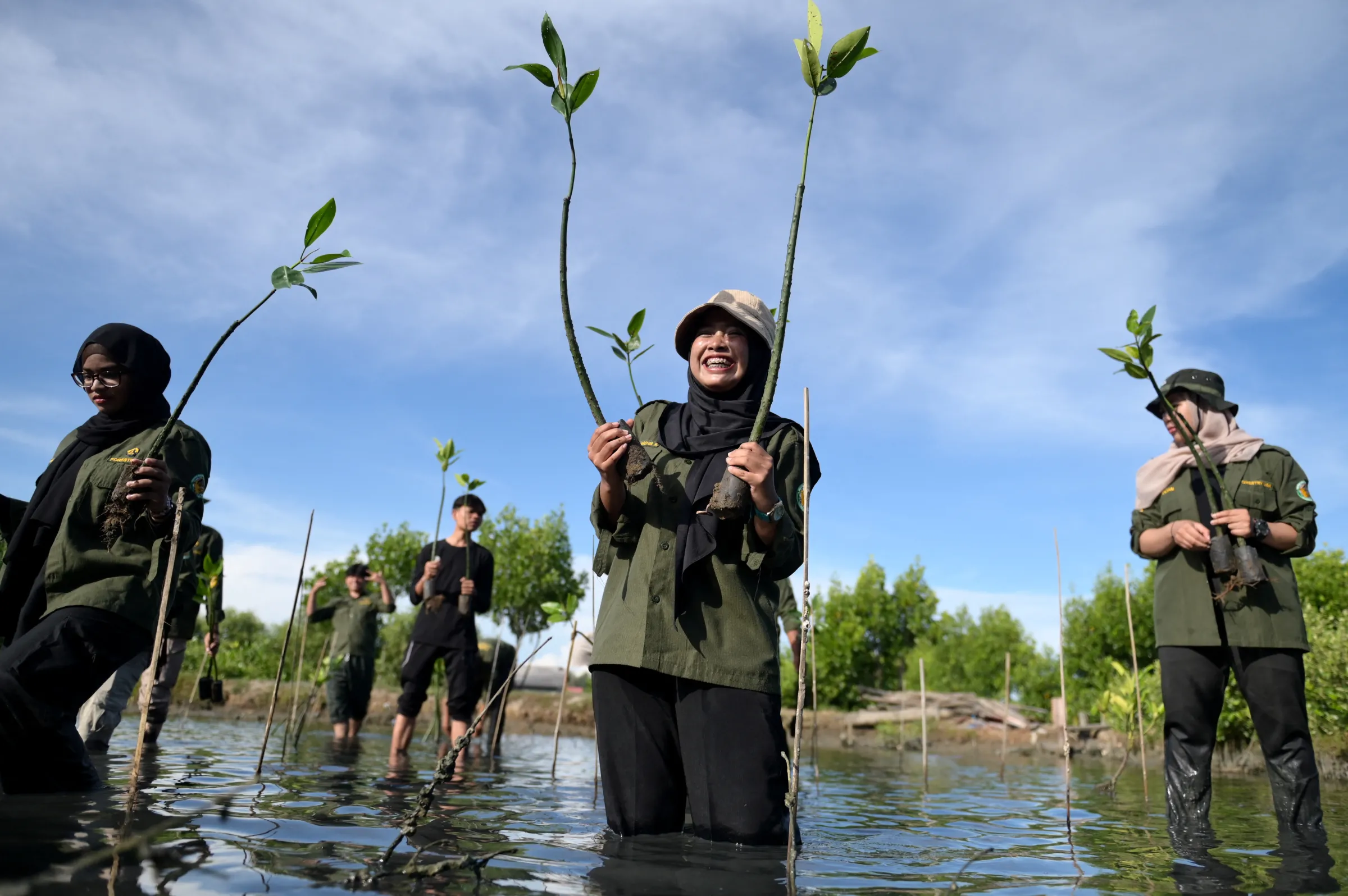
University student react as they take part in mangrove planting to mark Earth Day in Banda Aceh, Indonesia, April 22, 2025. REUTERS/Riska Munawarah
What’s the context?
Local adaptation models are being used to redesign community responses to climate change.
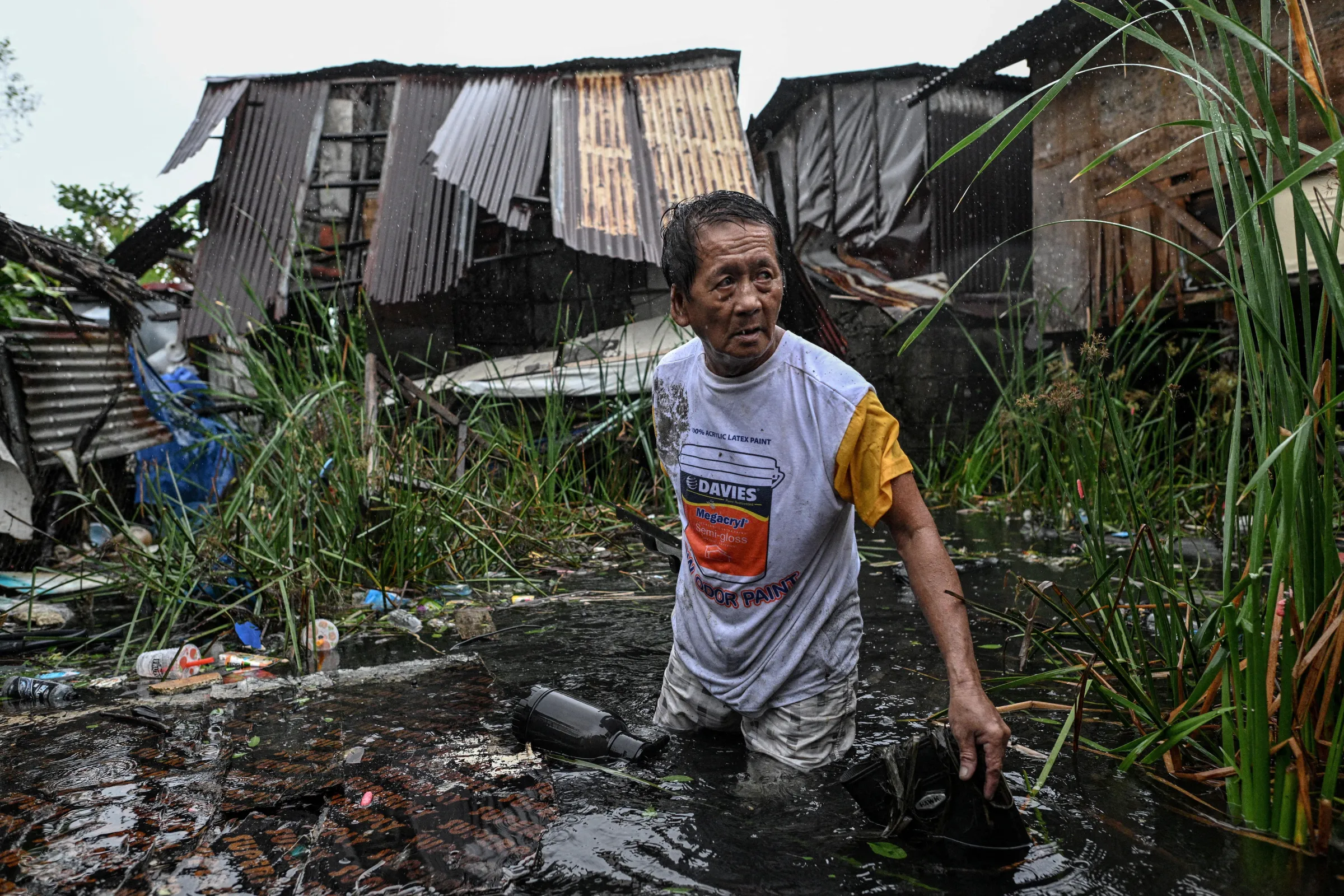
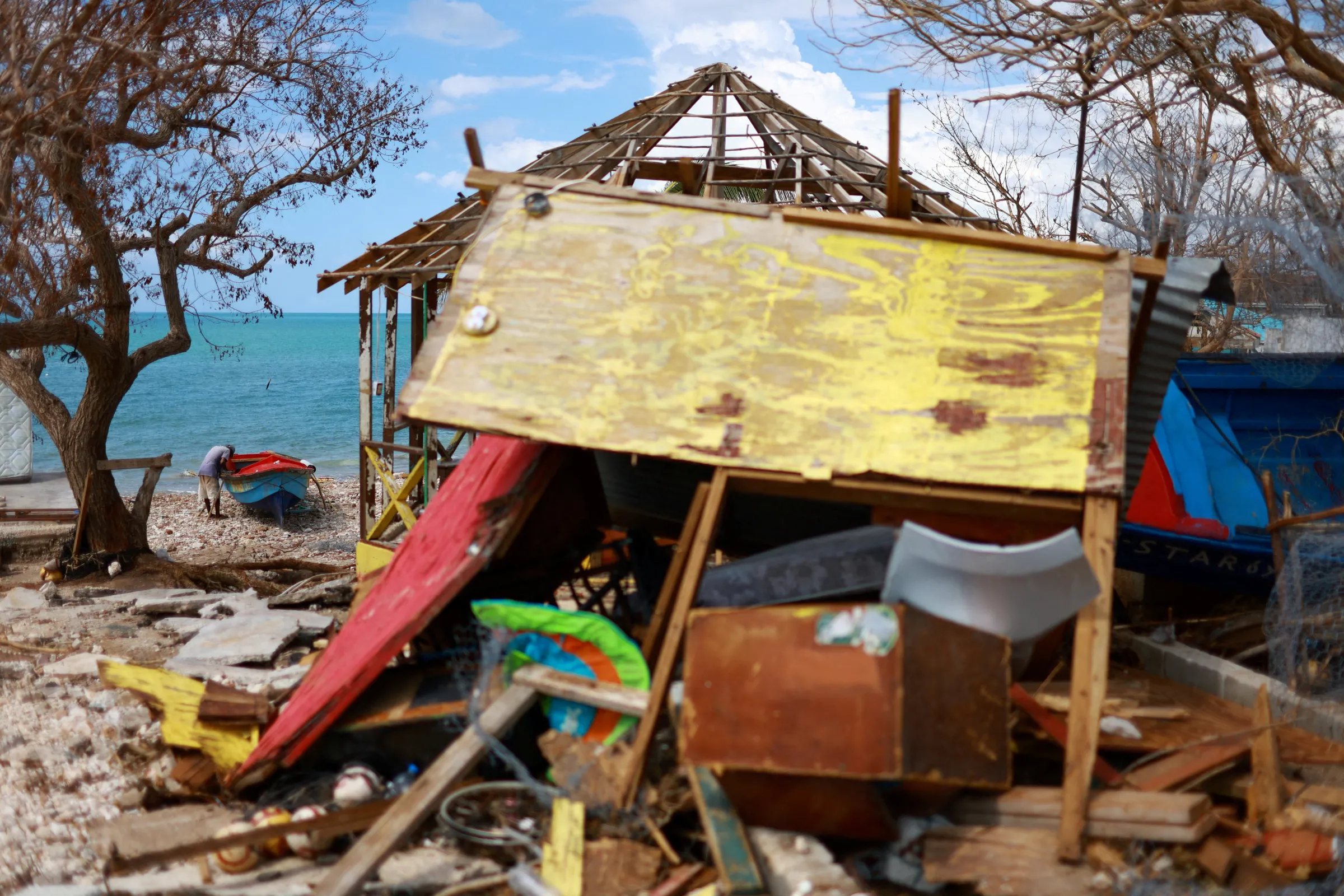
MANILA - From adding finance to making sure loss and damage funds reach vulnerable populations, climate adaptation is an increasingly crucial topic as extreme weather events disrupt daily life.
Around the world, local adaptation models are redesigning how communities respond to a harsher climate, such as coastal cities turning to mangrove restoration and resilient agriculture.
From the Philippines to Ethiopia, here are some examples of local strategies helping frontline communities adapt to climate change:
Nature-based solutions
In the Philippines and Indonesia — among the most disaster-prone countries in the world — mangroves that serve as coastal protection and carbon storage are helping protect communities from deadly waves and storm surges.
Mangroves are natural carbon sinks, acting as buffers from typhoons, rising seas and soil erosion.
In the Philippines, after decades of mangrove loss, local leaders are creating 100-metre-wide “coastal greenbelts,” or strips of mangroves, beach forest and wetland vegetation as natural coastal buffer zones.
More than 1,000 hectares of mangroves and related ecosystems have been established or protected since 2022, and the greenbelt initiative is considered a model for coastal areas nationwide.
In Indonesia, islanders, particularly women, are leading mangrove planting efforts in response to rising seas and worsening tidal floods.
They filed a climate lawsuit against Holcim, a large cement company, accusing it of contributing to global carbon emissions responsible for sea-level rise that is harming their island.
Climate-proofing schools
Global warming is taking a toll on children’s learning around the world.
According to an analysis by the United Nations Children's Fund, at least 242 million students in 85 countries had their schooling disrupted by extreme climate events in 2024, including heat waves, tropical cyclones, storms, floods and droughts.
Solutions like air conditioning are a costly response that also worsens climate change.
In Burkina Faso, Kenya and India, architects are using passive-cooling designs such as clay or earthenware walls, cross-ventilation and elevated roofs to keep classrooms cooler, tapping into local materials and renewable energy like solar power.
Climate-smart schools could be a model for low-cost and low-carbon infrastructure to address the threat of extreme heat to education.
Ecotourism and community-based efforts
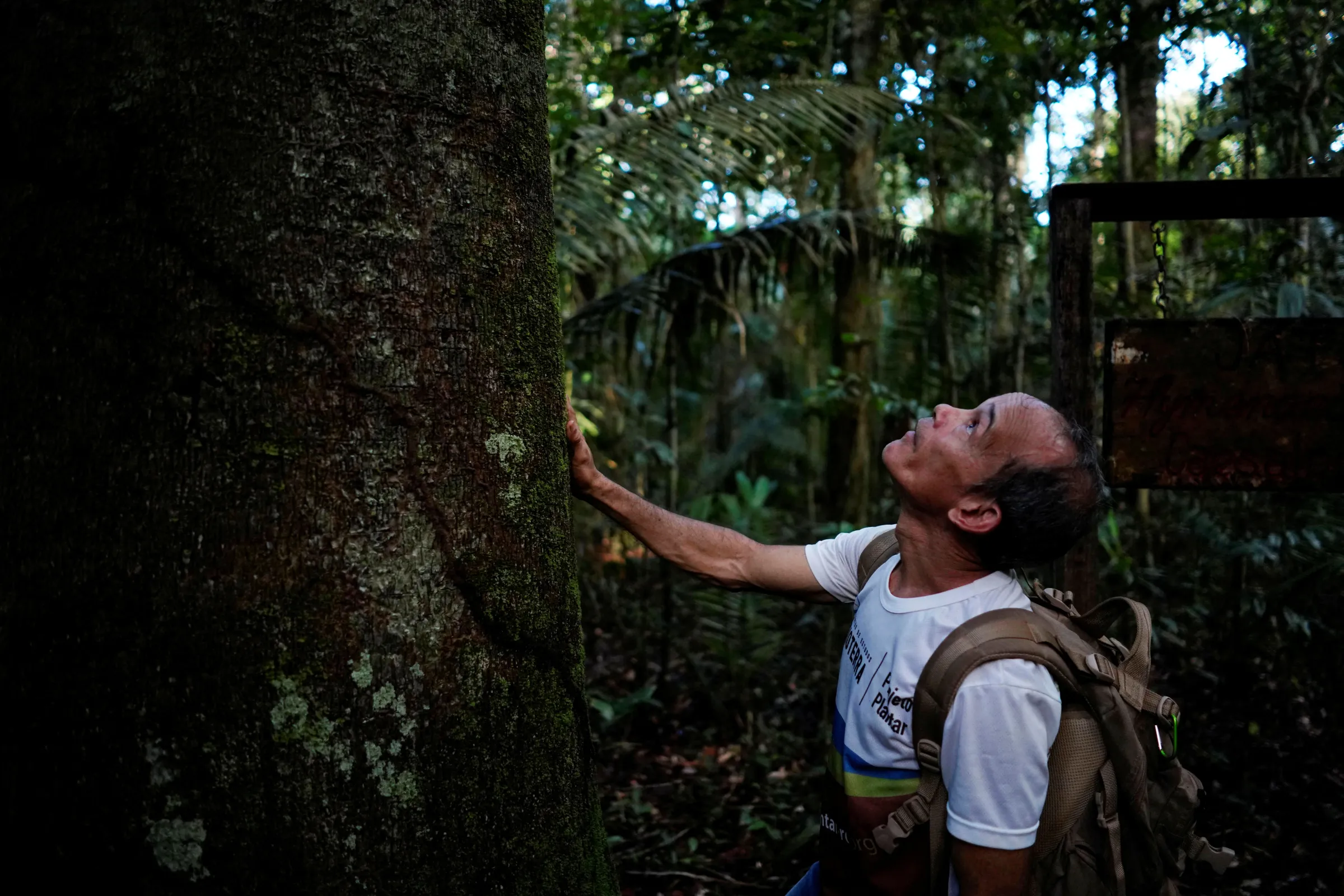
In regions where deforestation, illegal logging and habitat destruction are rampant, residents have found community-based solutions to conserve forest and coastal resources.
In a national park in Indonesia’s West Java, a women-led initiative of ecoprinting, which is transferring natural pigments of local rainforest plants onto fabric, provides income to communities without relying on destructive practices such as logging and deforestation.
Ecoprinting jobs help families survive in a region where logging or mining are the usual sources of income.
Ecotourism, which promotes responsible travel in nature-rich areas, also aims to conserve the environment and support the livelihoods of local communities.
Since 2014, the local government of Del Carmen in Siargao, Philippines, has retrained illegal fishers and mangrove cutters to become ecotourism operators and plant mangroves.
Instead of engaging in destructive sources of income like mangrove cutting, residents now offer guided tours around the mangrove reserve to support its conservation.
Climate insurance and labour adaptation
Insurance is considered an underused tool in building climate resilience among low-income or informal workers, and labour adaptation can help workers facing climate risks.
Nicaragua introduced so-called climate-risk microinsurance in 2021 to support farmers and small-business owners exposed to extreme weather.
Guatemala’s government initiated a similar programme, called Catastrophic Parametric Insurance, to protect the livelihoods of family farmers against severe climate risks.
The programme fully funds the costs of the insurance for farmers, who are paid in the event of a triggering event or after heavy rainfall.
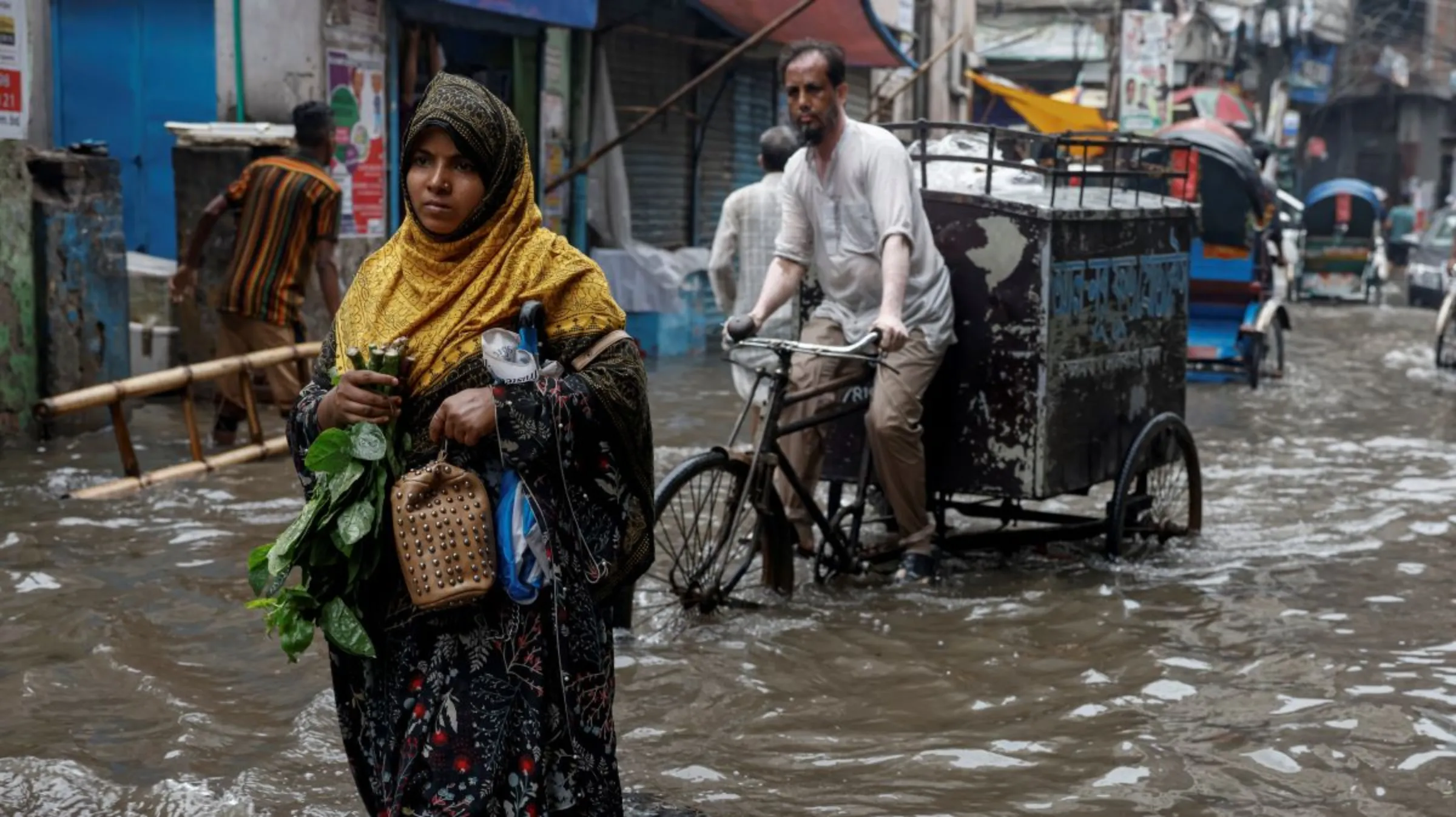
In Bangladesh, workers in the global garment industry are increasingly exposed to climate hazards such as heat stress and flooding.
Improving conditions in garment-making factories, such as adding ventilation and insulated roofing, is encouraged to reduce workers’ heat stress and vulnerability to extreme weather.
Boosting food security
Extreme weather events like typhoons, floods and droughts destroy farmlands and fisheries, significantly disrupting food systems.
A global temperature increase of 2°C would push an additional 189 million people into hunger, and 1.8 billion more people would be added if there were an increase of 4°C, according to the UN World Food Programme.
Climate-smart technology is a tool for African farmers who are vulnerable to such extreme events.
Tech solutions such as solar-powered irrigation and using AI to detect pests are helping strengthen food security amid climate change and rapid population growth.
Countries like Ethiopia are expanding use of heat-tolerant wheat crops to boost domestic production and reduce dependence on imports, while others use regenerative farming, a sustainable method that rehabilitates degraded land, to improve soil health and capture carbon.
(Reporting by Mariejo Ramos. Editing by Ellen Wulfhorst.)
Context is powered by the Thomson Reuters Foundation Newsroom.
Our Standards: Thomson Reuters Trust Principles
Tags
- Adaptation