Context is powered by the Thomson Reuters Foundation Newsroom.
Our Standards: Thomson Reuters Trust Principles


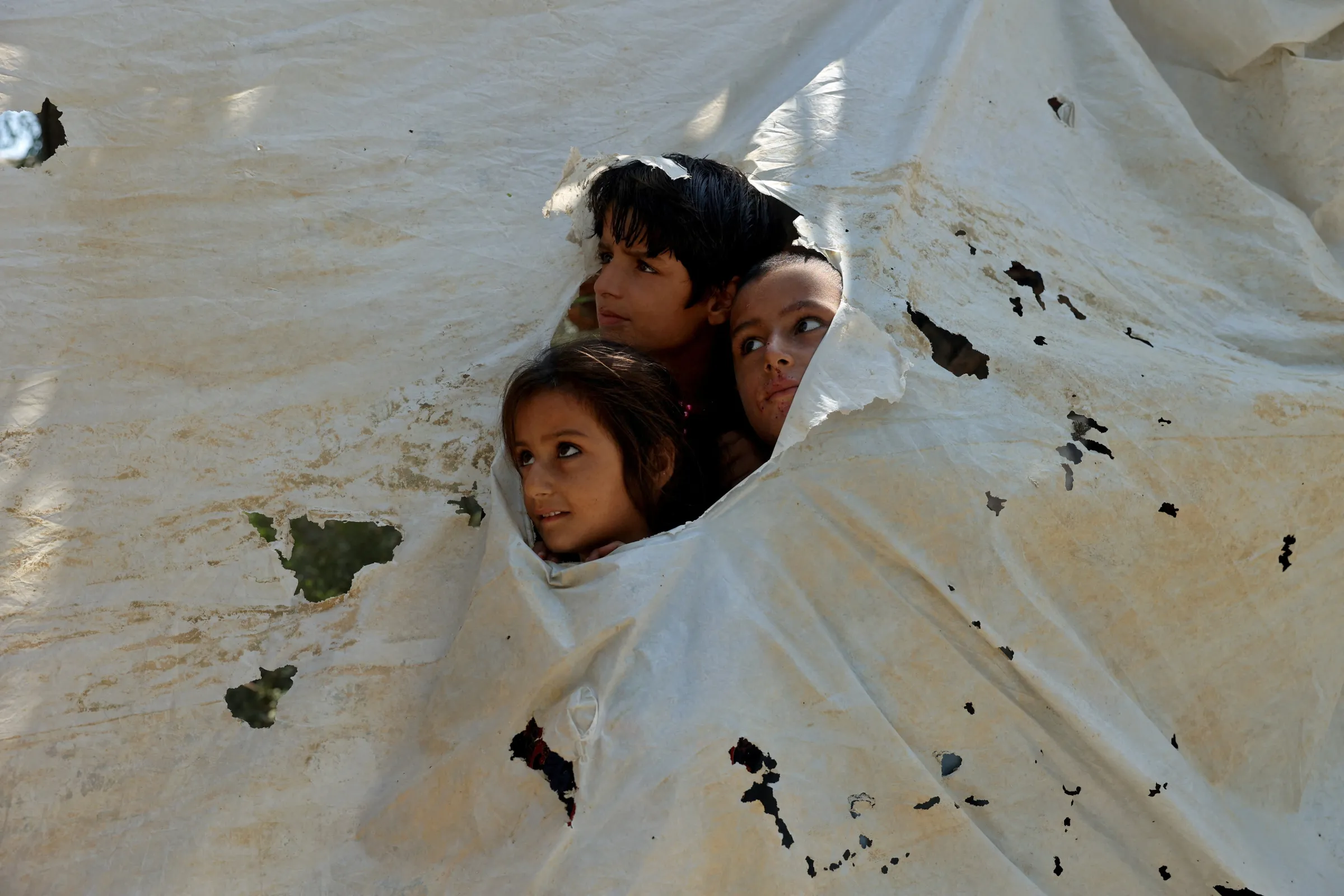
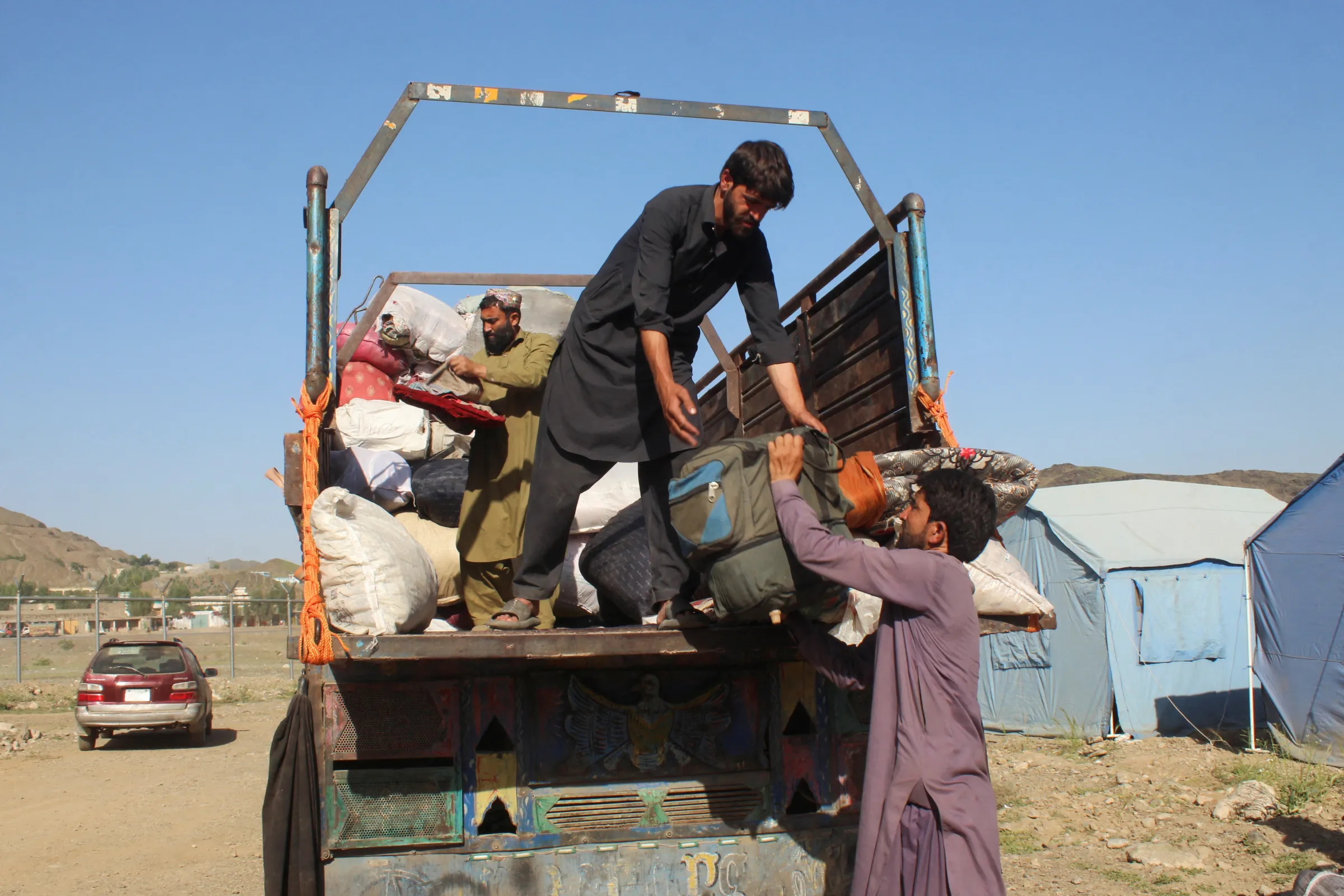
Children look out from a torn tent at a repatriation centre in Nowshera, Pakistan, as their families prepare to return to Afghanistan after Pakistan started to deport documented Afghan refugees, August 27, 2025. REUTERS/Fayaz Aziz
Here are some of the most overlooked crises highlighted by aid agencies in a poll by Context.
LONDON - Humanitarian crises in Sudan and Democratic Republic of Congo were named the most neglected emergencies of 2025 in a survey of aid agencies, with many highlighting the sheer scale of suffering compared to the international response.
But in a year that saw donors slash aid budgets and with headlines dominated by conflicts in Gaza and Ukraine, many other emergencies flew under the radar.
Half the 22 humanitarian organisations polled by Context picked crises that got very little international media coverage all year. Here is a selection.
Violence has soared in the gas-rich province of Cabo Delgado where Islamic State-linked militants launched an insurgency in 2017.
More than 1.3 million people are displaced, with communities fleeing killings, beheadings, child abductions and explosions.
The violence has escalated since May and spread to neighbouring Nampula. Humanitarian groups say aid lifelines are collapsing.
Fuel shortages, damaged infrastructure and insecurity, including ambushes on aid convoys, have cut off communities and forced humanitarian groups to scale back.
Aid agency Plan International said children were caught in a triple crisis of protracted conflict, climate shocks and rising hunger.
"They're facing unimaginable horrors ... including killing and maiming, rape and abduction," said Unni Krishnan, Plan's global humanitarian director.
A $352-million U.N. appeal is only 21% funded.
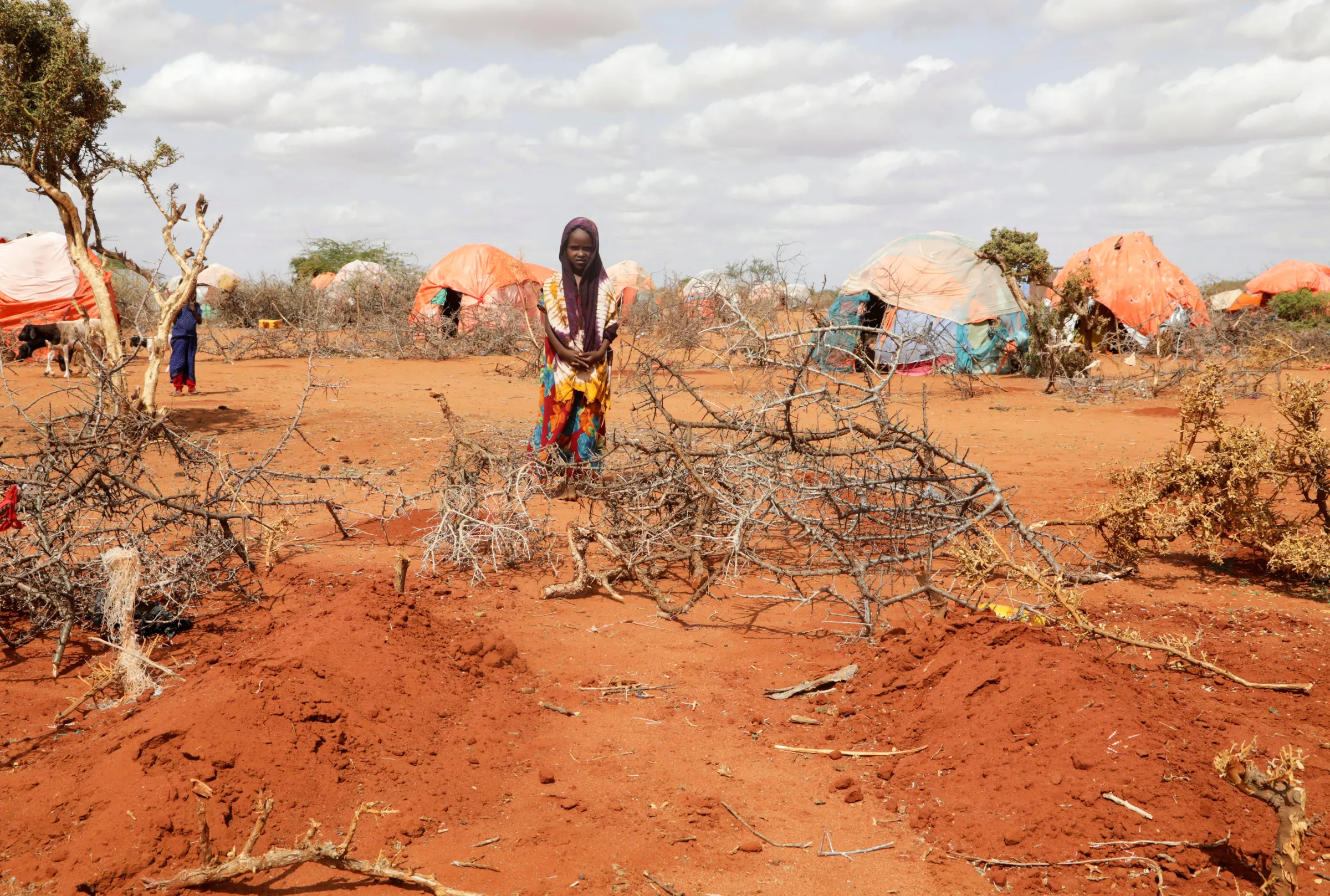
Relentless climate disasters in Somalia have raised the spectre of another catastrophic drought like the one in 2022 that brought the east African country to the brink of famine, according to U.N. children's agency UNICEF.
Somalia's protracted humanitarian crisis has steadily disappeared from global consciousness, even as conditions deteriorate in "one of the harshest environments on our planet", the organisation said.
Nearly 5 million people, including 3 million children, will need assistance next year due to climate shocks, conflict and collapsing social protection systems.
Some 4.4 million people are thought to face crisis-level food insecurity - 1 million more than a year ago.
Child marriage rates have already surged in some areas as families marry off daughters, partly to earn dowries to survive.
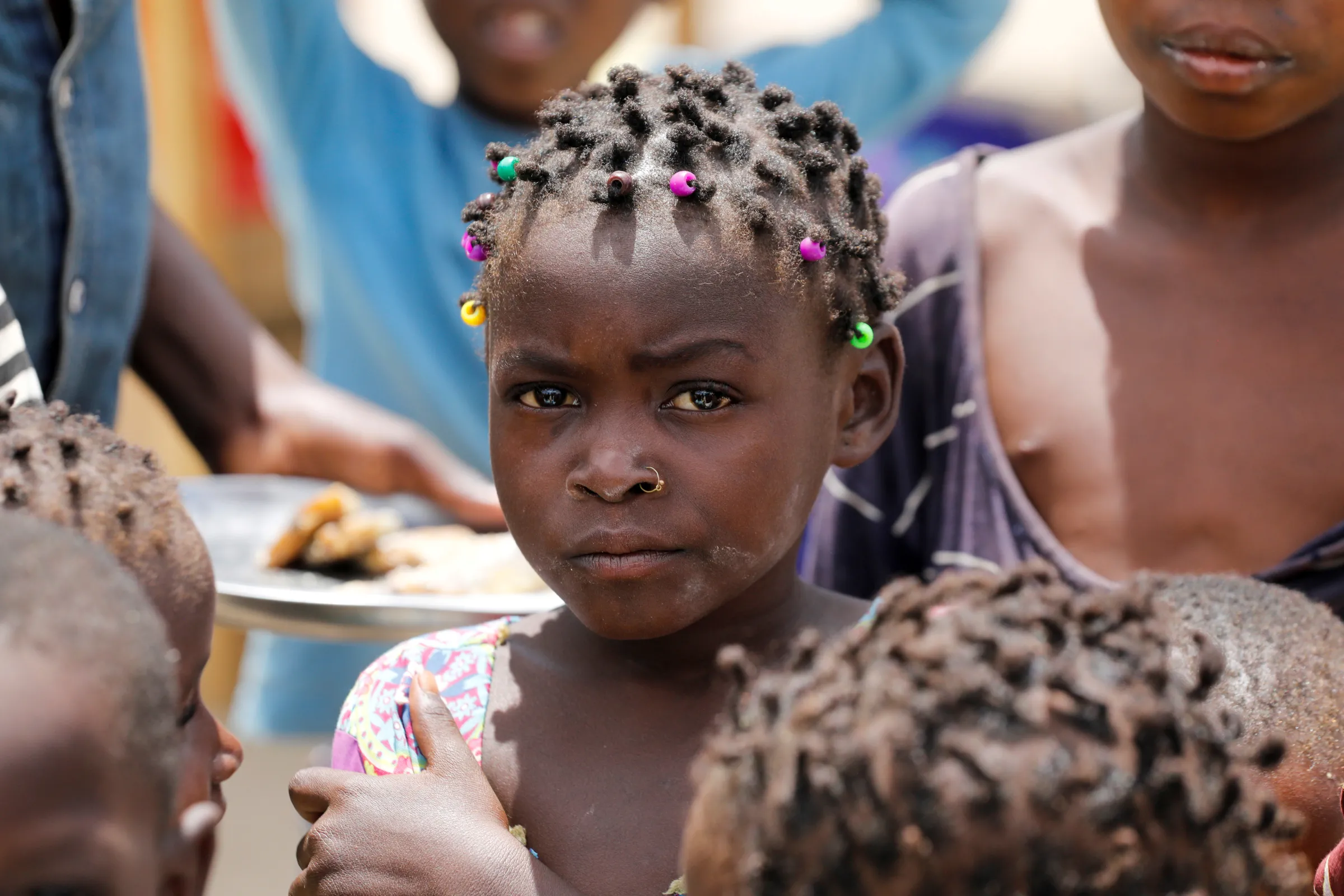
A girl looks on inside a camp for the internally displaced in the town of Quitunda, Mozambique September 22, 2021. REUTERS/Baz Ratner
Neighbouring Kenya is seeing a rapidly worsening climate-driven hunger crisis across arid and semi-arid lands.
Water sources have dried up, harvests have failed and livestock losses are pushing families deeper into hunger and financial distress, according to the International Federation of Red Cross and Red Crescent Societies (IFRC), the world's largest humanitarian network.
In western regions, flash floods, landslides and disease outbreaks are displacing families, often multiple times.
"Kenya's drought is happening in plain sight, yet it receives almost no attention and virtually none of the funding it desperately needs. Families are being pushed to the brink," said IFRC Secretary General Jagan Chapagain.
An IFRC appeal for about $19 million to support 300,000 people is less than 0.5% funded.
Afghanistan has "fallen off a cliff-edge of global interest and funding", according to aid agency Mercy Corps, which sounded the alarm on two converging calamities - a water system on the brink of collapse and the forced return of Afghans from Pakistan and Iran.
Mercy Corps said Kabul's groundwater was disappearing so fast it could run dry by 2030, leaving millions without safe drinking water and fuelling disease. Afghanistan's water problems are also impacting other cities and rural areas.
At the same time, more than a million Afghans have been forced back from Pakistan and Iran, arriving in communities "already paralysed by poverty".
"They are returning to extreme scarcity: no shelter, no income, no support - only uncertainty and hunger," said Whitney Elmer, who oversees Mercy Corps' global emergency response team.
Communities across Burkina Faso, Mali and Niger have suffered catastrophic hunger levels for almost a decade, yet these crises remain chronically underfunded, according to the U.N. Food and Agriculture Organization (FAO).
More than 3 million people are uprooted across the three countries where weather extremes, conflict, displacement and economic shocks have compounded the hunger emergency.
Mali is one of six countries most at risk of famine or catastrophic hunger next year, according to the latest Hunger Hotspots report by the FAO and World Food Programme.
The FAO said preventing famine was not just a moral duty, but a smart investment in long-term peace and stability, with every dollar invested in a farmer's field generating more than $3 in food locally.
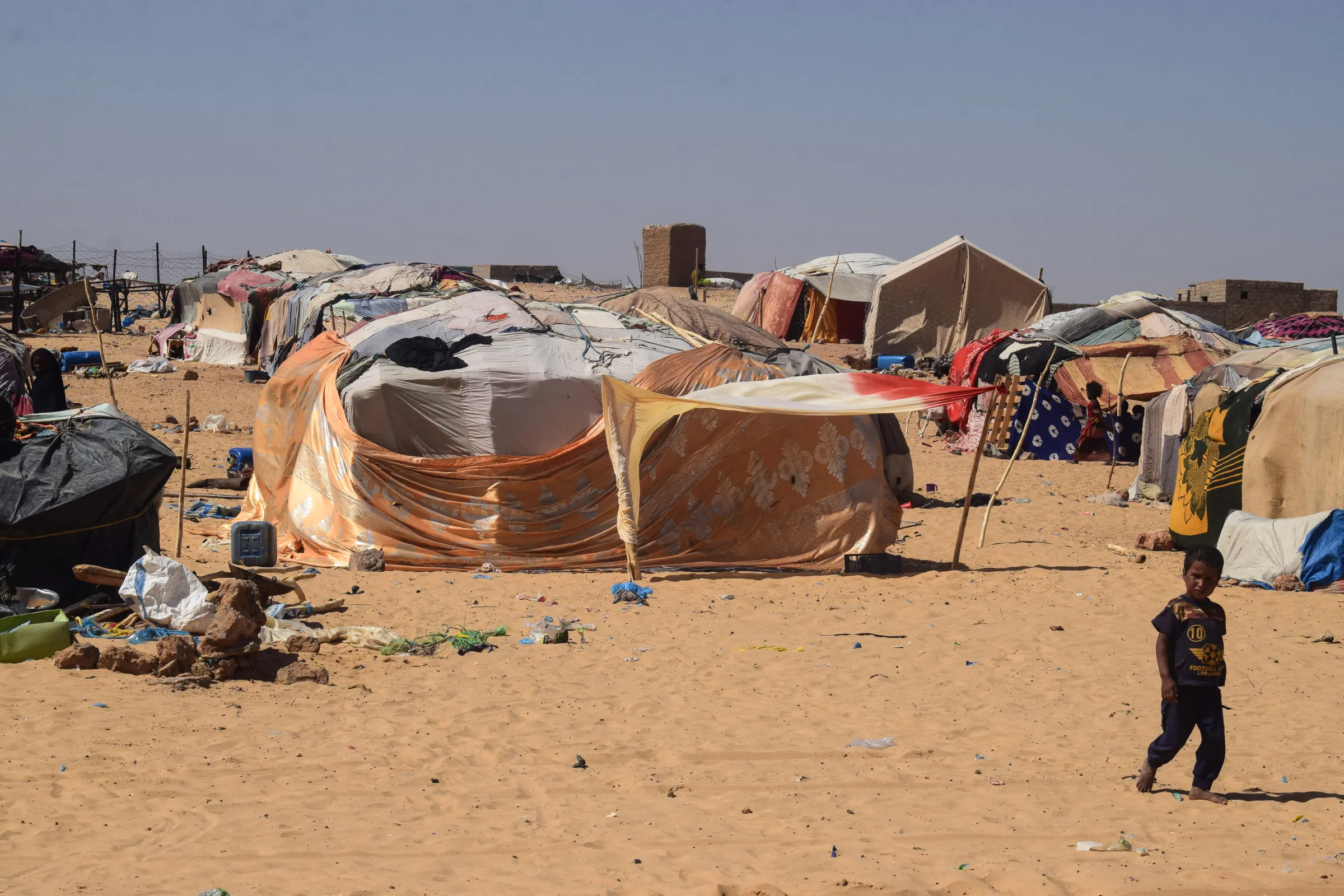
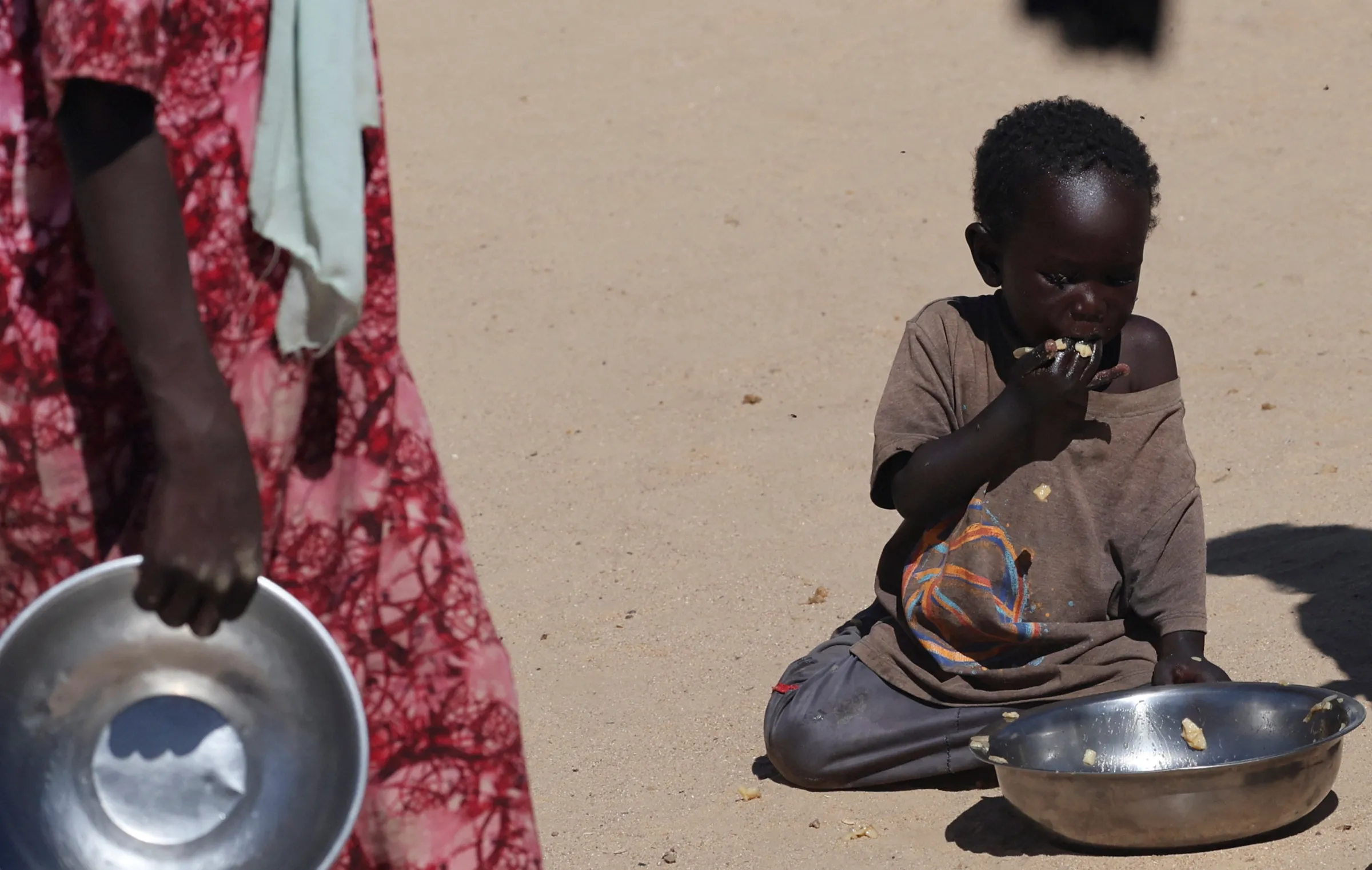
A displaced boy walks beside makeshift shelters at the Internally Displaced People's (IDP) camp in Tinzaouaten, northern Mali November 7, 2024. REUTERS/ Abdolah Ag Mohamed
A displaced boy walks beside makeshift shelters at the Internally Displaced People's (IDP) camp in Tinzaouaten, northern Mali November 7, 2024. REUTERS/ Abdolah Ag Mohamed
Aid agency Islamic Relief highlighted the plight of more than 1.1 million Rohingya displaced from Myanmar who are languishing in camps in Bangladesh "largely forgotten by the world".
Half a million Rohingya children and young people are growing up with little hope for the future, more than eight years after attacks in Myanmar triggered a mass exodus.
Conditions in the camps are getting desperate, with food rations cut and health facilities forced to shut due to lack of funds.
A surge in attacks in Myanmar has increased arrivals this year, adding to overcrowding.
Aid cuts have led to children dropping out of school to find work or hunt for food, parents not eating for whole days, and girls being married off early.
Honduras faces a complex crisis driven by climate change, poverty, inequality and violence. More than half its 11 million people live below the poverty line.
Many face acute food insecurity, exacerbated by droughts and crop failures in southern and western regions.
"Honduras is confronting a deepening humanitarian emergency ... that is growing more dire by the day, eroding the safety and stability of millions," said Deepmala Mahla, CARE's chief humanitarian officer.
Global aid cuts have also hit programmes for women and girls, who face pervasive violence and high femicide rates.
(Reporting by Emma Batha; Editing by Jon Hemming.)
Context is powered by the Thomson Reuters Foundation Newsroom.
Our Standards: Thomson Reuters Trust Principles