Context is powered by the Thomson Reuters Foundation Newsroom.
Our Standards: Thomson Reuters Trust Principles


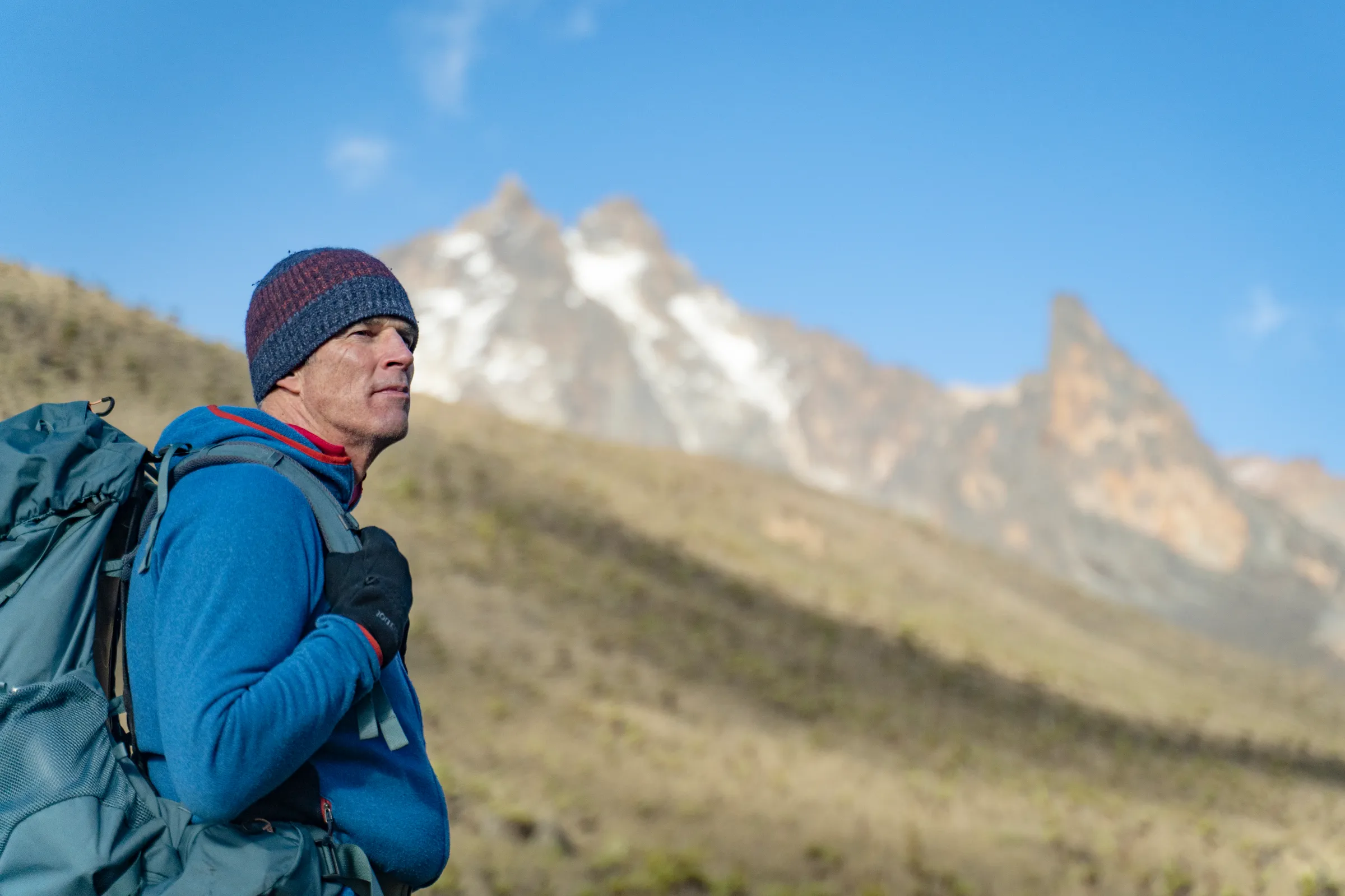
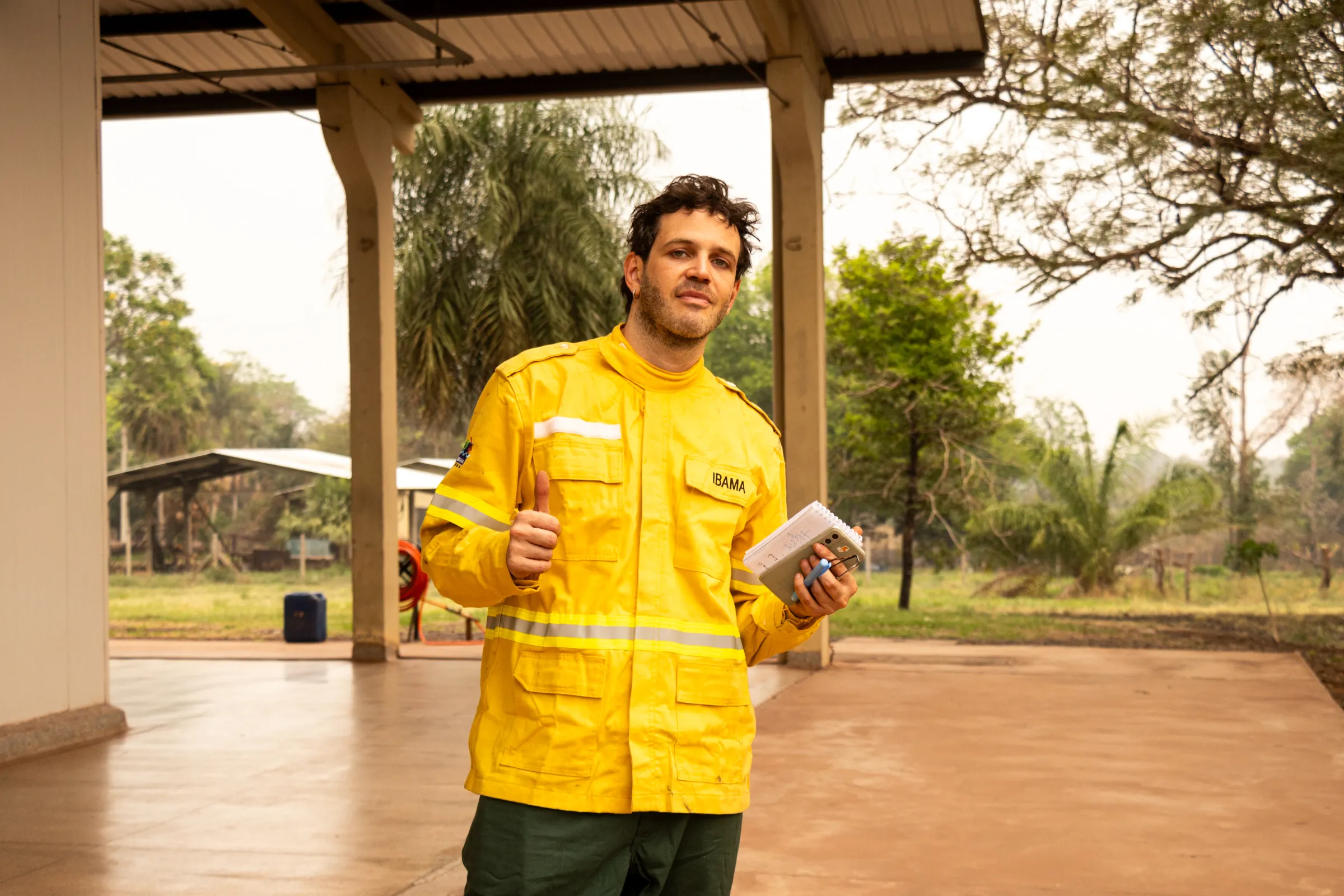
UNEP Goodwill Ambassador Lewis Pugh climbs Mount Kenya to highlight melting glaciers on December 2025. UNEP: Duncan Moore/Handout via Thomson Reuters Foundation
Endurance athlete and environmentalist Lewis Pugh said witnessing the Lewis Glacier on Mount Kenya was a "shocking sight".
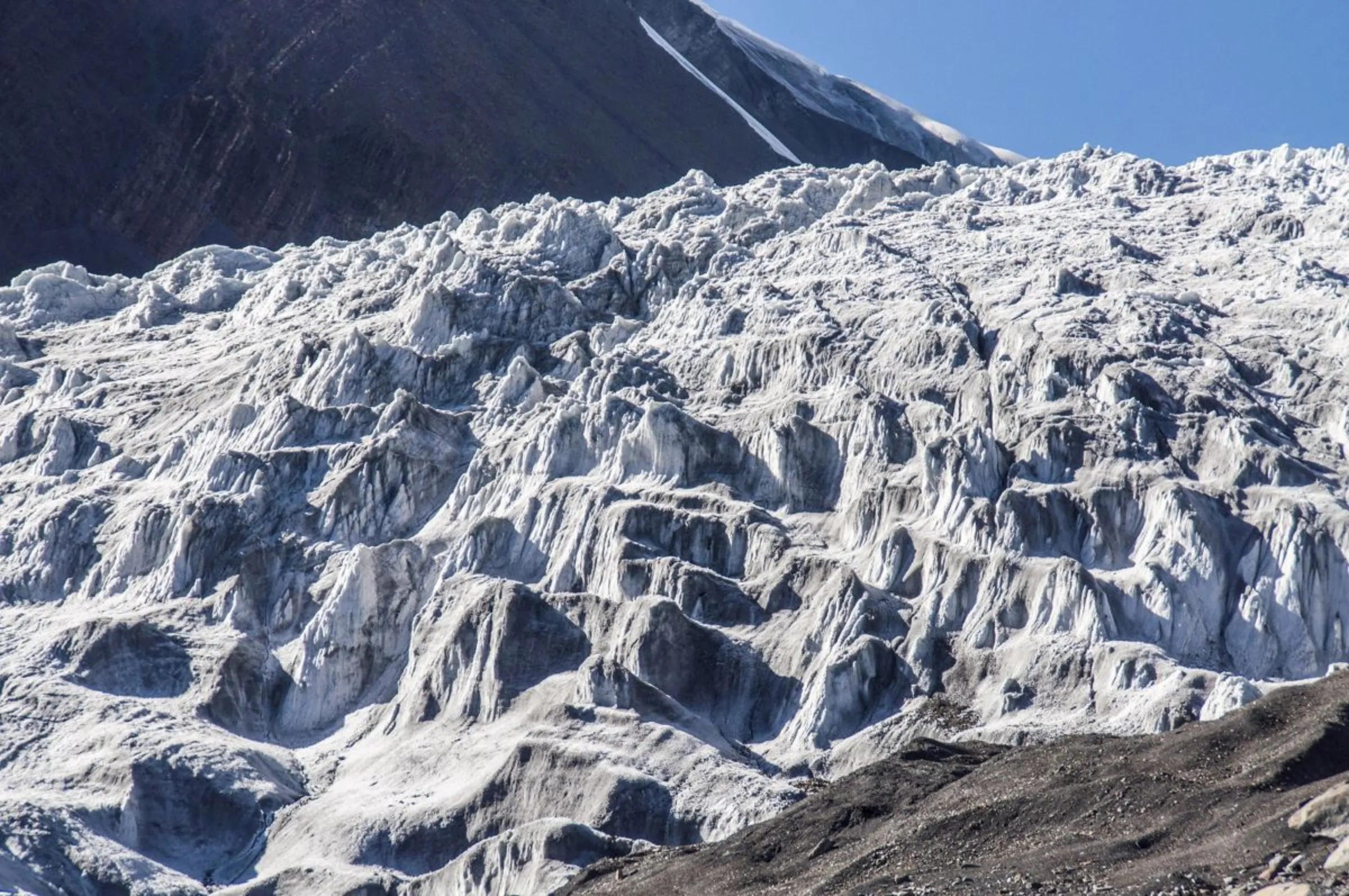
NAIROBI - Mount Kenya, home to some of Africa's last remaining glaciers, is on the brink of a dramatic transformation: its ice could vanish entirely by 2030, said environmentalist Lewis Pugh after summiting Kenya's highest peak.
Pugh, an endurance athlete and a United Nations Environment Programme goodwill ambassador, climbed the 5,199 m (17,057 ft) mountain this month, visiting the Lewis Glacier to highlight the impact of climate change.
"The Lewis Glacier is right on the edge now. Scientists predict that in the next three to five years, it will disappear completely. So, we cannot be quiet on the disappearance of Africa's last glaciers," Pugh, 56, told Context in an interview.
"I wanted to go to show just how important ice is for life on Earth. It keeps our planet cool and within a temperature range we can all live. Ice also provides us with water for drinking, agriculture, industry and energy production."
According to the United Nations, nearly 2 billion people globally, including many Indigenous communities, depend on water from mountains for their essential daily needs, livelihoods and cultural practices.
But rising temperatures caused by climate change are causing these glaciers to melt.
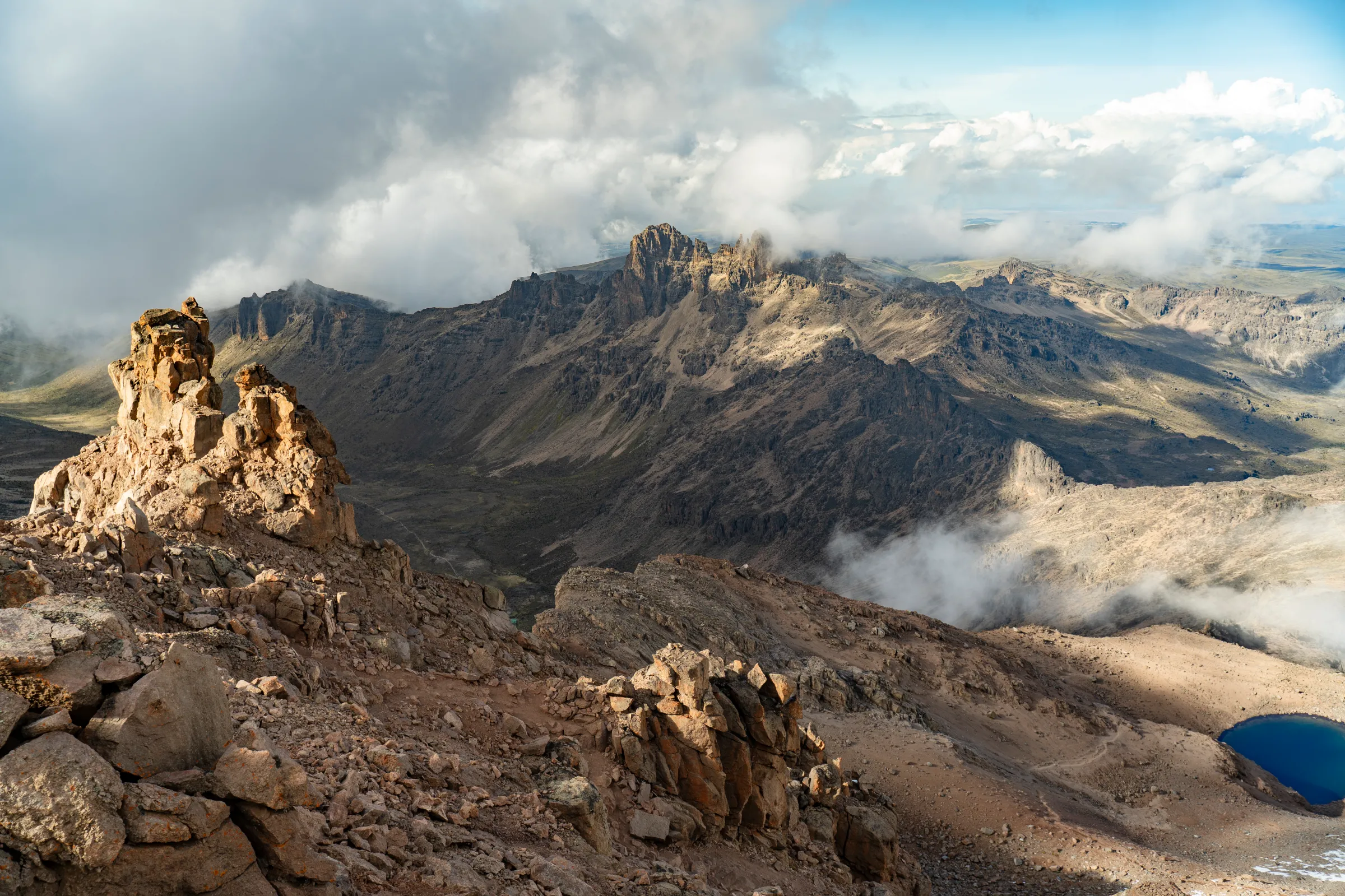
View of Mount Kenya on December 2025. UNEP/Handout via Thomson Reuters Foundation
View of Mount Kenya on December 2025. UNEP/Handout via Thomson Reuters Foundation
Between 2000 and 2023, glaciers lost 6,542 billion tonnes of ice. Some 600 glaciers have completely disappeared, says the World Meteorological Organization, adding that many more will vanish if temperatures keep rising.
Mountain communities in developing countries like Kenya are among the world's poorest - and around half already do not have enough food for normal growth, development and a healthy life.
Changes in glacier and snow melt rates are not only affecting their ability to grow crops, but also increase the risk of floods and landslides. More than 15 million people globally are highly vulnerable to flooding from glacier lakes, said a 2023 study by academics in Britain and New Zealand.
The South African-British endurance swimmer, who has swam in glacier lakes in the Arctic, Himalayas and Antarctica to highlight their vulnerability, said witnessing the Lewis Glacier was a "shocking sight".
"The glaciers on Mount Kenya have been there for between 10,000 to 50,000 years and now Lewis Glacier was just a little slither of ice. It filled me with sadness that this could disappear in a few years also," Pugh said.
He said he also shared his experiences of the expedition with environment ministers from across the world who gathered at the United Nations Environment Assembly in Nairobi last week.
"My message to the assembly was that the science is quite clear now," he said.
"We need to seriously reduce our greenhouse gas emissions and we need to provide finance to communities who are most impacted by climate change so they can begin to adapt."
(Reporting by Nita Bhalla; Editing by Jon Hemming.)
Context is powered by the Thomson Reuters Foundation Newsroom.
Our Standards: Thomson Reuters Trust Principles