
- Trump’s aid cuts hit LGBTQ+ rights groups
- Health, education and job programmes affected
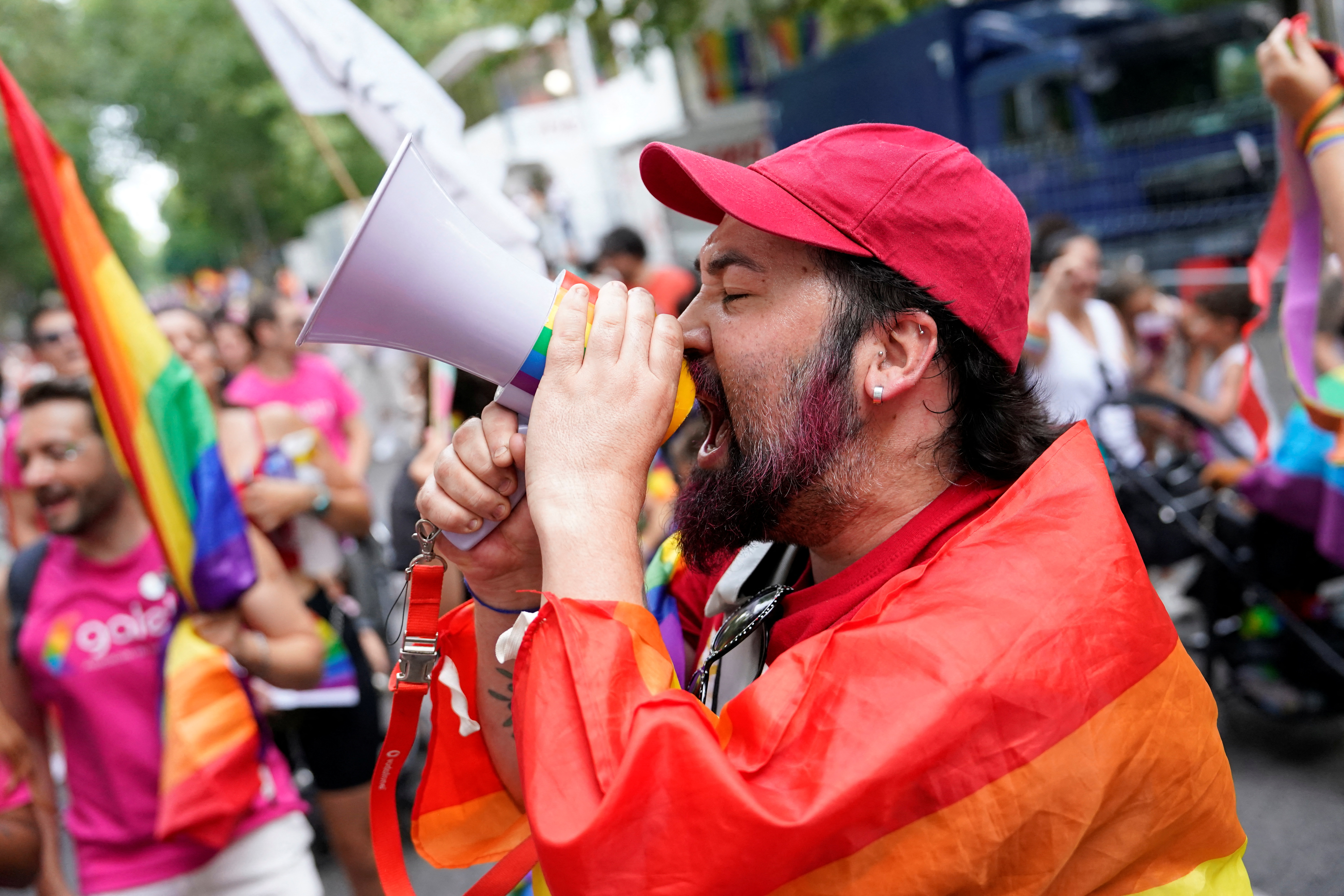
- LGBTQ+ activism faces global aid cuts
BERLIN – In Bangladesh, a country where a colonial-era law still criminalises same-sex relations, the grassroots group Noboprobhaat Foundation created a rare safe space for LGBTQ+ people living in the countryside.
The group provided HIV testing services, helped young people rejected by their families learn new job skills, offered free counselling and provided connections to lawyers to fight cases of blackmail and eviction.
That was until President Donald Trump curtailed U.S. funding for human rights programmes across the world that were not considered fully aligned with his foreign policy, ending more than a decade of financial support for LGBTQ+ rights initiatives.
The Noboprobhaat Foundation, headquartered in the northern city of Rangpur, had to lay off half its staff and close the office where it ran training courses and counselling sessions because it could no longer pay the rent and utilities.
With about 50% of its funding gone, many core services were terminated.
“We have tried to keep some minimal outreach going through volunteers and small emergency grants, but the level of support is nowhere near what it was before the cuts,” Md. Shawon, Noboprobhaat’s communications officer and a youth activist, told Context.
HIV services disrupted
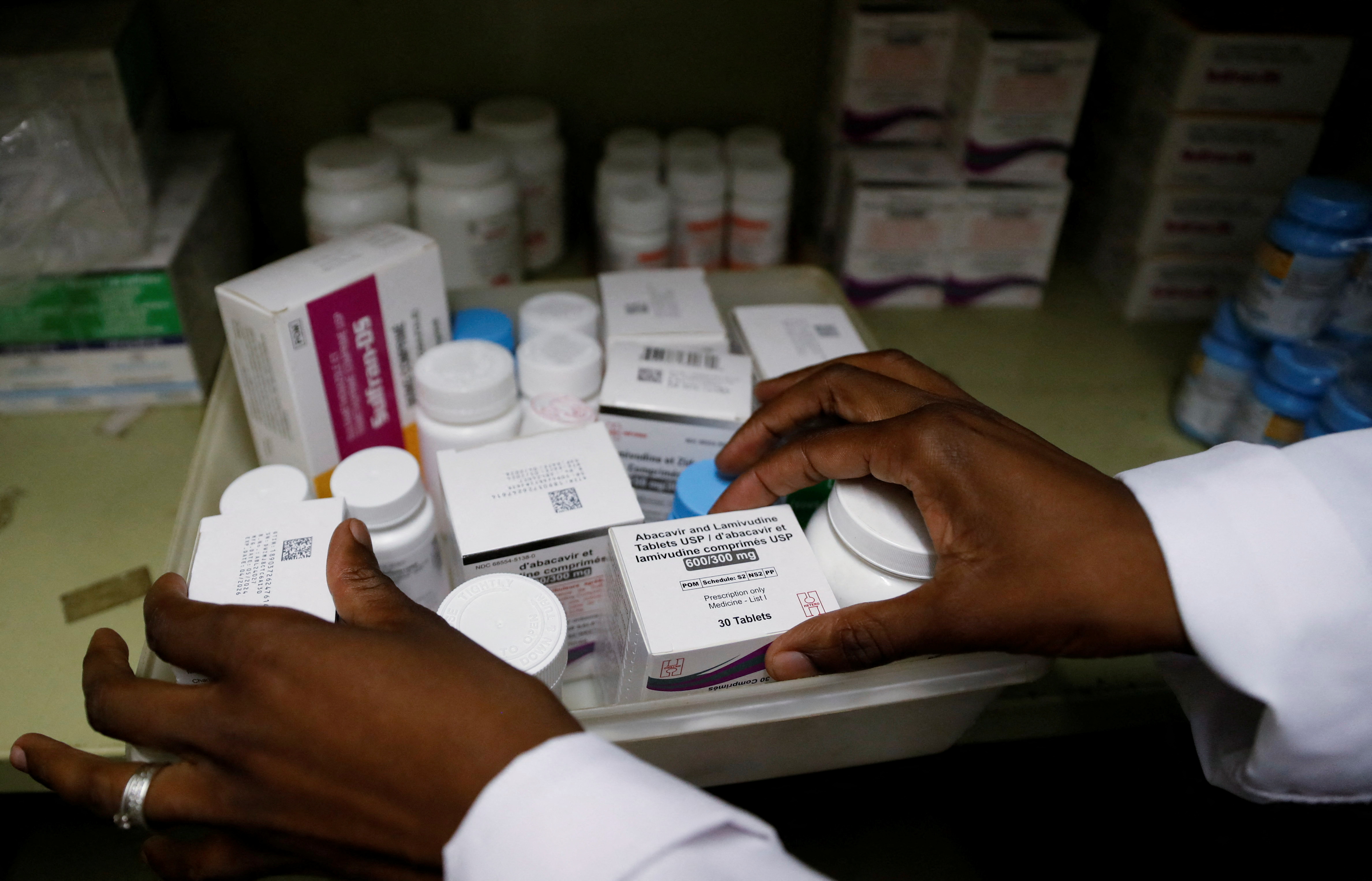
The President’s Emergency Plan for AIDS Relief, or PEPFAR, a landmark U.S. initiative to fight HIV launched in 2003, has also stopped funding HIV prevention for most groups at a higher risk of an infection under Trump.
From Nigeria to Ghana and Indonesia, gay and bisexual men and trans people have lost access to PrEP, a daily pill preventing new HIV infections, as well as condoms and lubricants. Some of these people are now testing positive for HIV.
People infected with HIV have had the antiretroviral treatment that prevents them from developing AIDS hindered, because the clinics where they obtained the treatment shut.
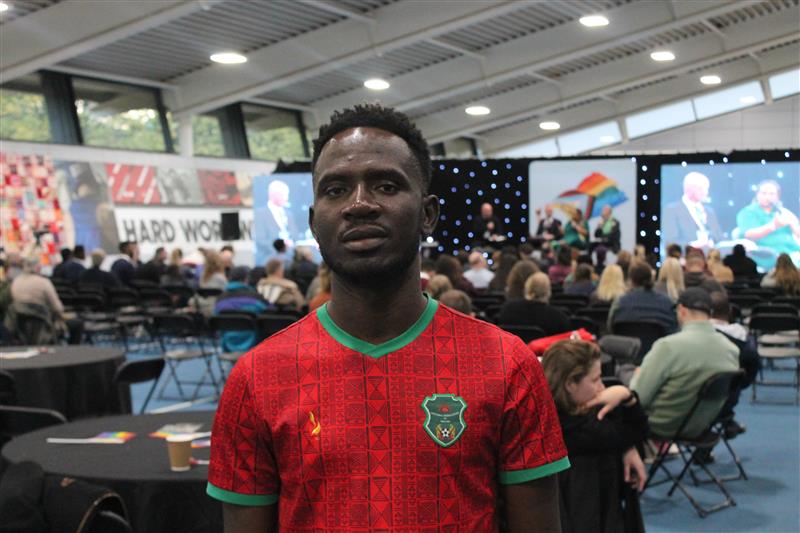
“Many LGBT people cannot just go to public facilities. They’re scared, so we’re having more issues with people interrupting their treatments,” said Kondwani Chapola, an LGBTQ+ activist from Malawi, a country in East Africa that criminalises gay sex with up to 14 years in prison.
Of the four drop-in centres providing LGBTQ+-friendly HIV services, only one remains open in the capital Lilongwe, he said.
A global crisis
The loss of U.S. support has not only wiped out programmes that helped people access healthcare, education and jobs, but also hit initiatives seeking to change laws that still criminalise LGBTQ+ individuals in 65 countries.
In the Pacific region, where six island nations still have laws banning same-sex relations, a programme funded by USAID, the now-extinct U.S. aid agency, that pushed for legal reform in places like Tuvalu, Tonga and Papua New Guinea was paused in January.
“Communities were left vulnerable, and critical momentum was at risk,” said Louisa Wall, chair of the project led by ILGA-Oceania, a regional LGBTQ+ group.
But the funding crisis is not solely because of U.S. cuts.
In February, the Global Philanthropy Project (GPP), an LGBTQ+ funding initiative, estimated that at least $105 million in donor government aid for LGBTQ+ rights was at risk, given anticipated cuts to overseas development assistance budgets, including from the Netherlands.
Activists fear other countries, including Britain, could soon cut LGBTQ+ funds.
Companies across the world have also pulled financial support from LGBTQ+ rights groups following Trump’s campaign against diversity, equity and inclusion (DEI) policies.
“It’s a crisis like we’ve never seen before,” said Jason Ball, executive director at GiveOut, a foundation that raises funds for LGBTQ+ groups globally.
Who will step in?
Some groups are trying to fill the gaps.
Since June, support from the Human Dignity Trust and the New Zealand chapter of Amnesty International has allowed work to decriminalise same-sex activities to continue in the Pacific.
“While this support has filled an important gap, the work is far from complete,” Wall said.
“We urgently need more support from governments and other donors.”
GiveOut has launched an Urgent Response Fund that has raised $350,000 from individuals, firms and foundations, while the GPP garnered $182 million for the years 2025 to 2028 from governments and other donors.
But many traditional donor governments, including Germany, Sweden and Canada, are reducing foreign aid in general, sometimes in order to divert funds to defence.
The few that swim against the tide, such as Spain, Italy and Korea, cannot make up the deficit, activists said.
According to an estimate by the Human Rights Funders Network, rights-focused overseas development assistance is projected to decline by up to $1.9 billion annually by 2026, with LGBTQ+ and gender equality initiatives being particularly hard hit.
This comes at a time when funding for anti-LGBTQ+ conservative groups is growing and lawmakers from the United States to Ghana and Kazakhstan are pushing to restrict the rights of their LGBTQ+ citizens.
This will force activists to abandon work they have spent years building and more narrowly focus their efforts, said Alex Farrow, CEO at the Kaleidoscope Trust, which campaigns for LGBTQ+ rights across Commonwealth countries.
“What we do not do is hope this is all going to suddenly get better and cling to the things that are comfortable and safe, but ultimately will not take us forward,” he said.
“It’s worth reminding ourselves that big government money and corporate sponsorships are an entirely modern phenomena.”
On the ground in rural Bangladesh, Shawon said fears for the health and safety of LGBTQ+ people are high, but the drive to make a difference persists.
“Simply giving up is not an option.”
(Editing by Ayla Jean Yackley.)