
- Young people protest graft, inequality and joblessness
- Online-led movements fail to bring change, warn experts
- Experts say youth must be in power positions for good governance
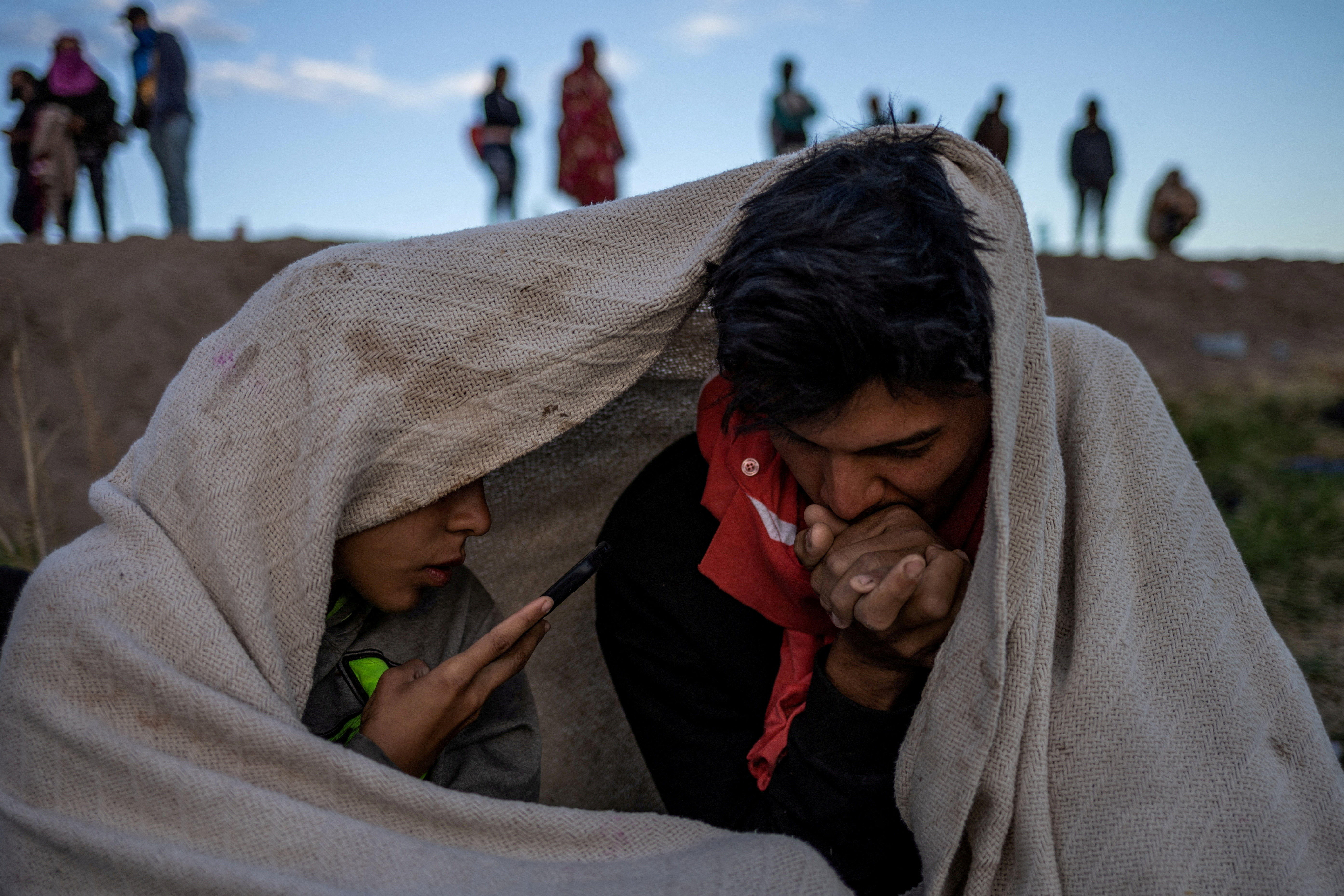
NEW DELHI – From Mexico to Nepal, young people around the globe rose up in protest this year, fed up with corruption, poverty and soaring living costs.
While an array of grievances sparked the so-called Gen Z protests in various countries, the underlying cause seemed universal — a generation demanding social and political change.
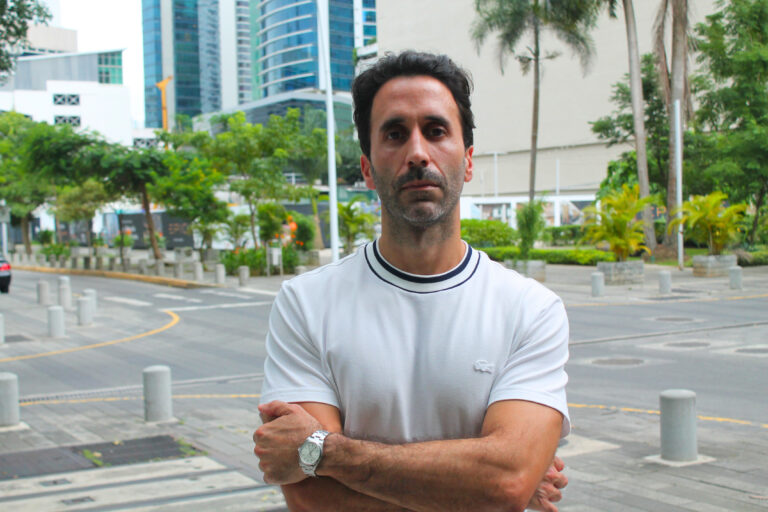
“There is a sentiment that the system has taken advantage of people who contribute so much when it comes to human capital, labour and (finances),” Sudhanshu Kaushik, founder of the Centre for Youth Policy (CYP) that focuses on young people’s civic engagement, told Context from Washington, D.C.
“But what are they (getting) back? There aren’t too many Social Security benefits. Economic opportunity has dwindled, and uncertainty has risen.”
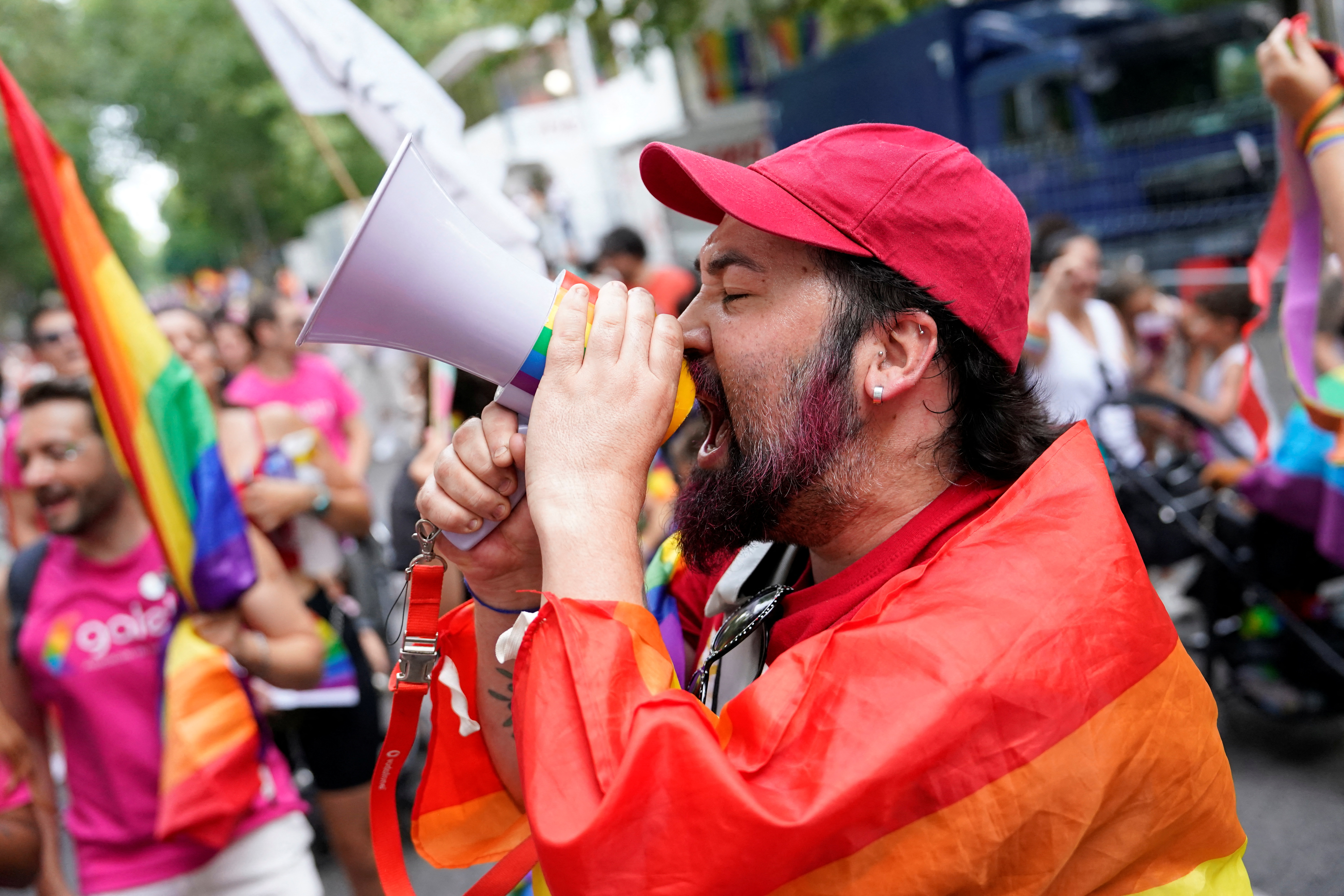
In November, thousands of young people protested across Mexico, denouncing rising violence, corruption and abuse of power after the public killing of an anti-crime mayor.
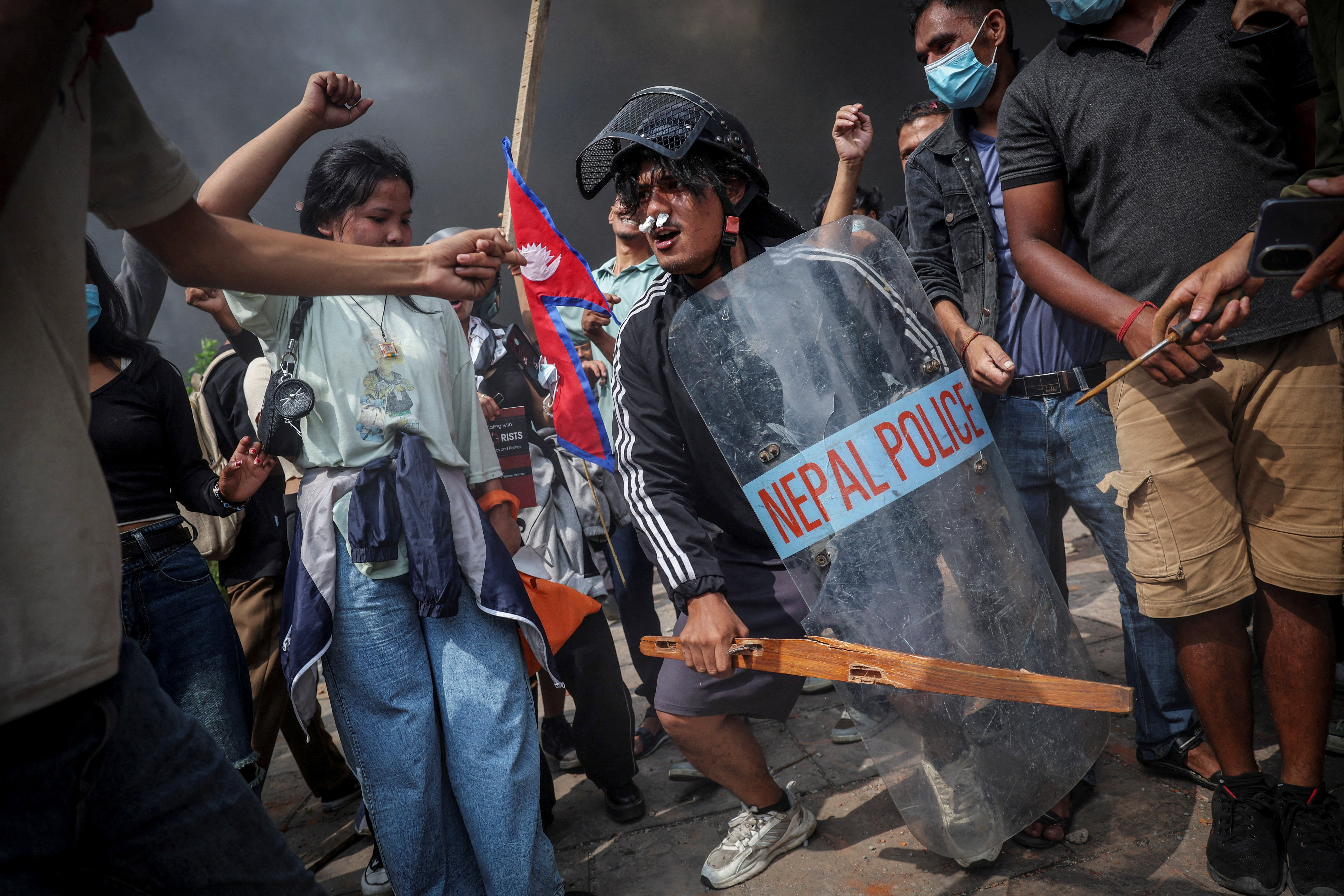
In Nepal, deadly protests against a social media ban, corruption and nepotism toppled the government in September.
The public anger was mirrored in protests in Peru, Indonesia, Morocco, Madagascar, Timor-Leste, the Philippines, the Maldives and elsewhere.
In Peru, young people hit the streets to decry the country’s pension system, but the demonstrations were also fuelled by longstanding anger against Congress and President Dina Boluarte, who was removed from office in October.
Madagascan President Andry Rajoelina dissolved his government in October following deadly youth-led protests.
“People are becoming more literate around what they should expect from their leaders,” said Steve Killelea, founder of the Institute for Economics and Peace (IEP), a Sydney, Australia-based think tank.
“You’ve also got social media and the internet… They’ve got the opportunities now to explore and get a wealth of information they could have never got, let’s say, 20 years ago.”
Social media paradox
Researchers say this is far from first time young protesters have used social media to organise and mobilise, pointing to anti-government movements in Sri Lanka in 2022 and Bangladesh and Kenya in 2024.
But leaderless, social media-led movements rarely bring real change on the ground, said Joshua Kurlantzick, a senior fellow for Southeast Asia and South Asia at the New York-headquartered Council on Foreign Relations.
“Too often a reliance on social media to organise protests … lead to protests that are shallow and can be crushed by regimes or don’t translate into effective governance,” he said.
He added that governments can respond by weaponising social media to spread disinformation, dividing protesters and exploiting shallow online engagement, using force to scare off demonstrators who may lack deep commitment.
However, foreign relations experts anticipate more youth-led uprisings in 2026, which could have significant impact on many pending elections.
“It is possible to imagine more of these protests in the U.S., South Africa, France, Bangladesh and Pakistan for a start,” Kurlantzick predicted.
But he cautioned: “They will struggle to turn protest into governance” without a clear roadmap to turn demands into policy, join the government and lead effectively.
Many eyes will be on Bangladesh as its voters head to polls in February after last year’s bloody crackdown against student-led, anti-government protests, which led to a Gen Z revolt that ousted Prime Minister Sheikh Hasina. Exiled in India, she has been sentenced to death in absentia.
Dhaka-based political researcher Altaf Parvez said he expected “youth-oriented promises” in election campaigns but doubts if it will result in tangible change, such as boosting job opportunities for young people, in a country where political organisation is weak.
He added: “Right-wing tendencies are seen among some of the leaders of the youth movement.
“In such a situation, it is difficult to expect meaningful reforms and progressive transformation of the country and society through the next election.”
‘Change takes time’
Kaushik said governments should be urged to welcome young people into the halls of power and political party platforms to ensure that developing countries, which have a sizeable demographic ages 18 to 35, reflect their needs and demands.
“You need to lower your average age so you have more people that are representative, that understand the evolution of society and technology and the role that it has played, so that when policy is being made, it is being made with the perspective of these young people,” he said.
Following the Gen Z protests, several other countries announced elections for 2026, including Nepal, which is set to vote in March, along with Peru in April and Morocco in September.
Tanuja Pandey, 24, one of the frontline protesters in Nepal, said she hoped people her age will form political parties and run in the election.
“This young force has to contest the elections and get elected. Existing parties should also give chances to their younger members,” she said from Kathmandu.
“There will be reforms if young people are elected (to parliament),” she said.
Some analysts say a mix of election campaigns and legal reforms along with street protests and strikes can bring about sustainable transformation.
Killelea called upon governments to promote equitable distribution of resources by improving education and health systems and creating stronger business environments that offer genuine opportunities.
“They don’t have to change the system overnight, but gradual change which really does meet the needs of the protesters,” he said.
“Systemic change takes time.”
(Reporting by Annie Banerji, Additional reporting by Gopal Sharma in Kathmandu and Md. Tahmid Zami in Dhaka, Editing by Amruta Byatnal and Ellen Wulfhorst.)