
How climate change threatens reproductive health in Asia

Explainer
Explainer
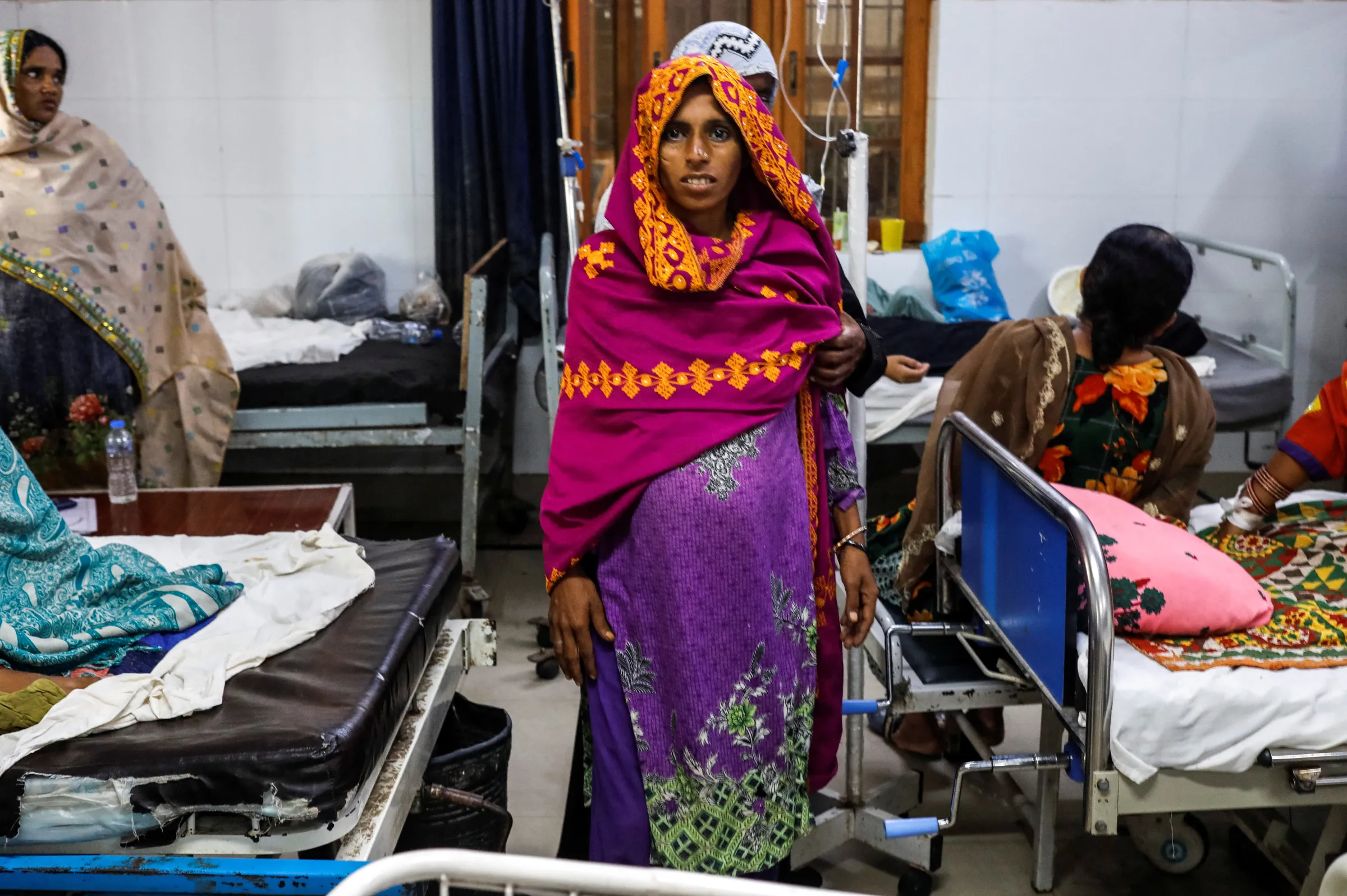
A woman who is nine-months-pregnant walks with the help of a relative while being admitted to a hospital, following rains and floods during the monsoon season in Sehwan, Pakistan September 7, 2022. REUTERS/Akhtar Soomro
What’s the context?
A growing body of evidence shows that reproductive health risks rise with climate change in Asia, as experts urge inclusion of reproductive health in climate financing.
MANILA - In Asia’s most climate-vulnerable countries, global warming is also threatening people’s sexual and reproductive health, studies show, with fires, floods and pollution all posing extra hazards to the most vulnerable.
Experts say that aside from devastating the natural environment, extreme weather can also endanger the health of pregnant women, adolescent girls, new-borns and LGBTQ+ people.
Yet the World Health Organization says the needs of people who face climate-related health hazards are often neglected, citing copious research in the Journal of Global Health.
Last month, experts at an International Conference on Family Planning flagged the growing correlation between rising heat and poor outcomes for women and babies, and called for increased funding for sexual and reproductive health to bolster resilience.
So what are the health impacts of climate change and how can the world address them?
What's the impact on maternal health, minorities and babies?
Extreme weather makes it harder for women and girls to access contraception, maternal care and a safe place to give birth. It also reduces the support available to vulnerable people who face discrimination or gender-based violence.
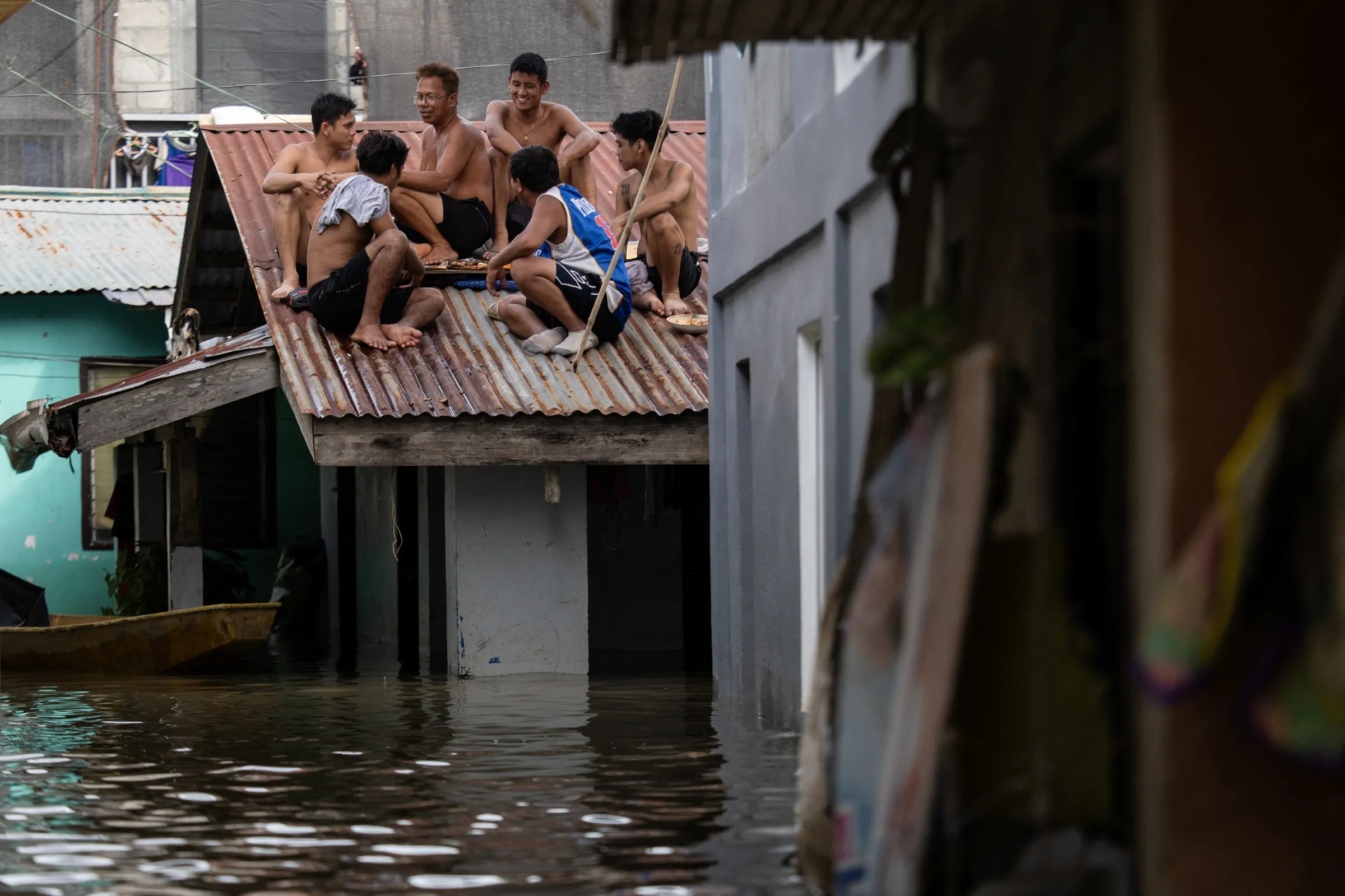
This year saw record heatwaves, crop failures and typhoons across Asia, which researchers in turn linked to an increase in pre-term births, stillbirths and maternal complications.
Climate Central, an independent group of climate scientists and communicators, studied temperatures from 2020-2024 and found that almost one in three countries had experienced at least an extra month of high heat, a level that poses risks to pregnancy.
Typhoons and floods may also have practical implications, affecting people's access to healthcare facilities and lowering the quality of care they receive, the review said.
After Typhoon Haiyan - which devastated parts of Southeast Asia in 2013 - researchers found fewer patients were presenting at the obstetric ward in Eastern Visayas, Philippines.
In the Sindh province of Pakistan, high malnutrition rates were found among pregnant and breastfeeding women in drought-affected areas, which led to excess new-born deaths due to low birth weights, neo-natal sepsis and birth asphyxia.
Climate change may also widen health disparities faced by LGBTQ+ people, with both HIV testing and treatment harder to access in areas that are prone to storms, such as the Philippines and Bangladesh, studies show.
Should climate financing take this all into account?
The double whammy of global aid cuts and a fast-warming climate are deepening vulnerabilities in frontline communities.
Since climate financing largely excludes sexual and reproductive health and rights, countries forgo a major component of resilience planning, family planning experts say.
“This is an excellent opportunity for the climate sector and the global health and sexual and reproductive health and rights community to come together,” said Nabeeha Kazi Hutchins, head of Population Action International, which advocates for female sexual health and reproductive rights.
Some experts say sexual and reproductive health should be included in environmental policies and local heat action plans.
According to the National Adaptation Plan (NAP) Global Network, which helps developing countries adapt to climate change, addressing sex and reproduction will boost national resilience and improve outcomes for vulnerable people.
(Reporting by Mariejo Ramos; Editing by Lyndsay Griffiths)
Context is powered by the Thomson Reuters Foundation Newsroom.
Our Standards: Thomson Reuters Trust Principles