
Syria isn't safe, but UK wants Syrians to return - asylum seeker
First person
First person
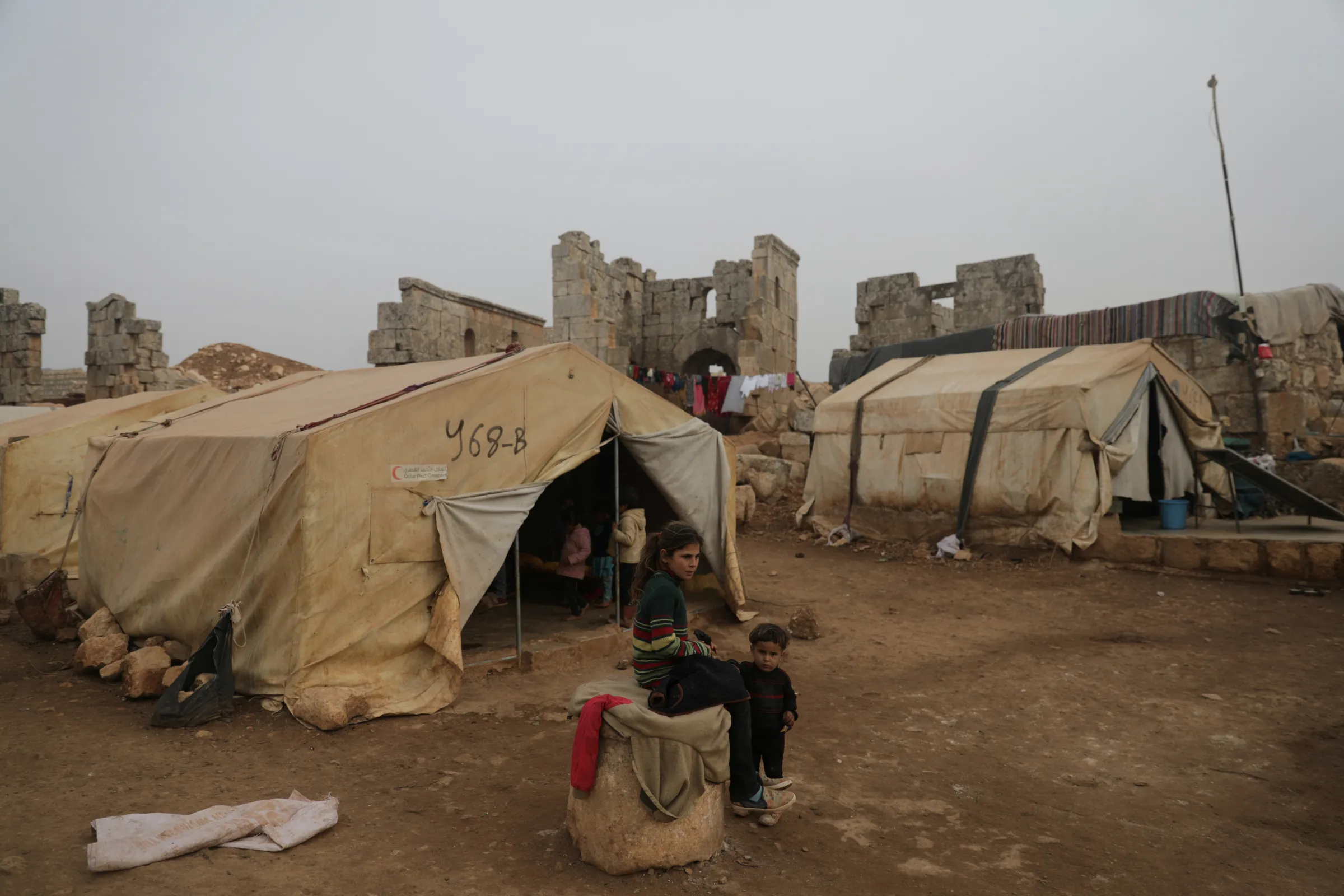
A girl sits in front of her family's tent in Babisqa, in the northern countryside of Idlib, Syria, November 2021. REUTERS/Khalil Ashawi
What’s the context?
Syrian asylum seeker Fareed Fakhoury's children have survived war and an earthquake; he just wants them to feel safe.
LONDON - When longtime Syrian ruler Bashar al-Assad was toppled a year ago, asylum seeker Fareed Fakhoury took his family out to celebrate - but his children were quick to worry whether their adopted homeland of Britain would now deport them.
A year later and their fears persist.
For despite their father's words of reassurance, Britain suspended processing Syrian asylum claims the day after Assad's fall, leaving the family's future in the balance.
Britain has since announced a major shake-up of its asylum rules, suggesting it may even enforce returns to countries such as Syria, where Assad's overthrow ended nearly 14 years of civil war.
But Fakhoury, 42, who works for a charity in the English university city of Oxford, says Syria is not safe.
The family moved to Britain after the father of four won a scholarship to study at the university.
He spoke to Context's Emma Batha on the first anniversary of Assad's ousting.
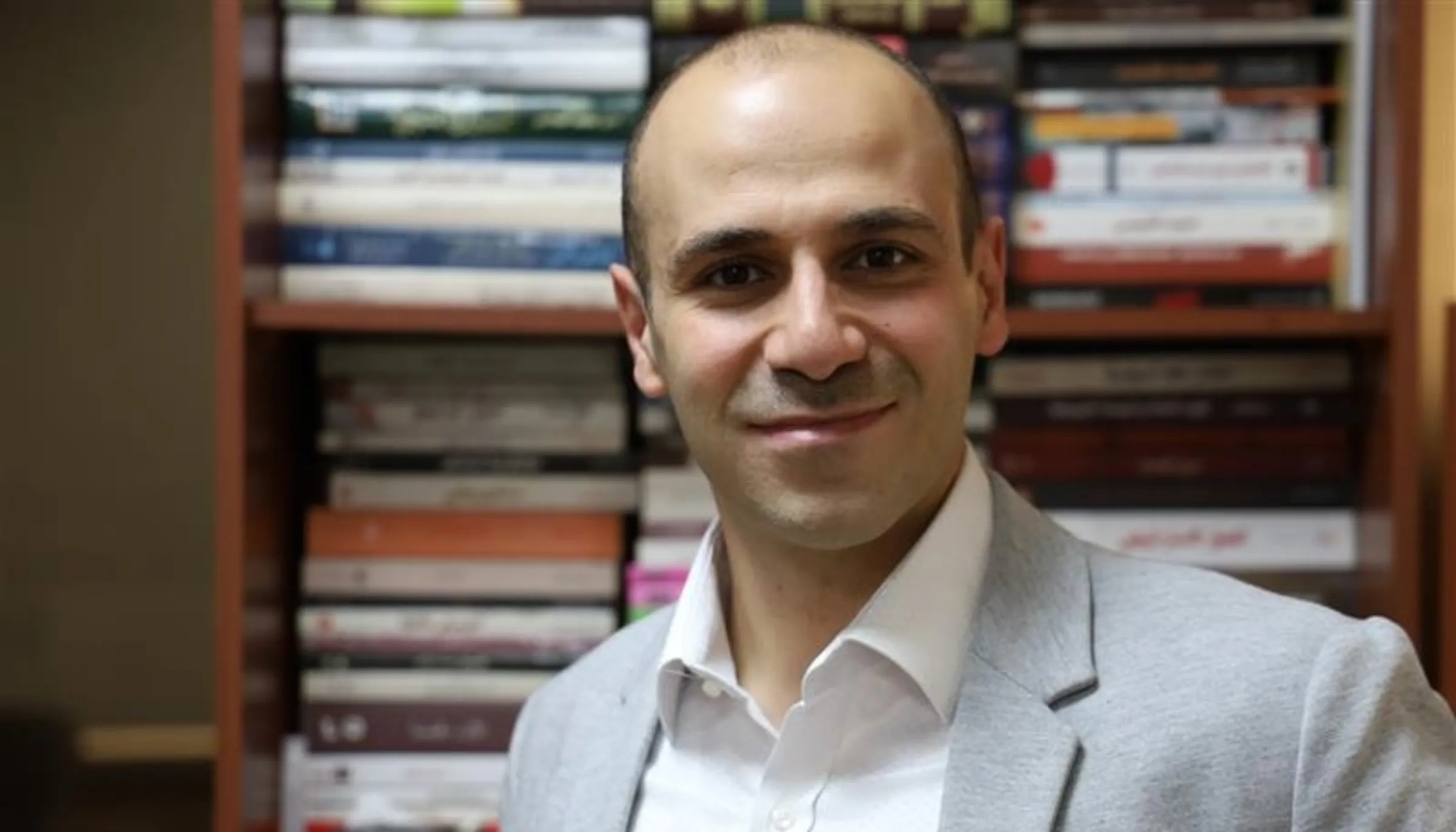
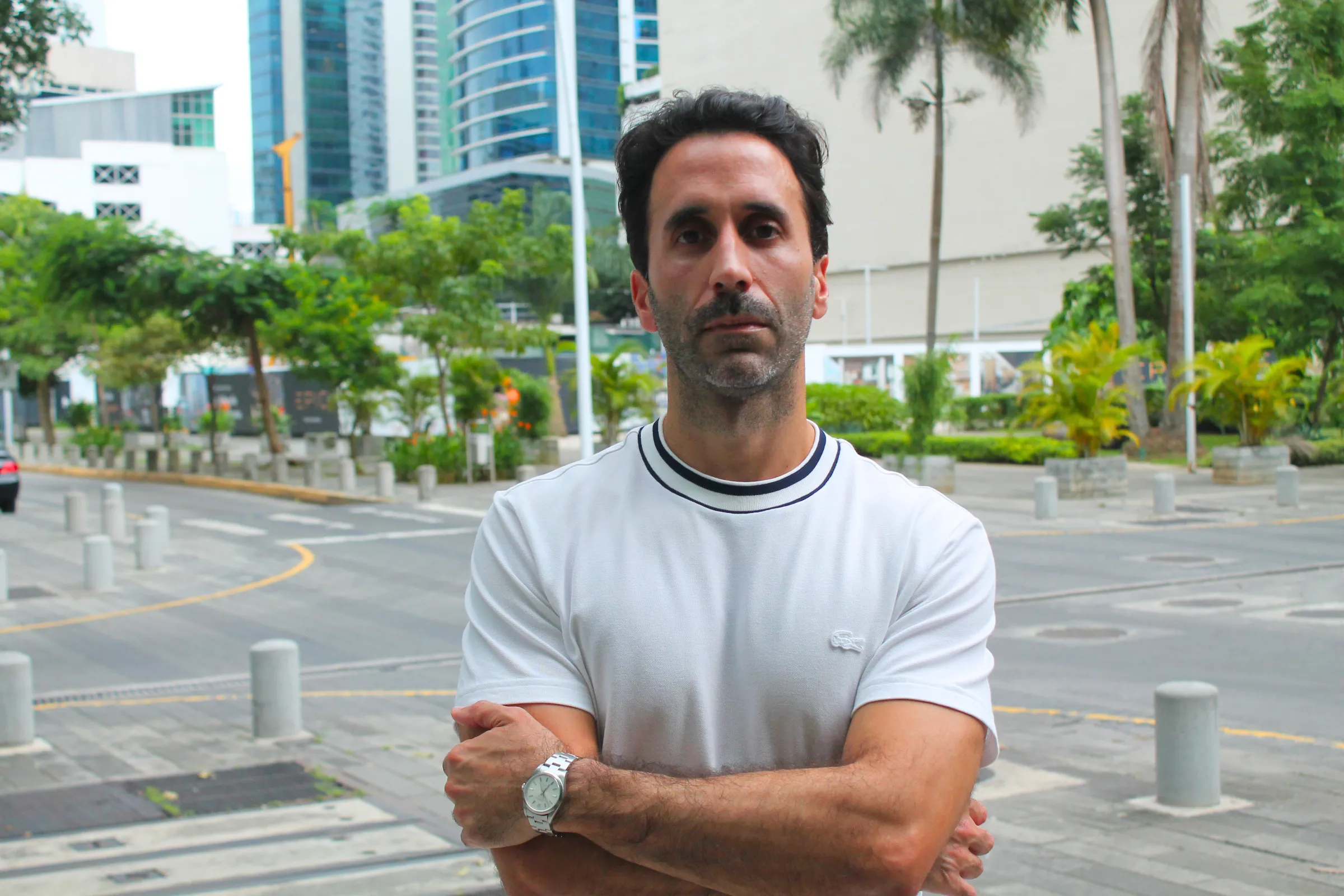
Fareed Fakhoury is pictured in Oxford in 2023. Handout via Thomson Reuters Foundation
Fareed Fakhoury is pictured in Oxford in 2023. Handout via Thomson Reuters Foundation
When Assad fell we were very happy and excited, and I decided to take my family out to celebrate. But before we even got to the restaurant my older kids said, 'Baba, will the UK kick us out?'.
I was shocked – it hadn't even crossed my mind. But the very next day the UK government, along with European governments, paused all decisions on asylum claims.
We're from Aleppo in the north of Syria. After training as a doctor, I set up my own medical laboratory, but it was looted along with my house, which Assad's forces took after we fled. We lost everything.
The bombing was constant. My oldest son, who was born just before the war, became deeply traumatised and didn't speak for years.
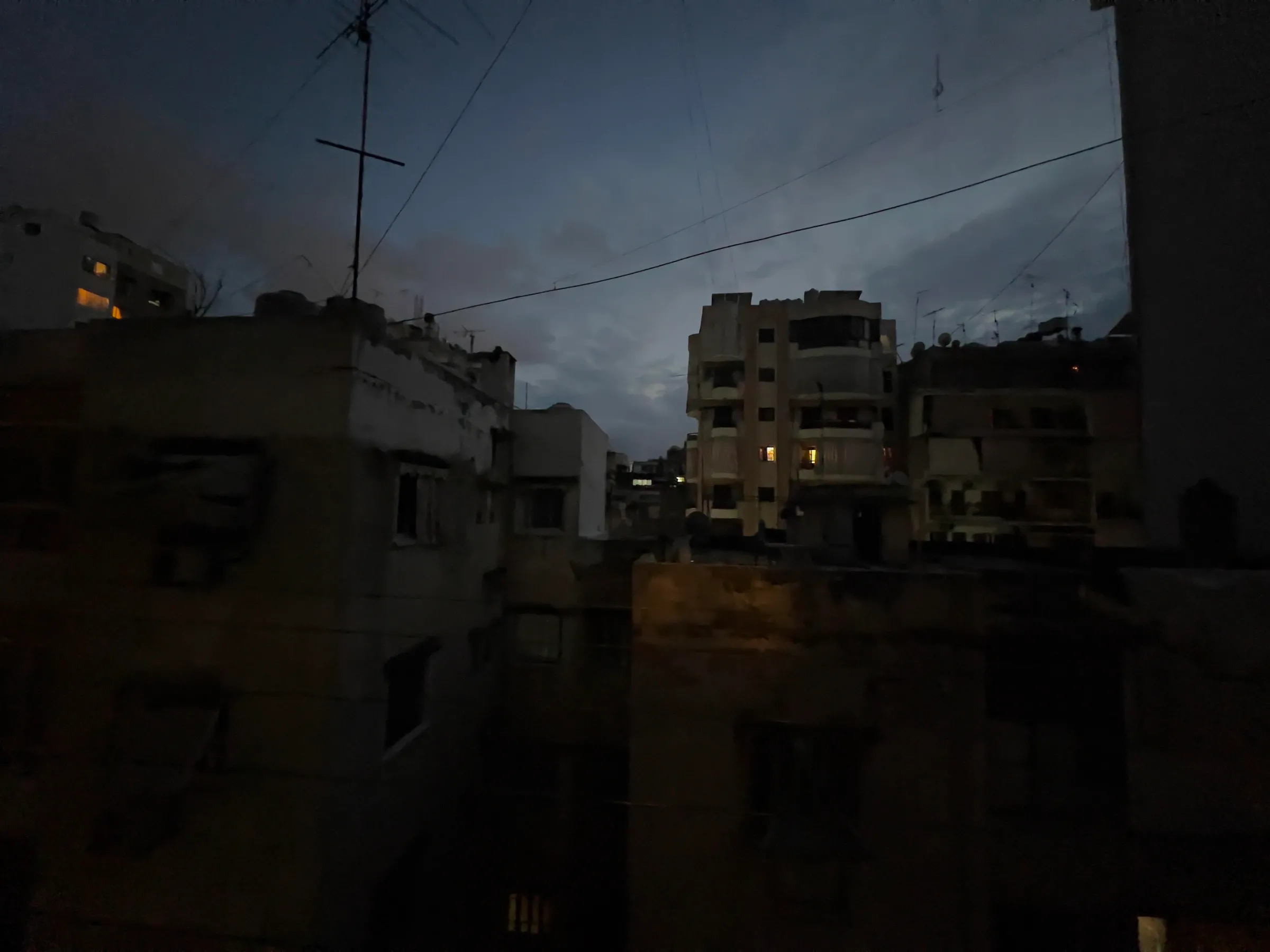
Our house was on the frontline so we moved to my mum's in a different part of the city. There was no electricity and we spent a year shut up in a mostly dark house, unable to go out because of snipers and bombs.
I didn't want to leave my country, but I could see how badly the war was affecting my children, so we eventually left for the Turkish city of Gaziantep.
Life there was very difficult.
The children were regularly bullied and attacked, both in school and outside. Syrians were constantly harassed on the street, there were stabbings, there was zero protection, and if you complained to the police, they'd deport you.
Then in early 2023 there was a massive earthquake and thousands died. Gaziantep was close to the epicentre, and we were hugely affected psychologically. We lived in our car for a week. It was freezing and snowing.
Even now, if our home shakes slightly because of a passing train my youngest runs out of the house because he thinks it's going to collapse.
I moved to Britain to seek refuge and take up a scholarship for a Master of Public Policy degree at Oxford University.
We applied for asylum nearly a year before Assad fell, but they never gave us a decision.
The local community in our village has been extremely welcoming and protective. We've integrated and want to contribute and build a stable future for our kids. But we're living with the same uncertainty as in Turkey – we're still in limbo.
As a parent, your most important role is to protect your children. In May, my son told his mum he'd rather die than be forced to return to Syria. It's been very difficult – I feel I've failed as a father.
I want him to feel safe and live like any normal kid. He's about to turn 15 and shouldn't be worrying about this.
Kidnappings and killings
It's very concerning that the UK government advises British citizens against all travel to Syria, but at the same time it tells Syrians it's safe - you feel maybe they see Syrians as less human than UK citizens.
Just because Assad has left, it doesn't make Syria safe.
Thousands of war criminals committed serious abuses every day during nearly 14 years of war. Have they gone? Has there been any kind of transitional justice?
These people are still there.
Many reorganised into local militias and criminal groups and when they lack money, they kidnap people. This is happening in Aleppo, and no one is talking about it.
There are a lot of crimes, kidnappings and killings every day. The situation is really fragile. We don't see any rule of law, any basics of democracy or good governance.
But even if security was good, it would be impossible for the country to absorb all the Syrians in Europe, Turkey and elsewhere. The infrastructure is destroyed; housing is destroyed.
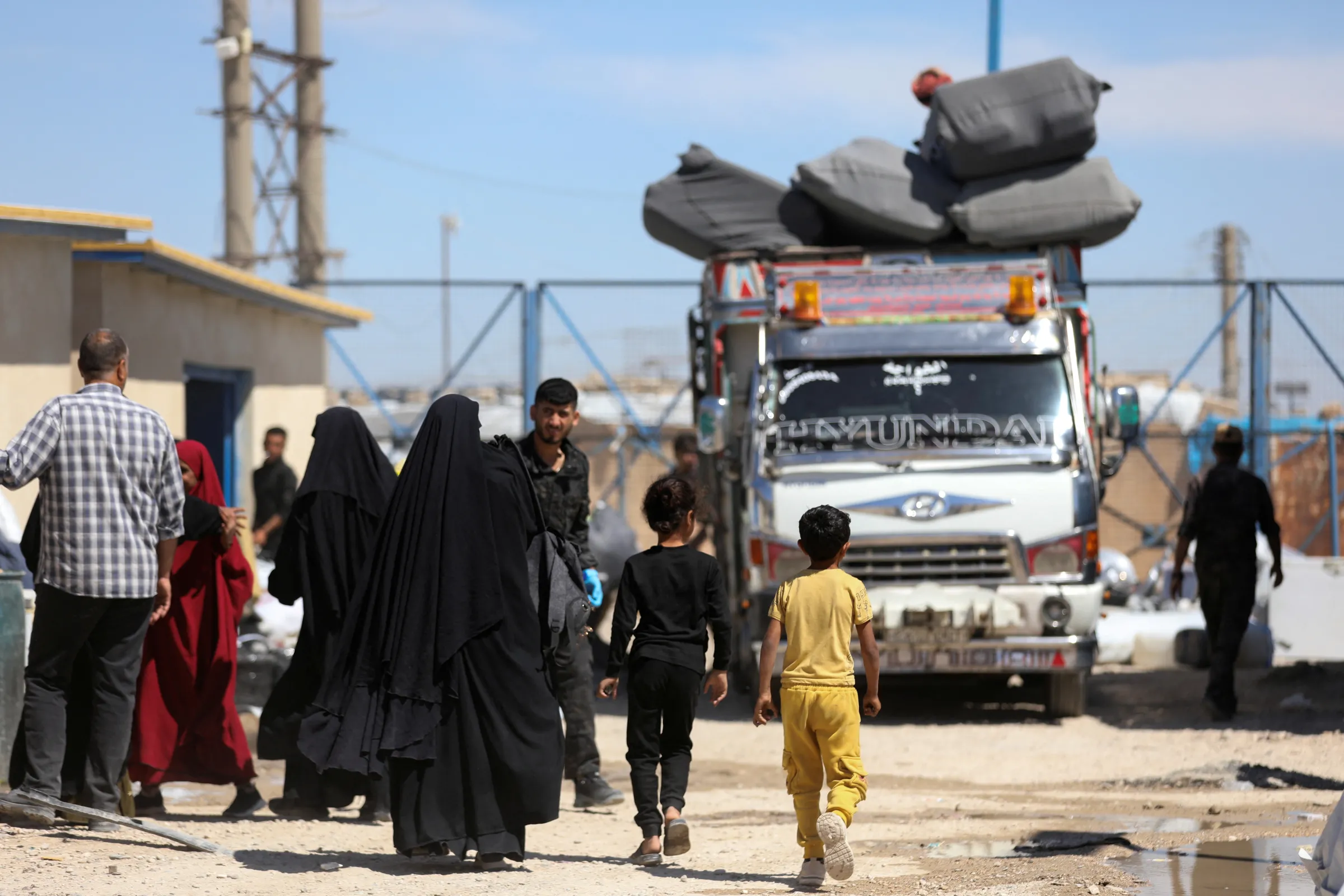
Just look at the camps inside Syria where hundreds of thousands are still living after being displaced during the war. The current government can't even help them, so how would they accommodate people returning from outside?
The anti-immigrant, anti-refugee sentiment we see in the UK is a global issue.
It's a tactic that many governments and political parties use because it's always easier to blame others, especially refugees who are the most vulnerable and can't defend themselves.
What my family needs now is some hope, some sense of stability and belonging, so we can live normally and start planning for the future.
(Reporting by Emma Batha; Editing by Lyndsay Griffiths.)
Context is powered by the Thomson Reuters Foundation Newsroom.
Our Standards: Thomson Reuters Trust Principles
Tags
- War and conflict
- Migration