
As wildfires mount, so do efforts to use less plastic

Explainer
Explainer
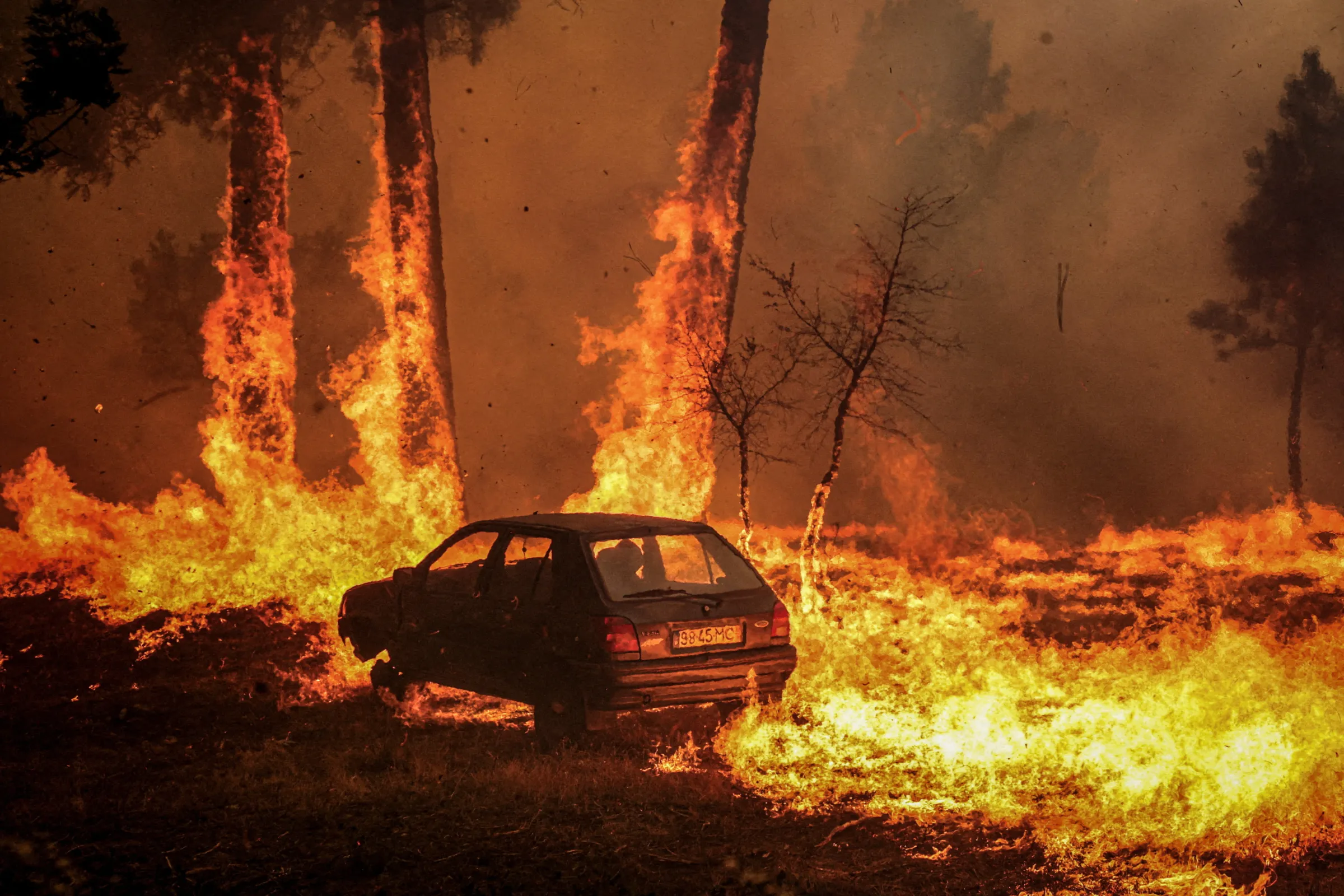
A car burns during the wildfire, in Meda, Portugal, August 15, 2025. REUTERS/Pedro Nunes
What’s the context?
Plastic used in building construction burns hotter than traditional materials and produces toxic smoke and runoff.
WASHINGTON - As wildfires driven by climate change are spurring efforts to build homes with fire-safe materials, the dangers of the use of plastic in construction needs more recognition, experts say.
Plastic in both the exteriors and interiors of homes burns far hotter than do traditional building materials such as wood or other natural products.
That poses not only increased fire danger, but the burning plastic also produces toxic smoke and runoff that can have an impact for hundreds of miles.
"It's hidden in plain sight," said Gina Ciganik, chief executive of Habitable, a nonprofit that promotes healthier buildings.
The construction industry is the second-largest user of plastic worldwide, behind packaging, and that rate is expected to double by mid-century, according to research.
Plastic building materials are used because "they deliver strong, reliable performance," said Ross Eisenberg, president of America’s Plastic Makers, which represents producers.
Here's what to know:
How are plastics used in building construction?
Before the 1950s, very little plastic was used in construction, but trends have changed dramatically.
Today, most buildings and homes are made "primarily from plastic," according to a September report from Habitable and the Plastic Pollution Coalition, an advocacy group.
That includes usage in windows, siding, flooring, paint, decking, carpet backing, wall coverings, roofing materials, insulation, pipes and furniture.
Recycled plastics are also increasingly being used, for instance as concrete aggregate or to create bricks.
The construction industry today uses some 20% of plastic globally, and that figure is set to double by 2050, according to the Organization for Economic Cooperation and Development (OECD) and estimates by researchers at the University of California.
Construction also uses more than two-thirds of all poly vinyl chloride (PVC), one of the most toxic types of plastic in use.
What concerns does this raise?
Research from the Fire Safety Research Institute found synthetic home furnishings resulted in catastrophic "flashover" in three or four minutes, compared with natural options that burned for a half hour or more.
The use of plastic in construction is a growing concern as climate change contributes to increasingly intense wildfires, and neighbourhoods encroach on natural areas, said Erica Cirino, a spokesperson for the Plastic Pollution Coalition.
"This risk is increasing for millions and millions of people in the U.S. but also throughout the world," she said.
During the 2024 wildfires in Los Angeles, air pollution carried dangerous levels of lead and chlorine, and hazardous levels of heavy metals were found on properties even after federal remediation work, according to the Habitable and the Plastic Pollution Coalition report.
Wildfires in California released more than 100 types of toxic chemicals into drinking water, particularly from plastic pipes, needing months or even years of clean-up, the report found.
"When compared with natural building materials, plastics burn hotter, faster, release more toxic chemicals and leave behind toxic ash," said Teresa McGrath, Habitable's chief research officer.
Are these trends changing?
With the exception of wiring and cabling, safer non-plastic alternatives exist for nearly all products used in building construction, McGrath said, suggesting products made with bamboo, wood and hemp.
Many alternatives such as those for paint and insulation are often similarly priced, while others cost less than plastic over time because they last longer, she said.
Efforts to move away from the use of plastic are underway by consumers, building designers and developers, the insurance industry, fire risk associations and government officials.
Insurance assessment programs such as the Wildfire Prepared Home, available in several states including California, encourage homeowners to replace vinyl siding or other vinyl components with non-combustible alternatives.
The state of Minnesota recently updated regulations to incentivise affordable housing projects that receive public funding to reduce the use of plastics in favour of "healthier materials" that it did not specify.
New York is considering a similar step.
Major standards programs such as those overseen by the nonprofit U.S. Green Building Council are increasingly focusing on sustainable materials.
Groups such as the Plastic Pollution Coalition are urging regulators to incentivise builders and developers to engage in "fire-safe, healthy materials training" and report on which materials they are using.
(Reporting by Carey L. Biron; Editing by Anastasia Moloney and Ellen Wulfhorst.)
Context is powered by the Thomson Reuters Foundation Newsroom.
Our Standards: Thomson Reuters Trust Principles
Tags
- Extreme weather
- Fossil fuels
- Climate and health
- Forests