
Stefanos Fotiou is Director of the United Nations Food Systems Coordination Hub.
As 2025 draws to a close, one lesson stands out from a year of conflict, climate shocks and economic turbulence: food systems now sit on the frontline of social protection and global stability.
When people cannot rely on safe, affordable and nutritious food, the consequences are immediate and far-reaching.
This year showed how fast societies can be shaken when prices spike, supply chains falter or safety nets fail to keep up.
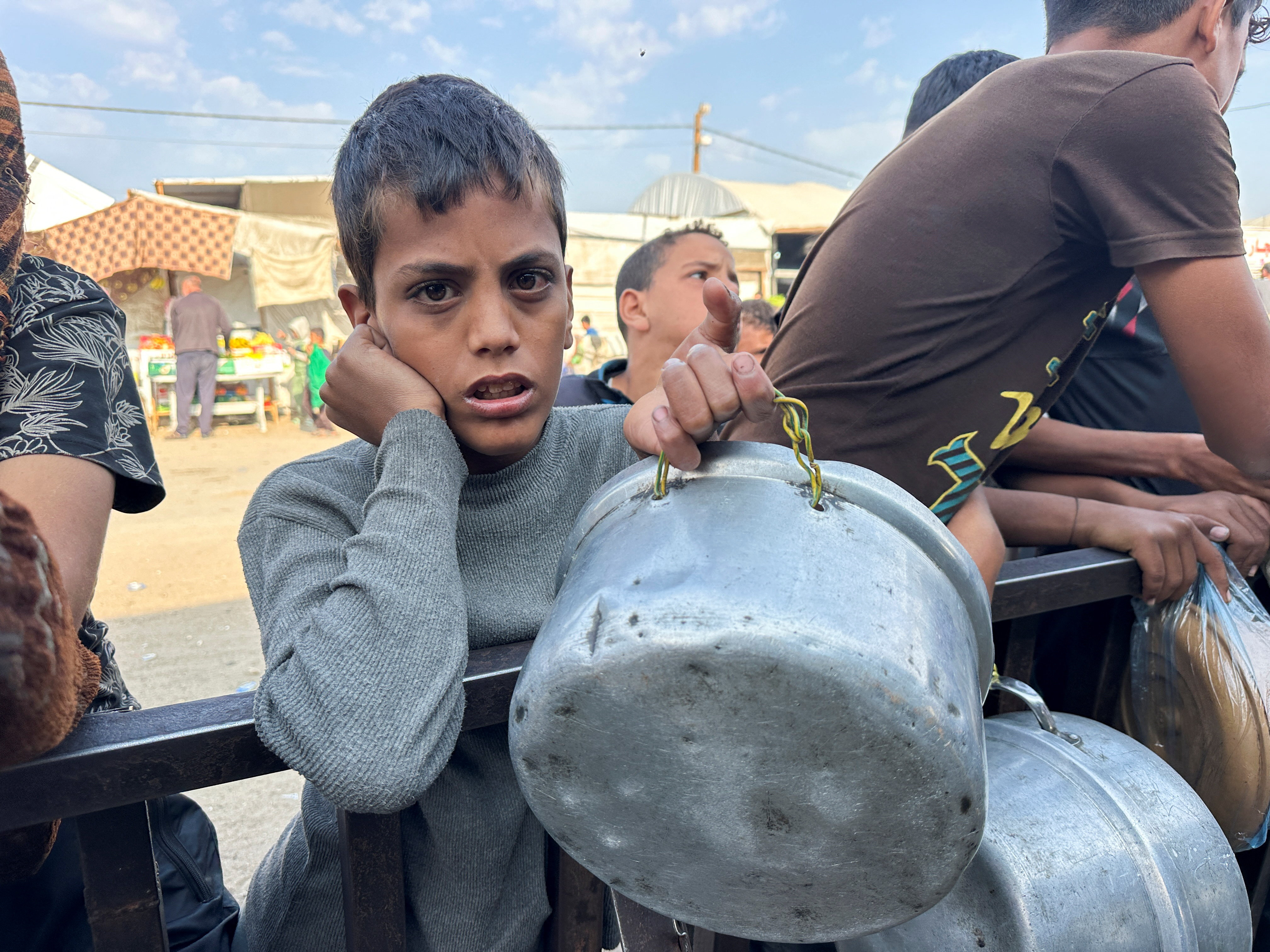
In Gaza and across the Sahel and Horn of Africa, food was often the first service to collapse and the last to return.
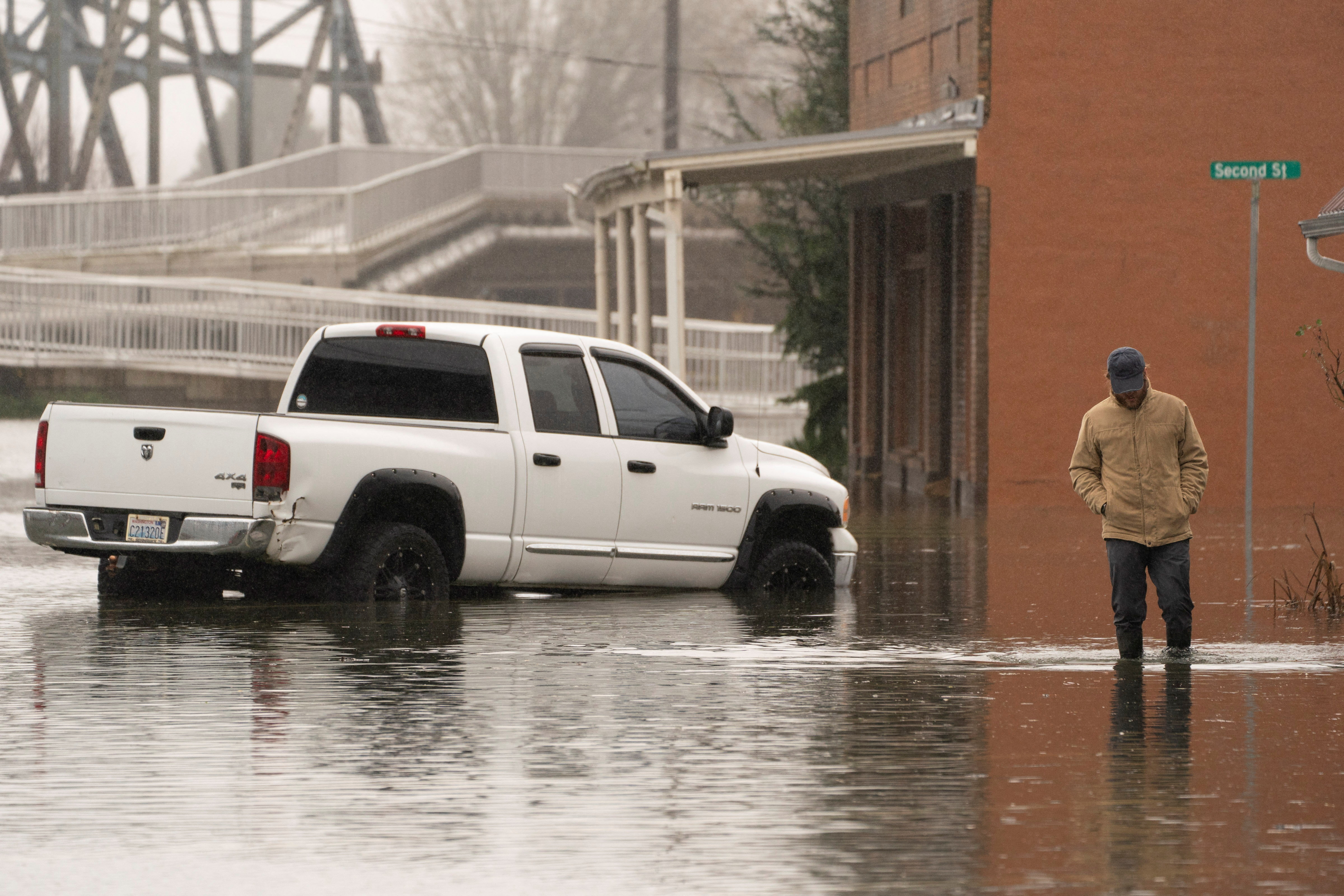
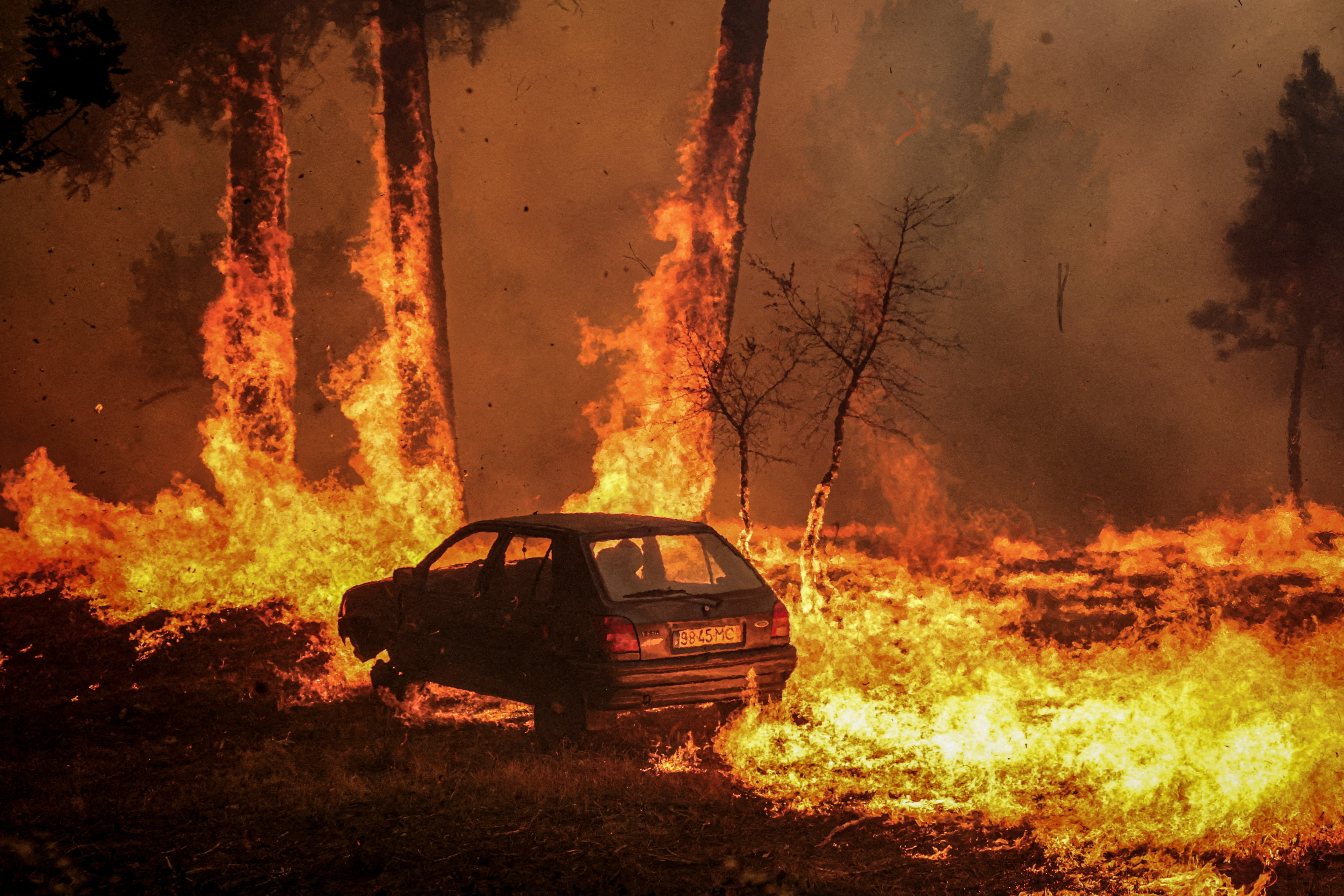
Climate extremes – droughts, floods and heatwaves – further strained harvests and pushed already fragile systems closer to the edge.
These shocks revealed how vulnerable many national food systems remain and how closely food security links with governance, health, debt and social cohesion.
Countries facing the world’s worst food crises are already spending nearly twice as much on debt service as on health – a choice that weakens resilience long before famine is declared.
If 2025 showed anything, it is that societies are only as strong as the systems that feed them.
Yet food is still rarely treated as strategic. Governments focus more on energy security or trade routes than on staple grain flows or school meals, while the wider costs of agrifood systems – from malnutrition to environmental damage – are estimated at roughly $12 trillion a year.
Financing continues to fall short of this scale of risk.
In 2025, price volatility, export limits and fertiliser shortages kept food systems under constant strain, with local markets remaining unstable even when global prices eased.
For low-income and fragile states, rising import costs collided with limited fiscal space, while major grain export curbs triggered fast regional ripple effects and stretched social protection systems even further.
Bridging the gap
A widening food resilience divide became unmistakable: wealthier and better-prepared countries invested in climate-resilient crops, diversified supply chains and early-warning systems, while others faced the same shocks with fewer resources each time.
Amid this turbulence, governments did not stand still.
The UN Food Systems Summit +4 – the global stocktake four years after the 2021 summit – showed that more than 150 governments are advancing their national food systems pathways, many aligning them with climate and biodiversity strategies.
The COP30 climate talks reinforced this direction by giving food and land use greater prominence in adaptation discussions.
Several countries expanded school meal programmes, adopted right-to-food legislation or redesigned subsidies to support healthier and more sustainable production.
These steps reflect a wider shift: food is increasingly understood as a foundation for stability, health and economic opportunity. The task for 2026 is to turn this momentum into protection for the people and communities most exposed to shocks.
Three priorities stand out for 2026.
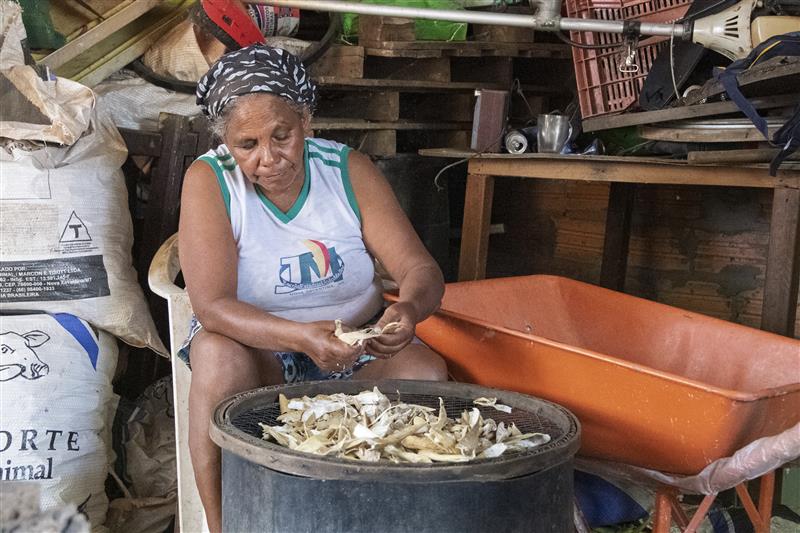
First, treat food systems as strategic infrastructure by securing supply chains, diversifying import sources, strengthening local markets and supporting the workers who keep food moving.
Social protection must guarantee regular access to nutritious diets, especially for children and people in crisis-affected areas.
Second, finance resilience before emergencies hit. Funding still leans heavily towards crisis response rather than prevention.
In 2025, price volatility, export limits and fertiliser shortages kept food systems under constant strain.
Investments in climate-smart agriculture, resilient storage, early-warning systems and local food economies reduce long-term costs and protect communities. Debt swaps for food and climate, resilience bonds and blended finance can help shift capital towards prevention.
Third, embed food into climate, trade and security agendas. Climate processes should integrate food and agriculture across mitigation, adaptation and resilience.
Trade discussions should consider nutritional outcomes and smallholder livelihoods alongside market access. Early-warning systems should treat food stress – from failed rains to export shifts or sharp price spikes – as a signal of rising fragility.
Progress is possible
If 2025 showed anything, it is that societies are only as strong as the systems that feed them. Food shapes health, productivity, environmental sustainability and political stability.
The year also showed that progress is achievable. Investments in resilient crops, school meals, diversified supply chains and fairer markets delivered visible gains.
But without sustained commitment, the pressures seen in 2025 will intensify and governments will struggle to absorb climate extremes.
Preventing future food crises is within reach. Countries have set clear pathways and communities are driving solutions that fit their realities. The tools exist. What matters now is whether governments act with the urgency this moment demands.
Strengthening food systems is one of the clearest ways to improve daily life and build a more secure and equitable future. The real test in 2026 is whether we reinforce the foundation that supports everything else.