
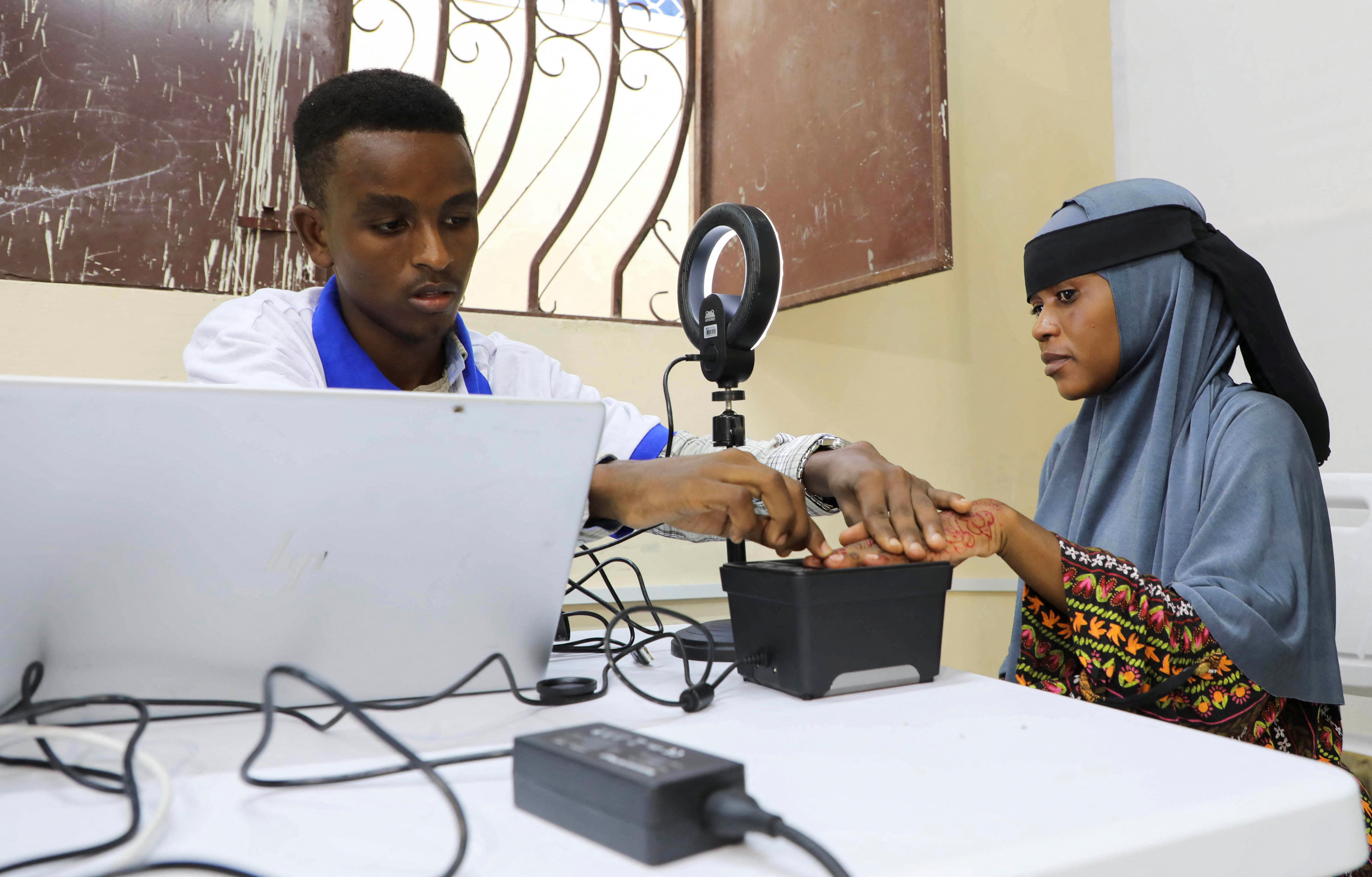
JOHANNESBURG – Biometric IDs are being used to grant access to government services from medical treatment to voting registration across Africa, and those without digital identities are being left behind, a new report said.
The study by the African Digital Rights Network (ADRN), in collaboration with the Institute of Development Studies (IDS), analysed the spread of biometric IDs across 10 countries.
It highlighted the risks of the rapid and unregulated rollout of biometric IDs, which typically make use of fingerprints or facial characteristics, to verify identities.
Here’s what you need to know.
Why is the use of biometric IDs surging in Africa?
A November report by the U.S.-based Atlantic Council think tank found that 49 out of 54 African countries now use biometric systems.
Biometric IDs have surged in recent years in response to a rise in digital fraud and as international funding for digital identification projects from the World Bank, European Union and other international bodies increases, the ADRN report found.
Some governments see biometric IDs as a way to modernise outdated application processes and systems.
But the new systems are not cheap.
The total cost of contracts to implement and run biometric digital ID systems across African countries that use them exceeds $1 billion, the report estimated.
Proponents argue that biometric IDs create more inclusion for those without identification documents, but researchers warned that these costly systems can create a new class of digitally excluded people.
What are the risks of this rollout?
In some countries, including Egypt, too much personal information, such as religious affiliation, was collected, heightening the risk of discrimination in the event of data leaks, the report said.
Legislation had not adapted to the new technology to provide adequate protection against rights violations in some countries. Where legislation exists, there is little to no enforcement.
The study highlighted the danger of personal data being leaked, sold or shared with private companies or international agencies, citing examples in Côte d’Ivoire, Egypt and Senegal.
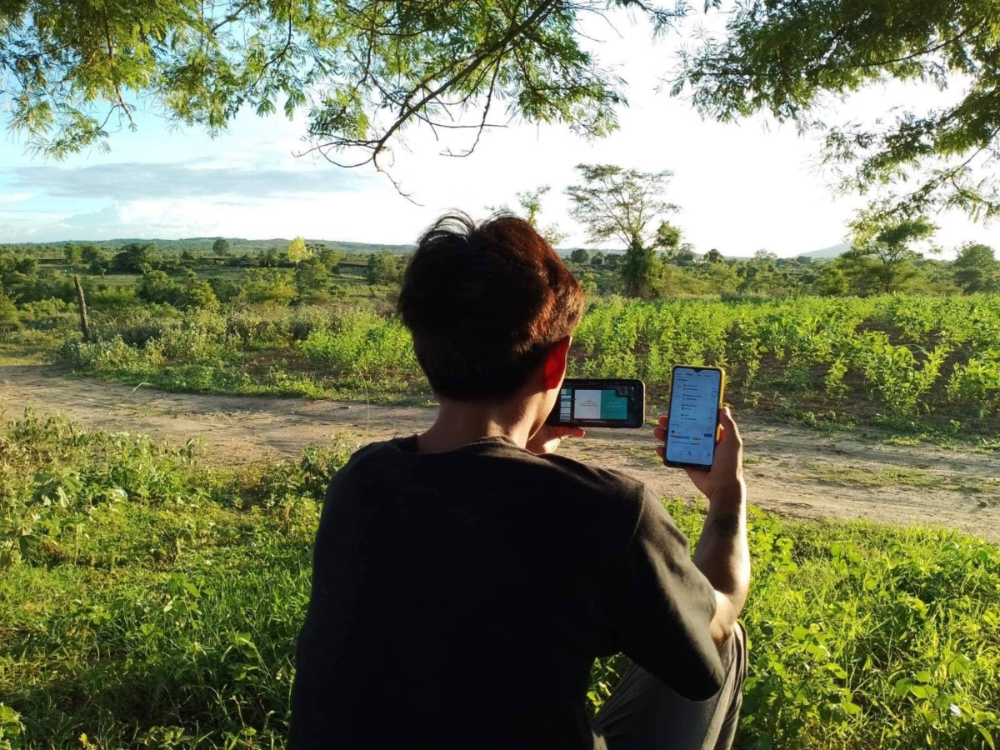
Millions of Africans cannot access biometric IDs due to digital illiteracy, the cost of mobile data or electricity or disabilities that inhibit online or physical registration.
This cuts them off from voting, social protection payments, healthcare, education and other essential services, the report said.
“Some people with visual impairments have to pay people to help them use their digital ID on mobile phones to access their social protection payments,” Tony Roberts, a research fellow at IDS and co-editor of the report, said in a statement.
The fear of digital breaches also deters citizens from registering.
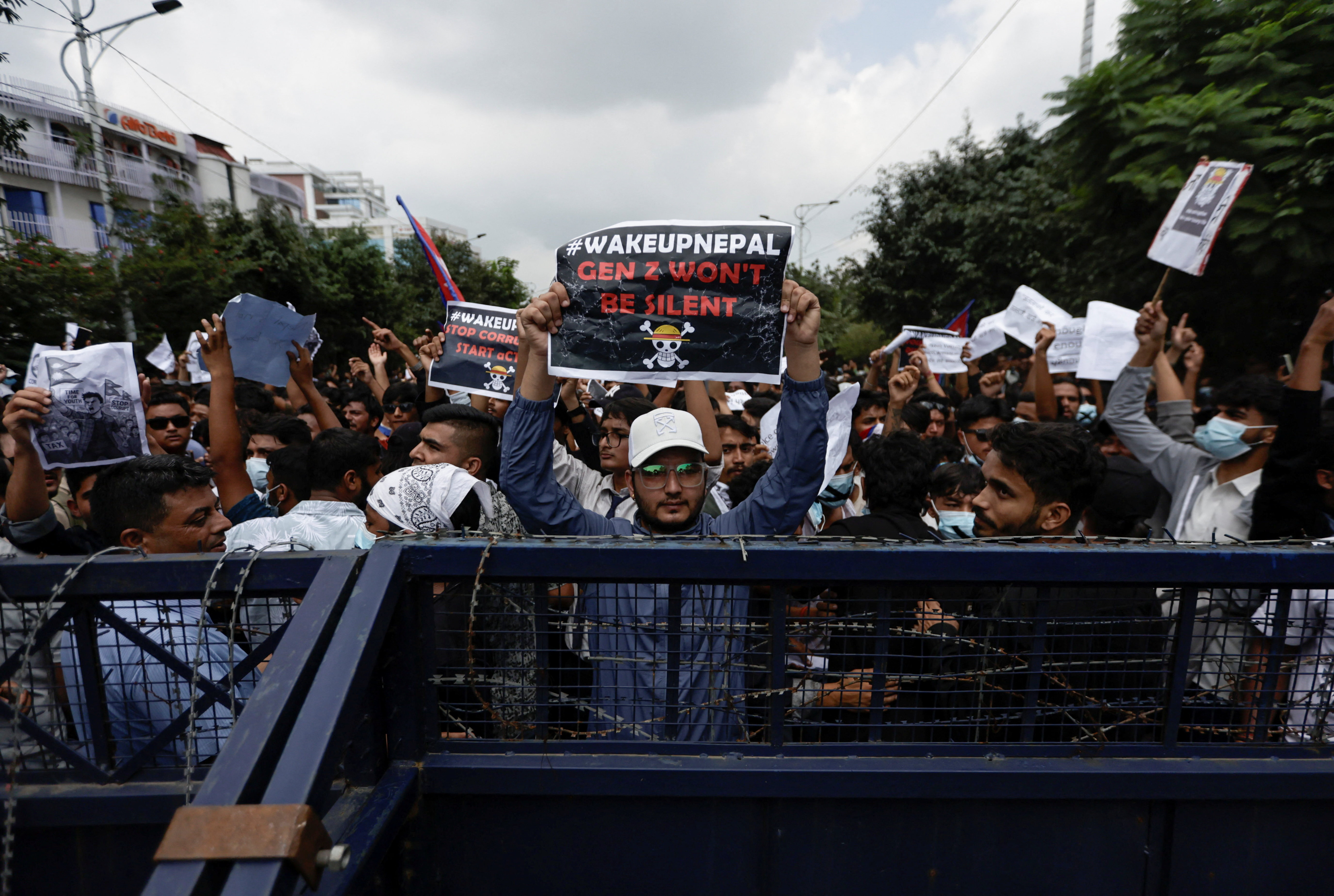
“Many citizens do not want to enroll for a biometric digital ID, because they have good reason not to trust their governments,” said ‘Gbenga Sesan, co-editor of the report and executive director of Paradigm Initiative, a digital rights organisation.
Alongside internet shutdowns and interception, mobile spyware and social media monitoring, biometric IDs could be used as tools for mass surveillance, digital activists said.
What are the benefits of biometric IDs?
Digital IDs can improve convenience and access to government services while limiting fraud, because security layers like fingerprints and iris scans are harder to fake, compared to paper documents.
A pilot programme by the Cameroon government and the U.N. refugee agency UNHCR in 2022 helped 6,000 refugees from neighbouring Central African Republic get biometrics-based IDs.
They were then able to access education, jobs and healthcare opportunities and travel without fear of arrest.
What can be done to protect citizens’ rights?
Only two out of the 10 countries in the study conducted risk assessments before introducing digital ID systems, and neither included safeguards for everyone shown to be affected.
Learning citizens’ concerns and passing dedicated biometric digital-ID and data protection laws to protect privacy were needed, the study said.
Biometric rollouts should include resources for independent oversight and mechanisms to deal with abuses, it recommended.
(Editing by Ayla Jean Yackley.)