Context is powered by the Thomson Reuters Foundation Newsroom.
Our Standards: Thomson Reuters Trust Principles



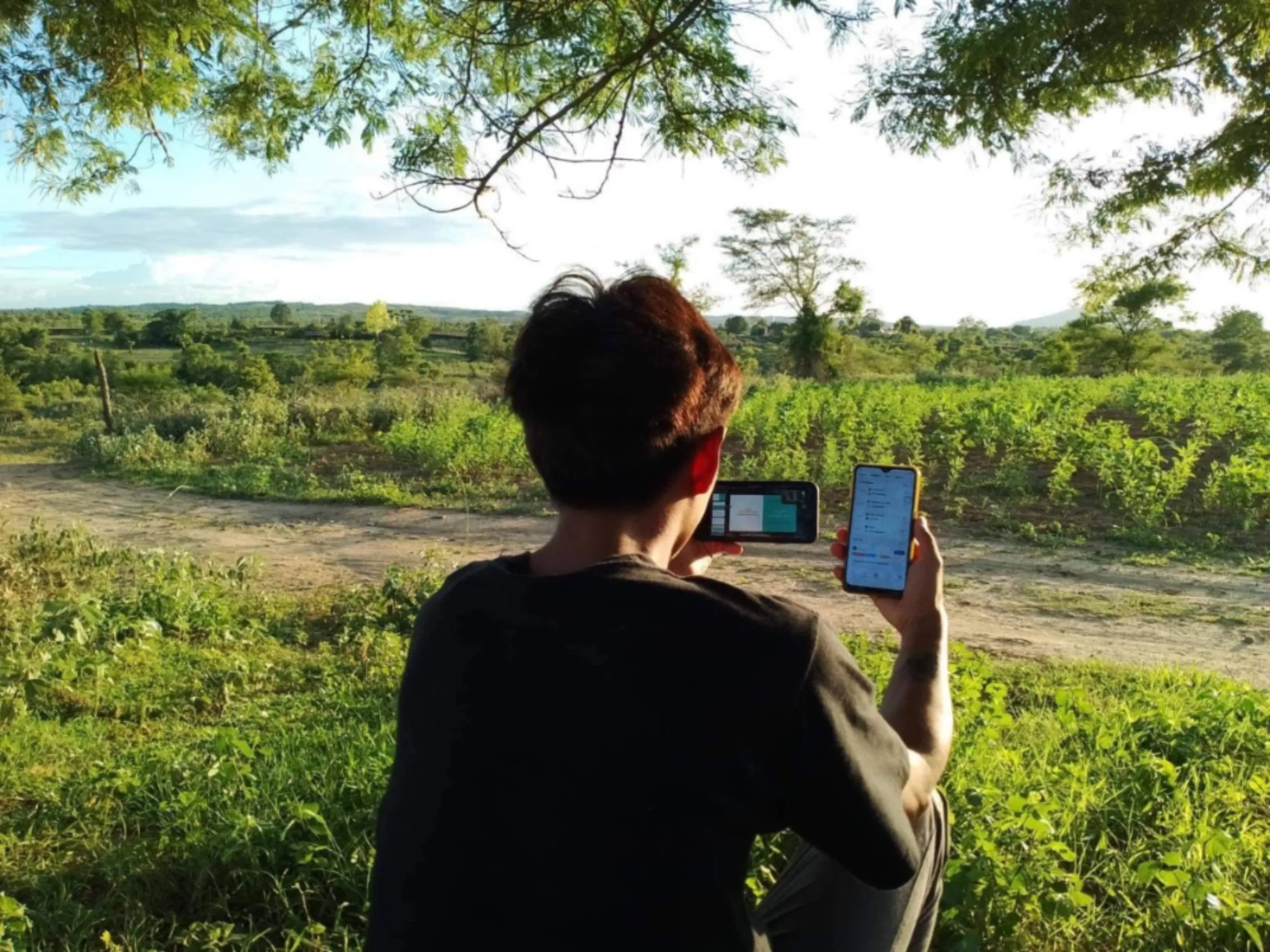
A man checks his smartphone to connect to the internet, amid telecom shutdown across the country, in Kabul, Afghanistan, September 30, 2025. REUTERS/Sayed Hassib
The economic toll of digital blackouts hit $20 billion last year. Citizens are adapting with new tech to skirt government controls.
JOHANNESBURG - As 2026 began, Ugandans and Iranians were plunged into digital darkness with authorities seeking to crack down on dissent by blocking internet communication.
This kind of cyber control is a growing trend. In 2025, 28 internet blackouts cost economies about $19.7 billion, a 156% increase from 2024, a new report from monitoring firm Top10VPN found.
This was the highest economic toll since 2022, when 114 shutdowns in 23 countries cost $24.6 billion, including a loss of around $21.6 billion from blackouts just in Russia.
Internet shutdowns disrupt businesses, e-commerce and financial services, leading to sales losses and reduced productivity. They also deter investment, harm tourism and hinder remote work, education and innovation, hitting both formal and informal economies.
In Uganda, authorities shut the internet on Jan. 13, ahead of general elections two days later. After a campaign marred by violence, President Yoweri Museveni was declared the winner, extending his rule into a fifth decade.
The countrywide blackout cost $3.8 million each day, totalling $16 million before the internet was restored late on Jan. 17 after 101 hours, said Simon Migliano, head of research at Top10VPN.
In Iran, where thousands of people have been killed since Dec. 28 when protests began over soaring inflation, the economic impact of internet cuts is $37.4 million per day since Jan. 8, according to Migliano's calculations.
In 2025, internet shutdowns cost the Iranian economy $214.7 million, Migliano said in emailed comments.
Last year, governments around the world suspended internet services during military coups, conflicts and academic exams and in order to control the spread of information, according to Top10VPN.
"Historically, sharp increases in shutdown activity were concentrated around specific events or conflicts," the report found.
But in 2025, "governments increasingly turned to pre-emptive disruptions, citing security concerns even in the absence of protests, elections, exams or other traditional triggers."
The wave of pre-emptive cuts show that internet blackouts are becoming "bigger, smarter and more strategic", according to Top10VPN.
In 2026, proactive monitoring and mitigation to get around the expansion of internet controls will become essential to bypassing censorship tactics, the report found.
In Europe, internet cuts linked to information control cost the continent $11 billion in 2025. Russia was responsible for the majority of cuts in Europe.
Russian blackouts last year affected an estimated 146 million people and lasted a cumulative 37,166 hours.
Venezuela, India and Iraq also rolled out information-control shutdowns in 2025, "underscoring a wider global move toward pre-emptive internet restrictions," the report found.
The social media platforms most affected by blackouts were X (formerly called Twitter), Telegram and TikTok.
When blackouts strike, people typically turn to alternatives, such as Virtual Private Networks (VPNs), which offer more secure connections, and Elon Musk's Starlink satellite internet services.
The minute the internet came back on in Uganda, VPNs surged 2,237% above the daily average prior to the shutdown so that people could bypass the ongoing social media blocks, said Migliano.
Social media blocks have cost an additional $8.6 million so far, he added.
Ugandans and Iranians have also used Bitchat, an offline messaging app launched by Twitter co-founder Jack Dorsey in mid-2025. It uses Bluetooth mesh technology to create a decentralised, offline network.
Bitchat has surged to the top of Apple and Google app stores in Uganda, clocking more than 28,000 downloads this year, according to research firm Apptopia. That marks a near fourfold increase over the previous two months combined.
Its usage has also more than tripled in Iran.
The Bridgefy messaging app, which also uses Bluetooth-based technology, was downloaded over 1 million times in Myanmar in 2021 after the military seized power.
(Reporting by Kim Harrisberg. Editing by Ayla Jean Yackley.)
Context is powered by the Thomson Reuters Foundation Newsroom.
Our Standards: Thomson Reuters Trust Principles