
'I lost my job': US aid cuts hit women clearing Zimbabwe's mines

First person
First person
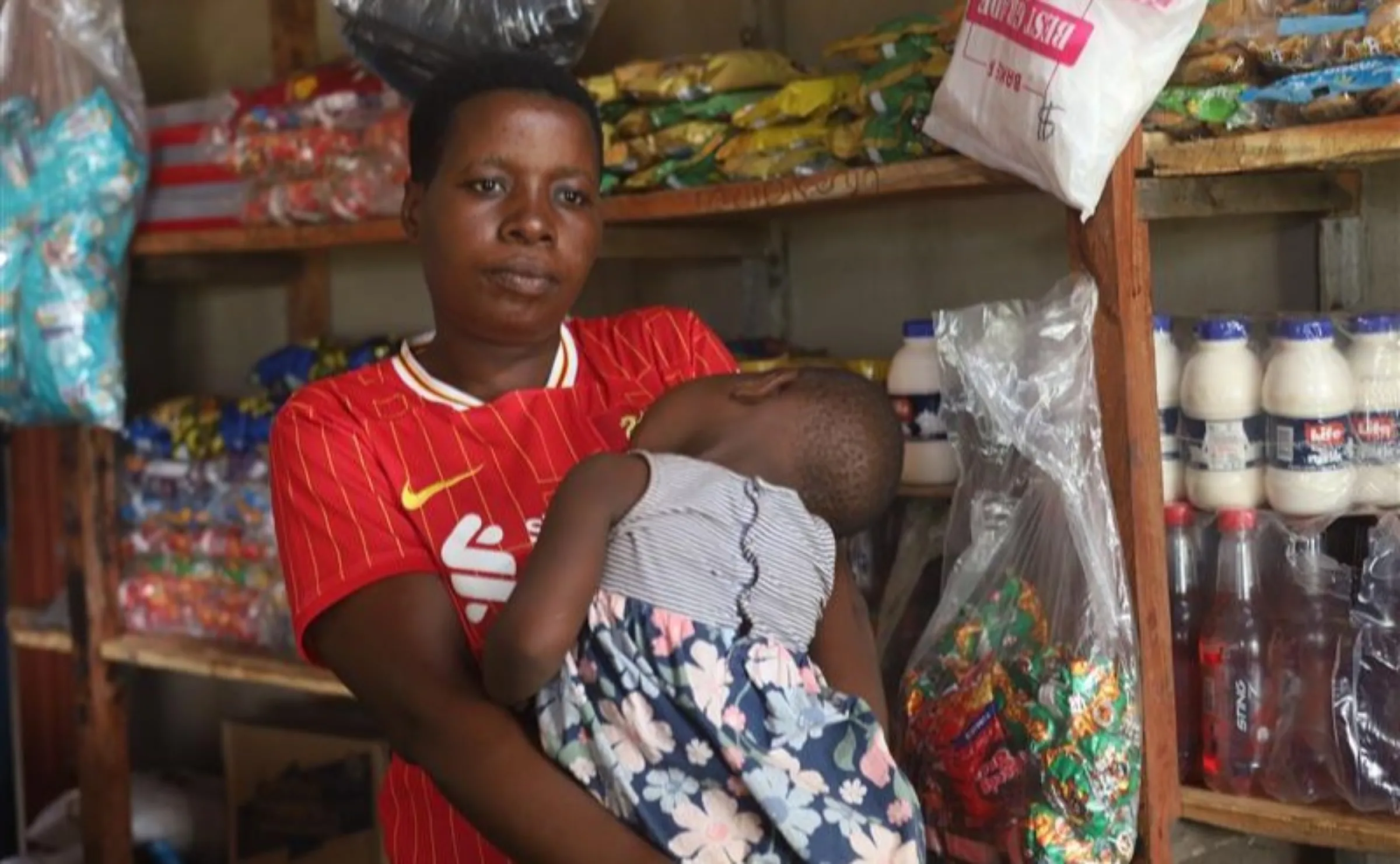
Joyce Chaipa, who lost her job clearing mines in Zimbabwe after U.S. funding cuts, stands with her child inside her shop in Rushinga, Zimbabwe, Dec 7, 2025. Thomson Reuters Foundation/Farai Shawn Matiashe.
What’s the context?
Joyce Chaipa lost her job clearing mines in Zimbabwe after cuts by the U.S. and other donors. This is her story.
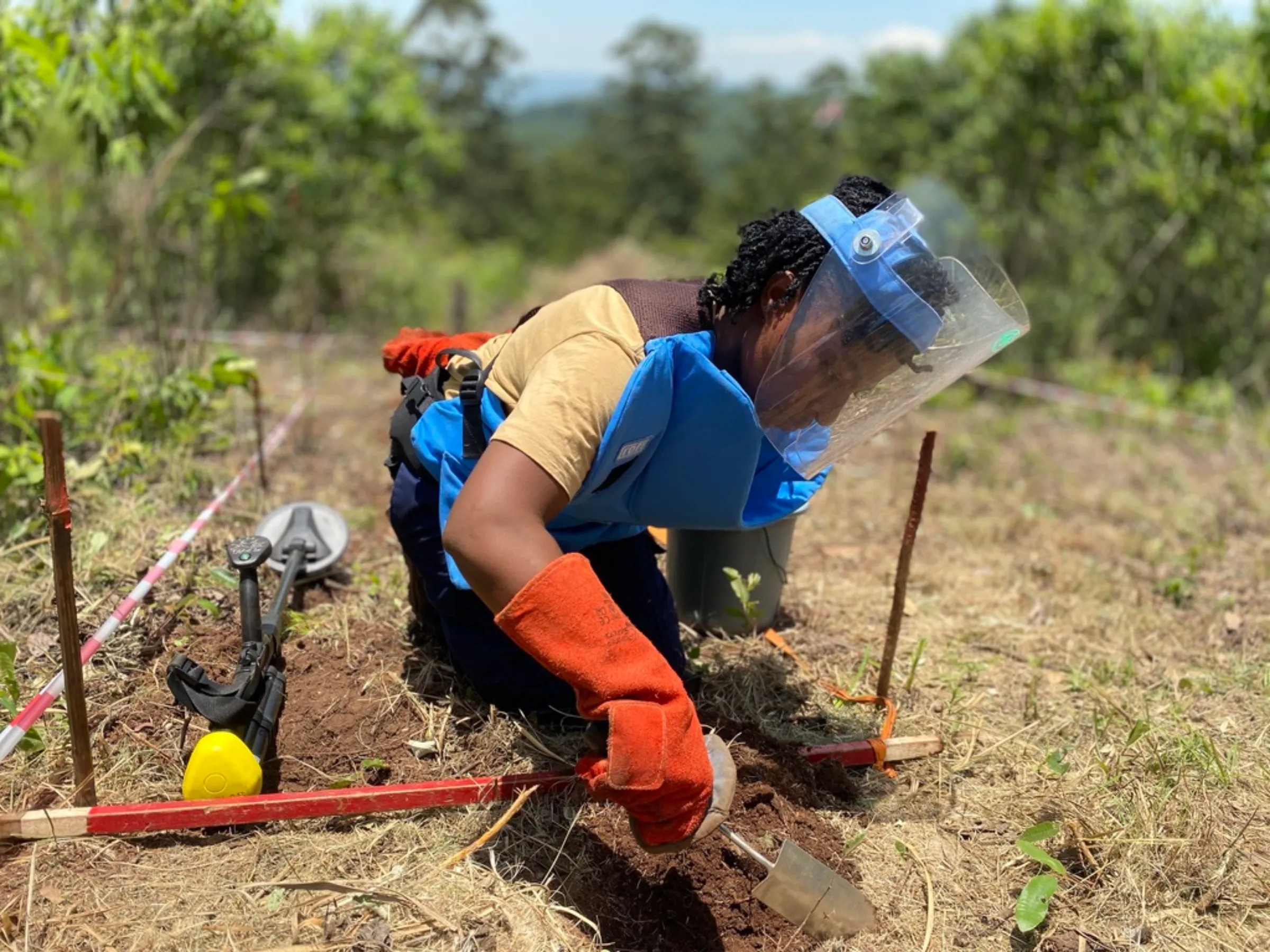
RUSHINGA, Zimbabwe - Hundreds of women hired by charities to clear deadly landmines across Zimbabwe are now struggling to survive after the United States and other big donors slashed foreign aid - and with it, axed their jobs.
The women were working for international NGOs, including The HALO Trust and APOPO, in eastern Zimbabwe where former colonial rulers laid millions of anti-personnel landmines along the border with Mozambique during the 1970s Liberation War.
About 1,660 people had been injured or killed by landmines in Zimbabwe by the end of 2024, according to the Landmine And Cluster Munition Monitor, which has collated casualties through the decades.
The HALO Trust, a British demining charity, said staff had fallen from 470 in 30 manual demining teams to 230 in 12 teams in June 2025 - but they were trying to support those affected.
After a grant from the U.S. State Department was terminated, APOPO closed its Zimbabwe programme, with most of its 70 staff losing their jobs, including 15 female deminers.
Most of Zimbabwe's female deminers are widows and single mothers, and the jobs give them status and financial security.
Joyce Chaipa, a 37-year-old deminer from Rushinga in Mashonaland Central Province, was recruited by The HALO Trust in 2020 but lost her job in June and is now struggling to survive.
Sole breadwinner for four children, Chaipa also supported her five siblings and both parents.
She told her story to Context's Farai Shawn Matiashe.
When I started working in 2020, I was earning $310 a month. By the time I lost my job, my monthly salary had increased to $440. This is more than what most government workers, like nurses and teachers, earn in Zimbabwe.
With this, I managed to send my children to school, feed them, and build a house. Previously, we were squatting at my parents' house. Life has not been easy since my husband left me in 2013. I was just a peasant farmer.
But my life changed after securing a job as a deminer.
Being the eldest of six girls, with a job, everyone in the family looked up to me. I started supporting them with medical bills, food, and school fees.
To diversify my income, I built a shop and also ventured into an informal village savings club.
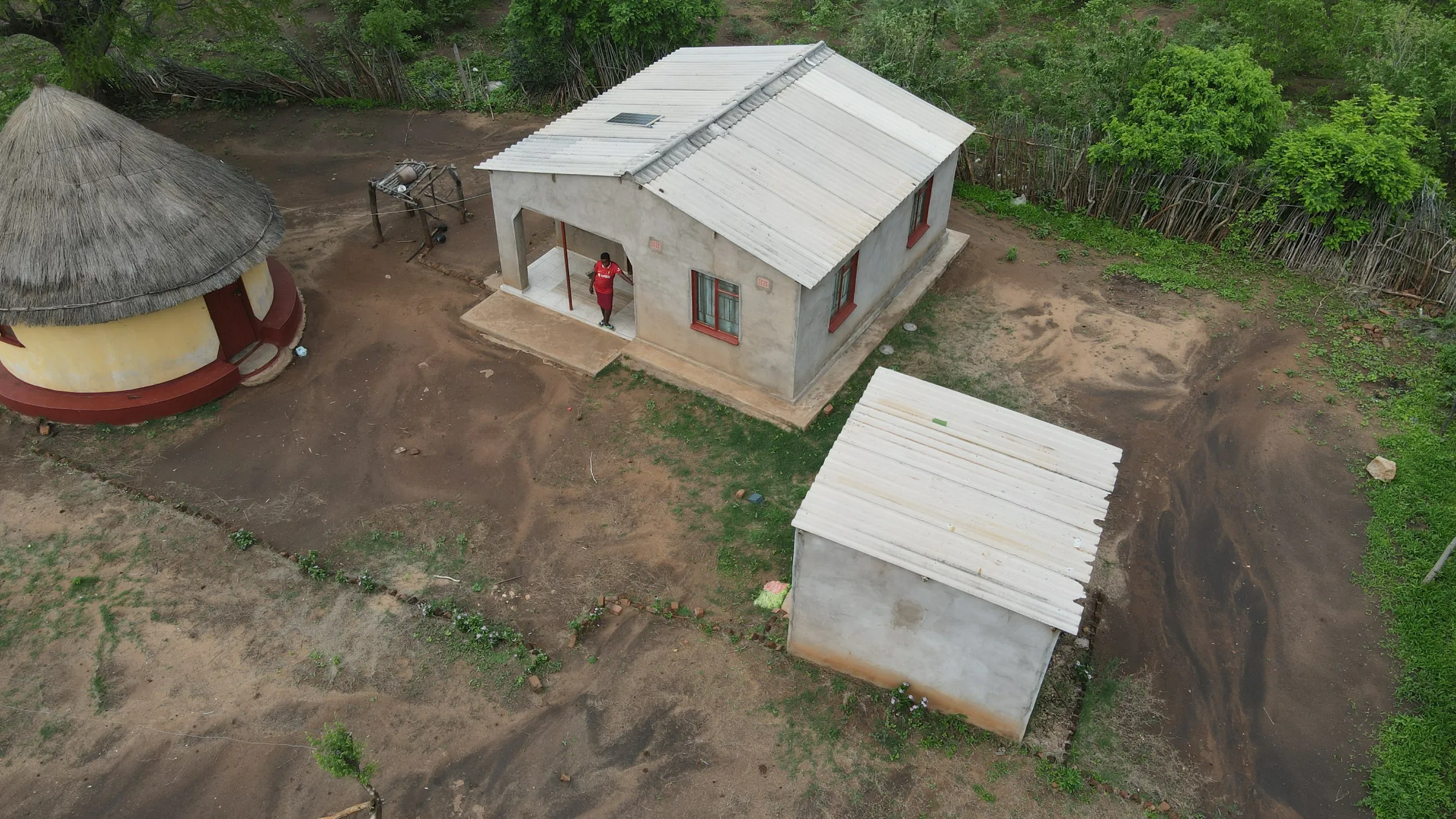
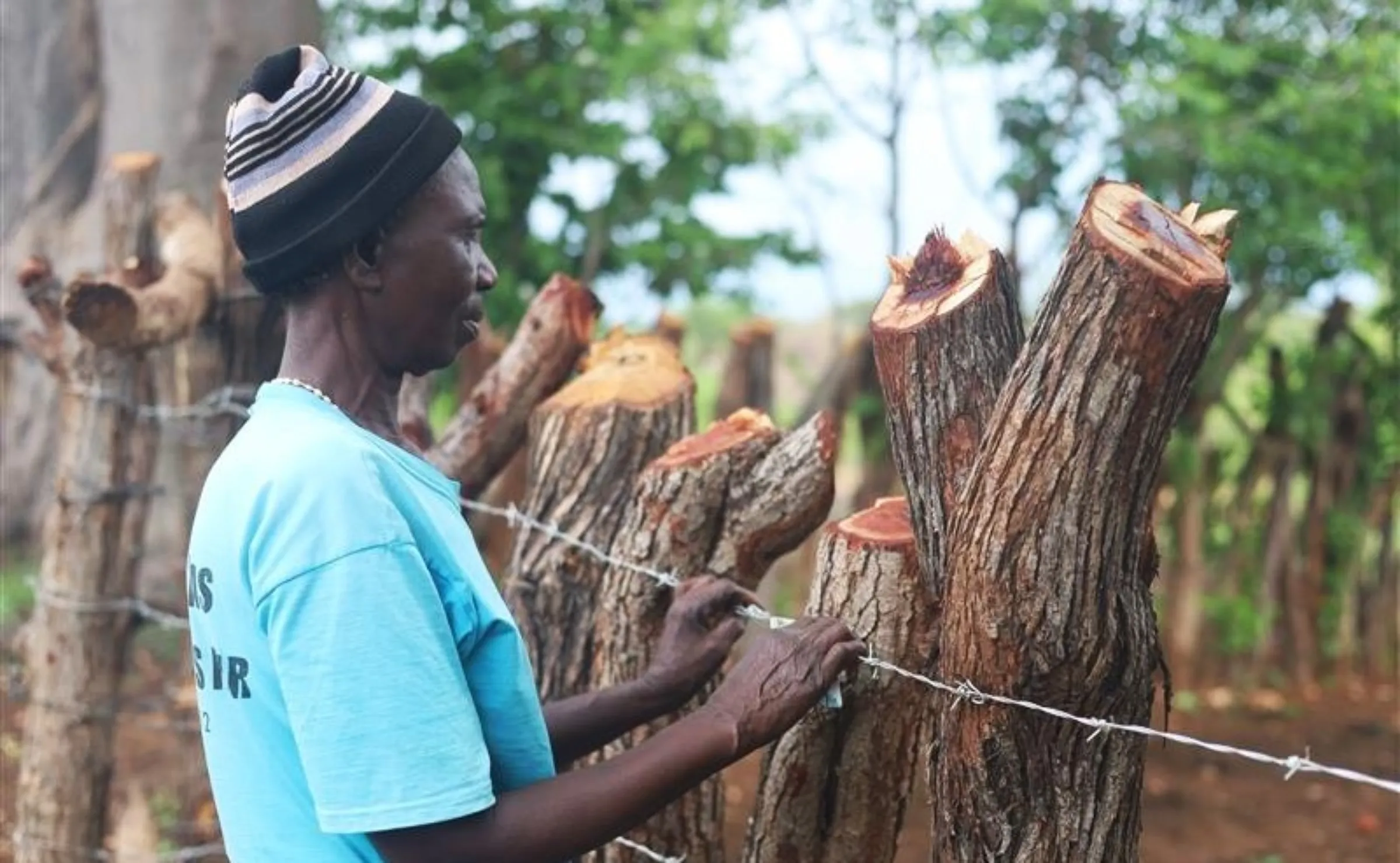
A birdeye's view of Joyce Chaipa's house in Rushinga, Zimbabwe on December 7, 2025. Thomson Reuters Foundation/Farai Shawn Matiashe
A birdeye's view of Joyce Chaipa's house in Rushinga, Zimbabwe on December 7, 2025. Thomson Reuters Foundation/Farai Shawn Matiashe
With two of my friends who were also working as deminers, we took turns to give each other $250 a month. This means that once in three months, I was earning $940, including my salary. This enabled me to look after everyone in the family.
But after June, I felt like the ground was disappearing beneath my feet. I struggled to sleep because of stress. I lost weight. The financial stress has left me depressed.
After getting the job, I started sending my children to top schools that offer better education. But after losing my job, I could not afford to pay the fees and had to take them to nearby schools in the village. I felt weak seeing my children crying when I was downgrading their schools.
I am thinking of selling some of the cows that I bought with money from the savings club in 2024.
I am surviving on the little that I am getting from the cheap beers and groceries (I sell) from the store. We used to eat three meals a day, but now we will be lucky if we manage just one meal.
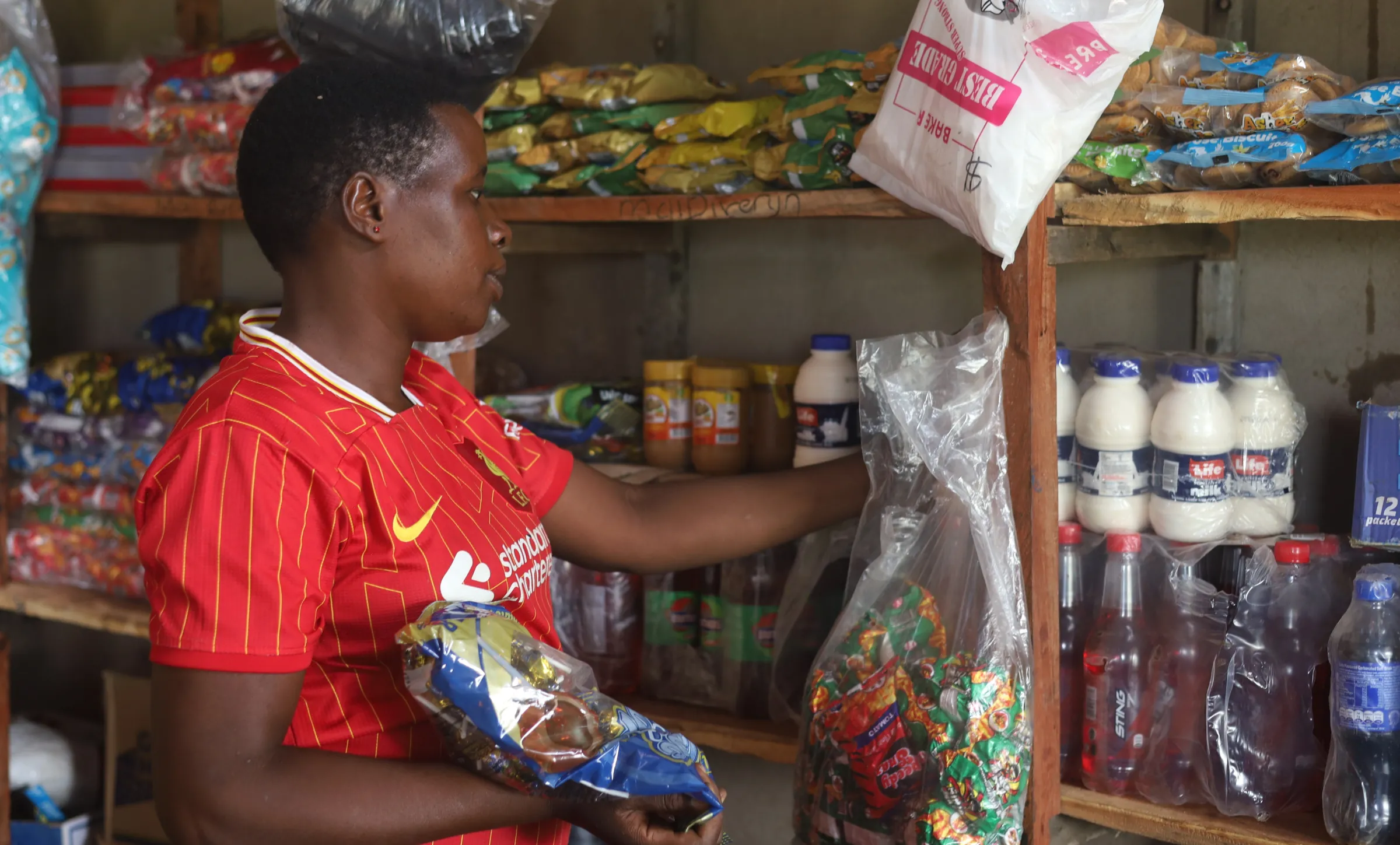
Joyce Chaipa stands inside her shop in Rushinga, Zimbabwe, Dec 7, 2025. Thomson Reuters Foundation/Farai Shawn Matiashe
Joyce Chaipa stands inside her shop in Rushinga, Zimbabwe, Dec 7, 2025. Thomson Reuters Foundation/Farai Shawn Matiashe
I am not just thinking about how my life changed when I lost my job, but the communities exposed to landmines too. In 2020, I heard from friends that they were recruiting women to work as deminers. I rushed to one of the camps here in Rushinga to apply for the job. I was so happy when my application was successful. I attended the training for a month.
I was afraid of the landmines at first, but our seniors taught us to trust the traditional handheld metal detectors, which detect mines. All the fear disappeared. By the time I lost my job, I had removed dozens of landmines in different areas along the border with neighbouring Mozambique.
I took this job because it was sad growing up seeing our neighbours losing their cows to landmines.
I also know many people who are now living with disabilities after stepping on landmines while trying to access farmlands. Others have died. Each time I was removing a landmine, I thought about all these people.
But with the U.S. funding cuts, I could not complete my mission of clearing all the landmines. There are still some areas that are yet to be cleared. Our neighbours are still losing their cattle. They still cannot access their farmlands or feel comfortable sending their children to fetch firewood in those areas along the border.
I pray every day that U.S. funding is restored so I can get back to work and provide my children with the basics.
This interview has been edited for clarity and brevity.
(Reporting by Farai Shawn Matiashe; Editing by Lyndsay Griffiths and Clar Ni Chonghaile.)
Context is powered by the Thomson Reuters Foundation Newsroom.
Our Standards: Thomson Reuters Trust Principles
Tags
- Unemployment
- Government aid