One year of Trump: How the president undermined global LGBTQ+ rights

Explainer
Explainer
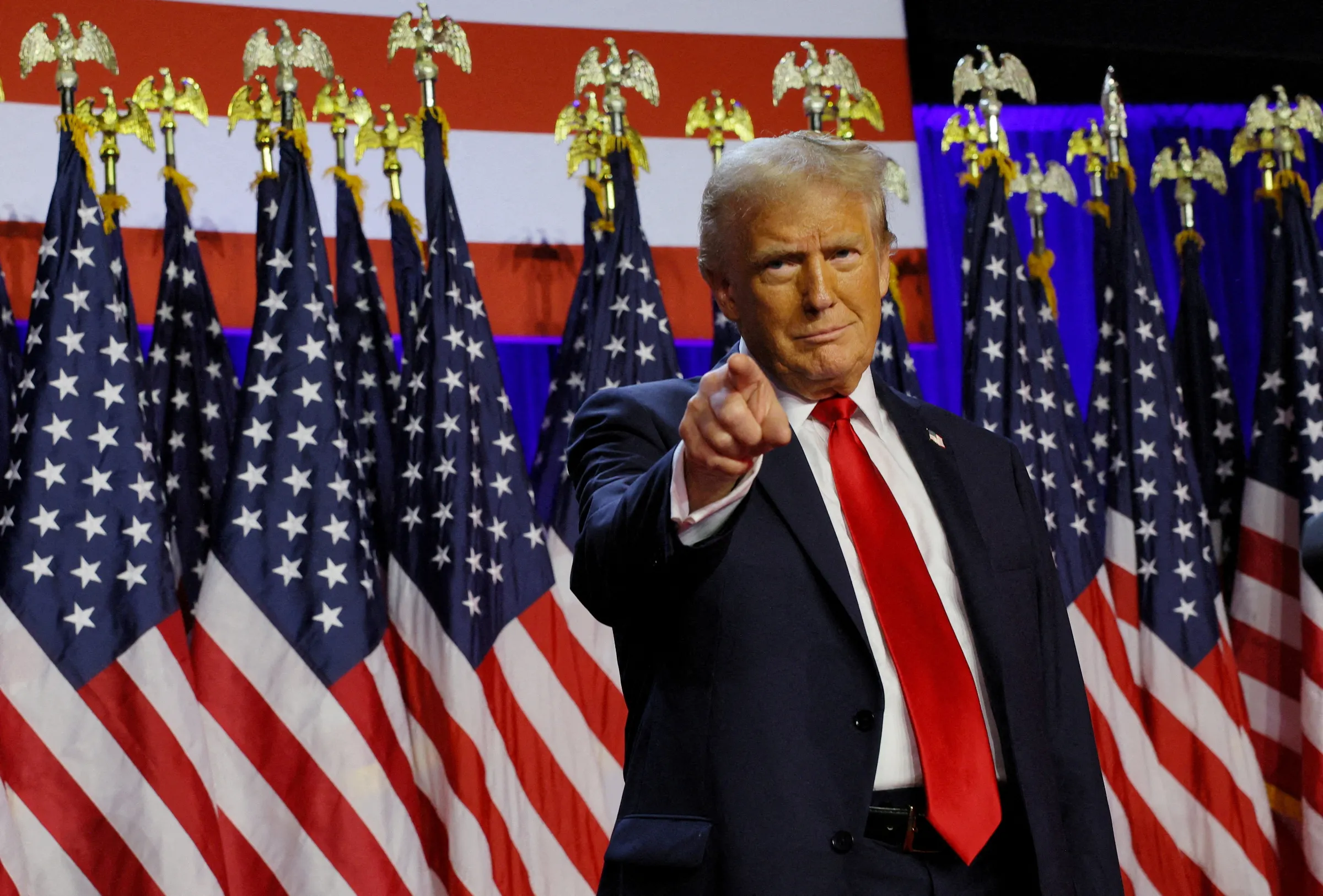
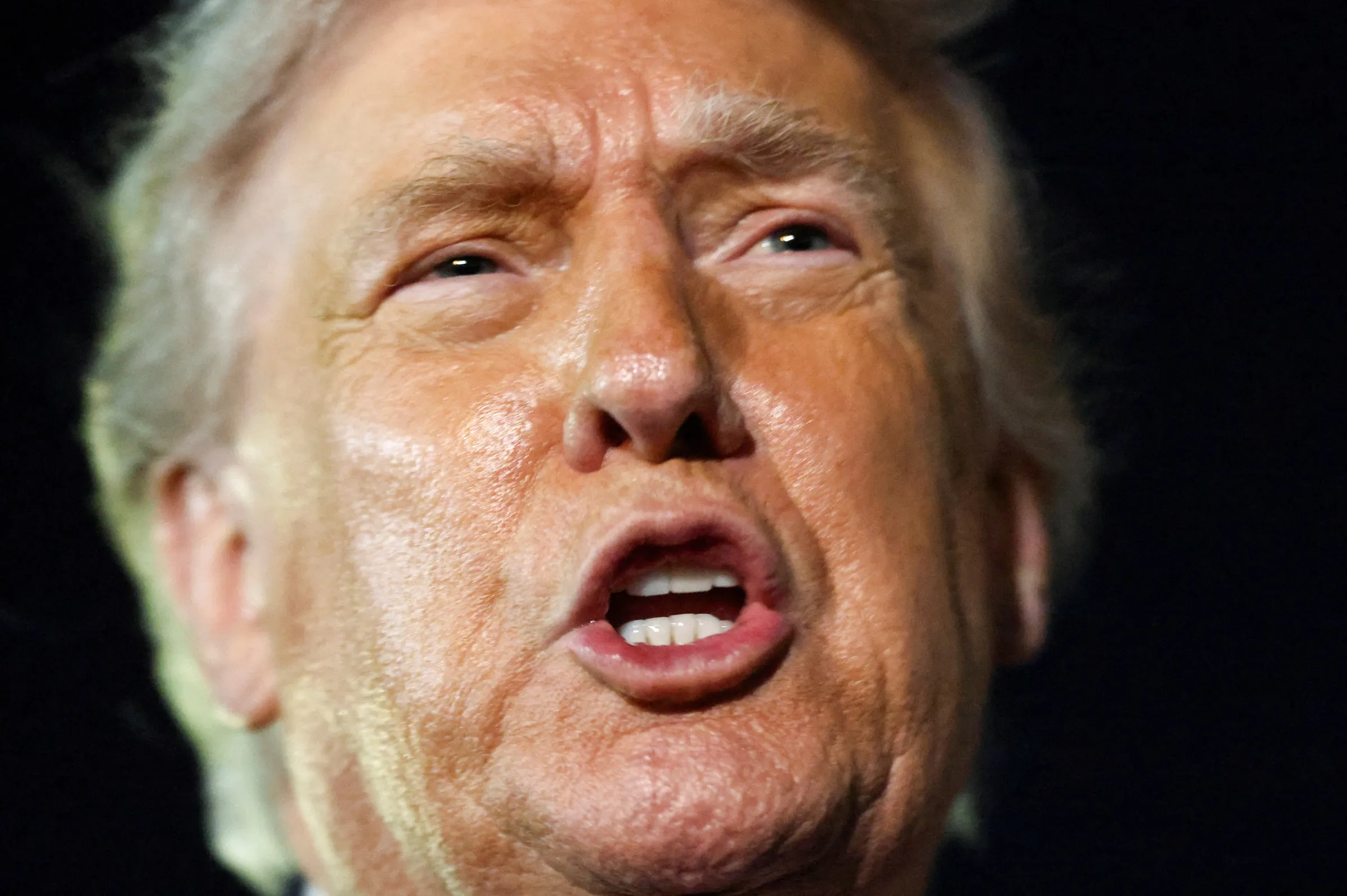
U.S. President Donald Trump speaks to members of the media ahead of boarding Air Force One to depart for Washington, at Palm Beach International Airport in West Palm Beach, Florida, U.S., January 19, 2026. REUTERS/Kevin Lamarque
What’s the context?
Donald Trump rolled back LGBTQ+ rights at home and abroad in an unprecedented first year in office.
President Donald Trump's first year in office has been characterised by sweeping changes to international aid, human rights policies, immigration and U.S. governance at home and abroad.
He signed a record number of executive orders in his first 100 days, many of which targeted transgender and non-binary rights, access to gender-affirming care and diversity, equity and inclusion (DEI) programmes in the United States.
But LGBTQ+ people have been affected across the world, with gaps in humanitarian funding, an onslaught of anti-LGBTQ+ legislation, fewer discrimination protections and cuts to refugee programmes.
Here's what you need to know.
What did Trump do in his first year of office?
On his first day as president, Trump declared that the government would only recognise two genders and that federal funds would not be used to "promote gender identity."
He then ordered the removal of online government guidance documents on trans issues, an end to DEI programmes and that trans female inmates be sent to men's prisons.
Trump also sought to undo multiple executive orders by his predecessor Joe Biden, including directives to advance LGBTQ+ equality and combat discrimination on the basis of sexual orientation or gender identity.
He reinstated a ban on trans people serving in the military, ended federal support for gender-affirming care for people under the age of 19 and vowed to defund schools teaching "gender ideology and discriminatory equity ideology."
Another executive order barred trans women from competing in women's categories of sport.
He also dismantled the U.S. Agency for Development, hitting HIV services and rights groups around the globe. The administration's review of funding in March confirmed 83% of the aid programmes had been terminated.
The administration later cut funding for a suicide prevention helpline for LGBTQ+ youth when it slashed the Health and Human Services Department's budget.
The secretary of health in December moved to cut children's access to gender-affirming care by barring hospitals from delivering such care under government health insurance programmes.
Rainbow crosswalks were removed in Florida and Texas - including a memorial to the 49 people shot dead at the Pulse nightclub in Orlando in 2016 - to comply with the transportation secretary's instructions to make roadway markings "free from distractions."
What impact have the policies had in the U.S.?
A record number of anti-LGBTQ+ bills were introduced across the country in 2025, including more than 1,000 targeting trans rights, according to the research organisation Trans Legislation Tracker.
Nearly one in 10 trans adults and 5% of all LGBTQ+ adults surveyed between November 2024 and June 2025 said they had moved to a different state due to LGBTQ-related laws or politics, according to the think tank Movement Advancement Project.
In July, Kim Davis, a former Kentucky county clerk jailed in 2015 for refusing to issue marriage licenses to same-sex couples, petitioned the Supreme Court to overturn marriage equality across the United States. The Supreme Court rejected the bid in November.
A fresh lawsuit was submitted to federal courts by Texas judge Dianne Hensley, who has previously refused to wed same-sex couples, in December.
More than 200 former employees of the Justice Department who quit their roles under Trump said the administration was "largely abandoning its duty to protect civil rights" and warned that the rights of all Americans were at risk.
Corporations including Mastercard, Boeing, Deloitte, Target and Walmart scaled back their sponsorships and donations to LGBTQ+ groups in 2025, with Pride organisers stating that funds for their events were cut.
Have people been impacted internationally?
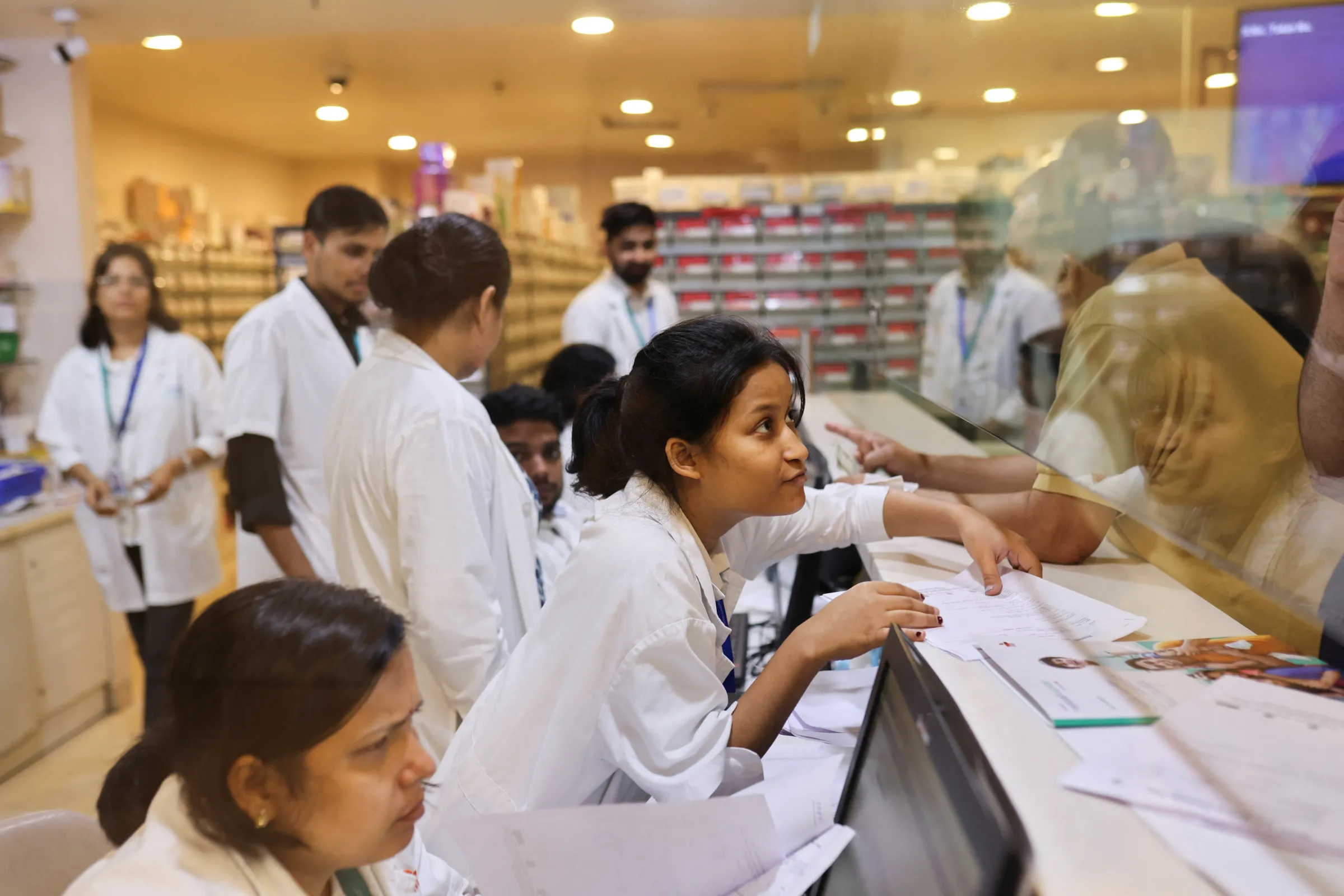
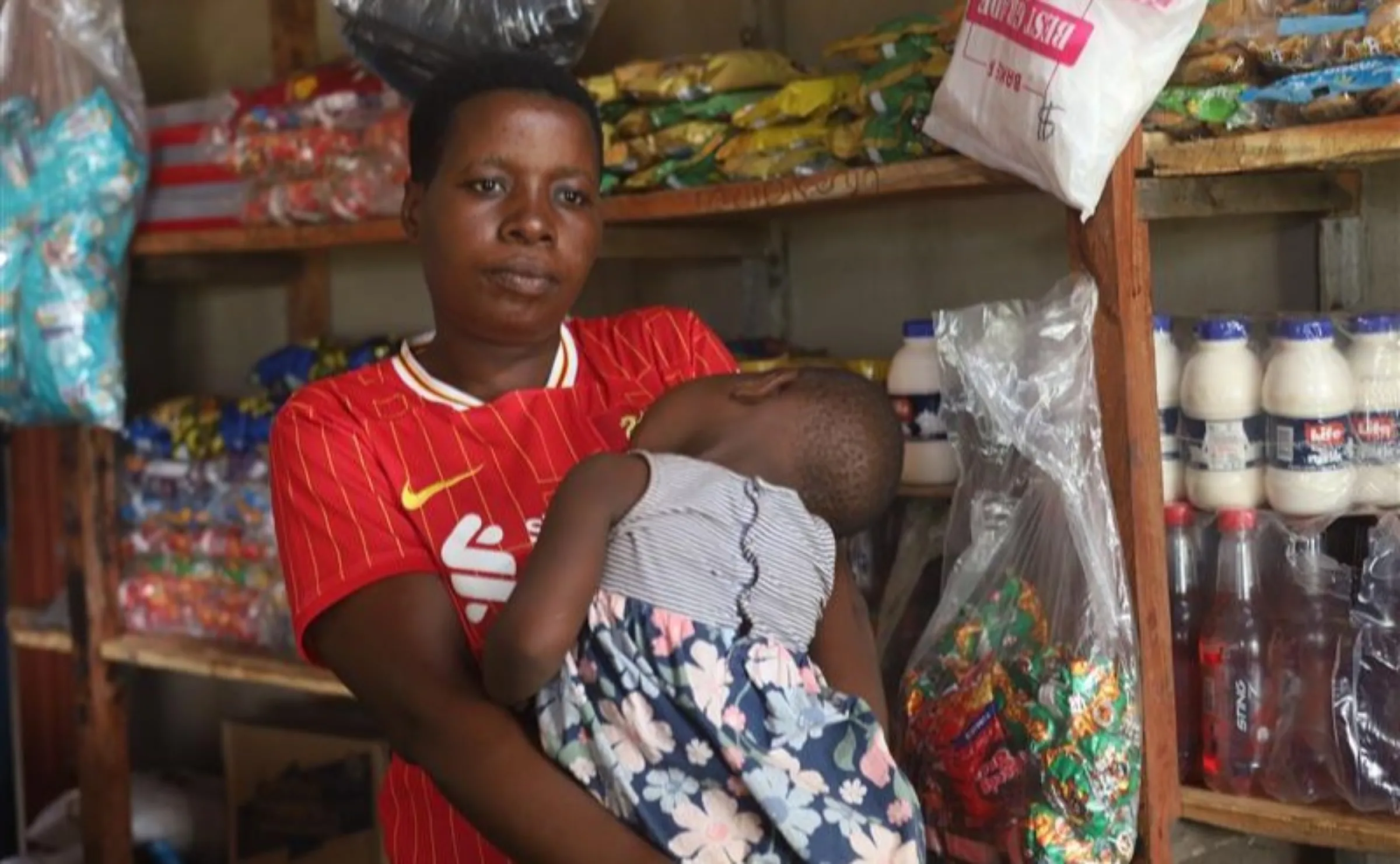
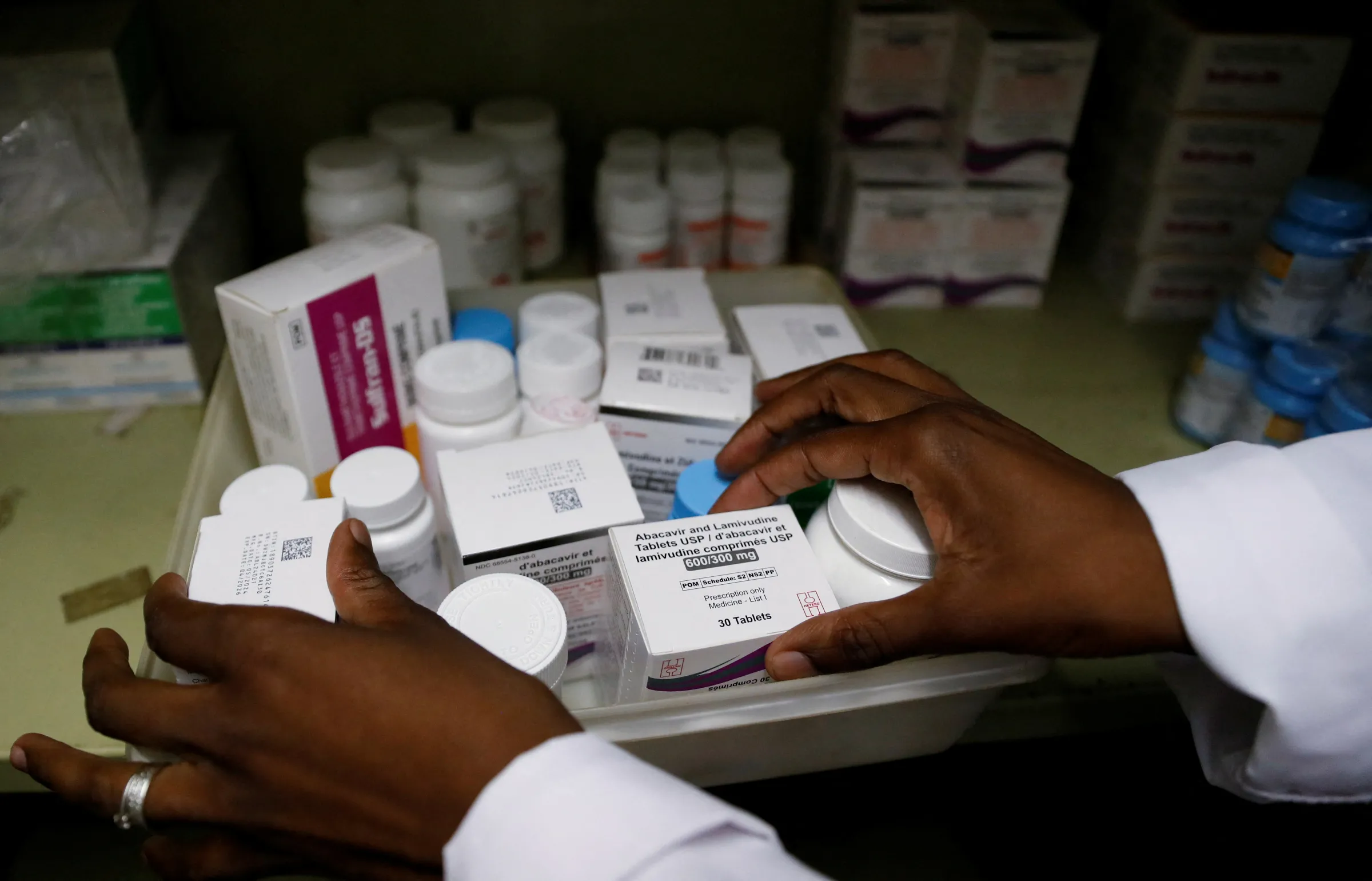
The Trump administration's cuts to global humanitarian programmes and foreign aid have led to 2.5 million people losing access to HIV medication and thrown rights organisations into a funding crisis.
The President's Emergency Plan for AIDS Relief (PEPFAR), a landmark U.S. initiative from 2003 to fight HIV around the world, stopped HIV prevention for most groups at a higher risk of an infection, including gay and bisexual men.
Activists in Africa shared how Trump's rhetoric had emboldened anti-LGBTQ+ actors. For example, support for the Ghana's harsh Family Values bill has grown.
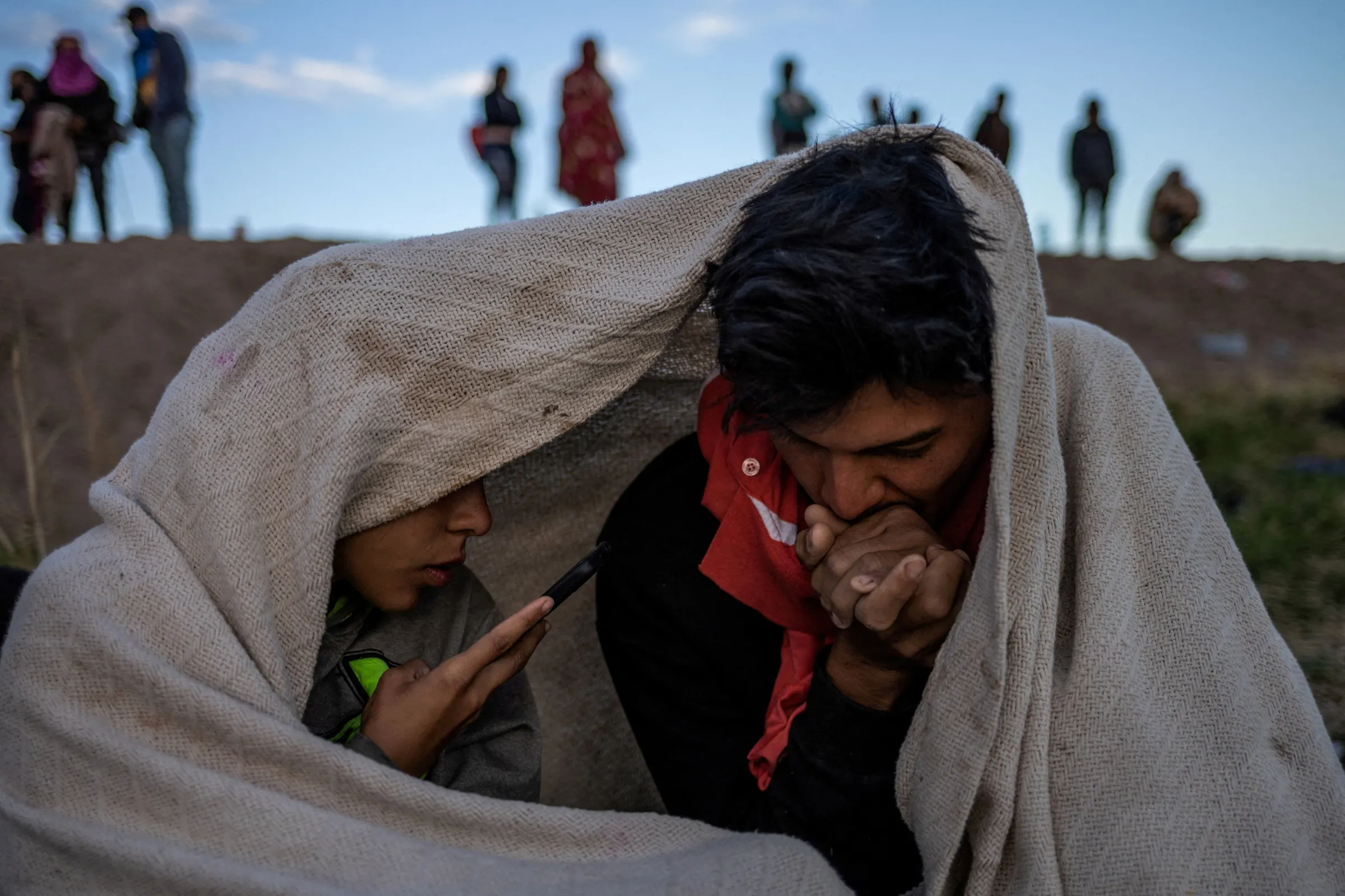
Trump reduced refugee admissions by 94%, leaving tens of thousands of LGBTQ+ people in limbo in places like Kenya and South Sudan.
The State Department's annual human rights report, published in August, had sections on LGBTQ+ rights reduced or removed, as well as on discrimination based on gender or race.
In November, a senior State Department official said U.S. officials would record DEI policies and gender-affirming care for minors in other countries as human rights infringements.
Pride organisers across Europe also lost corporate sponsorships in countries like Greece, Bulgaria, Denmark, Britain and Estonia due to the "Trump effect."
(Reporting by Lucy Middleton; Editing by Ayla Jean Yackley.)
Context is powered by the Thomson Reuters Foundation Newsroom.
Our Standards: Thomson Reuters Trust Principles
Tags
- LGBTQ+