Context is powered by the Thomson Reuters Foundation Newsroom.
Our Standards: Thomson Reuters Trust Principles


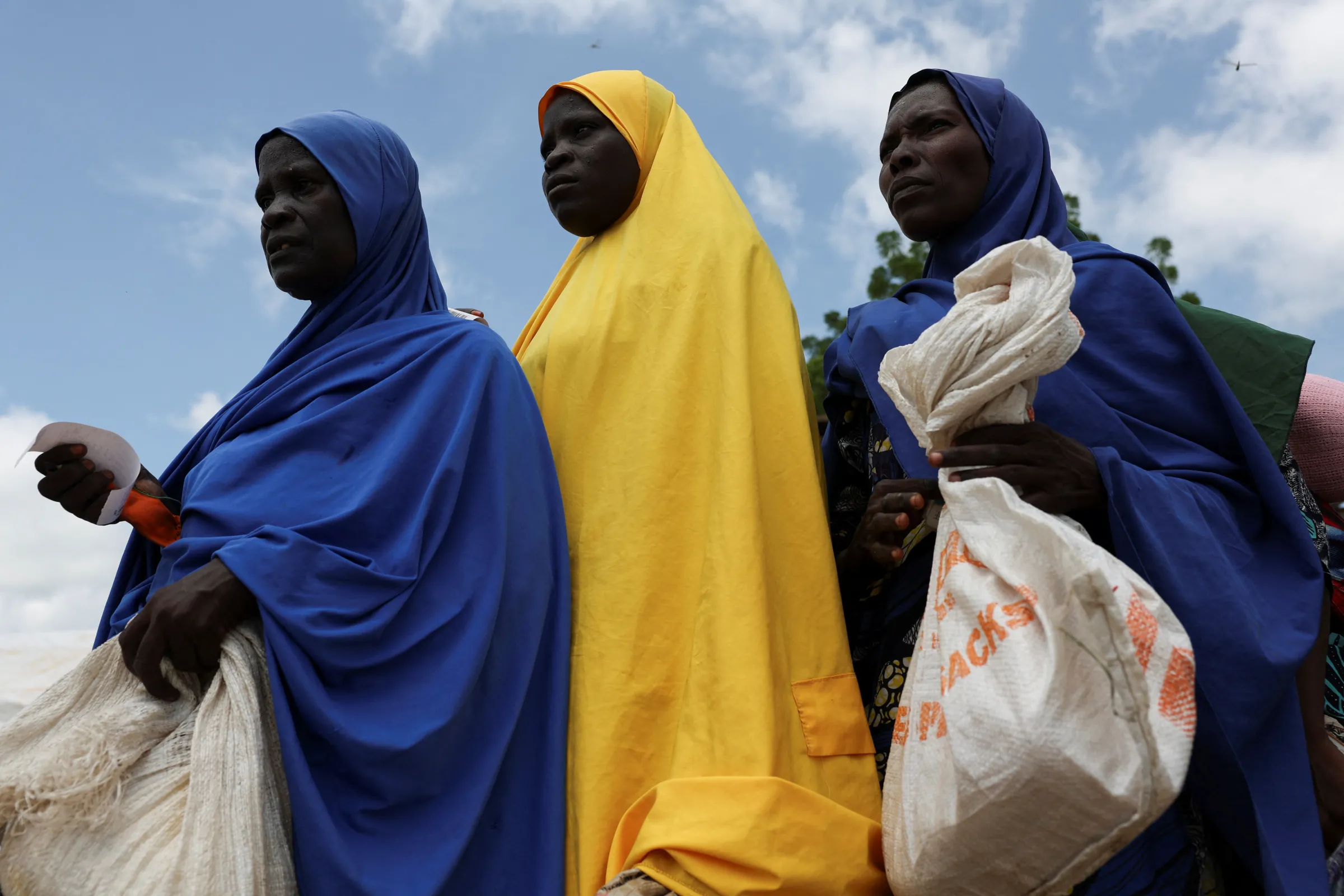
Beneficiaries from different Internally Displaced Persons camps hold food sacks while waiting in line to receive support following the exit of USAID, at a World Food Programme distribution centre in Dikwa, Borno State, Nigeria, August 27, 2025. REUTERS/Sodiq Adelakun.
U.S. foreign aid more than halved in 2025, leaving millions at risk of losing their lives to malaria, malnutrition and HIV.
NAIROBI - U.S. President Donald Trump slashed the country's foreign aid budget and shuttered the U.S. Agency for International Development (USAID) to pursue his "America first" agenda soon after taking office in January this year.
Before then, the United States was the world's biggest spender on international development, disbursing $68 billion across 215 countries in 2024 and funding hundreds of life-saving programmes, from malaria prevention in Kenya, to HIV treatment in the Philippines.
Estimates from the Center for Global Development found that U.S. foreign aid prevented the deaths of more than three million people worldwide every year.
This included saving almost 1.65 million lives annually just from HIV/AIDS and more than half a million lives every year from vaccine-preventable diseases.
USAID was officially closed on July 1 and the State Department took over management of the foreign aid budget, government data shows disbursements have more than halved to $32 billion in 2025.
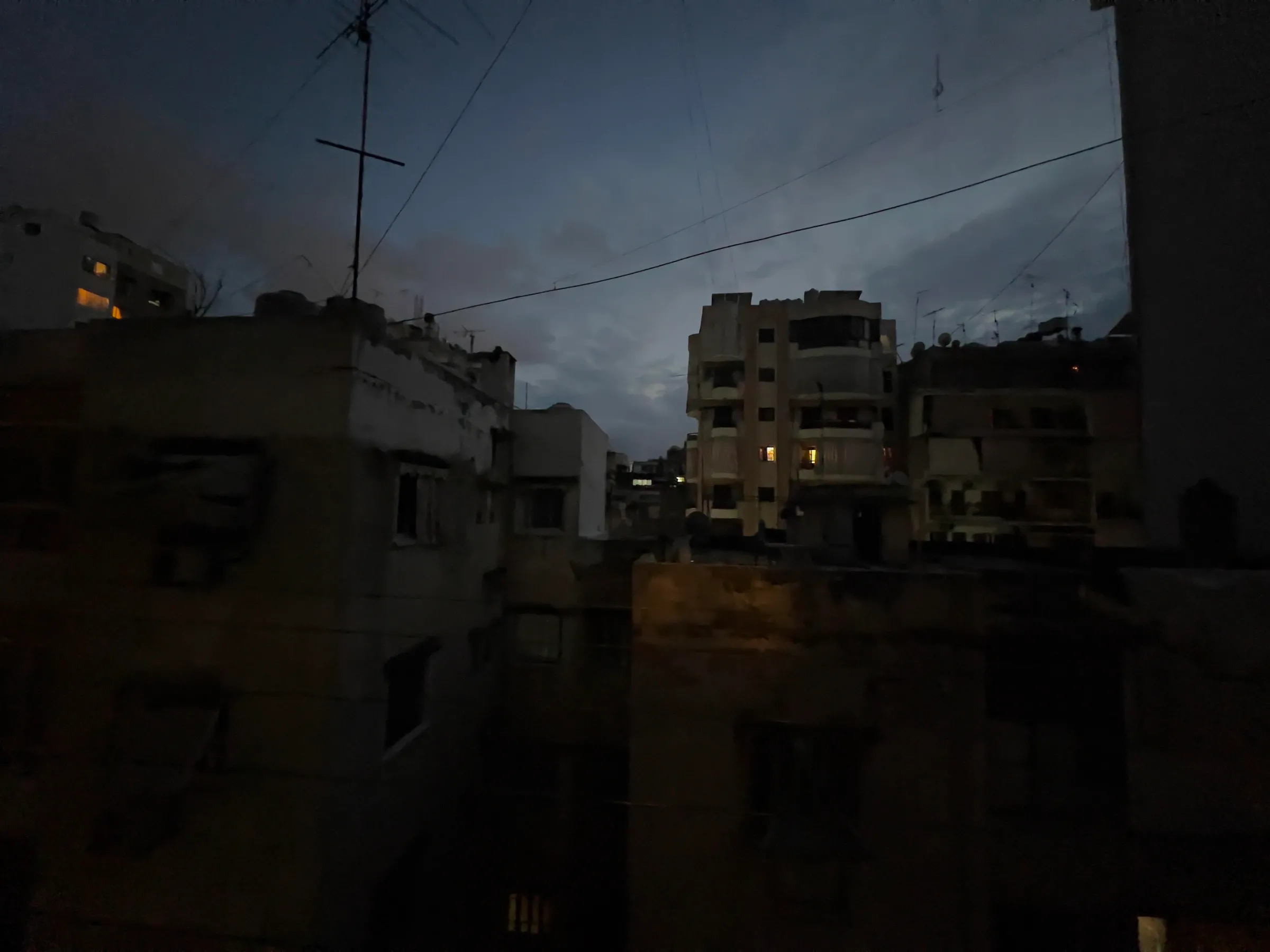
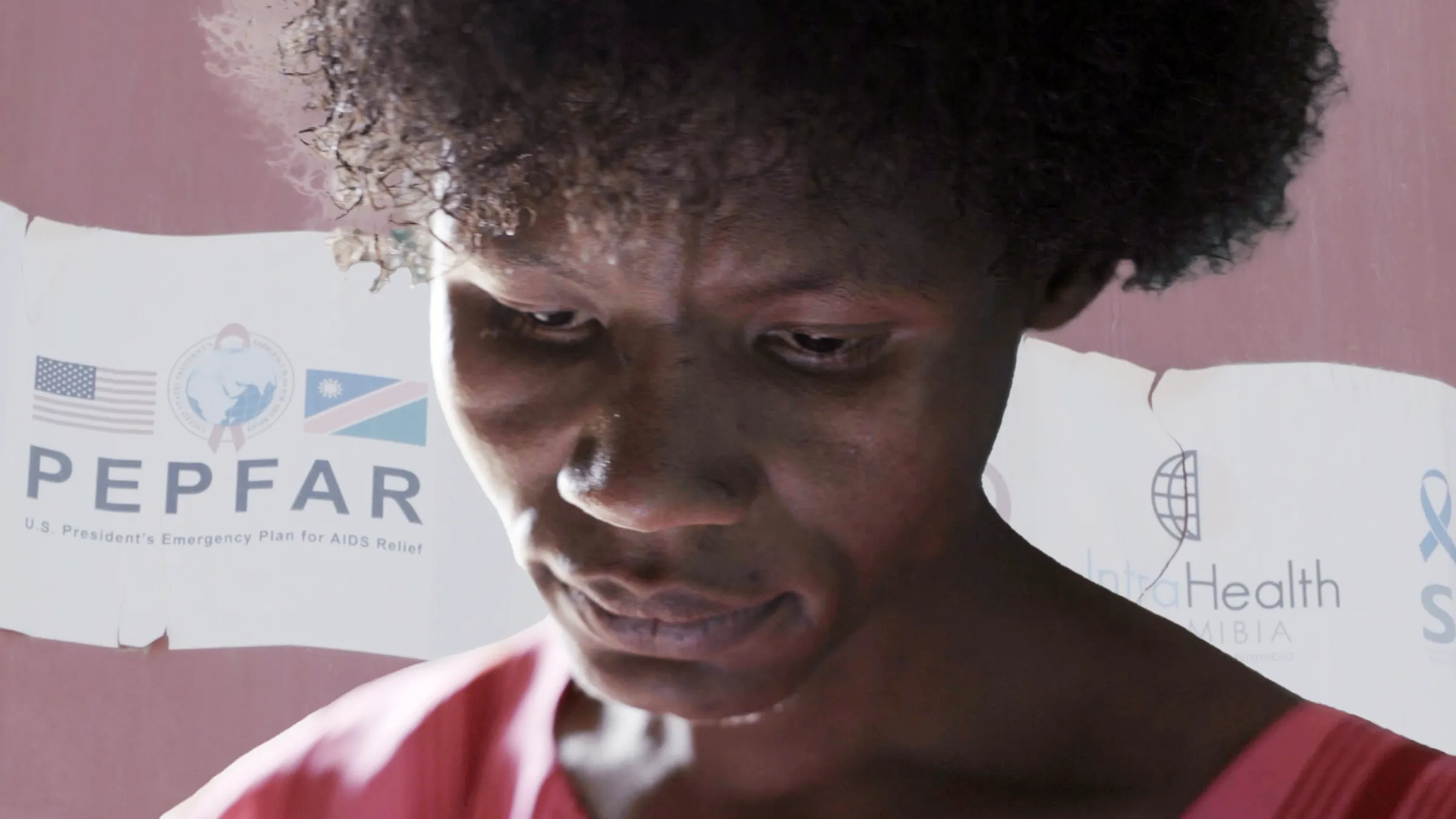
The effects of the cuts have been widespread. The supply of essentials such as food, milk, sanitary pads and nappies for refugees in countries including Kenya and Lebanon have been cut and HIV treatment programmes in South Africa, Nigeria, Ukraine and the Philippines have been terminated or curtailed.
The dismantling of USAID and the deep funding cuts could result in more than 14 million additional deaths by 2030, according to research published in The Lancet medical journal in July.
The study estimated that over the past two decades, USAID-funded programmes have prevented more than 91 million deaths globally, including 30 million deaths among children.
Projections by impactcounter.com, a platform that uses data and peer-reviewed models to estimate the consequences of funding cuts to USAID programmes, found that as of Dec. 5, within a year, there could be an additional 142,571 deaths among children worldwide due to pneumonia.
There could also be an additional 109,248 child deaths due to diarrhoea and 134,534 child deaths from malnutrition, impactcounter.com estimates found.
(Reporting by Nita Bhalla; Editing by Jon Hemming.)
Context is powered by the Thomson Reuters Foundation Newsroom.
Our Standards: Thomson Reuters Trust Principles