Context is powered by the Thomson Reuters Foundation Newsroom.
Our Standards: Thomson Reuters Trust Principles


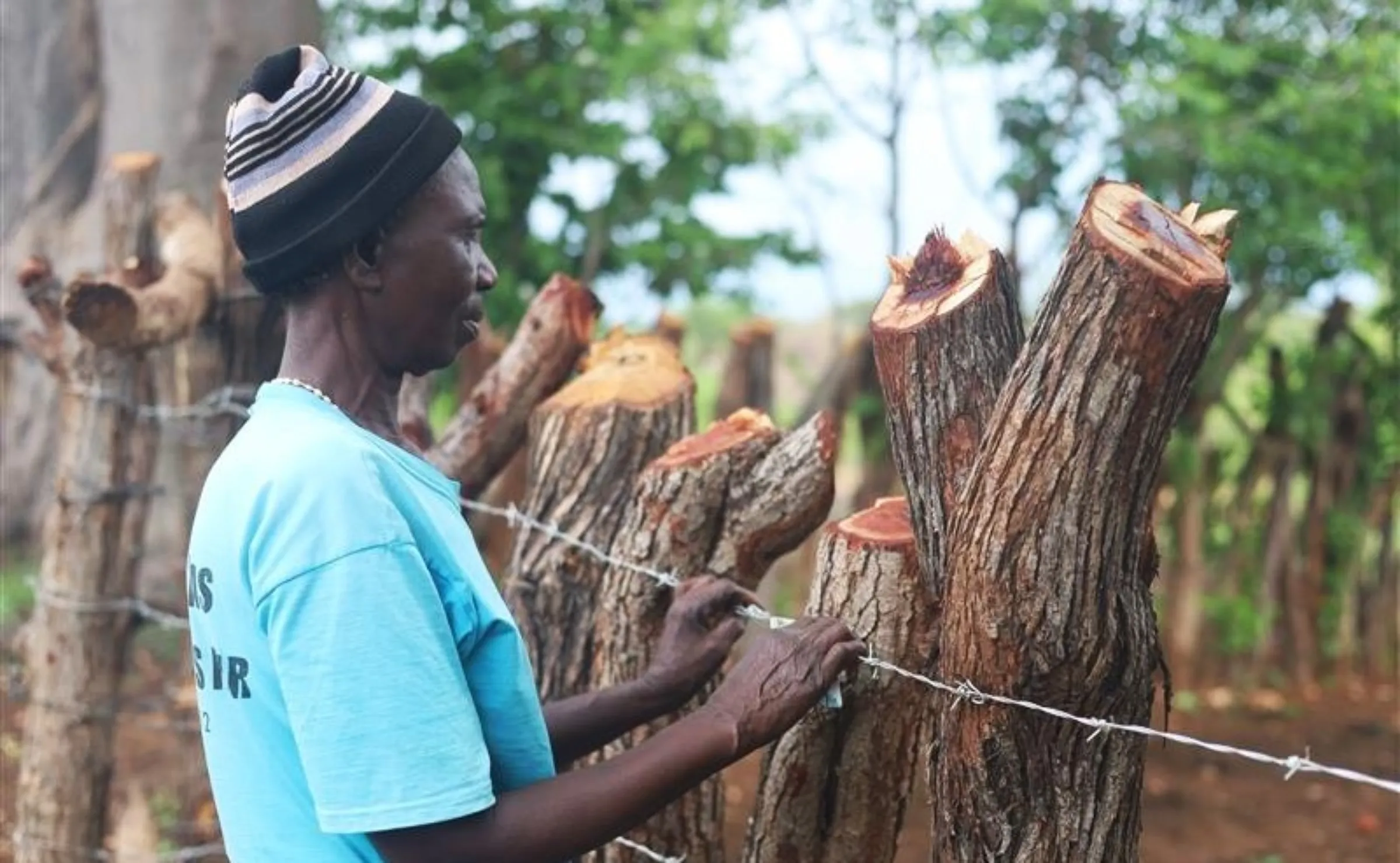
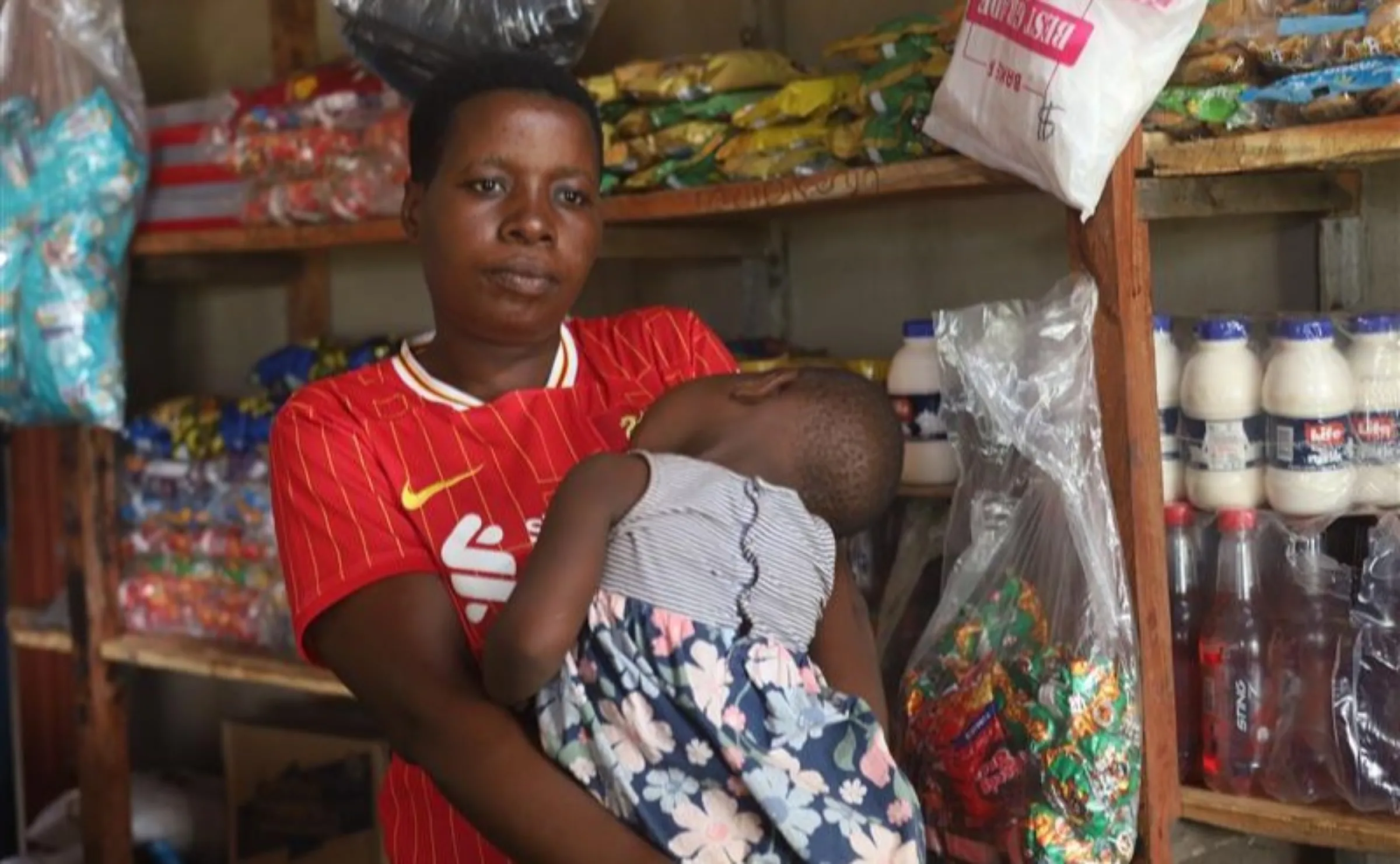
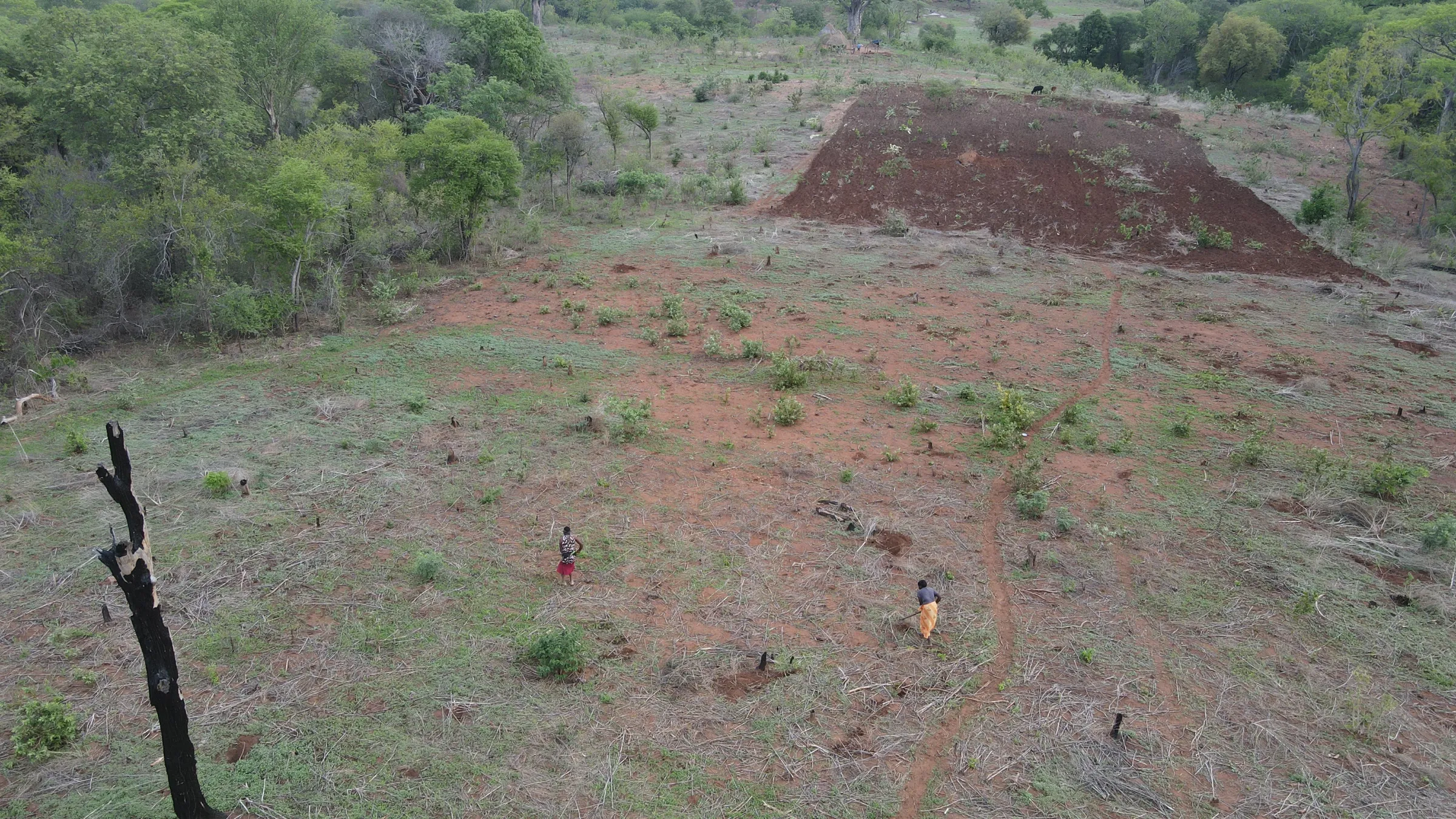
Jess Makamhanda looks at a kraal, or livestock enclosure, at her home in Rushinga, Zimbabwe, Dec 7, 2025. Thomson Reuters Foundation/Farai Shawn Matiashe
Charities forced to down tools as overseas donors cut funds for demining, exposing farmers and villagers to injury and death.
RUSHINGA, Zimbabwe - Agness Joe vividly remembers hearing a loud bang and then the screams of her husband and children.
Joe had stepped on a landmine as she walked from her farm in Mozambique back to her home in Zimbabwe in 2011. Both of her legs were gone below the knee. By some miracle, the baby on her back and her daughter walking nearby were unhurt.
"I have never seen such blood in my life," she told Context. "The last thing I remember before I collapsed is that my husband tore off his clothes and tied my legs to stop the bleeding."
Joe, who now wears prosthetics, lives in Rushinga along Zimbabwe's northeastern border with Mozambique, an area that is still blighted by mines planted decades ago.
Like many farmers in this district, Joe owns land across the frontier. This practice is illegal but there is no enforcement of the official boundary.
Read more: 'I lost my job': US aid cuts hit women clearing Zimbabwe's mines
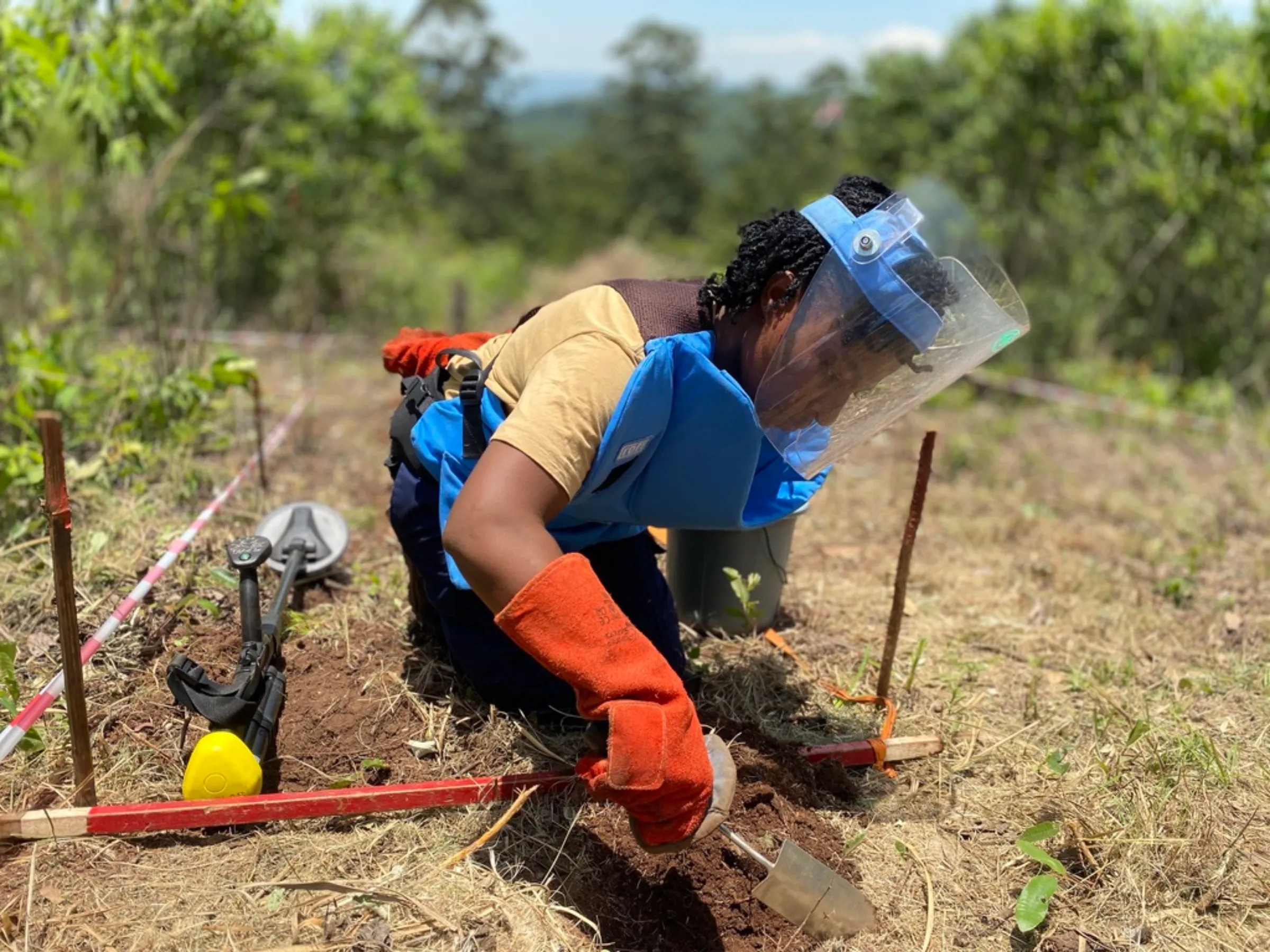
According to The HALO trust - a British mine-clearing charity - Zimbabwe's minefields were laid in the 1970s by the former Rhodesian regime during the country's Liberation War.
In places, three anti-personnel mines were laid every metre, it said. Many of these buried explosives are still taking limbs and lives decades later.
Zimbabwe was set to become the second contaminated country to be declared landmine-free last year - Mozambique led the way in 2015 - but funding cuts by the United States and other international donors has slowed progress.
The HALO Trust and APOPO, an international organisation, had helped with demining in southeastern Zimbabwe but their work has now slowed - or stopped.
APOPO shut down its operations in June, months after a grant from the U.S. State Department was terminated by President Donald Trump's administration.
"U.S. funding (accounted for) about 90% of our annual funding. As a result, APOPO had to terminate its activities in Zimbabwe," said Robert Burny, former country director at APOPO.
Uncleared areas in Sango, in southeastern Zimbabwe, were handed over to the National Mine Clearance Unit (NMCU), run by Zimbabwe's military and funded by the government, Burny said.
The HALO Trust reduced the number of employees from 470 in 30 manual demining teams to 230 in 12 teams in June last year.
Joe's husband, who works for HALO, kept his job.
The charity still receives funding from other donors, including the OAK Foundation, a philanthropic organisation, and Irish Aid, Ireland's development cooperation programme.
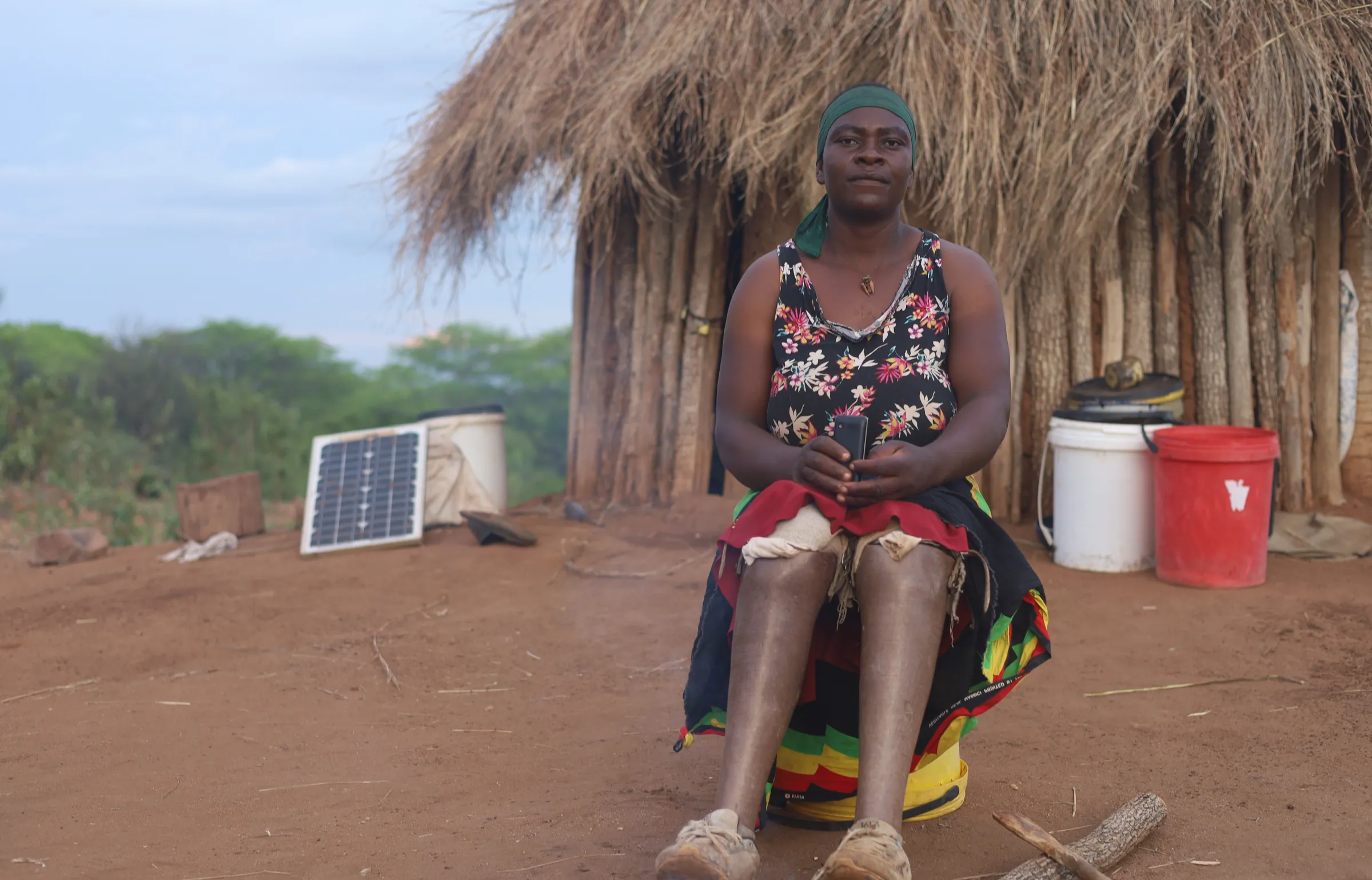
Agness Joe sits in front of her farmhouse on the Mozambican side of Zimbabwe's border, near Rushinga, Zimbabwe, Dec 7, 2025. Thomson Reuters Foundation/Farai Shawn Matiashe
"We have ongoing discussions with the many government donors who have helped us get Zimbabwe so close to mine-free status, but figures indicate a longer-term decline in overall international aid funding," said Oliver Gerard-Pearse, programme manager at The HALO Trust Zimbabwe.
Because of the cuts, the trust will halt its mine clearance in Maparepare and Mukosa in rural Rushinga and in Kasika - the same place where Joe stepped on a mine 15 years ago.
"I cannot believe that the same area is still not safe to walk in," Joe said.
About 1,660 people had been injured or killed by landmines in Zimbabwe by the end of 2024, with deaths mounting through the decades, according to the Landmine And Cluster Munition Monitor.
This includes dozens in Rushinga, according to local people.
Mines are mostly found in remote rural areas, denying poor farmers access to fertile land and water, and cutting them off from nearby relatives.
Desperate people will risk farming or grazing animals in mined areas, according to Zimbabwean demining experts.
As of December 2024, some 12 square km of land was still contaminated, according to the Landmine Monitor 2025 report.
Zimbabwe, which is a party to the Anti-Personnel Mine Ban Convention, had committed to clear all mines by 2025 but last March it requested a five-year extension, citing reduced funding and a decline in demining capacities from 2026.
APOPO's Burny said even that new target could be missed without renewed funding.
Globally, five donors - the United States, Germany, the European Union, Norway and Switzerland - accounted for 62% of all international funding for demining in 2024, providing $469 million, according to the Landmine Monitor report.
Zimbabwe received $13.2 million in international funding for demining in 2024, and the government contributes another $500,000 annually.
Zimbabwe has partnered with four international NGOs to clear mines - APOPO, HALO, the Mines Advisory Group (MAG) and Norwegian People's Aid (NPA), which has also faced funding cuts.
Gerard-Pearse said partnerships with private donors, foundations and corporations were increasingly important.
"They allow us to continue saving lives even when traditional international funding sources decline or falter."
In Rushinga, decades-old mines still exact a deadly toll.
Jess Makamhanda from Kasoro village has been losing her family's cows to landmines since 2001.
"Cows step on landmines along the border when they search for pastures and water sources," said the 65-year-old.
"This year alone, we have lost two cows. I used to have 30 cows. But now I am left with only 10," said the mother of four.
Losing a cow is significant, with cows often sold to cover unexpected emergencies, such as medical bills.
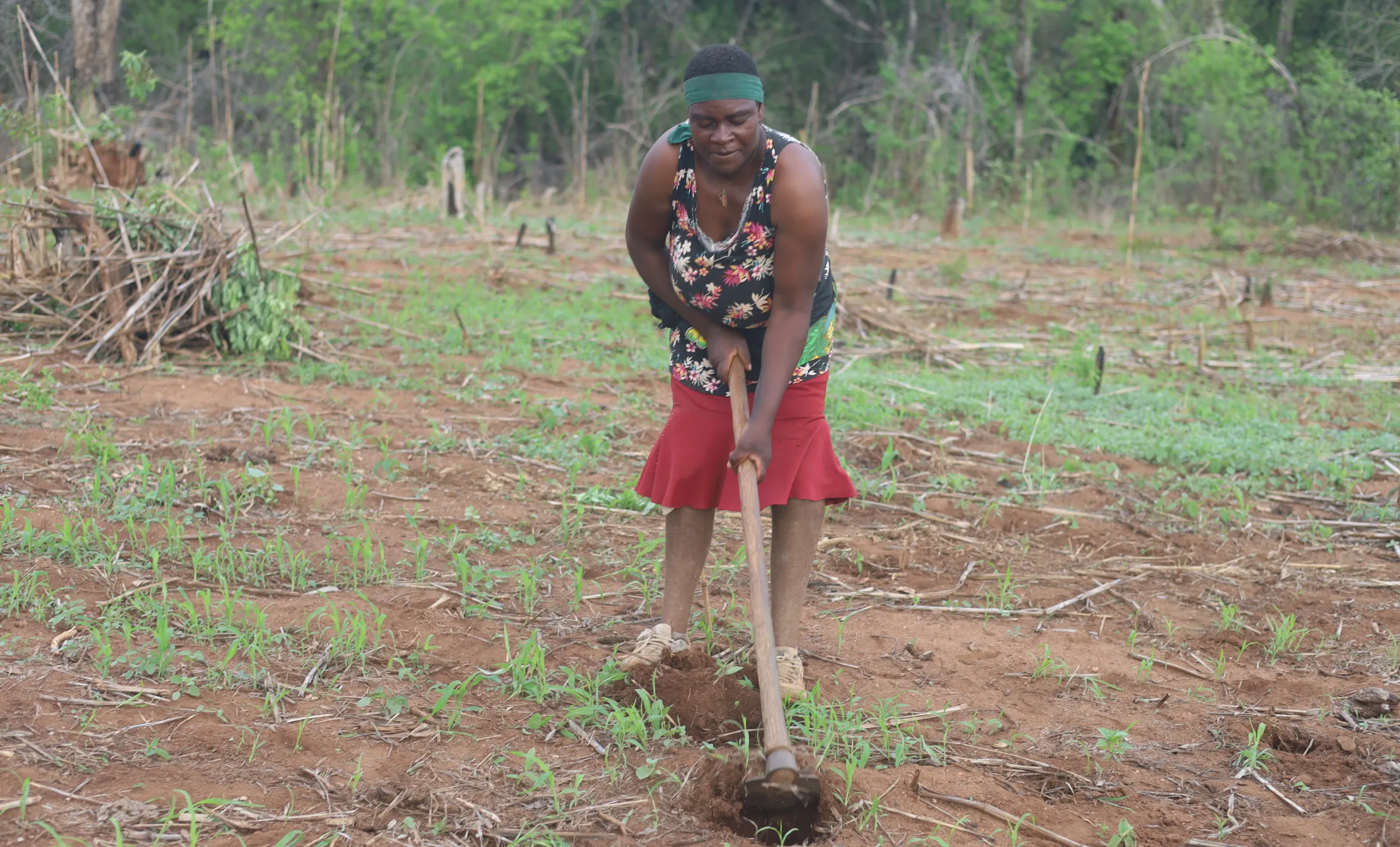
Joe continues to cross the border to her farm in Mozambique, where she grows maize and groundnuts, travelling a route that has been cleared. But she worries that nearby Kasika, where she lost her legs, is still not safe.
"I fear for my children when they go out to fetch firewood. I do not want what happened to me to happen to anyone else."
(Reporting by Farai Shawn Matiashe, Additional reporting by Emma Batha; Editing by Lyndsay Griffiths and Clar Ni Chonghaile.)
Context is powered by the Thomson Reuters Foundation Newsroom.
Our Standards: Thomson Reuters Trust Principles