Context is powered by the Thomson Reuters Foundation Newsroom.
Our Standards: Thomson Reuters Trust Principles


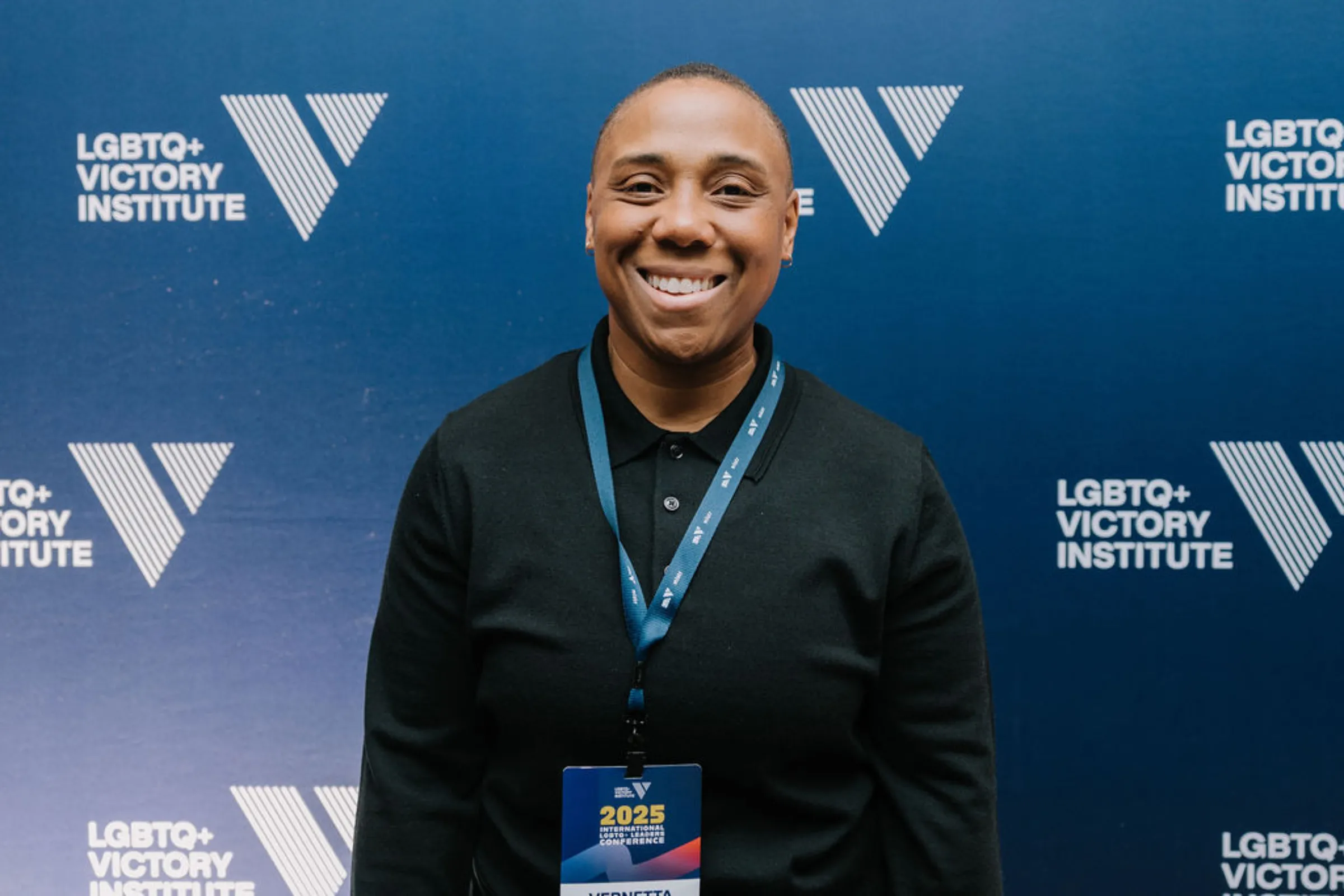
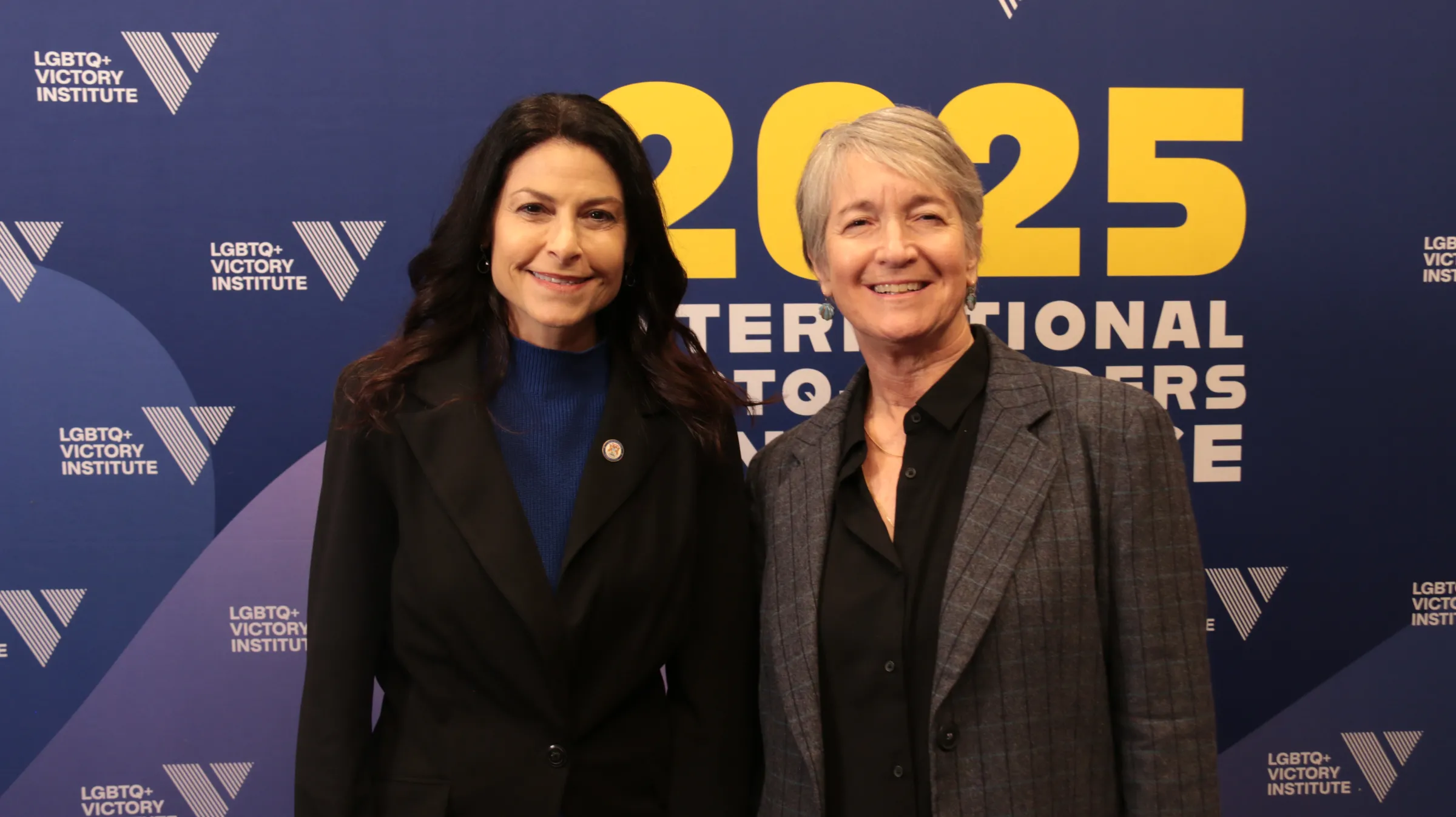
North Carolina state representative Vernetta Alston poses for a photo at the 2025 International LGBTQ+ Leaders Conference, on December 5, 2025 LGBTQ+ Victory Institute/Handout via Thomson Reuters Foundation
LGBTQ+ rights are under fire from US President Donald Trump, but elected officials are fighting back.
WASHINGTON - State representative Vernetta Alston has had to watch fellow legislators in North Carolina pass two laws this year that adversely impact the LGBTQ+ community.
One law allows parents or caregivers to refuse a child's gender identity, and the other allows them to pull children from classes that discuss LGBTQ+ topics.
North Carolina's new rules also define only two sexes, block gender-affirming care in prison and ban trans students from using facilities that align with their identity.
"Instead of funding our government or focusing on hurricane relief, they are focusing on really divisive and dangerous issues," Alston, a Democrat who is a lesbian, told Context during the International LGBTQ+ Leaders Conference in Washington this month.
"Unfortunately, folks in my party - we don't quite have the leverage this year to stop all the bad things from happening."
Alston is one of a record-breaking 1,353 LGBTQ+ officials in office this year in the United States.
Like many, she has spent 2025 battling to protect the community's rights under Donald Trump's administration.
The president kicked off his second term in January by squarely targeting the LGBTQ+ community, launching policies and executive orders to limit access to gender-affirming care, end non-binary recognition, abolish diversity, equality and inclusion (DEI) programmes and defund inclusive health initiatives.
More than 1,000 bills aimed at trans people were also introduced across the country this year, according to data analysis site Trans Legislation Tracker.
Managing federal policies while defending the community from state-level changes has been a dual challenge for LGBTQ+ lawmakers.
"I take things at the legislature one day at a time," said Alston, whose general assembly has a Republican majority.
"(You) do as much harm reduction as you can, try to educate voters as much as you can, and then you try to recharge to make sure you can do it again the next day."
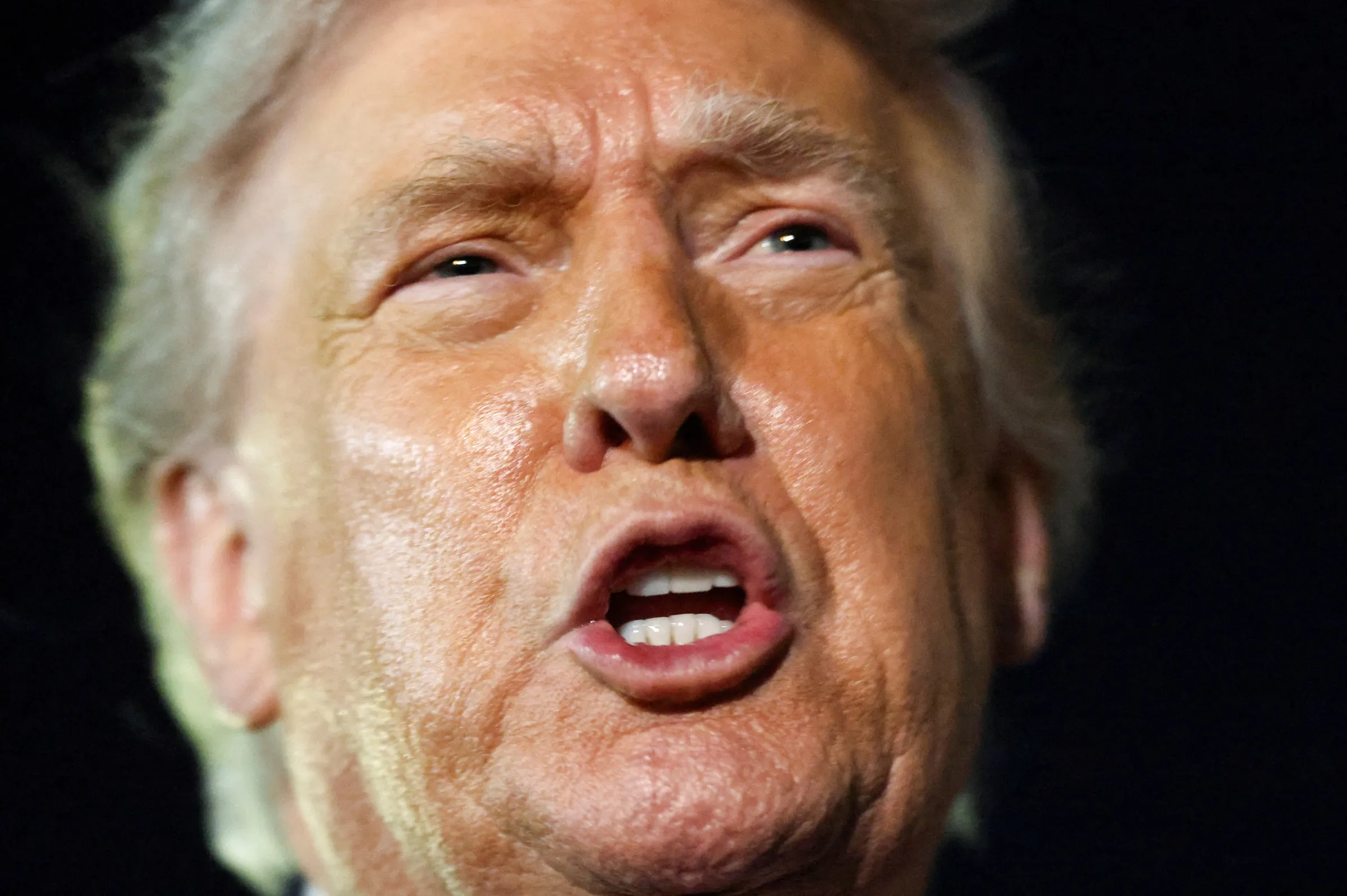
Trump pledged to stop "transgender lunacy" shortly after his election and has consistently framed trans rights as a threat to others, particularly women and children, in his executive orders.
Nearly a year into Trump's administration, the impact of the directives has been felt unevenly across the country, depending on state laws and political affiliation.
States' Democratic attorneys general have been meeting online every other day to coordinate on lawsuits against the administration, Michigan's top lawyer Dana Nessel said.
In August, a coalition of states, including California, Maine, Michigan and Wisconsin, filed a lawsuit challenging Trump's order to ban gender-affirming care for minors, stating that it interferes with state authority.
"A big problem is that sometimes I'm fighting as hard against the Republicans in the state legislature as I am against Trump at the federal level," said Nessel, who is the first openly LGBTQ+ person elected to statewide office in Michigan.
"It's hard sometimes to do both simultaneously."
Lawmakers in Maine managed to block proposals to stop trans students using bathrooms, changing rooms and single-sex shelters which aligned with their identity.
The state also passed a law protecting minors from being doxed after a Republican representative shared a trans child's name and school online.
"We've stood strong, and it's not always easy. As we're seeing across the country, children are being targeted by hateful people," said Ryan Fecteau, who is the speaker of Maine's House of Representatives.
"We should make sure that no one gets away with bullying kids."
Republican-led states have passed the majority of anti-LGBTQ+ laws this year, with Idaho, Arkansas, Montana and Wyoming taking the lead as of November.
But in Florida, often considered ground zero for such legislation after passing its 2022 "Don't Say Gay" bill limiting discussion of LGBTQ+ topics in schools, all attempts at anti-LGBTQ+ legislation in 2025 were defeated.
Still, Republican Governor Ron DeSantis ordered the removal of multiple rainbow crosswalks - including a memorial to the 49 people shot dead at the Pulse nightclub in Orlando in 2016 - to comply with instructions from Trump's transportation secretary to make roadway markings "free from distractions."
Carlos Guillermo Smith, one of two known LGBTQ+ state senators in Florida, said the removal of the crosswalks had prompted people to come together and find other ways to place rainbows in public through private businesses instead.
"We saw a community really rise up to say that they would not be erased, and they have found other locations where they could build back gayer, if you will," Smith said.
Multiple state representatives told Context they were concerned LGBTQ+ people were not only leaving their states, but the United States altogether.
"It's probably the most devastating thing I've encountered. Folks have been asking, 'Should I leave? Am I safe here? Are my kids safe here?'" said Alston said, who is based in the city of Durham.
"That's a hard question, because I don't have a great answer. North Carolina is an amazing state, but if you talk with an individual who is worried about how their child will be treated in school ... there are reasons why they could understandably consider relocating."
Many Democratic officials in Republican-led states are hoping next year's elections will benefit the LGBTQ+ community.
In November 2026, all the seats in the House of Representatives and a third of those in the Senate will be contested, as well as many state positions.
"Right now we have to do everything we can to mobilize our communities to take action, not just to vote but by getting to know their neighbors so they can do that work," said Venton Jones, a Texas state representative.
"We need to be organizing and doing the important work that we're going to be needing to participate in our elections and ultimately save our democracy."
(Reporting by Lucy Middleton; editing by Anastasia Moloney and Ayla Jean Yackley.)
Context is powered by the Thomson Reuters Foundation Newsroom.
Our Standards: Thomson Reuters Trust Principles