Any views expressed in this opinion piece are those of the author and not of Context or the Thomson Reuters Foundation.


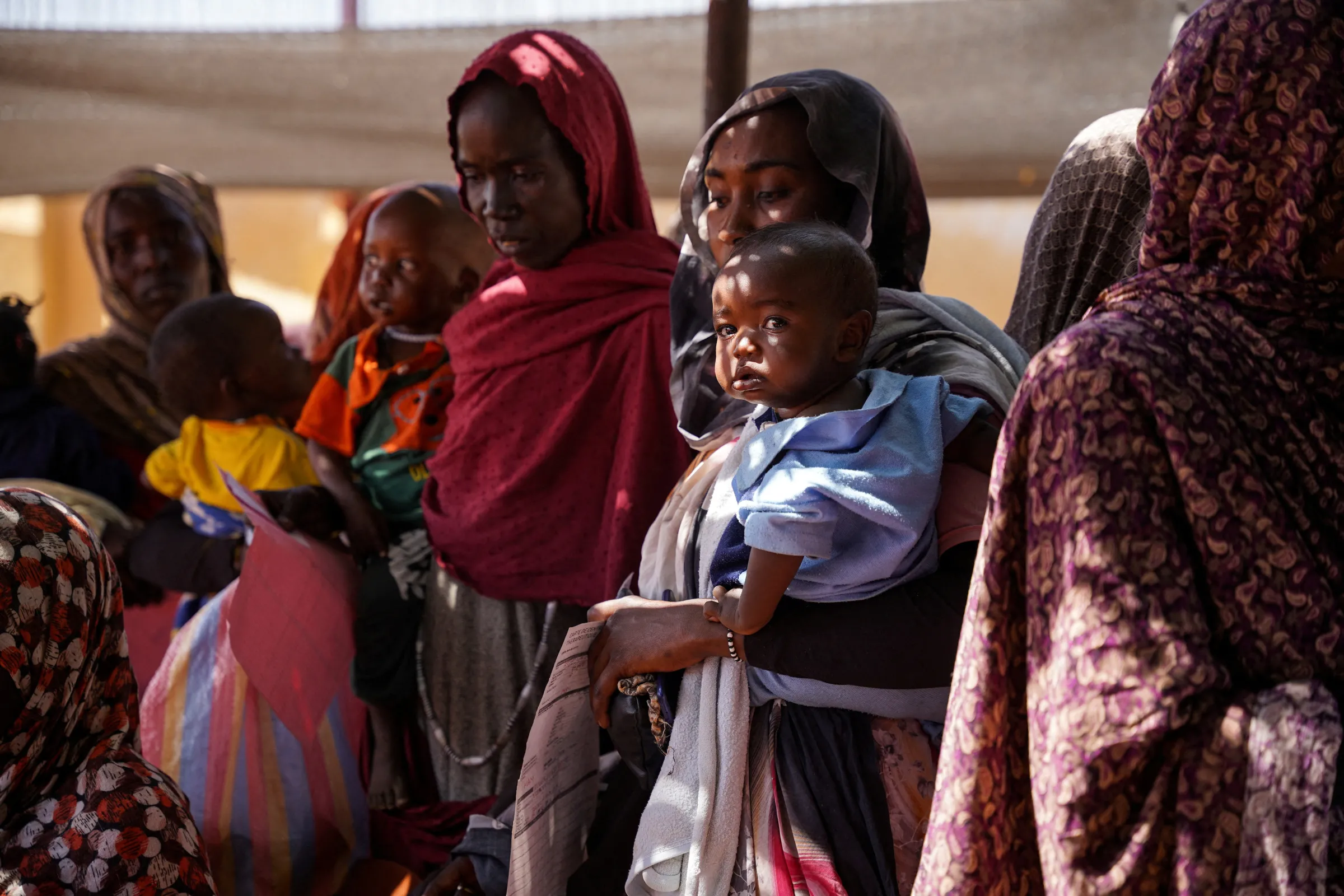
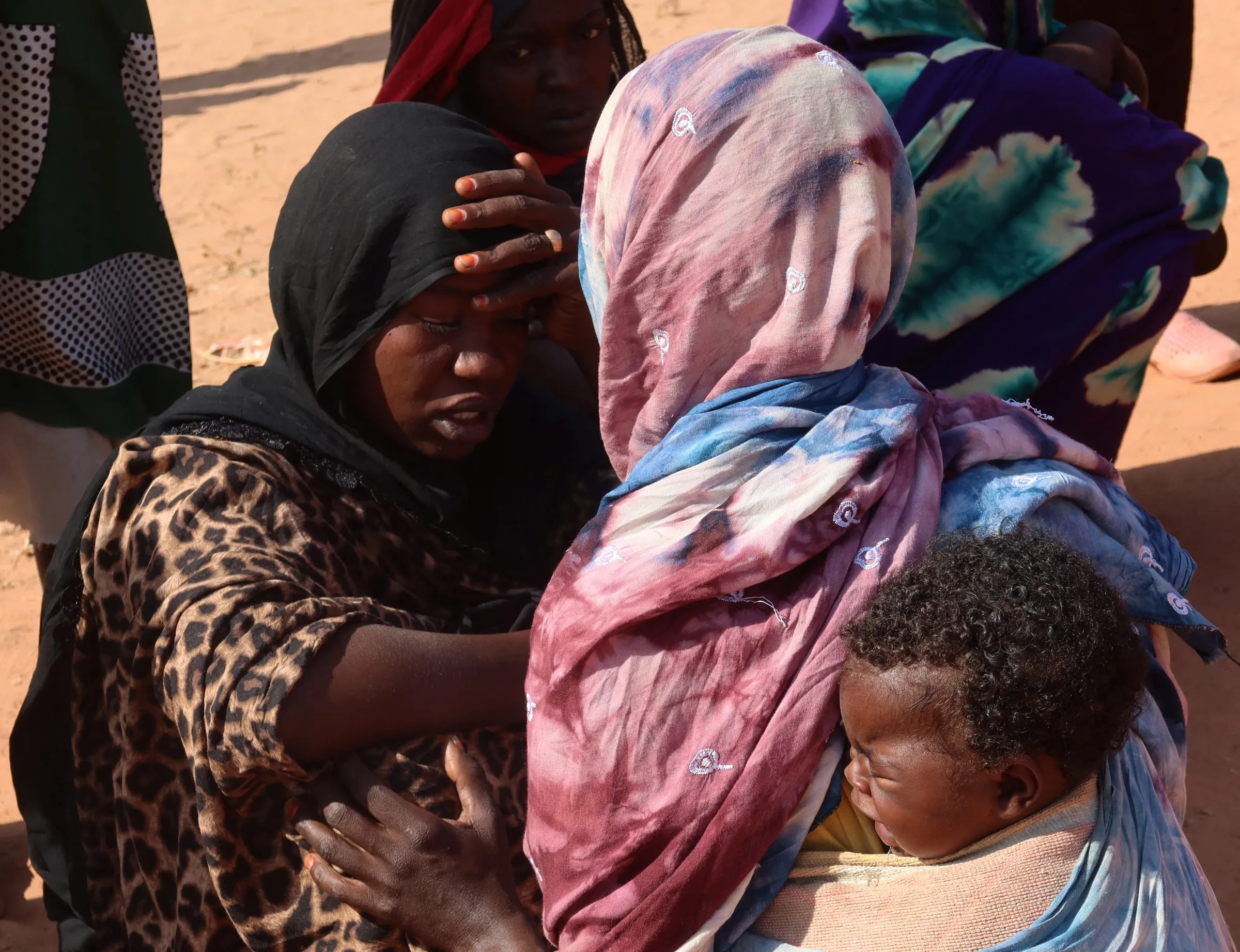
Women and babies at the Zamzam displacement camp, close to al-Fashir in North Darfur, Sudan. January 2024. MSF/Mohamed Zakaria/Handout via REUTERS
As I walked among Sudan's displaced people, I was struck by how invisible this crisis has become. But we must pay attention.
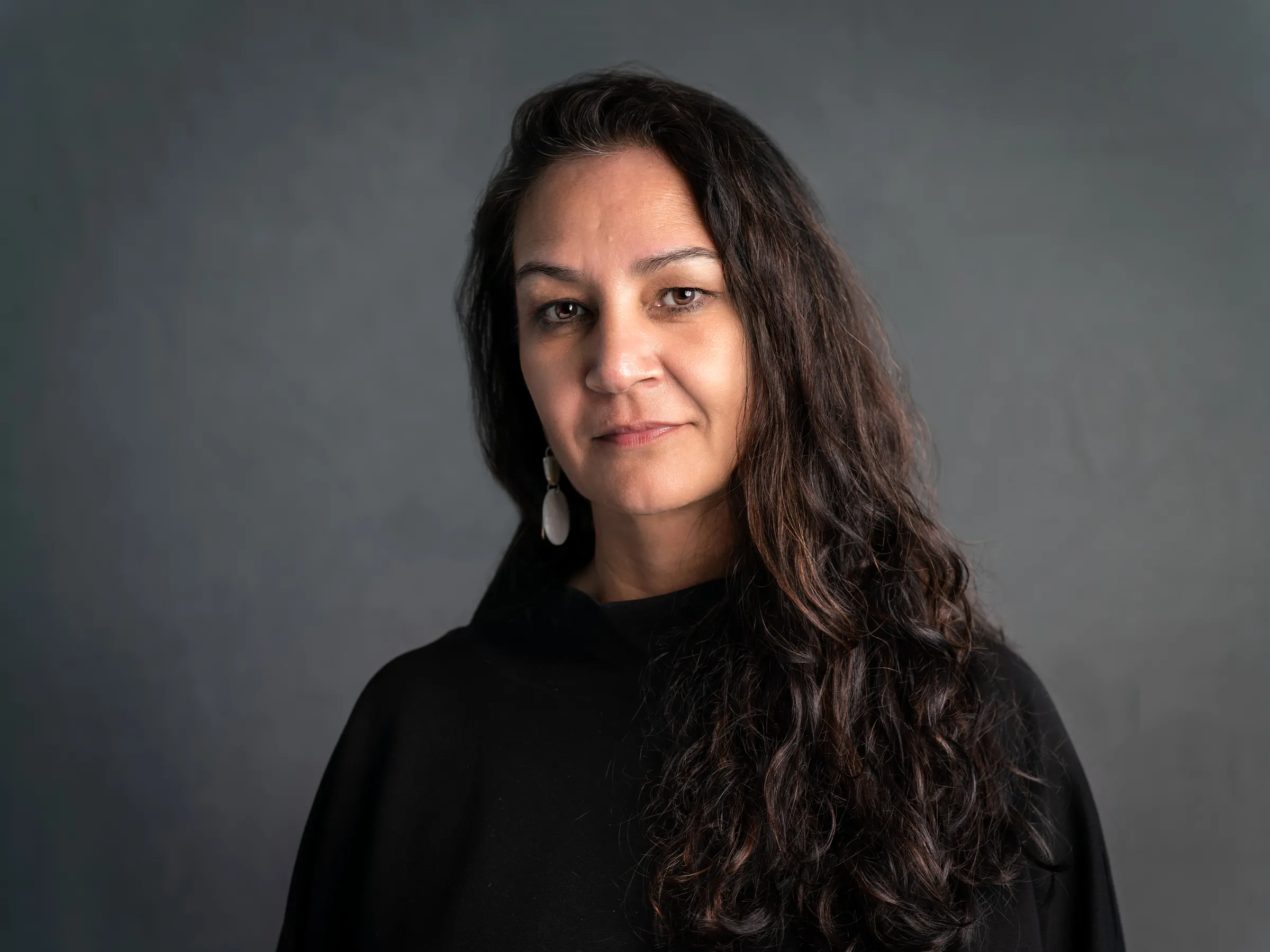
Reena Ghelani is CEO at Plan International, which works with children and girls in more than 80 countries.
I have just returned from Sudan, a country ravaged by conflict where entire communities are fighting to survive amid unimaginable devastation. Yet the strength of Sudan’s women and girls is incredible despite the war’s unbearable toll over more than two years.
Sexual violence has been used very deliberately as a weapon of war. This under-reported reality is visible across the country, from Kassala to Darfur, where El Fasher - one of the largest cities - has recently changed hands after weeks of heavy fighting.
Reports from El Fasher tell of unimaginable brutality. Civilians are being targeted systematically and deliberately. The city’s capture marks a new phase in Sudan’s conflict – and the destruction of a population.
During my visit, I saw exactly what this looks like. I met Zahra*, a mother of four, in a school serving as a crowded temporary shelter in eastern Sudan. She sat on a wooden bench beside her teenage daughter, Roua*, who stared at the floor as we spoke. When I asked how they were coping, Zahra said, “We left everything behind - our home, our neighbours, our lives. What matters now is keeping my children safe”.
Roua had narrowly escaped an assault. She now spends her days in a small space where children can learn, play, and begin to recover from trauma - a rare pocket of calm amid the chaos. Yet for thousands of others, there is no refuge.
I heard terrible stories of women and girls violated in front of their families, of unimaginable cruelty used to punish and humiliate. Children forced to be afraid of daylight and walk for miles at night to escape drone attacks. People with disabilities shot on sight.
A recent United Nations report found that more than 90% of victims of conflict-related sexual violence were women and girls, with some as young as one year old. Survivors spoke of rape, forced marriage, abduction, and slavery. Most will never see justice.
This violence is not unique to Sudan. It is a weapon of war used around the world to control, punish, and destroy from within. Women and girls continue to bear the brunt of conflict and displacement. Wherever systems collapse and lawlessness grows, girls’ bodies become battlefields, and their futures the collateral damage.
Sudan now faces one of the world’s largest humanitarian crises - more than 30 million people need food, water, medicine, and shelter, while 15 million are displaced, and famine and cholera loom in several regions.
Beyond the violence, people are dying because they have no access to food, water, or safe passage. In Kassala, families told me they have gone weeks without proper food. In Darfur, a deadly landslide buried hundreds who had already fled fighting. There are reports of torture of civilians in El Fasher.
Behind these overwhelming figures are the lives of girls whose childhoods are being stolen. Around 13 million children are out of school.
Many have lost parents. Some are forced into marriage or transactional sex to survive. Others risk being recruited by armed groups.
Humanitarian workers - many of them Sudanese women - are doing extraordinary work with almost no resources. Organisations are running safe spaces, delivering food, supporting survivors, and documenting abuses, often at great personal risk. But they cannot hold the line alone.
As I walked through the camps, I was struck by how invisible this crisis has become to the outside world. News cycles move on and yet Sudan’s women and girls are still living this daily nightmare. Funding for humanitarian aid remains low - just a little over one-quarter of what’s needed has been received this year.
When we fail to fund protection and support for survivors, we send a message that these lives matter less. We allow sexual violence to continue with impunity. We allow hunger, displacement, and fear to define another generation. Can we reasonably live with this?
Governments and donors must act now. They must fund aid so that those in desperate need can access life-saving support. They must back Sudan’s women-led organisations, which are already leading the response and know best how to reach their own communities.
They must demand accountability for the perpetrators of sexual violence and other war crimes. Ending impunity is essential to ending the violence.
Media, multilateral bodies, and world leaders must also restore sustained attention to Sudan’s crisis. Diplomatic pressure must prioritise civilians’ protection, unfettered humanitarian access, and the participation of women in peace processes.
The women and girls I met in Kassala are strong, resourceful, and determined to rebuild their lives. They are not asking for pity. They are asking for peace, protection, education for their daughters and sisters, and for the world to listen.
“They can take our homes, our dignity, but not our voices,” Zahra told me as we said goodbye. “If the world listens, we can begin again.”
The world must not look away while Sudan’s daughters endure the cost of this forgotten war. Their courage demands not only our attention, but our action.
*Name changed to protect identity.
Any views expressed in this opinion piece are those of the author and not of Context or the Thomson Reuters Foundation.