Across continents, feminist leadership is rising. At the same time, rights are under siege.

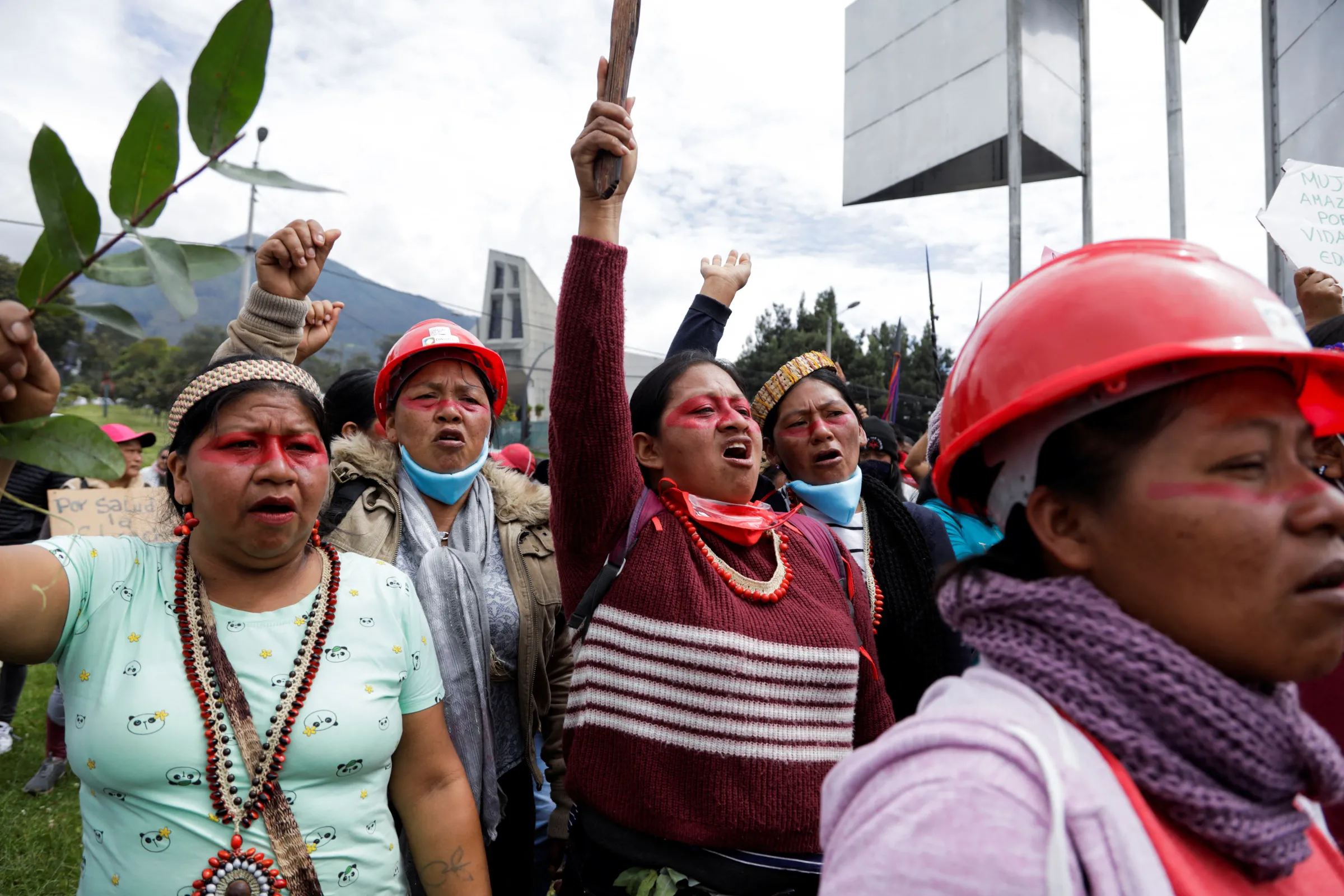
Women from different indigenous organizations, feminist groups and civil society take part in a demonstration demanding lower fuel and food prices and an end to police violence after nearly two weeks of mass protest, in Quito, Ecuador June 25, 2022. REUTERS/Karen Toro
Progress is fragile and 2026 must be the year of action and accountability on gender rights.
Maliha Khan is CEO of Women Deliver, a global advocacy organisation driving collective action for gender equality.
Two decades of advocacy, policy reform, and social organising have brought adolescent girls and young people closer than ever to shaping the decisions that affect their lives. That long arc of justice is visible today in the strength and energy of youth-led feminist organisations worldwide.
Movements such as the Commonwealth Youth Gender Equality Network (CYGEN) and the African Youth and Adolescent Network on Population and Development (AfriYAN) are driving progress on climate justice, bodily autonomy, education, and sexual and reproductive health and rights. They are pushing governments and global institutions to respond with greater transparency, urgency, and accountability.
Yet, the story of 2025 tells a more complicated truth. This year revealed not only how far we’ve come, but how fragile that progress remains, precisely because the systems meant to uphold rights were never built with girls, women, and gender-diverse people at the centre.
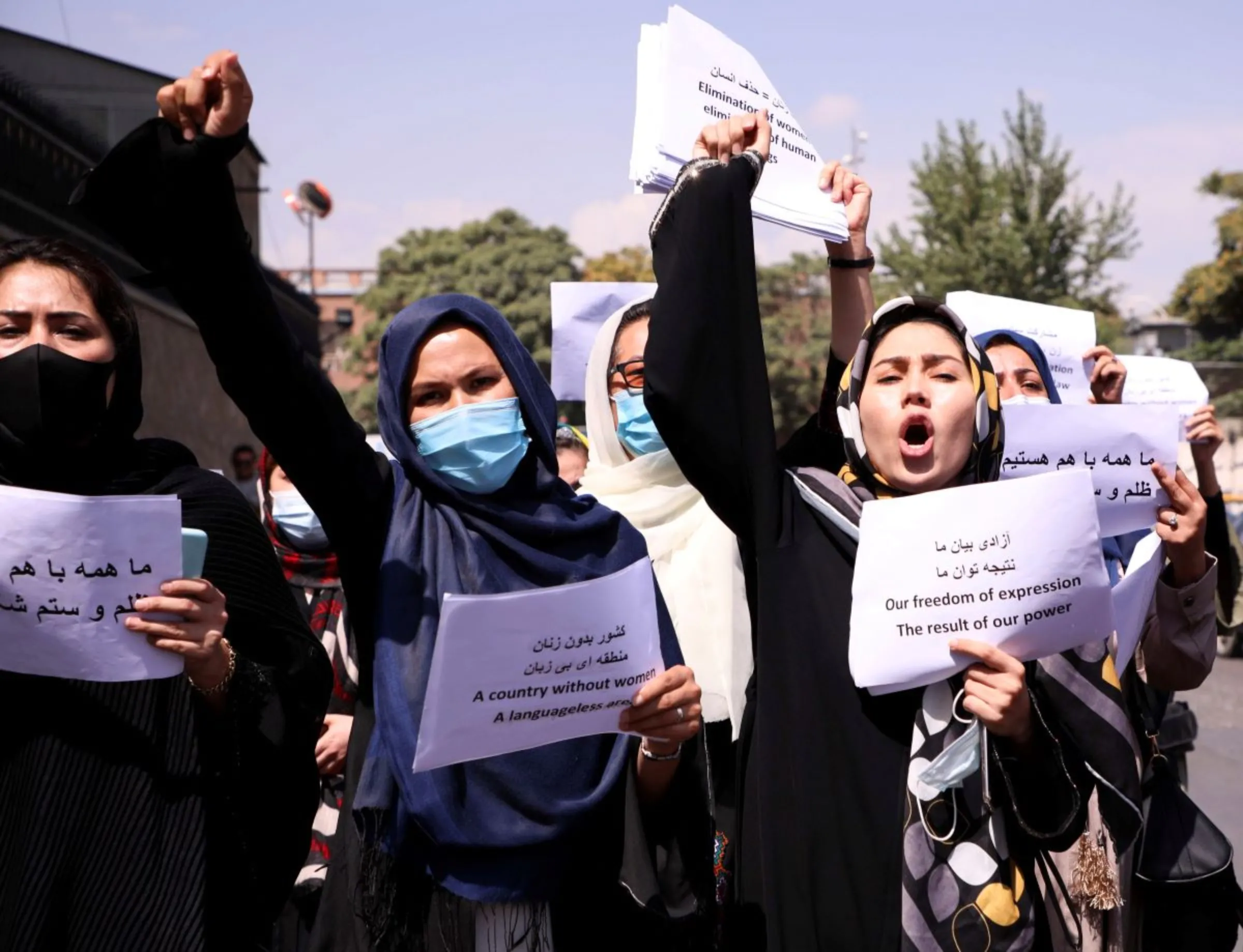
Across continents, feminist leadership is rising. At the same time, rights are under siege.
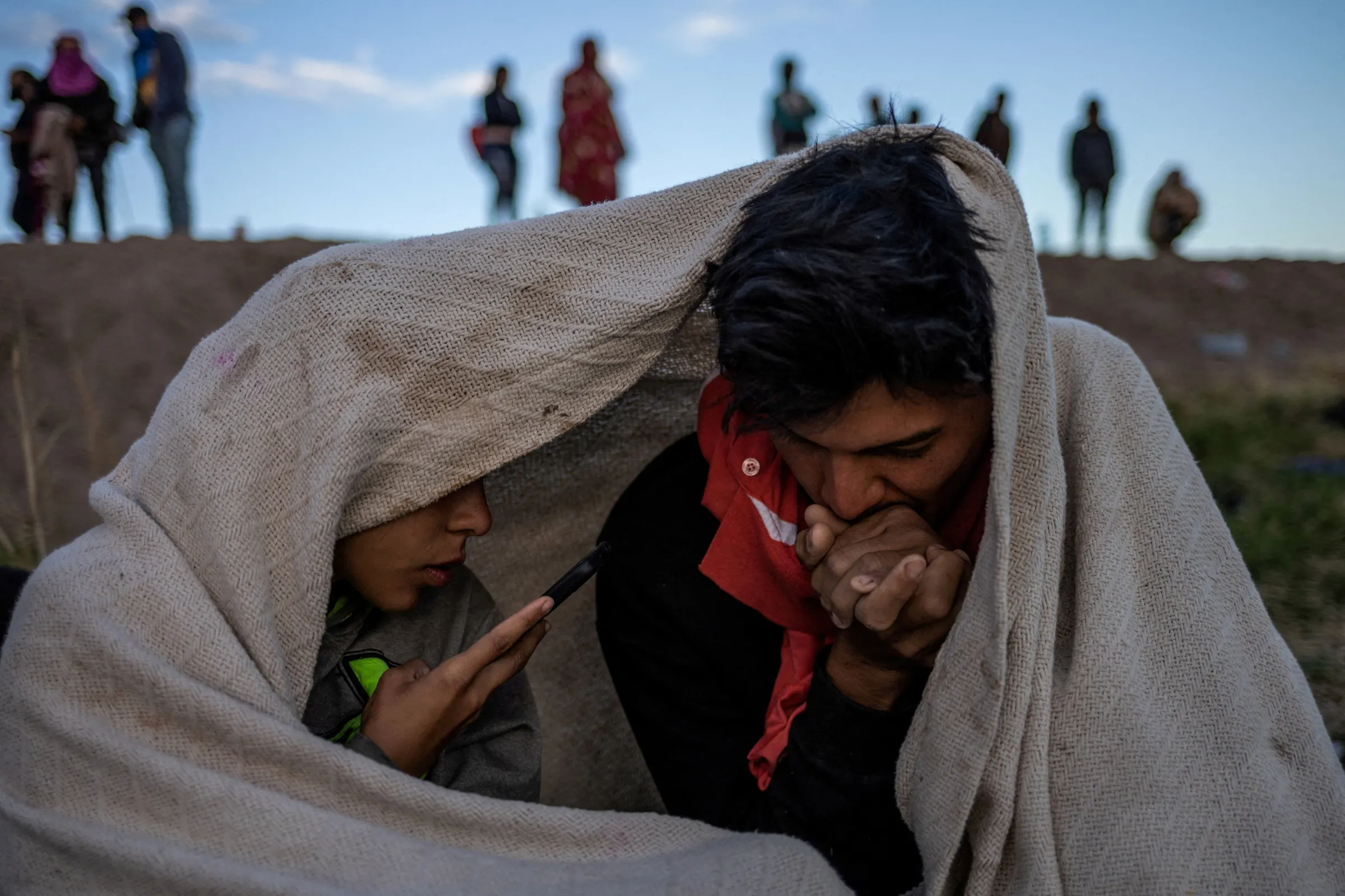
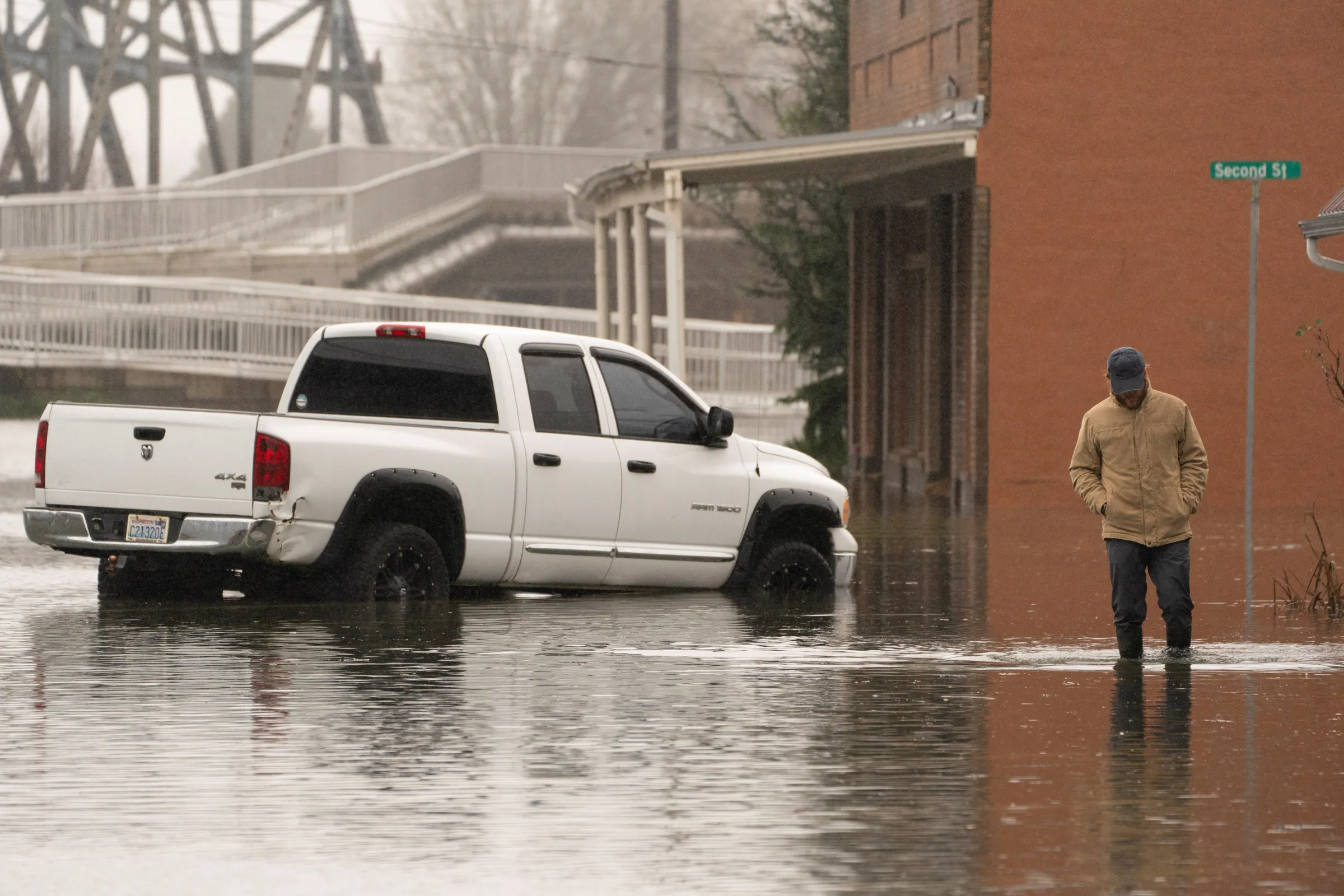
In the United States, women detained by immigration authorities frequently face serious rights violations: mothers may be separated from their children, sexual abuse and assault in detention facilities have been well-documented, and access to reproductive and maternal health care is often compromised.
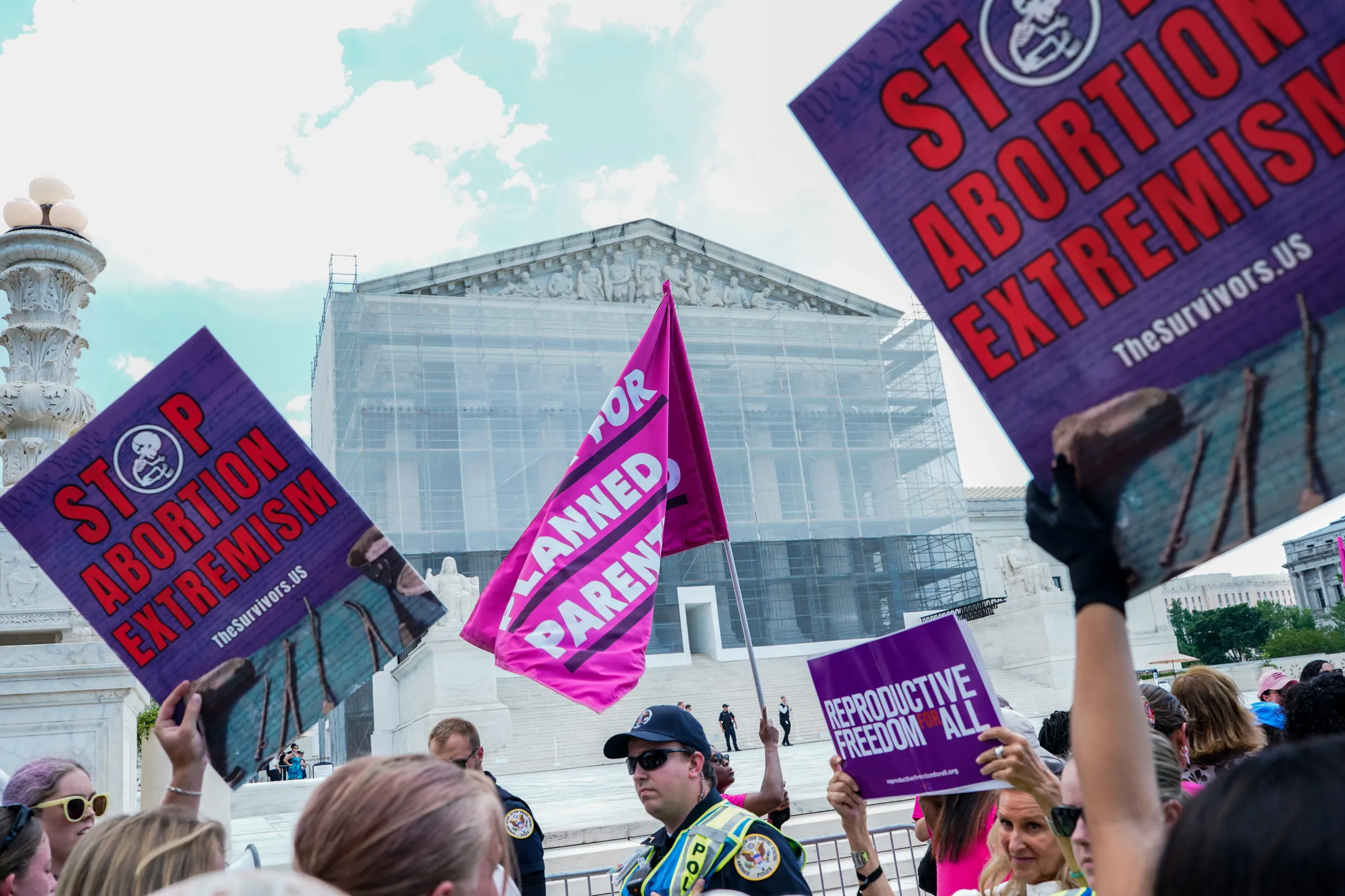
Anti-rights groups, supported by well-resourced disinformation networks, have succeeded in rolling back protections for reproductive health, safety, and bodily autonomy.
These are not isolated crises. Together, they illuminate a global struggle over power – who holds it, who is denied it, and who gets to define equality itself.
Across continents, feminist leadership is rising. At the same time, rights are under siege.
Over many years, gender-equality actors have developed important frameworks, declarations, and action plans that have offered a solid foundation for progress. However, many policies have continued to reinforce colonial power structures rather than shifting decision-making to the people most affected.
Too many community organisations are reliant on funding from governments and donors thousands of miles away.
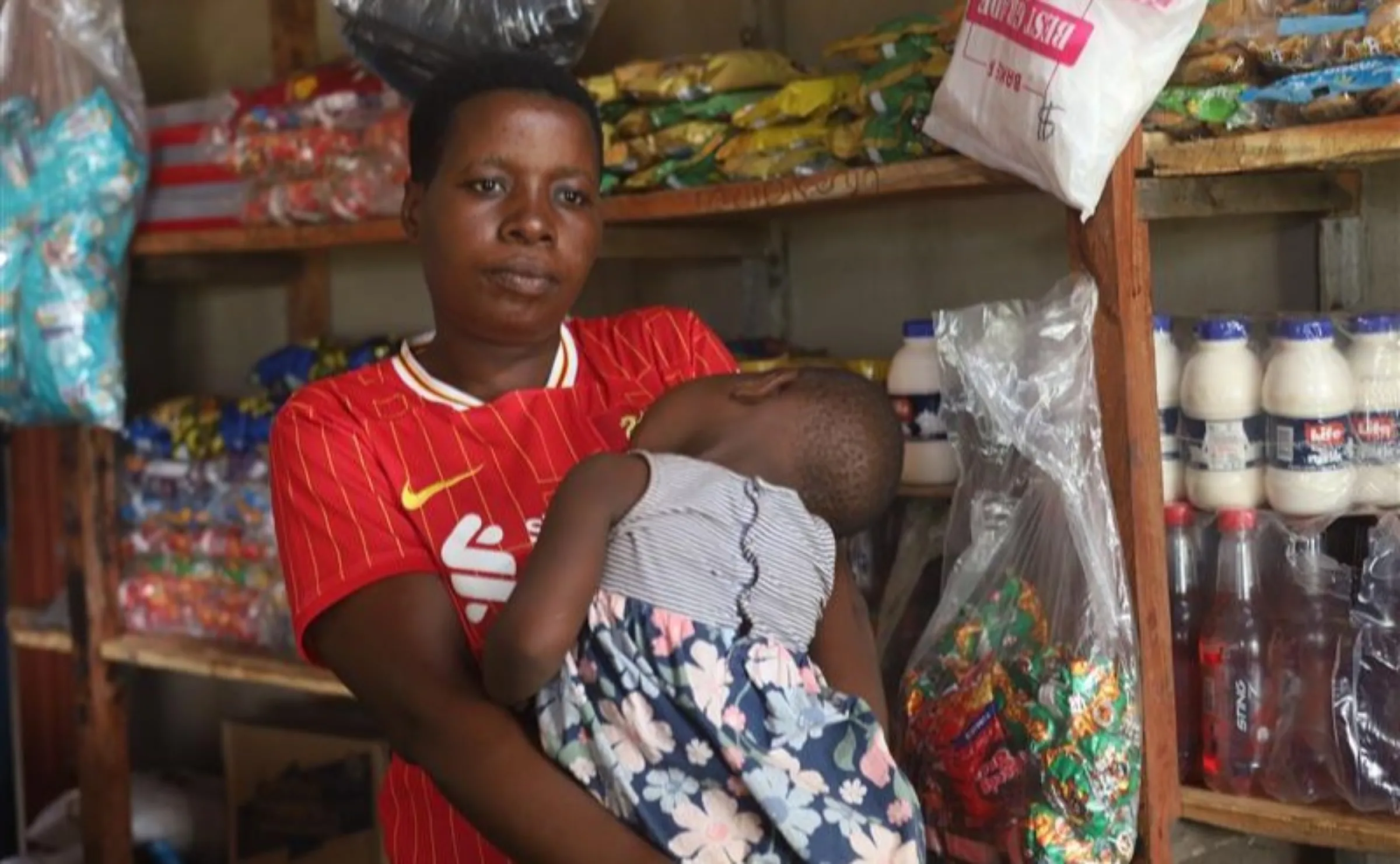
A recent survey revealed that half of women’s organisations supporting women in crisis zones may be forced to close within six months due to global aid cuts. These organisations are the backbone of community resilience, and when they close, it is girls, women, and gender-diverse people who bear the consequences.
We cannot close the gender gap without closing the accountability gap and it demands a redistribution of power itself: who sets priorities, who resources solutions, and who gets to decide what progress looks like.
That is what the Feminist Playbook, shaped through 15 consultations globally, including during the U.N. General Assembly, calls for: a reimagined future built around shared accountability, where governments are held responsible for meeting their obligations, and where Global Majority governments can exercise leadership without dependence on former colonizers or external gatekeepers.
To sustain progress, governments, donors, and multilateral institutions must go beyond symbolic support and instead embrace a collective feminist vision grounded in power-shifting.
This begins with a commitment to collective processes that unite movements, governments, and communities. We also need to resource local and community-based organisations as primary actors of change.
We must also address power imbalances by centering people’s relationships with their states and enable Global Majority civil society and institutions to lead solutions. Finally, we need to ensure girls, young people, and feminist organisers have meaningful influence.
We need to ensure girls, young people, and feminist organisers have meaningful influence.
The upcoming Women Deliver Conference (WD2026) in April 2026 in Narrm (Melbourne) will be a space for governments, activists, youth leaders, and partners to reflect honestly on what is working, what is failing, and what must change.
Together, they will foster shared accountability, helping us co-create a collective vision and commit to practical, measurable steps forward, and to supporting one another to stay the course long after the Conference closes.
This year has reminded us that progress is both real and reversible. It has exposed the fundamental truth that our systems are fragile because they were never built for the world’s girls and women in the first place.
That is why 2026 must be the year of action and accountability, where we move from recognising what is broken to transforming what must be built.
Change is still possible, but it will not come from waiting for history to bend toward justice. It will come from us, when we choose to build the world that equality demands.
Any views expressed in this opinion piece are those of the author and not of Context or the Thomson Reuters Foundation.