
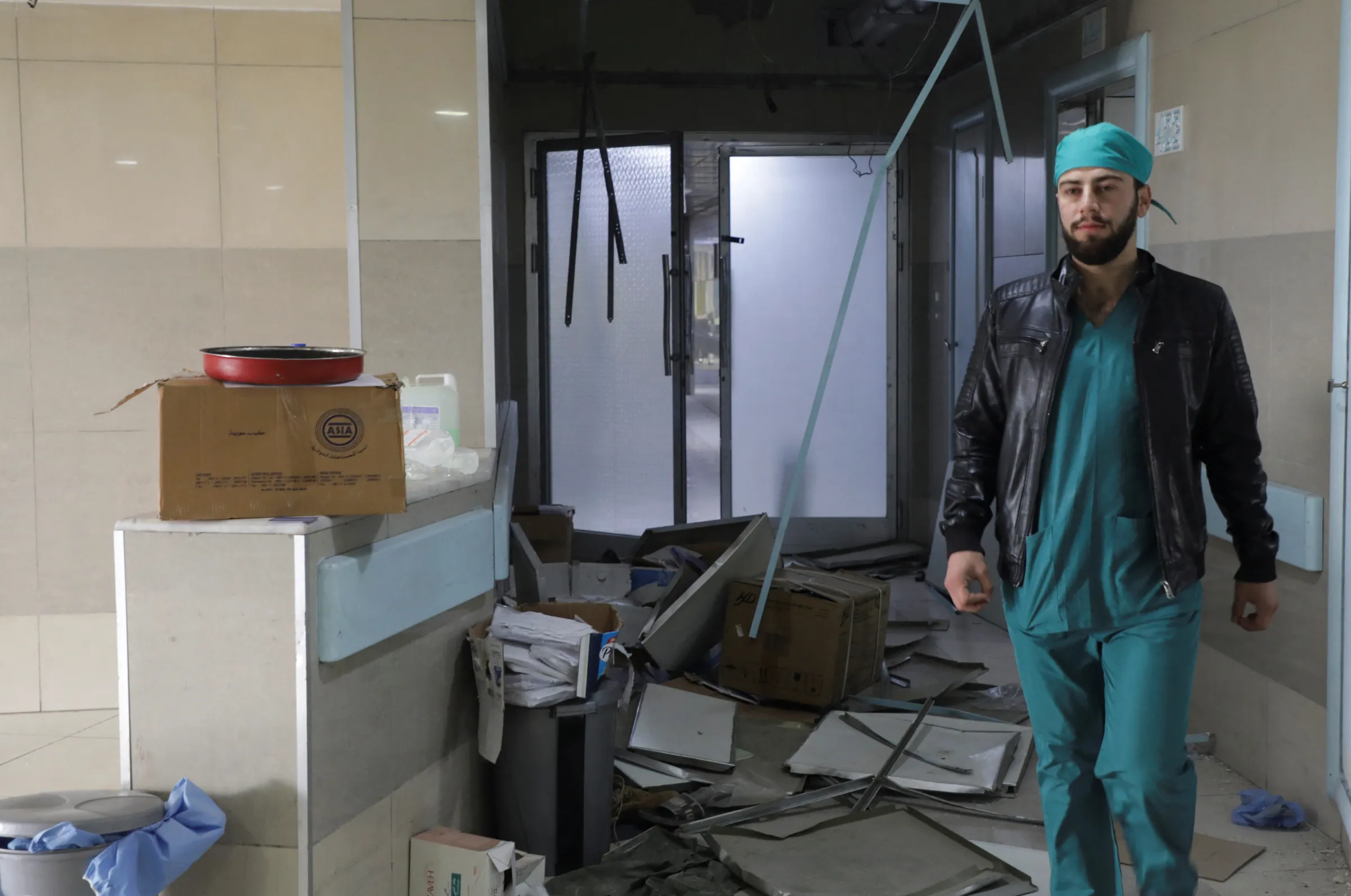

UK warns 'shocked' Syrians it may end their refugee status

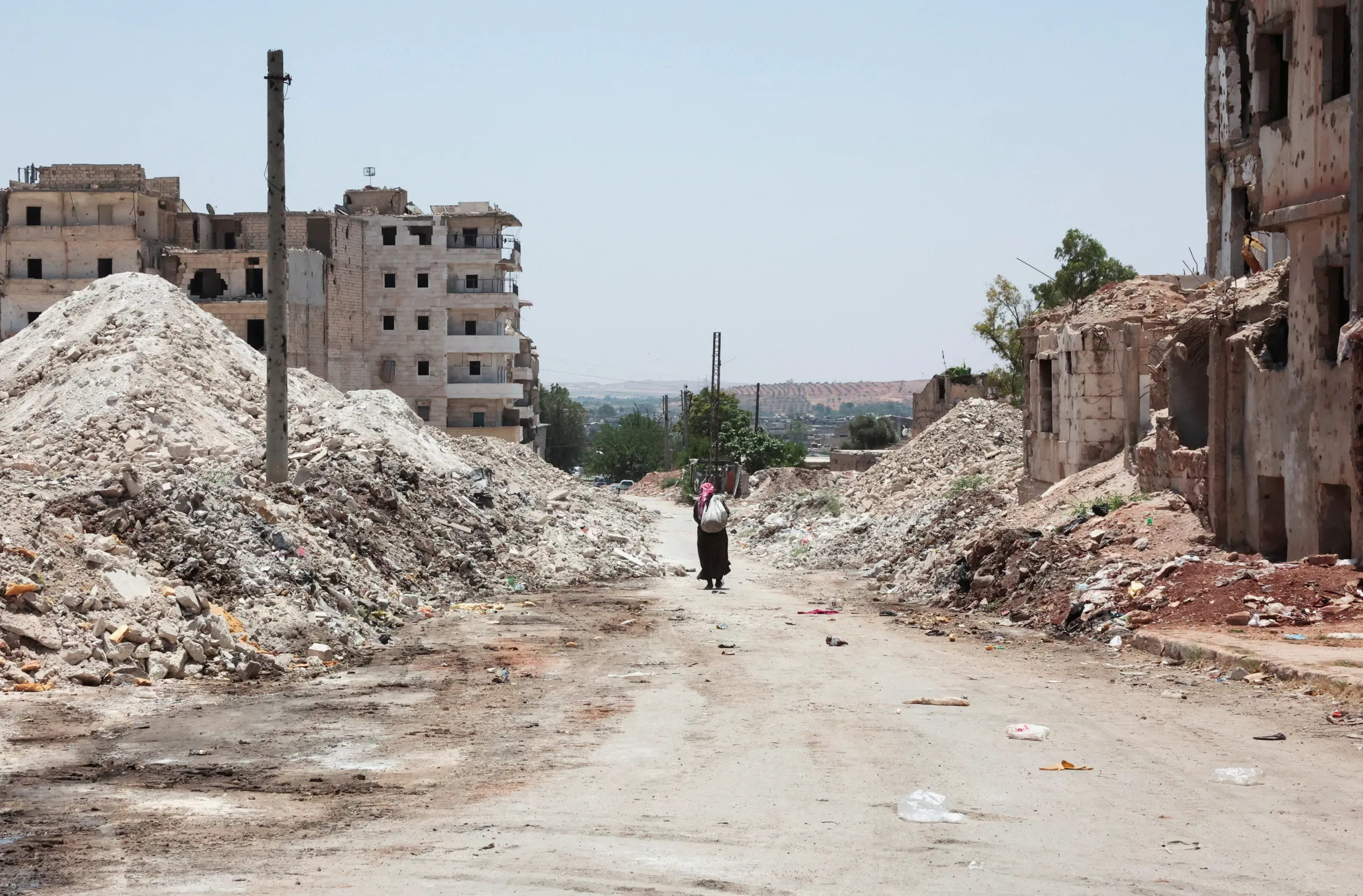
A man walks through the destruction in the city of Aleppo, Syria, June 23, 2025. REUTERS/Mahmoud Hassano
What’s the context?
Syrian refugees feel "betrayed" as Home Office gives them 21 days to prove they have good reason not to return home.
- Syrians feel betrayed and anxious
- UNHCR warns against forced returns
- UK government move is unprecedented
LONDON - Britain has written to Syrians who have rebuilt their lives in the country and applied to permanently settle, threatening to end their refugee status unless they can prove they still need protection.
Syrians said they felt "shocked and betrayed" by the letters from the Home Office, Britain's interior ministry, which could open the door to the risk of deportation.
The emails are being sent to Syrians who were granted refugee status at least five years ago and have made applications to settle in line with immigration rules.
Asylum experts said the letters were unprecedented and "very threatening and traumatising".
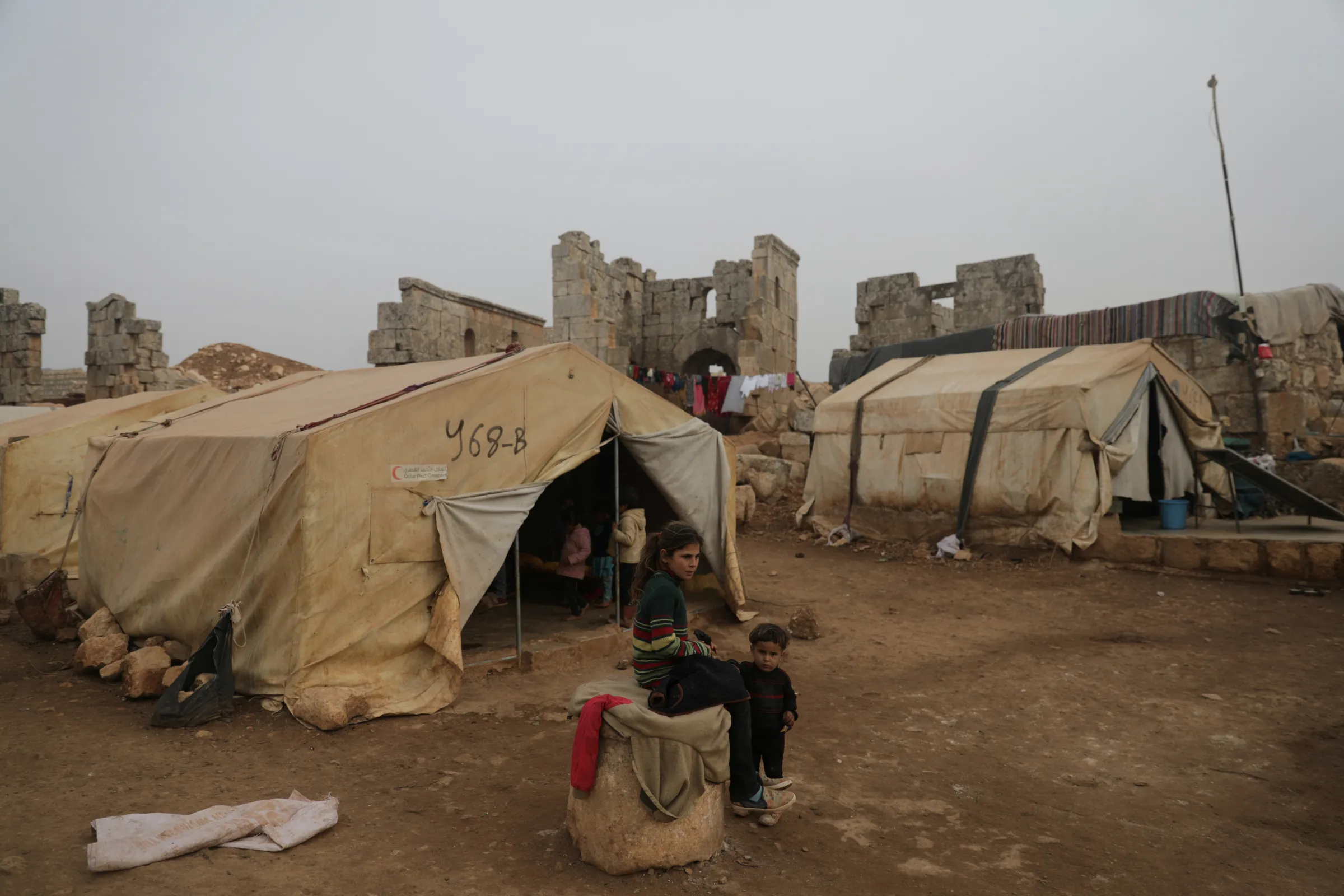
The toppling of Syria's longtime ruler Bashar al-Assad on Dec 8, 2024 brought a sudden end to nearly 14 years of war. But Syrians in Britain said the country was not safe.
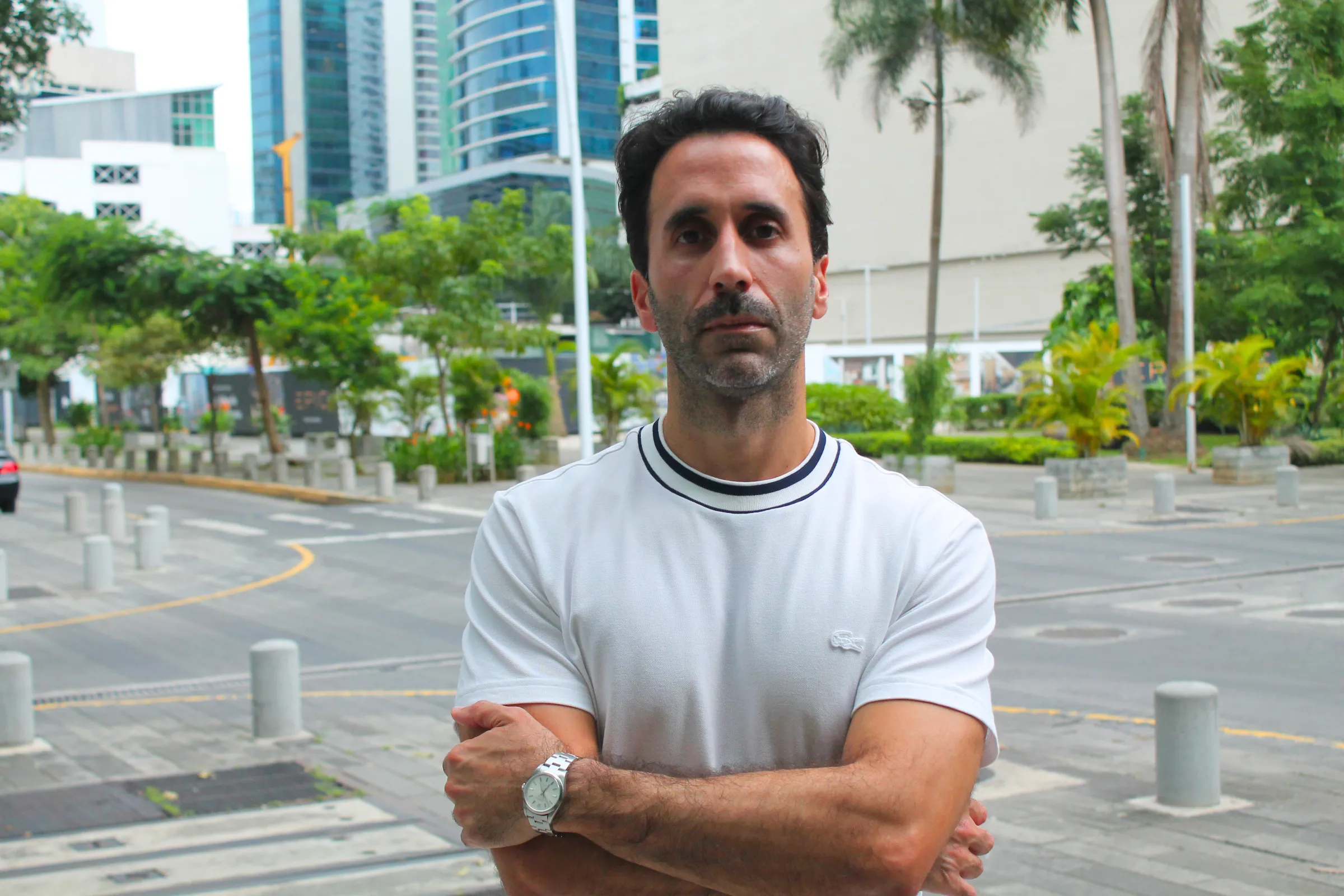
Diaa Sawan, a journalist originally from Damascus, said he was devastated to receive the letter this month.
"I've been having nightmares. I'm completely destroyed. I really don't know what to do," added Sawan, who has lived in London for almost seven years.
He said his journalist friends had been tortured and killed during the war, his home had been destroyed and his family were now scattered across the world.
"I've made Britain my home." he said. "I've nothing to go back to."
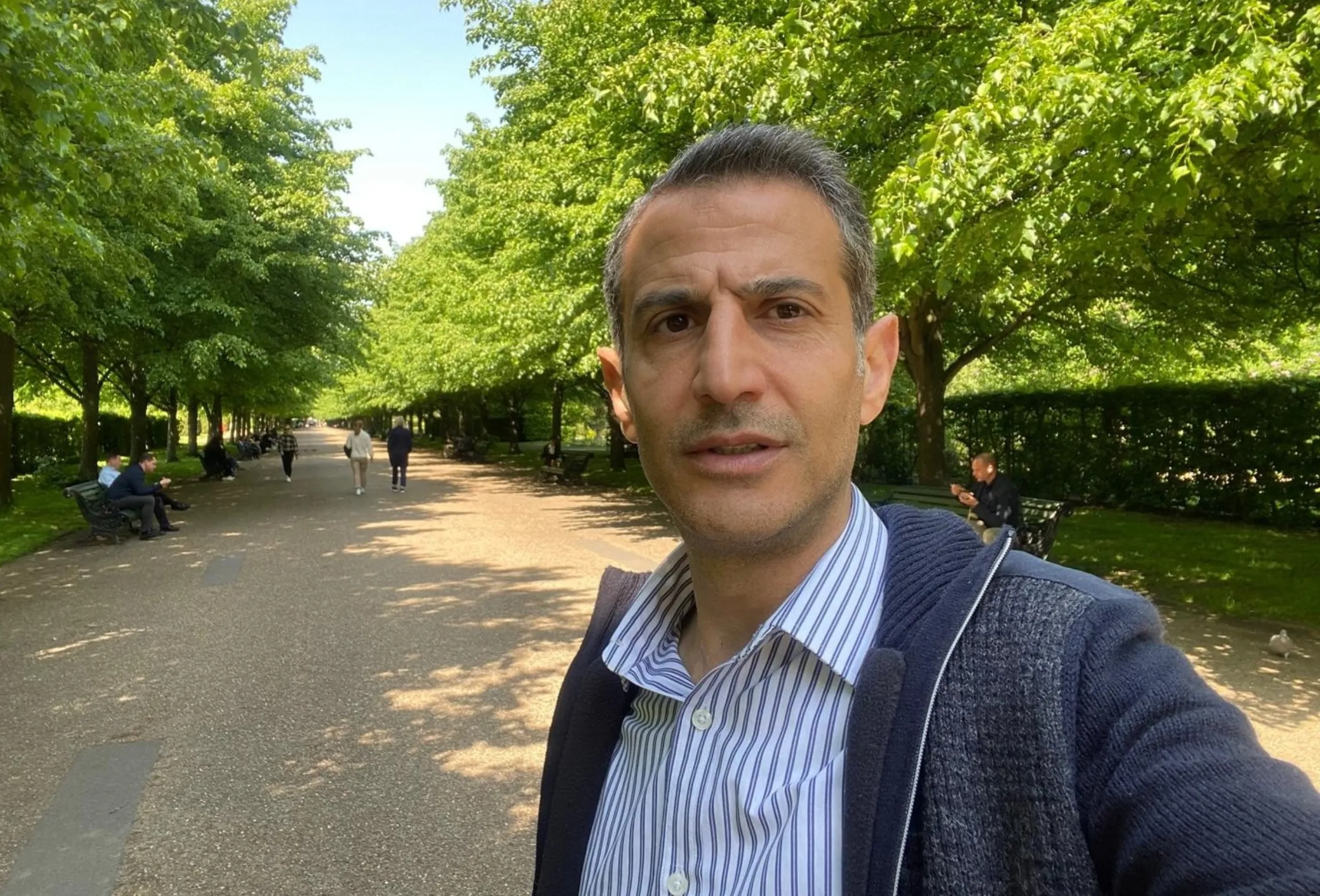
Syrian journalist Diaa Sawan is pictured in a London park in 2025. Diaa Sawan/Handout via Thomson Reuters Foundation
Syrian journalist Diaa Sawan is pictured in a London park in 2025. Diaa Sawan/Handout via Thomson Reuters Foundation
Asylum shake-up
The Home Office letter, seen by Context, states: "We are considering whether or not it may be appropriate to cease your refugee status.
"If there are any reasons why you consider you cannot return to your home country ... please tell us about this now."
It gives 21 days to reply.
Immigration specialists said it could cost Syrians thousands of pounds in legal fees and take months to gather evidence from Syria to support their claim for protection.
The letters have added to anxiety in Syrian communities after Britain's Labour government announced plans last month for tough new asylum rules - widely seen as an attempt to stem surging support for the populist anti-immigrant Reform UK party.
The proposals include exploring forced returns to Syria.
The U.N. refugee agency said this month that no one should be forced back to Syria, citing security risks and the immense challenges facing a country shattered by war.
It has advised governments not to cease refugee status for Syrians.
'Unfair to change rules'
Most Syrians receiving the letters were granted asylum between 2019 and 2020. Like Sawan, many applied for settlement before Assad's fall, but the government paused all decisions the day after he was toppled.
The Joint Council for the Welfare of Immigrants, a charity supporting some of those affected, said the government's move was unprecedented, adding that Britain had not ended refugee status for Iraqis or Libyans after the fall of Saddam Hussein or Muammar Gaddafi.
The Home Office did not say how many Syrians had received letters or respond to requests for comment.
The Syrian British Consortium, an advocacy body, said it knew of 750 Syrians with pending settlement applications, but the real number would be higher.
Britain allows people granted refugee status to apply for settlement after five years.
Syrian refugees said they had rebuilt their lives around this promise and it was unfair to change the rules. They were contributing to society, paying taxes and had children in school.
Anas, who works for the National Health Service in a hospital operating theatre, said it felt like a betrayal when he received the letter last week.
"This is very shocking," added Anas, who asked not to use his full name. He said his family were well integrated in the northern city of Lancaster, where he also volunteered at a charity.
Anas said he was detained and tortured during the war for criticising Assad's rule and that his family had received death threats from militia that are still active in his home city Homs in western Syria.
"Half of Homs is destroyed, my home was bombed," he said. "Yes, Bashar al-Assad is gone, but Syria is still not safe. There are still killings and abductions in the streets."
Farah Al Haddad, co-founder of the Syrian Advocacy and Action Group, a grassroots organisation, said it was hypocritical for the government to say the country was safe for Syrians to go back to when it warns British citizens against all travel there.
"A lot of people have lost loved ones and their homes have been turned to rubble," she added.
"We're talking about a country where two-thirds of the infrastructure is destroyed. What are you sending people back to?"
Journalist Sawan said the government's pause on processing settlement decisions had left him trapped in a bureaucratic nightmare as all his identity documents had expired.
"We're not asking for sympathy, we're asking for fairness and the chance to continue building the lives we started here in good faith," he said.
(Reporting by Emma Batha; Editing by Jon Hemming.)
Context is powered by the Thomson Reuters Foundation Newsroom.
Our Standards: Thomson Reuters Trust Principles
Tags
- Government aid
- War and conflict
- Migration