
Asylum seekers brace for bleak 2026 as countries clamp down
Explainer
Explainer
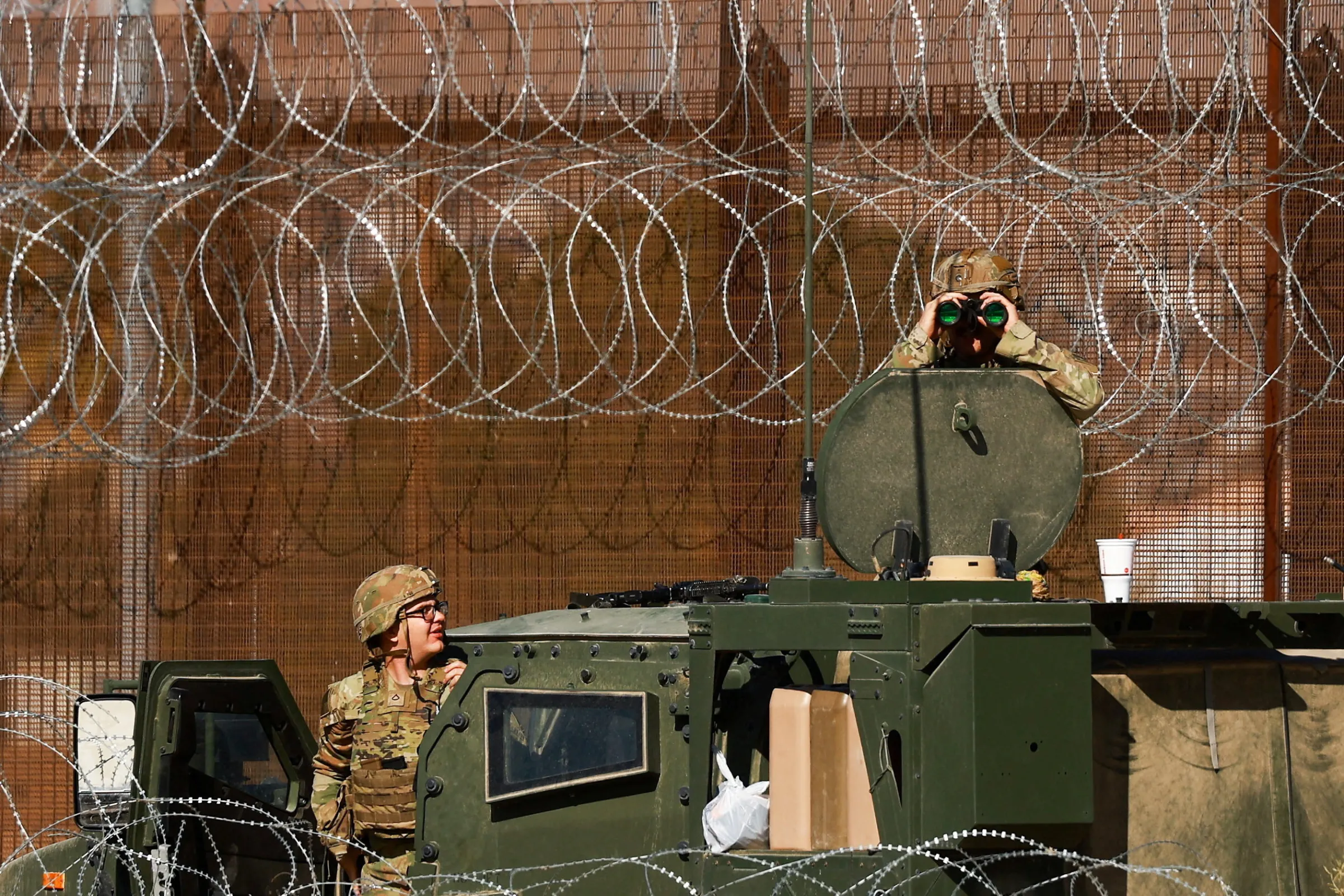
U.S. military personnel conduct surveillance near the border wall between the United States and Mexico, Ciudad Juarez, Mexico, January 12, 2026. REUTERS/Jose Luis Gonzalez
What’s the context?
Protections shrink for refugees and asylum seekers as leaders from Donald Trump in U.S. to Britain's Keir Starmer toughen rules.
LONDON - From the United States to Britain and Germany, countries are overhauling asylum rules amid broader tensions over immigration.
Critics say the clampdowns will make it harder for people fleeing war and persecution to seek protection.
Worldwide, there are 42.5 million refugees, nearly double the number 10 years ago, according to the U.N.
Here is a look at how countries are cracking down.
United States
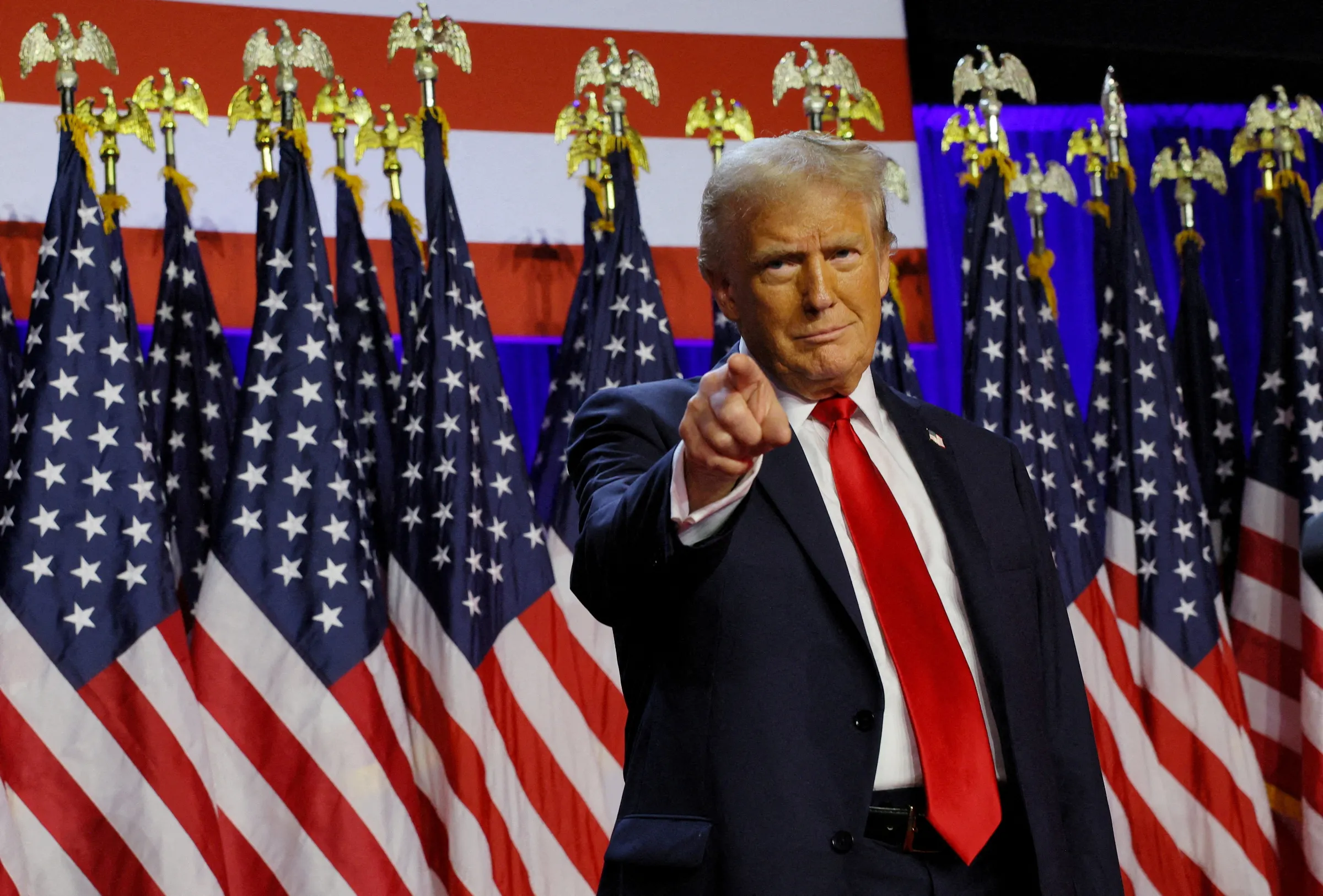
President Donald Trump has ramped up restrictions on asylum processes since the arrest of an Afghan national suspected of shooting two National Guard soldiers in Washington in November.
The administration has halted all asylum decisions, suspended visa processing for Afghans and ordered a review of all refugee arrivals under Trump's predecessor Joe Biden.
Critics say Trump is exploiting the November attack to advance an already aggressive anti-immigration campaign, spotlighted this month by the fatal shooting of a woman by an immigration officer in Minneapolis.
At the start of his presidency, Trump ended the right to seek asylum at the U.S.-Mexican border and froze the programme to resettle refugees.
About 100,000 refugees already vetted and approved for entry are still stranded abroad.
The administration has set the cap for refugee admissions for the fiscal year at 7,500 - the lowest on record - and will prioritise white Afrikaner South Africans whom Trump says face persecution. The South African government denies this.
The U.S. has also imposed full or partial travel bans on citizens from 39 countries including Afghanistan, Haiti, Myanmar, Sudan, Syria and Venezuela, likely barring entry for most refugees from these countries.
Trump's One Big Beautiful Bill Act, signed into law last year, has turbocharged spending for detentions, deportations and a border wall and barriers.
It also introduced a $100 fee for asylum seekers, making the U.S. one of very few countries to charge for applications.
The administration wants to accelerate removals of asylum seekers for processing in third countries and has struck deals with Ecuador, Uganda and Honduras.
United Kingdom
Britain has announced a major overhaul of its asylum system which Home Secretary Shabana Mahmood, who oversees immigration, has declared "out of control".
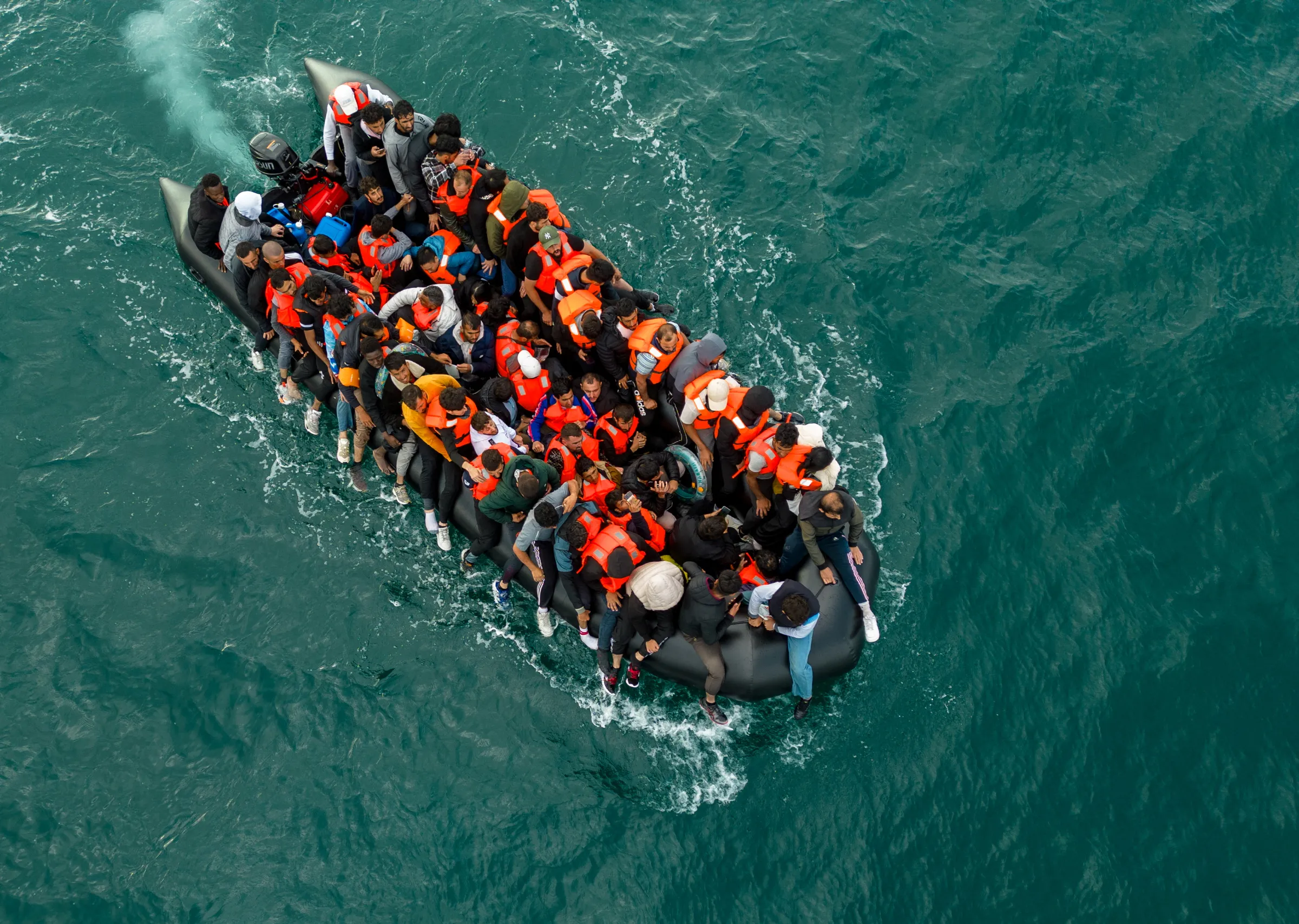
Plans include making refugee status temporary, speeding up deportations of failed asylum seekers and ending guaranteed housing and financial support.
Refugees would have to wait 20 years to settle in Britain, quadruple the current time. Their status would be reviewed every 30 months, and they could be returned to their home country if conditions are deemed safe.
Critics accuse the government of adopting the far-right rhetoric of Reform UK, an anti-immigrant party which regularly tops opinion polls.
A pilot scheme allows Britain to send people who arrive in small boats back to France in exchange for accepting an equal number of asylum seekers who apply there legally.
The government has also threatened visa bans on countries that block the return of citizens remaining illegally in Britain and may send failed asylum seekers to safe third countries.
It will also explore enforcing returns to countries like Syria, where conditions have changed.
European Union
An EU asylum pact takes affect in June, with tougher border controls, fast-track deportations of failed asylum seekers and the creation of "return hubs" in non-EU states where rejected claimants can be sent.
Countries are also pushing for asylum claims to be processed outside the bloc.
Italy already has a deal with Albania to screen claims from migrants intercepted at sea. Italian judges have blocked the scheme, but Prime Minister Giorgia Meloni says the camps will be operational from mid-2026.
The EU has also drawn up a list of "safe countries of origin" to speed up the processing of claims from people unlikely to receive asylum.
Rights groups say the new EU rules put people at risk of arbitrary detention and forced return to unsafe countries.
Germany has separately said it will reject undocumented asylum seekers at its borders, enable deportations to Syria and Afghanistan and suspend family reunions.
Greece temporarily halted asylum claims from migrants coming from North Africa last year, despite protests by rights groups.
Chile
Chile's new right-wing president, José Antonio Kast, has promised to deport undocumented migrants, build a barrier along the borders with Peru and Bolivia and form a police force similar to the U.S. Immigration and Customs Enforcement (ICE) to detain and remove illegal migrants.
Government data suggests more than 300,000 undocumented migrants, including many Venezuelans, are in Chile.
Global
Three-quarters of refugees are hosted by developing countries, and they might close their borders if richer nations further cut aid to support millions displaced by violence and climate change, the Danish Refugee Council has warned.
Uganda, which hosts Africa's largest refugee population, announced it would stop granting refugee status to people from Eritrea, Somalia and Ethiopia, citing shrinking donor funding.
Elsewhere, Pakistan and Iran are expected to continue pushing millions of refugees back to Afghanistan.
(Reporting by Emma Batha; Additional reporting by Joanna Gill. Editing by Ayla Jean Yackley.)
Context is powered by the Thomson Reuters Foundation Newsroom.
Our Standards: Thomson Reuters Trust Principles
Tags
- Migration