Why it matters: Improving guardianship of natural areas is crucial to safeguarding Earth's ecosystems. Climate change is an increasingly serious driver of biodiversity loss and ecosystem degradation.


Latest Nature News

Brazil's seed collectors combat Amazon deforestation

Nature

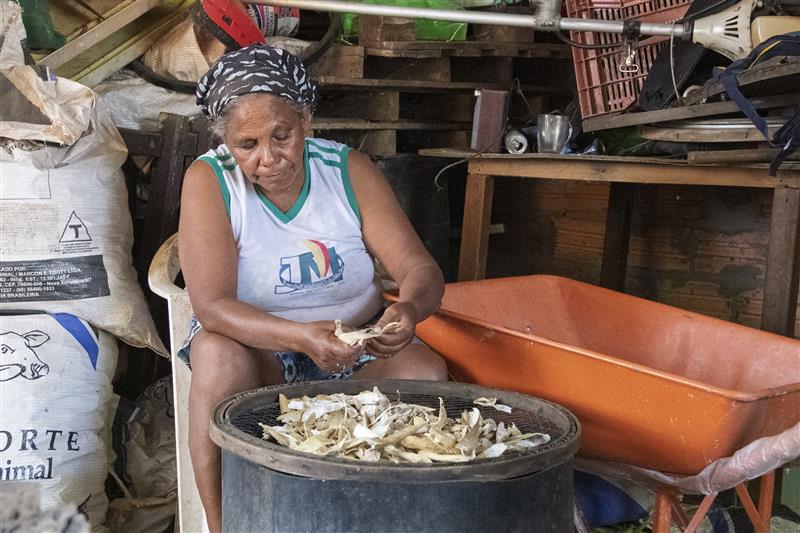
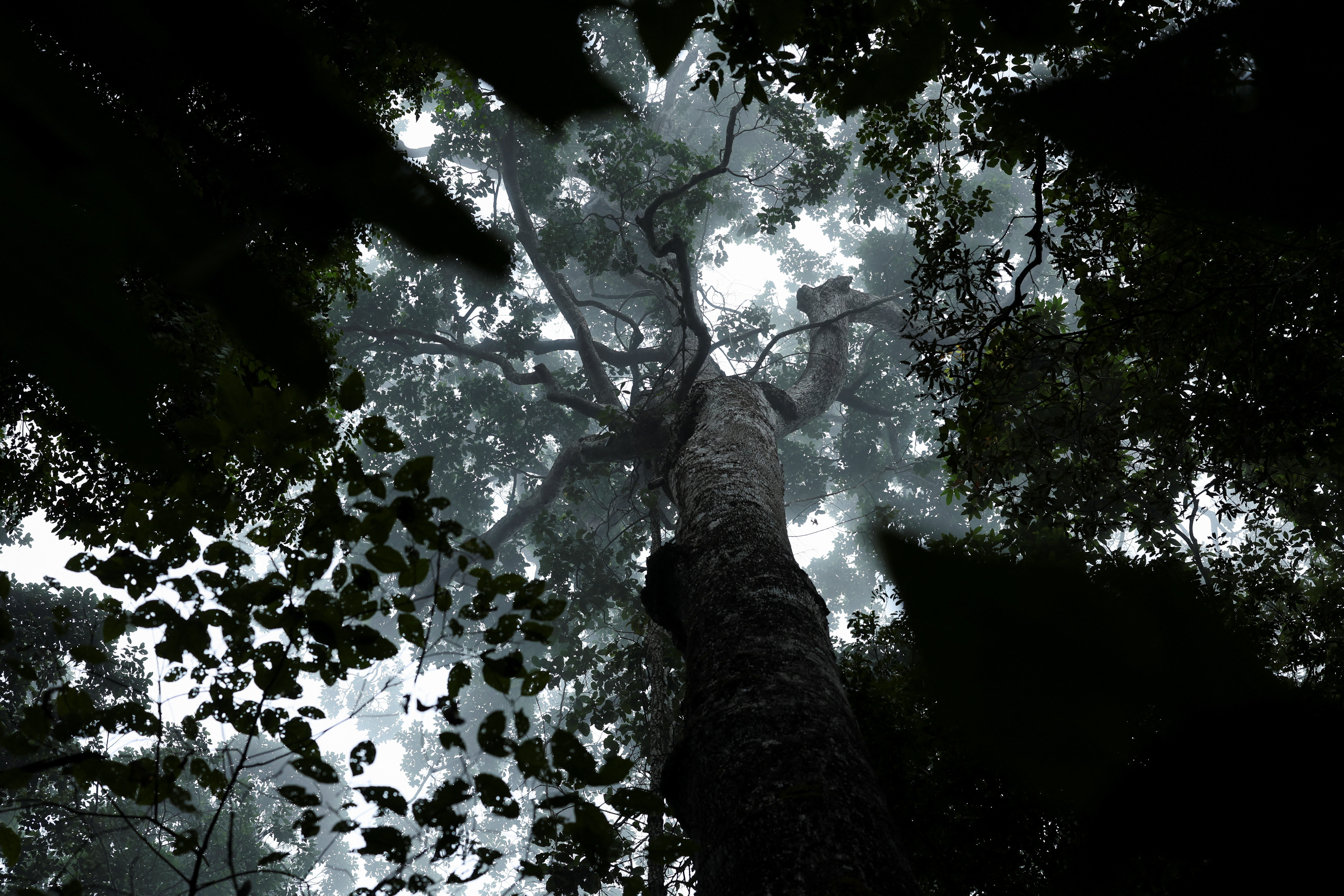
In a room at the back of her house, Vera Alves da Silva Oliveira keeps the air-conditioning on day and night to protect bags of seeds gathered by hand from Brazil’s Amazon rainforest and Cerrado savannah.

Oliveira is one of more than 700 seed gatherers in the Xingu Seeds Network working to help recover forests and savannas across Mato Grosso, a major agricultural state.

Five climate adaptation ideas to watch in 2026

Nature

From adding finance to making sure loss and damage funds reach vulnerable populations, climate adaptation is an increasingly crucial topic as extreme weather events disrupt daily life.

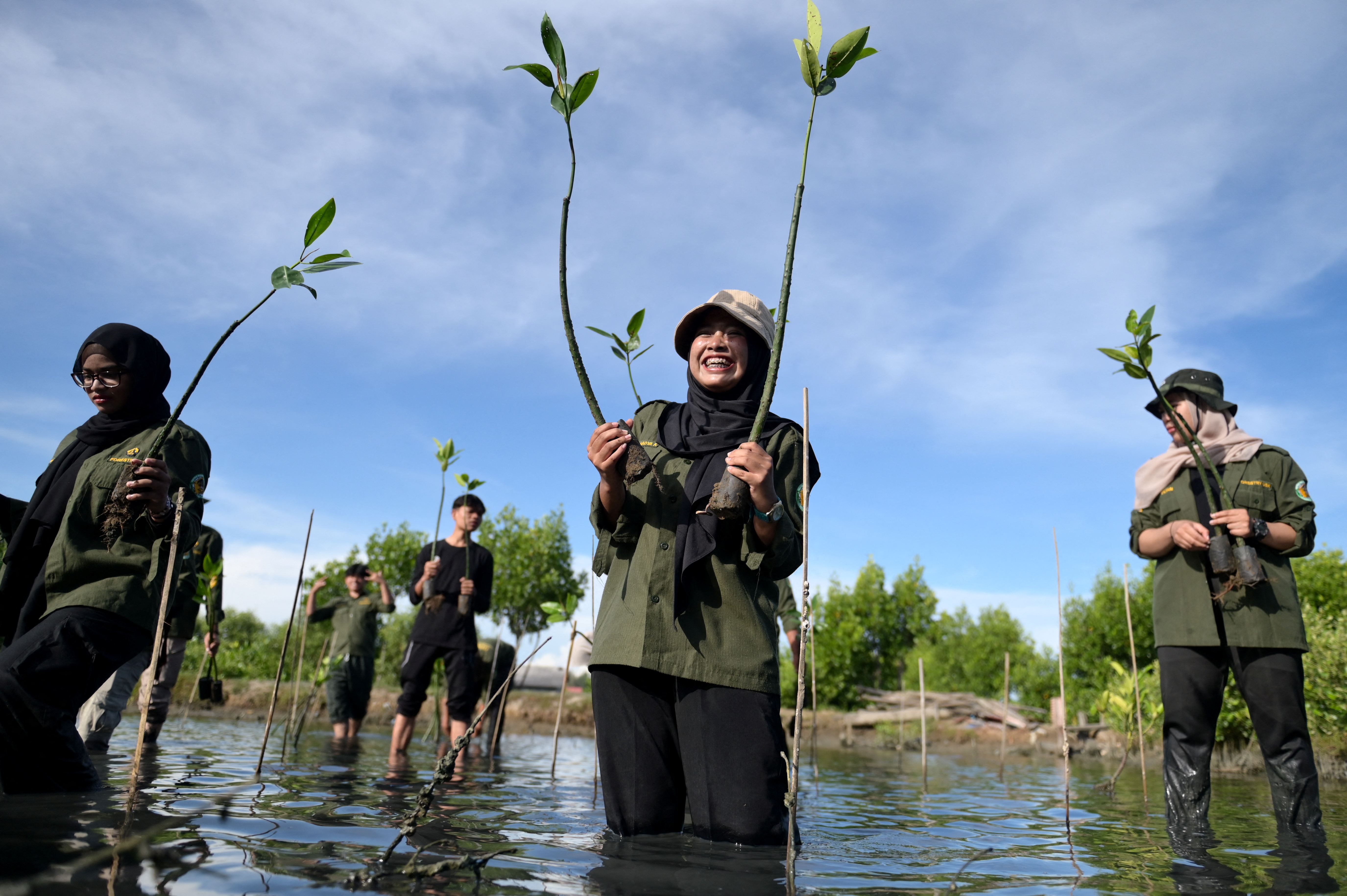
Around the world, local adaptation models are redesigning how communities respond to a harsher climate, such as coastal cities turning to mangrove restoration and resilient agriculture.

Protected area? Industry under fire for Philippine sea spill

Nature

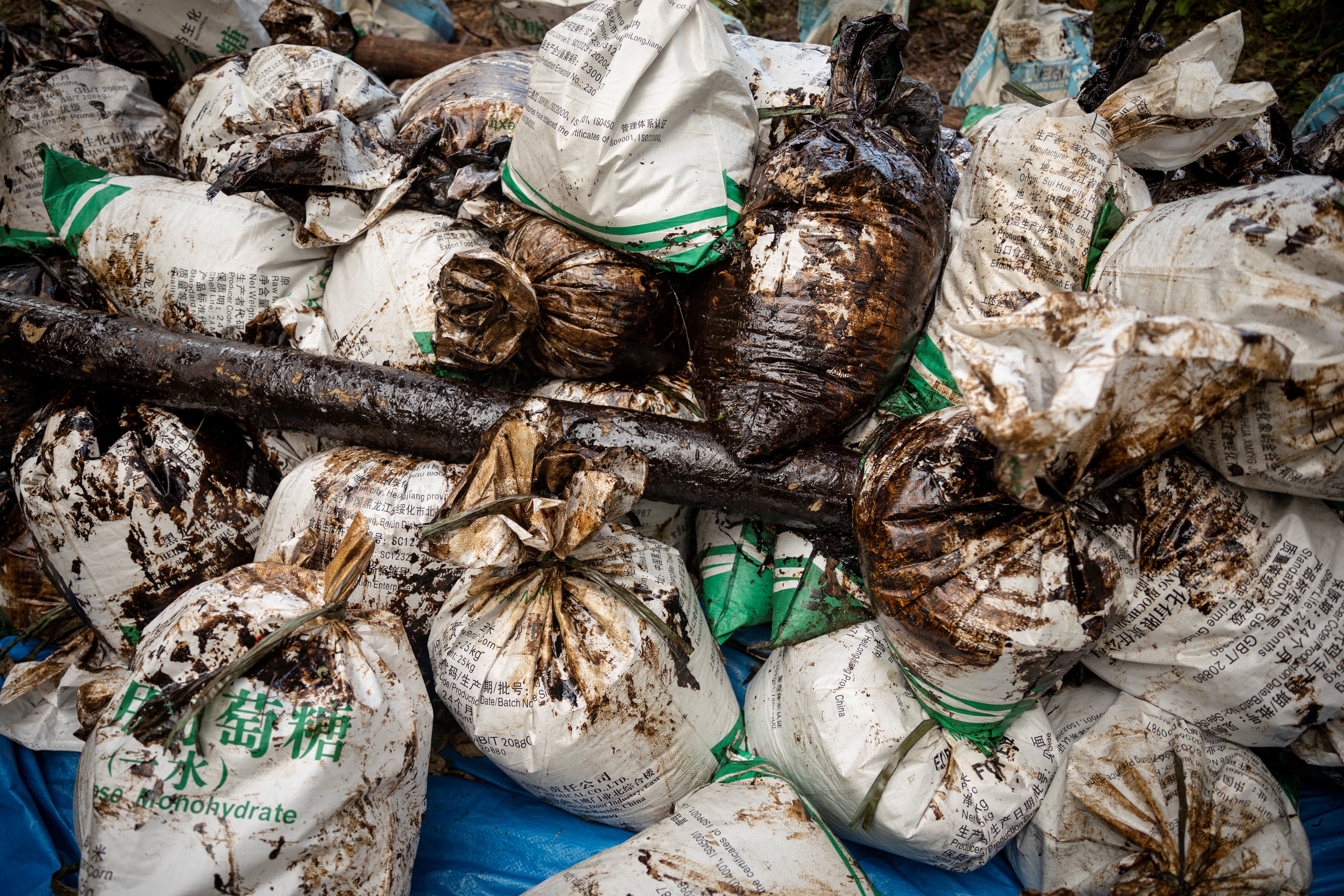
A major industry spill that spewed toxic waste into a protected strait off the Philippines has raised concerns about governance of the nation’s rich waterways and what can be done to safeguard dwindling biodiversity.

Conservationists said October’s spill at a private ethanol distillery in Negros Island – an area prized for its abundant coral – resulted in 255,000 cubic metres of industrial waste polluting the Tañon Strait Protected Seascape.

How German engineers are building future-proof forests

Nature

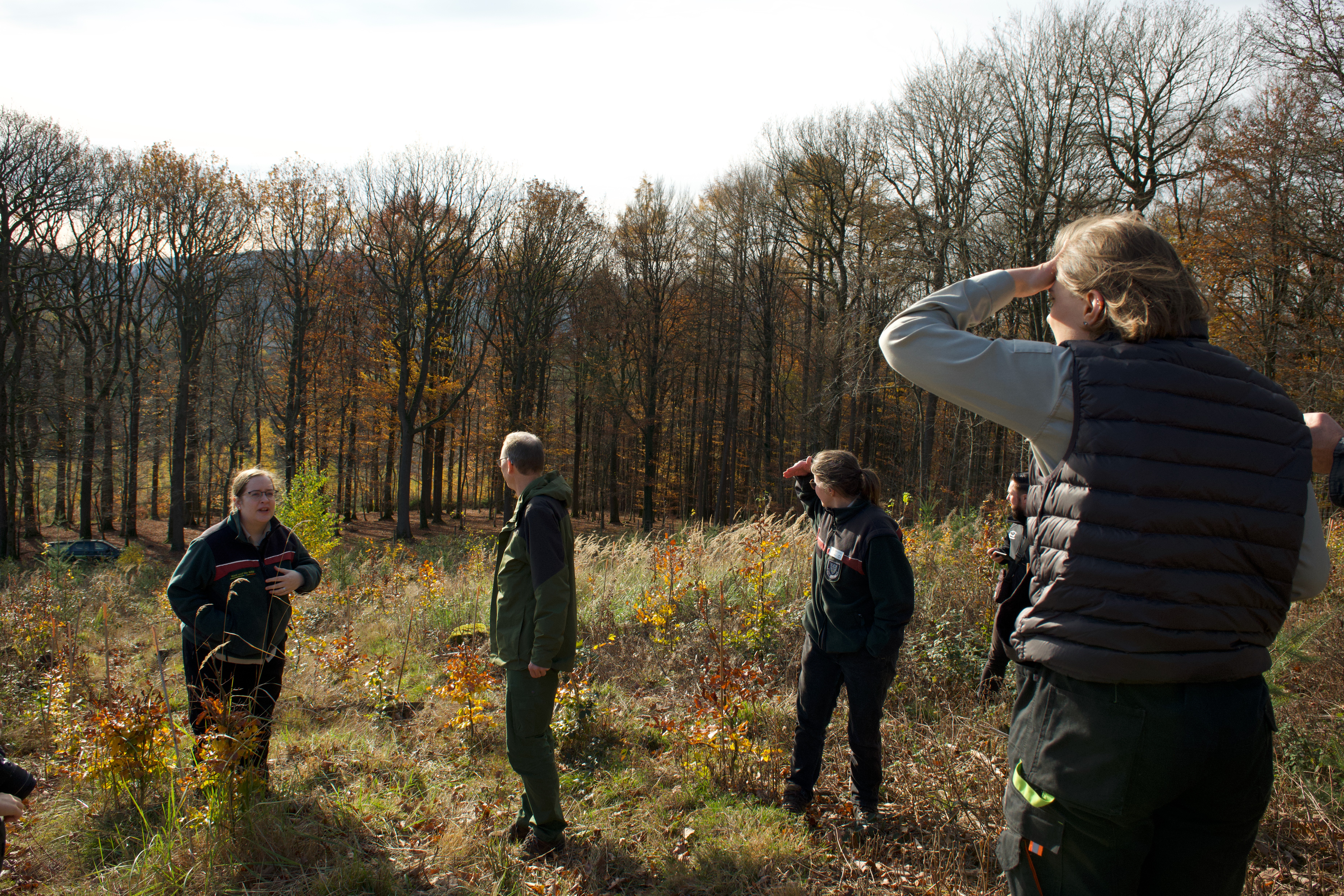
Once visitors who braved the 200 steps of the Lörmecke-Turm tower in Germany’s Arnsberg forest park would be rewarded with a stunning view across a dense canopy of giant Norwegian spruce.

Now all they see from the 35-metre viewing tower is a denuded plateau. The trees have gone, struck down after a devastating infestation of bark beetles in 2018.

Mt. Kenya glaciers to vanish by 2030 - environmentalist Lewis Pugh

Nature

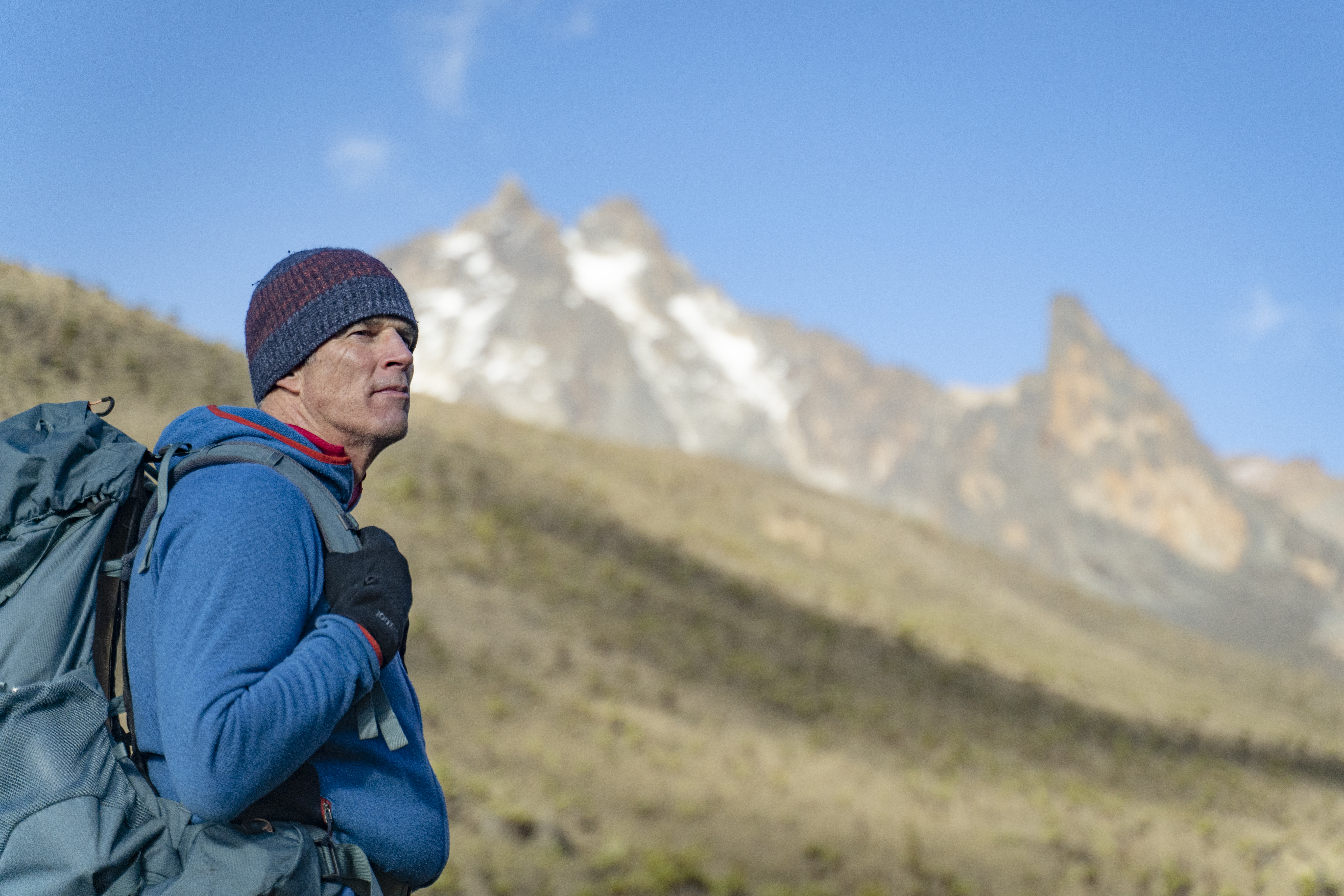
Mount Kenya, home to some of Africa’s last remaining glaciers, is on the brink of a dramatic transformation: its ice could vanish entirely by 2030, said environmentalist Lewis Pugh after summiting Kenya’s highest peak.

Pugh, an endurance athlete and a United Nations Environment Programme goodwill ambassador, climbed the 5,199 m (17,057 ft) mountain this month, visiting the Lewis Glacier to highlight the impact of climate change.

US communities push back against encroaching e-commerce warehouses

Nature

Born and raised in New York City’s Red Hook neighbourhood, Maddy Jenkins says she cannot remember seeing the volume of trucks now plying the streets.

“Since the pandemic, everyone started ordering more,” she said, referring to the boom in online shopping. “That’s when we started to see more trucks come in, and when these warehouses started to go up.”

How Africa is using tech to protect nature and the planet

Nature

Across Africa, home-grown tech solutions are being designed to protect nature and people, from using artificial intelligence to monitor illegal logging or predict against floods, to building solar projects that power irrigation.

Tech experts say the surge of innovations faces challenges including shortages of funding and frequent power cuts, but this can also drive solutions such as greater use of solar power.

I’m a farmer in India. I know how vital soil is for food security

Nature

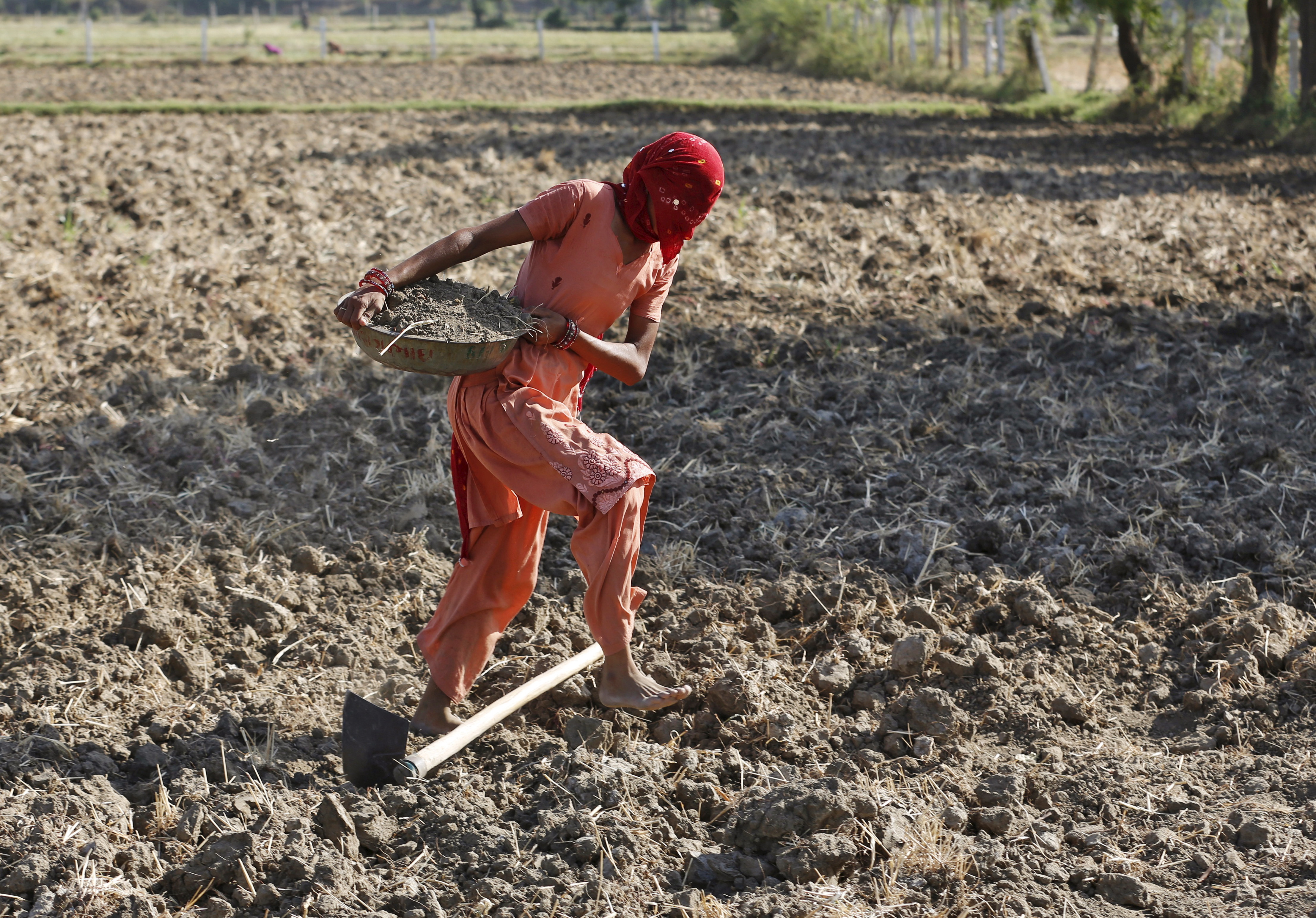
When I first took over the land that would become my regenerative farm in Tamil Nadu, it was clear that the current system could not continue.

The soil was dry, eroded by years of heavy chemical inputs. Every year, crop yields were declining while input costs were rising. Like thousands of farmers across India, the previous owner had left the land because it no longer provided a stable income.

Can Brazil’s new forest fund rewrite the economics of destruction?

Nature

Standing in Belém, at the edge of the Amazon, you feel two things at once: the power of a living system that keeps the world habitable, and the terrifying ease with which that power could unravel. One political cycle. One market signal. That’s all it takes to tip a living system past the point of return.

Scientists warn that seven of nine planetary boundaries are already breached or at risk. Climate, biodiversity, freshwater and land use are all under strain. These are not abstract diagrams but the boundaries of a stable, liveable civilisation. And nowhere is that pressure more visible or consequential than in the world’s tropical forests.

At COP30, focus on wildfire prevention amid record destruction

Nature

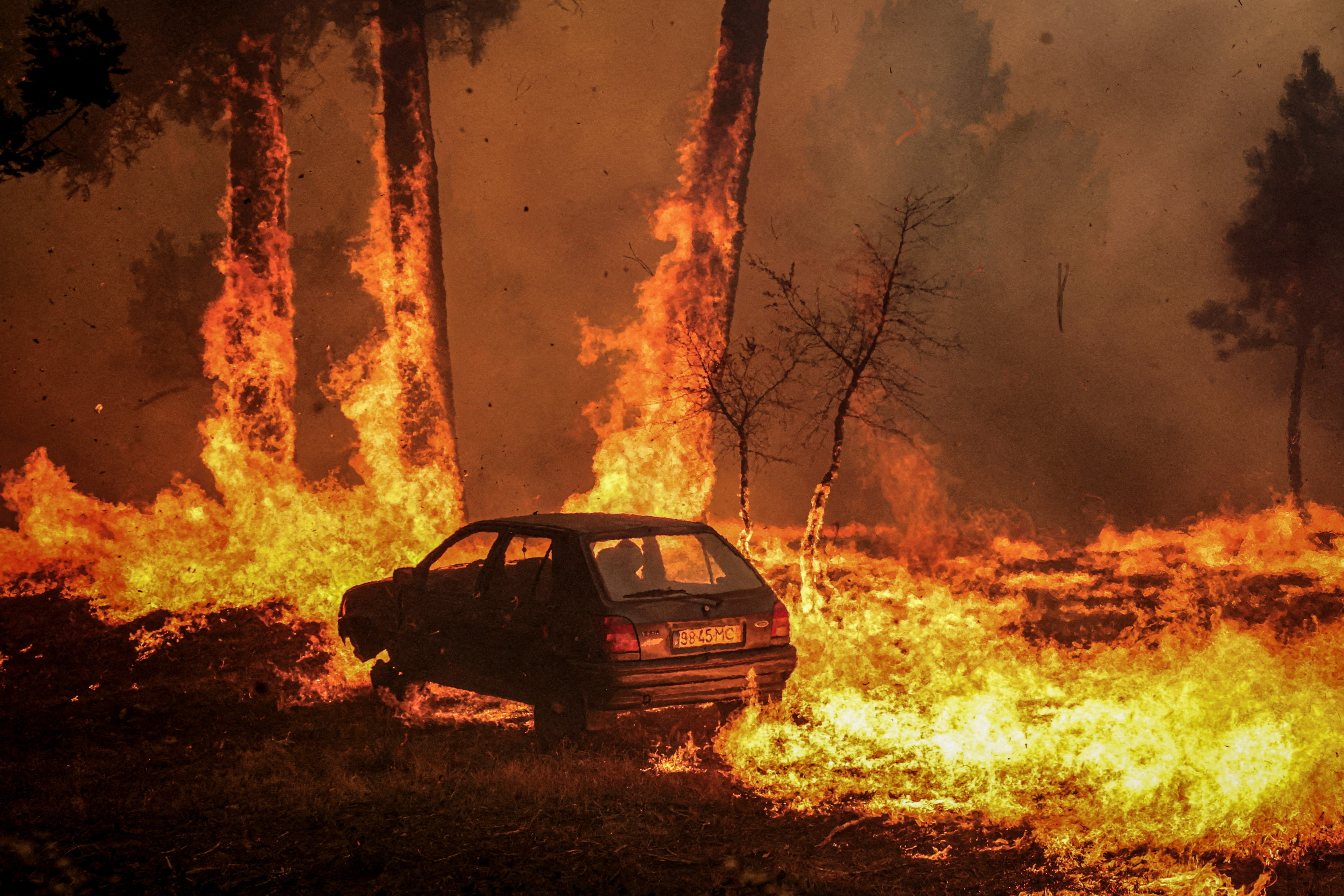
As high temperatures and forest degradation fuel record-breaking wildfires, dozens of governments and organisations meeting at the COP30 climate summit have pledged to boost prevention efforts and funding to fight the stronger, more frequent blazes.

Government environment and forest agencies from Ecuador, Peru, Ghana and Kenya along with nearly three dozen environmental and Indigenous groups worldwide signed an agreement to secure $100 million in funding by 2030 to strengthen wildfire prevention and response.

LOAD MORE